What the ST1250 Conveyor Belt Is
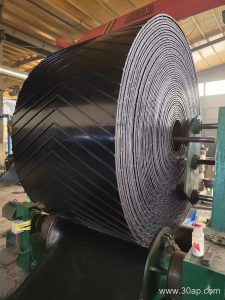
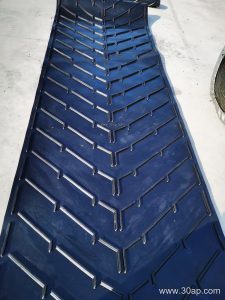
The ST1250 Conveyor Belt is a steel cord conveyor belt with a nominal tensile strength of 1250 N/mm. It belongs to the steel cord family, where the load-bearing skeleton is made of high-carbon steel wires arranged in parallel and embedded in rubber. The “ST” designation indicates steel cord construction, and the number reflects the belt’s rated breaking strength. This belt is typically selected for long-distance, high-capacity conveying systems where low elongation and high strength are important. It is not a fabric-core product; it should not be confused with EP or NN belts, which use woven fabric plies and serve different duty levels.
Construction and Key Components
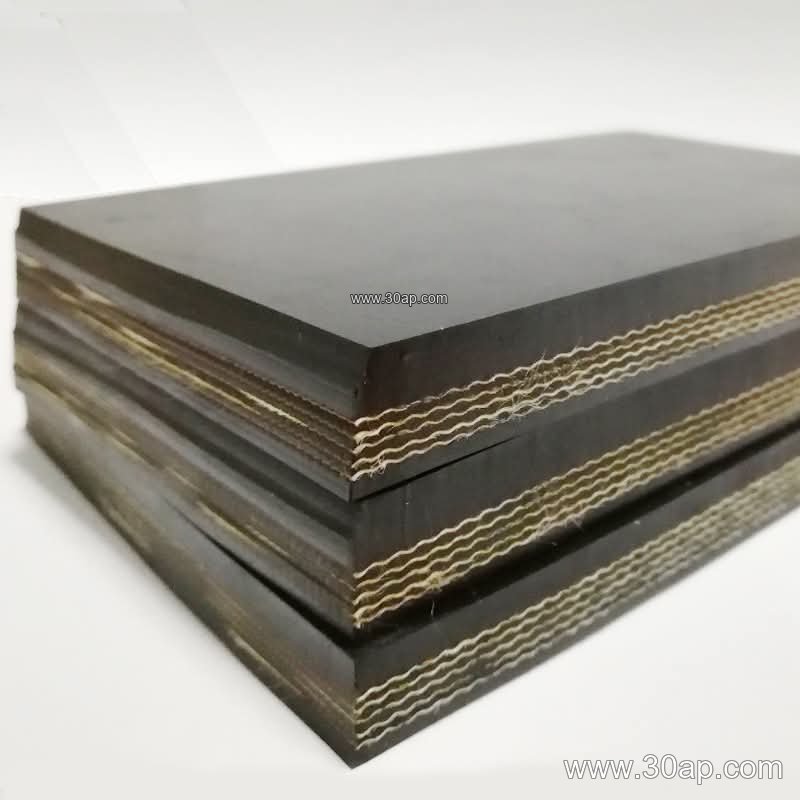
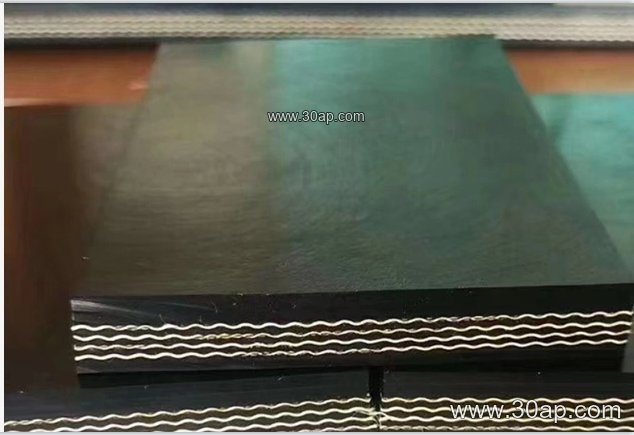
An ST1250 belt usually consists of three main parts: the steel cord carcass, the top cover, and the bottom cover. The cords are spaced at a defined pitch and run longitudinally through the belt. Rubber compounds bond the cords into a single body and protect them from abrasion, impact, and environmental attack. Cover rubber grades can be selected for different conditions, such as abrasion resistant, heat resistant, oil resistant, or flame retardant conveyor belt service. The belt edges are often protected with a rubber edge or reinforced construction to resist fraying and ingress of material.
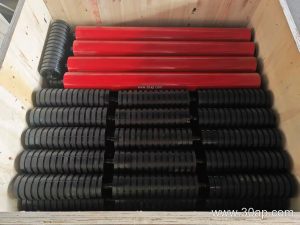
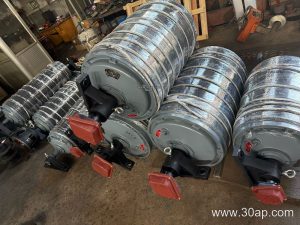
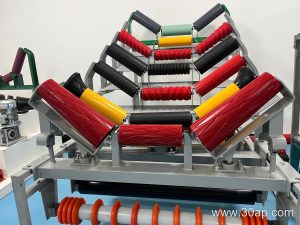
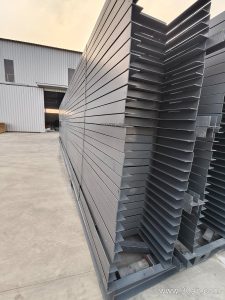
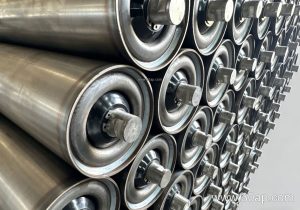
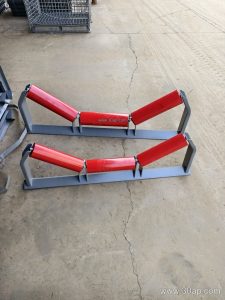
In a complete conveyor system, the belt works together with conveyor pulleys, idler rollers, and conveyor brackets. The drive pulley transmits power, the tail pulley provides tension, and bend pulleys route the belt. These components are not interchangeable; each has a specific role in the system layout.
Where It Is Used
The ST1250 Conveyor Belt is commonly found in heavy industries where large tonnages must be moved efficiently. Typical sectors include mining, coal preparation, cement plants, power stations, steel plants, ports, and large quarry or aggregate operations. In underground coal mining, flame retardant and anti-static properties may be required, and the belt may be specified as part of an underground coal mining conveyor belt system. For ore transport, abrasion resistant covers help handle sharp, heavy lumps. In cement plants, heat resistant grades may be needed for clinker handling, while oil resistant belts suit certain material conditions. The belt is also used in ship loading and bulk material conveyor belt systems where high strength and reliability are essential.
Common Specifications and Options
Buyers should note that ST1250 is a strength class, not a complete specification. Belt width, cover thickness, cord pitch, and rubber grade are selected to match the conveyor design. The table below shows typical reference values; actual values should be confirmed with the manufacturer and the conveyor design engineer.
| Parameter | Common Reference Range |
|---|---|
| Belt width | B800, B1000, B1200, B1400, B1600, B1800, B2000 |
| Cover thickness (top + bottom) | 4+2 mm, 5+2 mm, 6+2 mm, 8+3 mm |
| Strength class | ST1250 (nominal 1250 N/mm) |
| Cover grades | Abrasion resistant, heat resistant, oil resistant, flame retardant, anti-static, cold resistant |
These values are not universal; a wide belt such as a 1800mm or 2000mm ST1250 may be used with different pulley diameters depending on tension and system design. Belt width alone does not determine pulley size or shaft diameter.
Selection and Use Notes
- Confirm the required strength class against the maximum operating tension, not only the belt width.
- Match cover thickness and rubber grade to the material: sharp rock needs abrasion resistant rubber; hot clinker needs heat resistant covers; coal may require flame retardant and anti-static properties.
- Check pulley diameters and idler spacing with the belt manufacturer, as steel cord belts have specific minimum pulley requirements.
- Ensure proper training and alignment of the belt on the conveyor to avoid edge damage and premature wear.
- For long-distance or high-lift systems, consider the total installed power and starting conditions, as these affect belt selection.
Related equipment such as idler rollers, conveyor pulleys, and conveyor brackets should be specified as a system to achieve reliable performance. For example, a mining conveyor belt installation may use heavy-duty idlers and reinforced brackets to support the ST1250 belt under high loads.
Buyer Checklist
When requesting an ST1250 Conveyor Belt, provide the belt width, required cover thickness, rubber grade, and any special properties such as flame retardant or anti-static. Ask for the cord pitch and recommended minimum pulley diameters. Confirm the delivery format: open length or endless conveyor belt. Also clarify whether the belt will be spliced on site and what splicing method is recommended. Keep in mind that different manufacturers may offer slightly different constructions, so technical data sheets should be compared carefully. This article is a general guide; final selection should be based on the specific conveyor design and operating conditions.