Understanding Fire Resistant Conveyor Belts
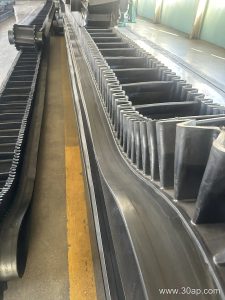
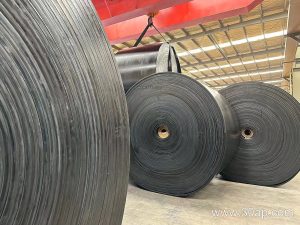
A Fire Resistant Conveyor Belt is a specialized conveyor belt designed to resist ignition and limit flame spread, making it suitable for environments where fire risk is a concern. Also known as a flame retardant conveyor belt, this product is engineered with rubber compounds and construction methods that meet specific fire safety criteria. It is commonly used in industries such as coal mining, power plants, cement plants, and grain handling facilities where combustible materials are present.
Unlike standard rubber belts, a fire resistant conveyor belt incorporates additives and cover compounds that inhibit combustion. The belt may also include anti-static properties to prevent spark generation. This combination helps protect equipment, reduce downtime, and enhance workplace safety.
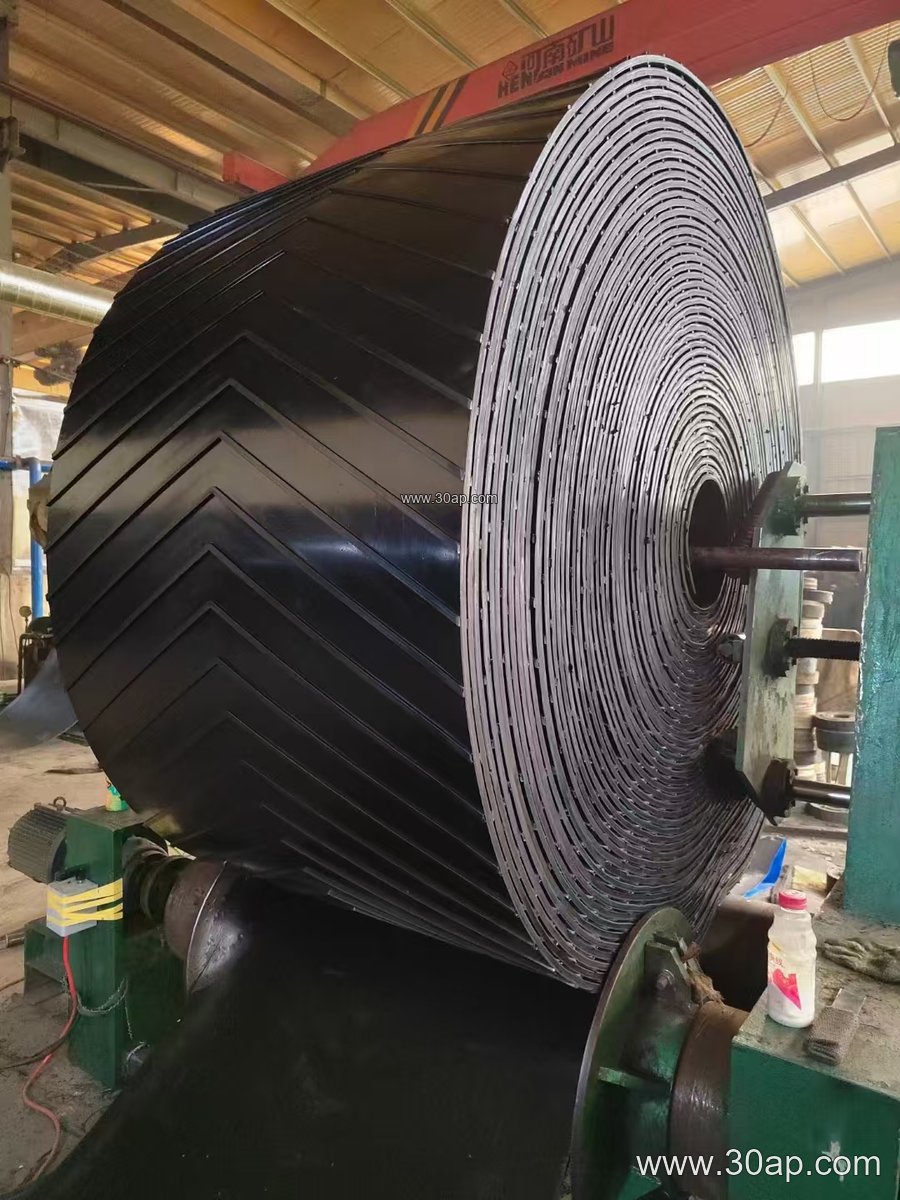
Construction and Key Components
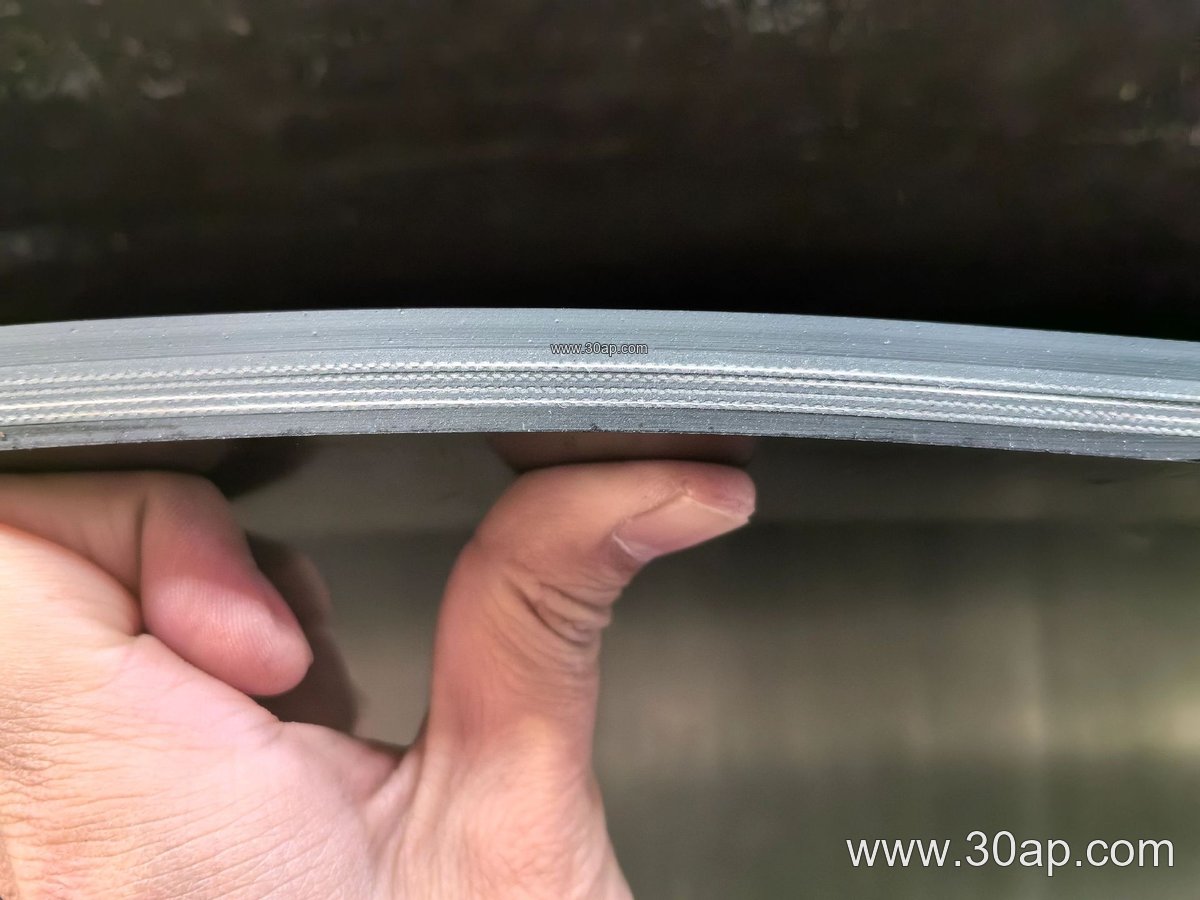
The construction of a fire resistant conveyor belt typically involves a fabric core or steel cord reinforcement, covered with rubber layers that are formulated for flame resistance. Common carcass types include EP (polyester-cotton) fabric, NN (nylon-nylon) fabric, and steel cord. The cover rubber is usually a blend of natural and synthetic rubbers with halogenated or non-halogenated flame retardants.
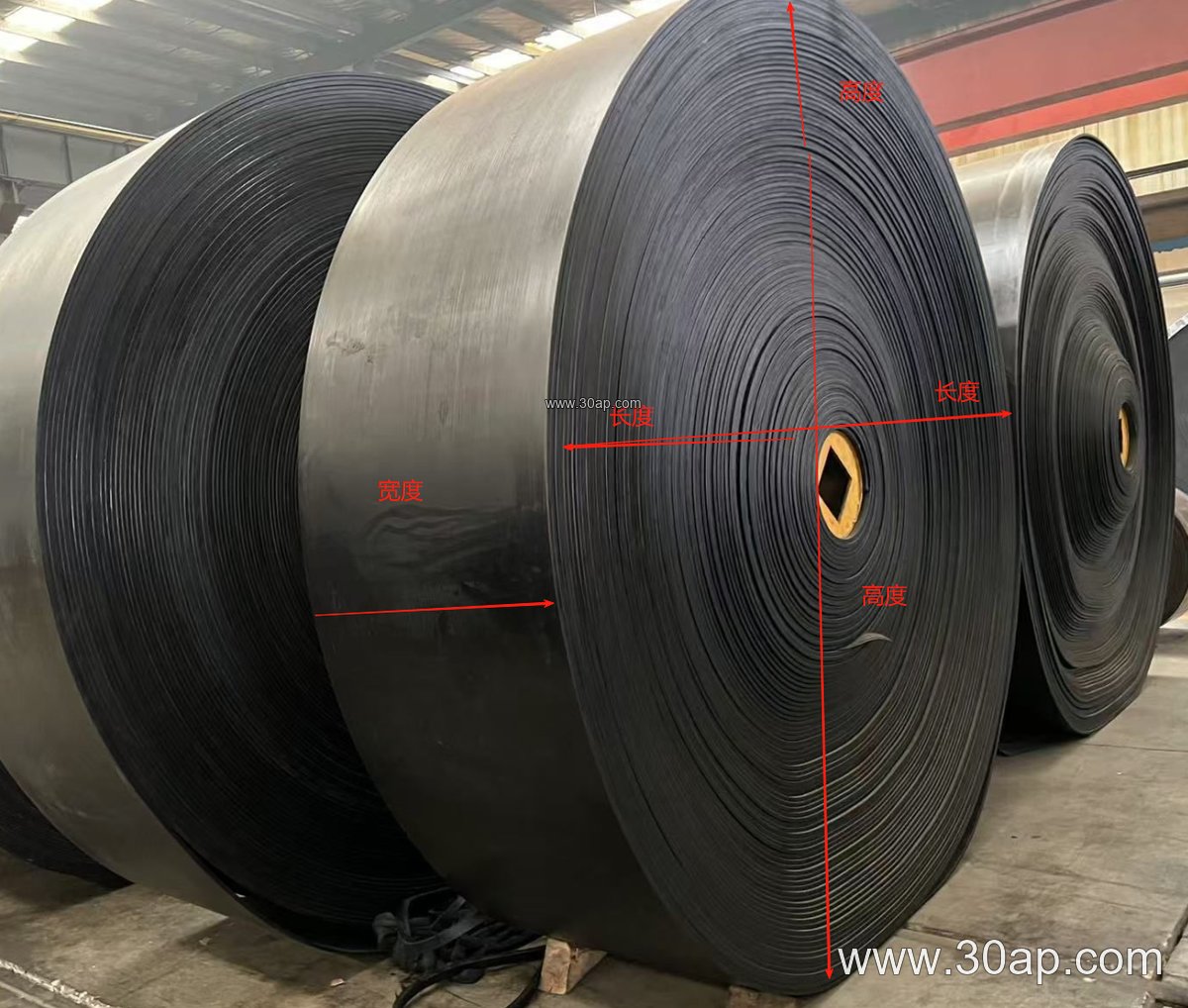
Key parameters to consider include:
- Belt width: From 500 mm to 2000 mm and beyond, depending on conveyor design.
- Strength: EP belts may range from EP200 to EP2000, while steel cord belts can be ST1000 to ST3150.
- Cover thickness: Common combinations like 3+1.5 mm, 4+2 mm, or 6+2 mm.
- Number of plies: Typically 2 to 6 layers for fabric core belts.
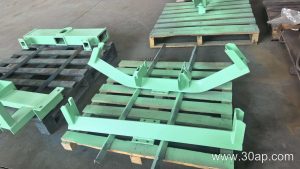
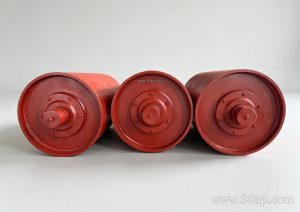
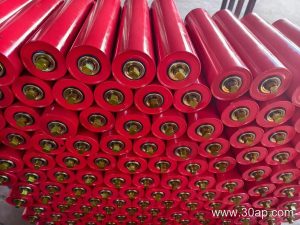
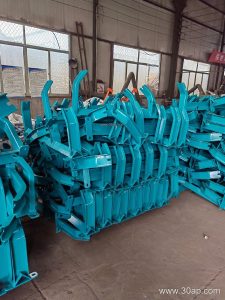
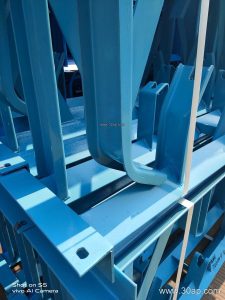
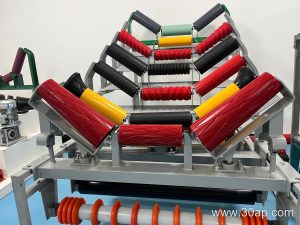
These values are indicative and should be confirmed with the manufacturer based on the specific application. The belt works in conjunction with conveyor pulleys, idler rollers, and conveyor brackets to form a complete handling system.
Where Fire Resistant Belts Are Used
Fire resistant conveyor belts are essential in industries where fire hazards are present. In underground coal mining, for example, the belt must prevent flame propagation in case of friction or electrical sparks. Power plants use these belts to transport coal from stockpiles to boilers, where heat and potential ignition sources exist. Cement plants handle hot clinker and raw materials, requiring belts that resist both heat and flame. Other applications include steel plants, foundries, and recycling facilities.
For particularly demanding environments, a Mining Fire Resistant Conveyor Belt may combine flame resistance with high abrasion resistance and impact resistance. In coal mining, a Coal Mining Conveyor Belt with fire resistant properties is often specified to meet safety regulations. Similarly, an Underground Coal Mining Conveyor Belt must adhere to strict fire safety standards.
Selection and Maintenance Tips
When selecting a fire resistant conveyor belt, consider the operating environment, material being conveyed, and regulatory requirements. The belt should match the conveyor’s pulley diameters and idler roller spacing to avoid excessive stress. Ensure that the belt’s strength rating (e.g., EP630, ST1600) aligns with the load and tension demands. Cover thickness should be chosen based on abrasion and impact conditions.
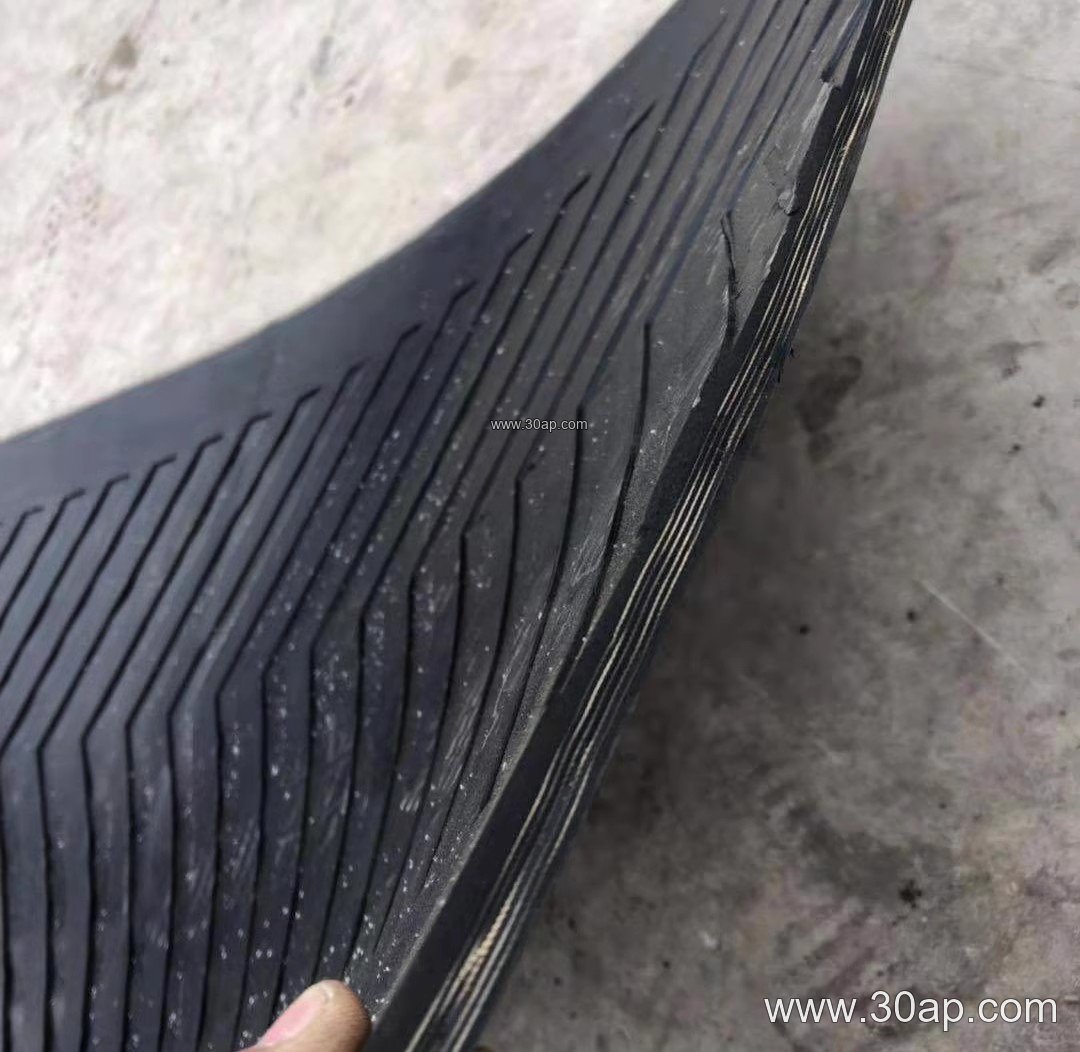
Regular maintenance is crucial. Inspect for wear, cuts, and exposed carcass, which can compromise fire resistance. Keep the belt clean and free of combustible debris. Check that conveyor pulleys and idler rollers are properly aligned to prevent friction heating. Replace worn belts promptly to maintain safety.
For inquiries about fire resistant conveyor belts and related components such as conveyor idler rollers and pulleys, visit our website at www.example.com/fire-resistant-conveyor-belt. We also supply a range of other belts including EP Conveyor Belt, Steel Cord Conveyor Belt, and Heat Resistant Conveyor Belt to meet diverse industrial needs.