What Rubber Pulley Lagging Does on a Conveyor
Rubber pulley lagging is the rubber layer bonded to the shell of a conveyor pulley to raise friction between the drum and the conveyor belt. Without it, a bare steel shell can slip when the belt is wet, dusty, or heavily loaded, and slip means belt wear, heat, and lost production. The lagging also cushions the belt at the contact point and helps protect the pulley shell from abrasion and corrosion. In practice it is one of the least expensive parts of a conveyor and one of the most consequential.
The same product is often called rubber drum lagging or pulley rubber covering. Both names describe the same item: a rubber sheet or preformed strip attached to a pulley shell, usually with a textured surface.
How the Lagging Is Built and Fitted
A typical rubber pulley lagging consists of a rubber compound, sometimes reinforced with fabric or cord, supplied as sheets or strips with a plain or patterned top surface. Three fixing methods dominate:
- Hot vulcanized lagging is cured onto the shell in a press or with a heating blanket. It gives the strongest bond and is common on drive pulleys in continuous duty.
- Cold bonded lagging uses adhesive and is applied on site, which suits maintenance windows when a pulley cannot be removed.
- Cast or molded lagging is preformed to the shell diameter and bolted or bonded in place.
Surface patterns matter as much as the compound. Diamond lagging sheds water and fines; herringbone lagging pushes debris toward the edges; plain lagging suits dry, clean duty. Ceramic tiles embedded in rubber are chosen where abrasion is severe, though they cost more and are harder to trim on site.
Where It Fits in a Bulk Handling Plant
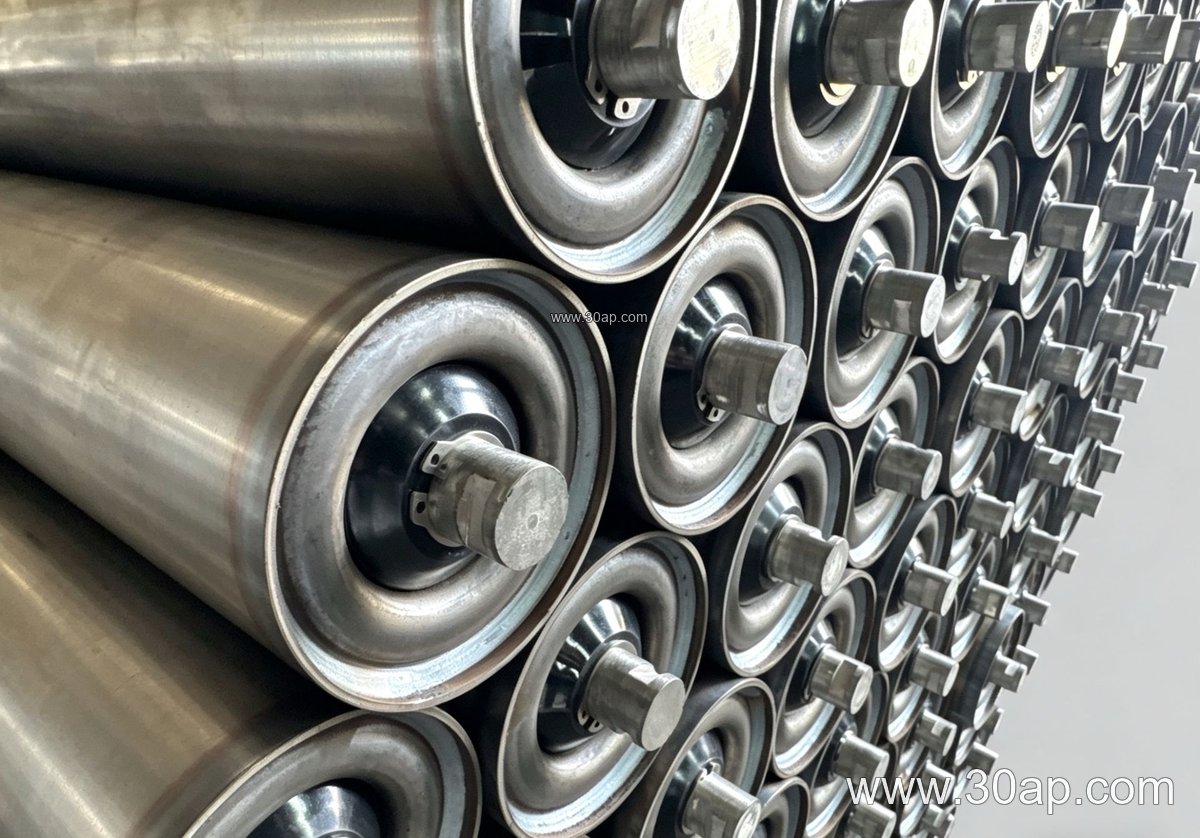
Drive pulleys, tail pulleys, and bend pulleys all use lagging, but for different reasons. A drive pulley needs grip to transmit torque, so it usually carries the thickest, most aggressive covering. A tail pulley mainly needs protection from abrasive material falling onto the return strand. A bend pulley needs a smooth, consistent surface so the belt tracks without edge damage.
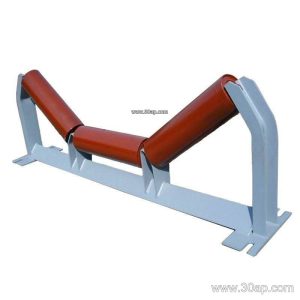
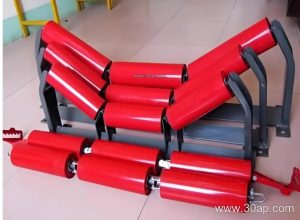
In a coal washing plant, lagging on the head pulley keeps a wet, fine-coal belt from slipping after the spray bars. In a limestone quarry, a crusher discharge conveyor benefits from abrasion resistant lagging because the belt carries sharp, dry rock. Cement plants often specify flame retardant grades near clinker coolers, while power plant coal handling favors anti-static compounds. The surrounding equipment matters too: a worn idler roller or a misaligned conveyor bracket can shorten lagging life regardless of compound quality.
Sizing and Specification Notes
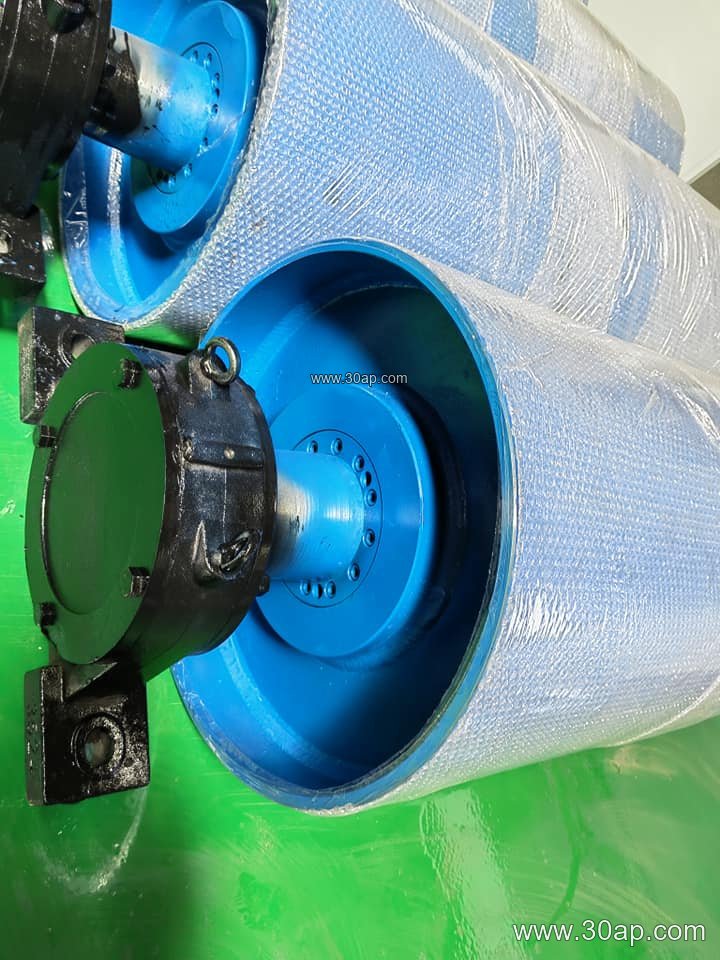
Lagging thickness is usually selected between 8 mm and 20 mm, with 10 mm and 12 mm common on medium-duty pulleys. Shell width normally exceeds belt width, and shaft diameter is set by torque and load rather than by belt width alone. The table below shows typical reference combinations; they are examples, not fixed rules.
| Belt width | Typical shell face | Reference pulley diameter | Common lagging thickness |
|---|---|---|---|
| B800 | about 950 mm | Ø500 to Ø800 | 10 to 12 mm |
| B1000 | about 1150 mm | Ø630 to Ø1000 | 10 to 15 mm |
| B1200 | about 1400 mm | Ø800 to Ø1000 | 12 to 15 mm |
| B1400 | about 1600 mm | Ø800 to Ø1250 | 12 to 20 mm |
| B1600 | about 1800 mm | Ø1000 to Ø1400 | 15 to 20 mm |
Buyers should confirm the pulley diameter, face width, shaft size, and the belt it will run against. A heavy-duty mining conveyor belt with a thick cover behaves differently from a thin EP conveyor belt, and the lagging pattern should match the belt cover rather than fight it. On steep inclines, chevron conveyor belt profiles and herringbone lagging can work together, but the cleat height and lagging thickness must be checked for clearance.
What to Check Before Ordering
Start with the duty: hours per day, loading method, and whether the belt is wet or dry. Confirm the pulley position, because drive, tail, and bend pulleys are not interchangeable and the lagging specification should follow the position. Ask for the rubber compound’s hardness, tensile strength, and abrasion loss data, and confirm the bond method suits your site. For flame retardant or anti-static requirements, request the relevant test data rather than assuming a standard grade will pass.
Finally, plan the installation. Hot vulcanized work needs a press or blanket and a clean shell; cold bonded work needs dry conditions and cure time. Trimming the lagging flush to the shell edges and checking belt tracking after startup will prevent most early failures. A small spare stock of lagging strips and adhesive is cheap insurance for a plant that cannot afford a stopped conveyor.