What a Bend Rubber Lagged Pulley Does
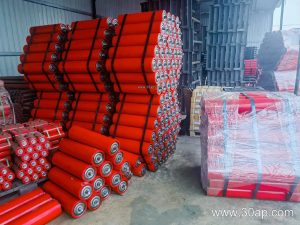
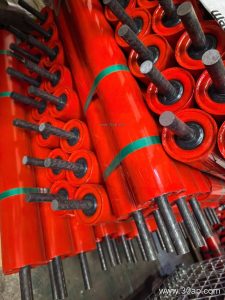
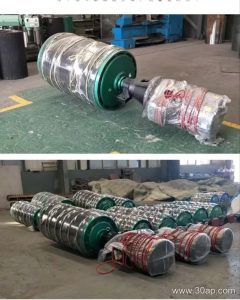
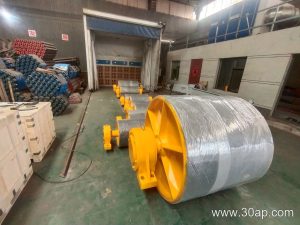
A bend rubber lagged pulley is a direction-changing conveyor pulley whose shell is covered with a rubber lagging. It sits at a bend point in the conveyor route, guiding the belt around a curve so the system can follow plant layout, clear structures, or reach a transfer point without adding another drive. Because it changes belt direction rather than driving or tensioning the belt, it is a distinct subtype: a bend pulley is not a drive pulley, and it is not a tail pulley or a take-up pulley, even though all of them are conveyor pulleys.
The rubber cover is the defining feature. It protects the shell from abrasive carryback, improves friction between the belt and the pulley surface, and helps the belt track more smoothly through the bend. On dusty routes in a quarry, a limestone mine, or a cement clinker line, that cover can make the difference between steady running and constant belt wander.
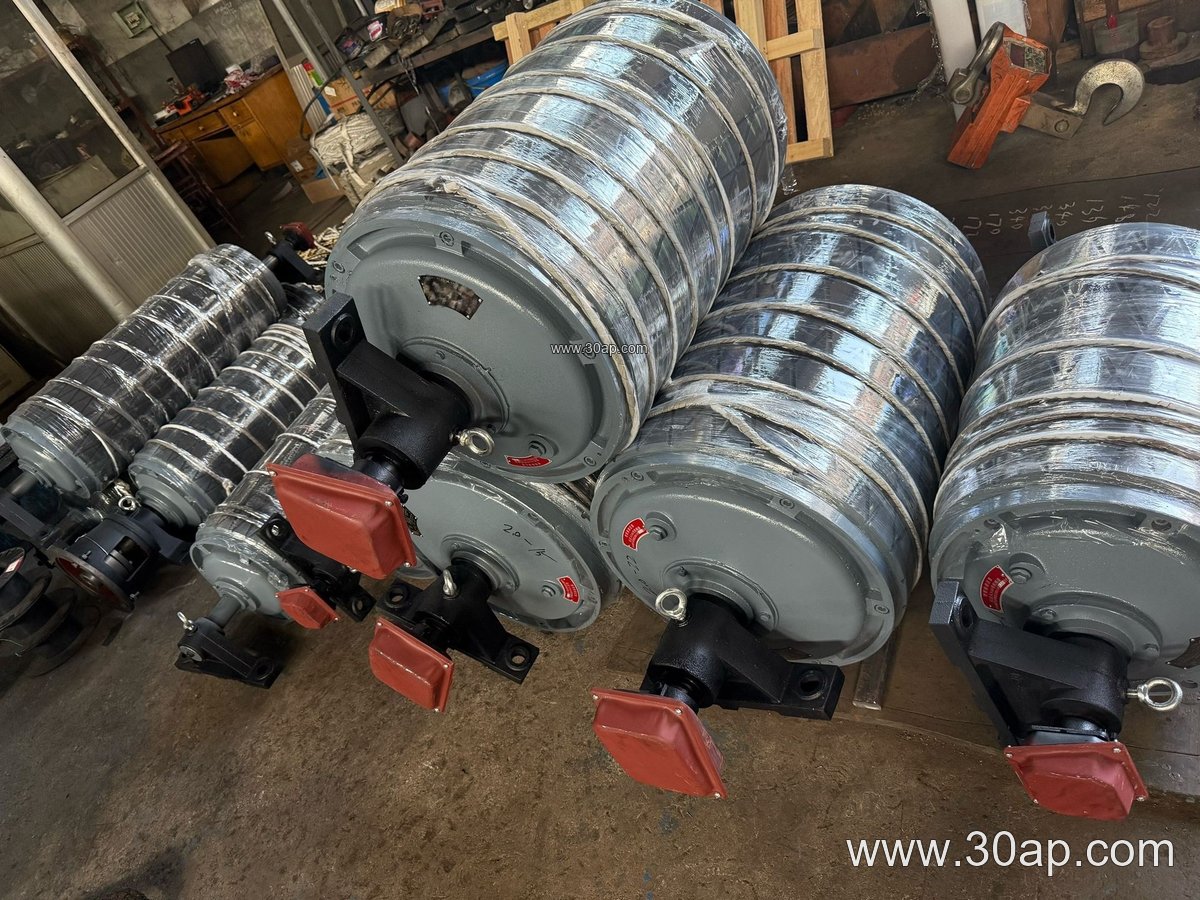
Construction and Surface Options
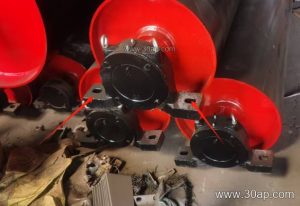
These pulleys are built around a welded or rolled steel shell, with shafts, hubs, and bearing housings sized to the load. The lagging can be applied in several ways, and the choice affects grip, cleaning, and service life.
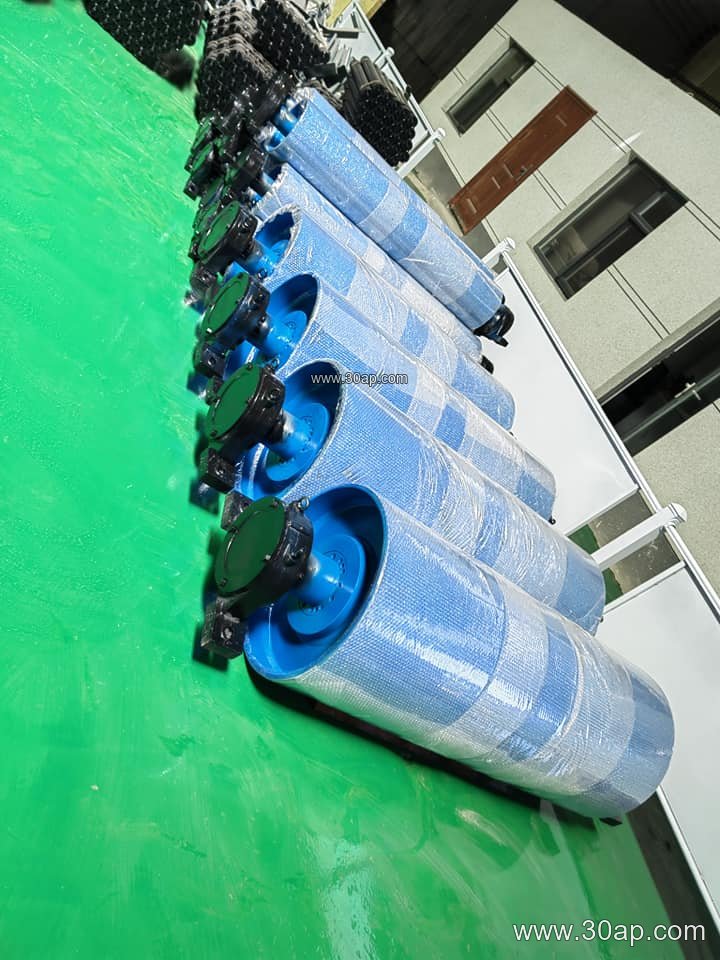
- Cold-bonded rubber lagging, often used for general duty and easier field repair
- Hot-vulcanized rubber lagging, providing a stronger bond for heavy running
- Diamond or herringbone grooved surfaces, which help shed water and fines
- Plain or flat lagging, suitable where a simple, smooth cover is preferred
- Ceramic lagging, considered where extra grip is needed on wet or oily belts
Common lagging thicknesses are 8, 10, 12, 15, and 20 mm, selected according to belt tension, material abrasiveness, and expected wear. The pulley face width is usually a little wider than the belt, for example about 750 mm for a B650 belt or about 1400 mm for a B1200 belt, so the belt is supported across its full width.
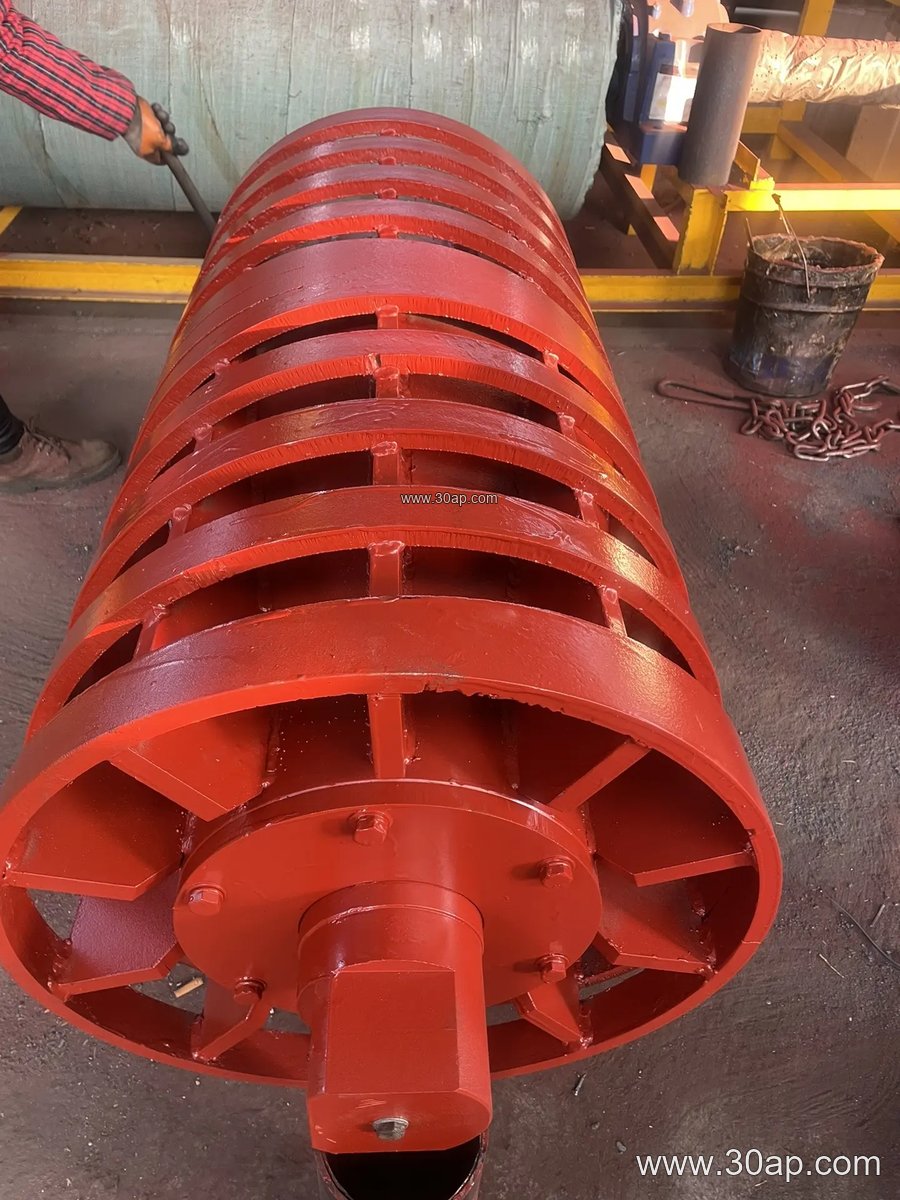
Matching Diameter, Width, and Shaft
Buyers often ask for a diameter based on belt width alone, but that is not how the selection works. Diameter depends on the belt’s minimum bend radius, the wrap angle, belt tension, and the space available. A B800 belt might run on a Ø500 bend pulley in one plant and on a larger diameter in another where the belt construction demands a gentler curve. The shaft diameter is determined by torque and bearing loads, not by belt width, so a fixed shaft size should never be assumed from a width figure.
Useful reference combinations include B800 × Ø500, B1200 × Ø1000, and B1400 × Ø800, but these are examples rather than mandatory pairings. Typical shell diameters range from Ø200 up to Ø1800, and belt widths from B400 to B2400, with larger sizes generally tied to high-capacity trunk conveyors.
Where It Fits in the Conveyor
A bend pulley is commonly installed where the belt must turn between the loading zone and the discharge, or where a route has to pass around an existing structure. In a power plant coal handling system, it may help route the belt around a transfer tower. In a port bulk terminal or a ship loading line, it can keep the belt path compact. It also appears in aggregate and sand plants, crushing and screening circuits, and tunnel mucking conveyors.
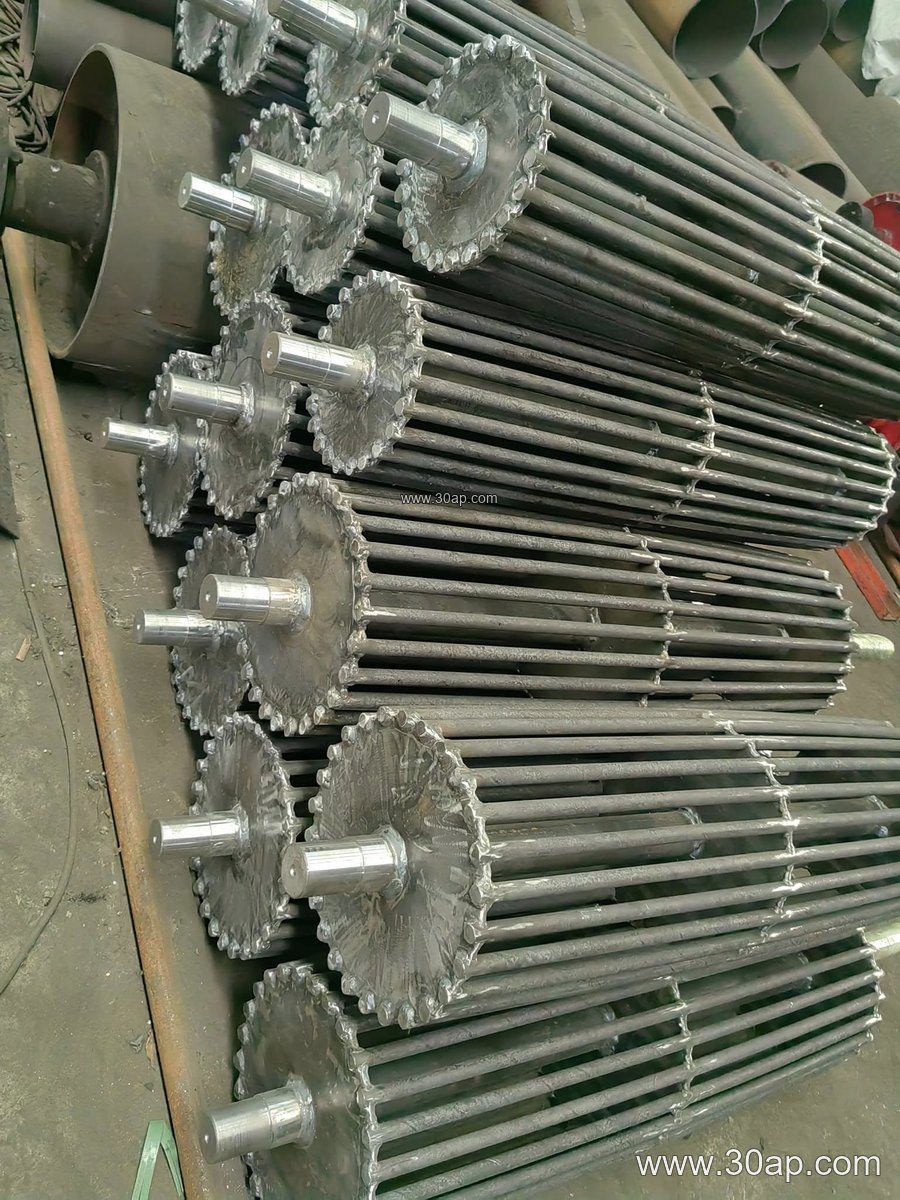
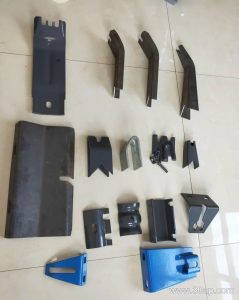
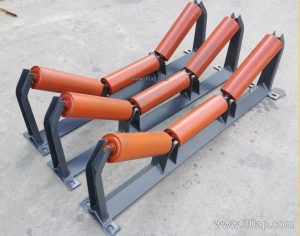
Its job is different from that of a drive pulley, which transmits power, and from a tail pulley, which returns the belt. Compared with an idler roller, which supports the belt along its carrying run, the bend pulley provides a controlled turning point with a defined wrap angle. Conveyor brackets and the pulley frame must be aligned carefully so the belt enters and leaves squarely.
Buyer Checklist
- Confirm the belt width, belt type, and minimum bend radius before choosing a diameter
- State the wrap angle and belt tension so the shaft and bearings can be sized correctly
- Choose lagging thickness and groove pattern for the actual material, such as wet coal, abrasive ore, or hot clinker
- Check face width against the belt and confirm the pulley fits the existing conveyor bracket
- Plan for lagging wear inspection and replacement, especially on high-abrasion routes
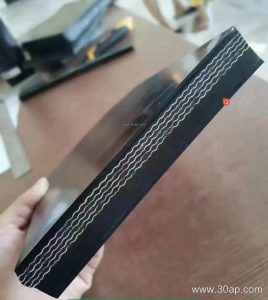
On a coal mining conveyor or an iron ore line, a worn smooth shell can allow slip and misalignment; a properly specified rubber cover keeps the bend stable. Where the belt itself carries heat or oil, the pulley lagging should be matched to that condition, and the belt may be a heat resistant conveyor belt or an oil resistant conveyor belt. For general bulk handling, EP conveyor belt and NN conveyor belt constructions are common, while long overland routes may use steel cord conveyor belt. Whatever the belt, the bend rubber lagged pulley should be treated as an engineered component, specified from real tension, geometry, and duty data rather than from a single width number.