What the Belt Conveyor Drive Pulley Does
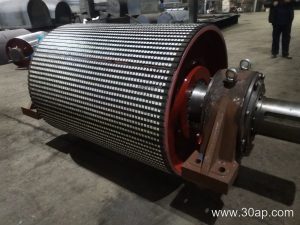
The belt conveyor drive pulley is the powered roller that transfers torque to the conveyor belt and keeps the entire system moving. Often called the head pulley or main drive drum, it is the single component that converts motor power into forward belt motion. In a typical bulk handling circuit, the drive pulley sits at the discharge end, gripping the belt through friction and pulling the loaded strand toward the head. Whether you are moving crushed limestone in a quarry, coal through a wash plant, or clinker in a cement works, the drive pulley is the heart of the conveyor.
Unlike the tail pulley, which redirects the returning belt, or a bend pulley, which simply changes belt direction, the drive pulley carries the full drive torque and must be built to handle it. These roles are not interchangeable: replacing a drive pulley with a tail or bend unit would compromise the entire conveyor.
How It Is Built
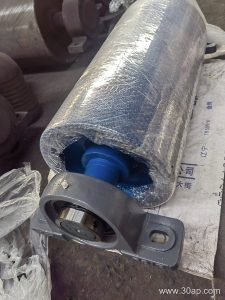
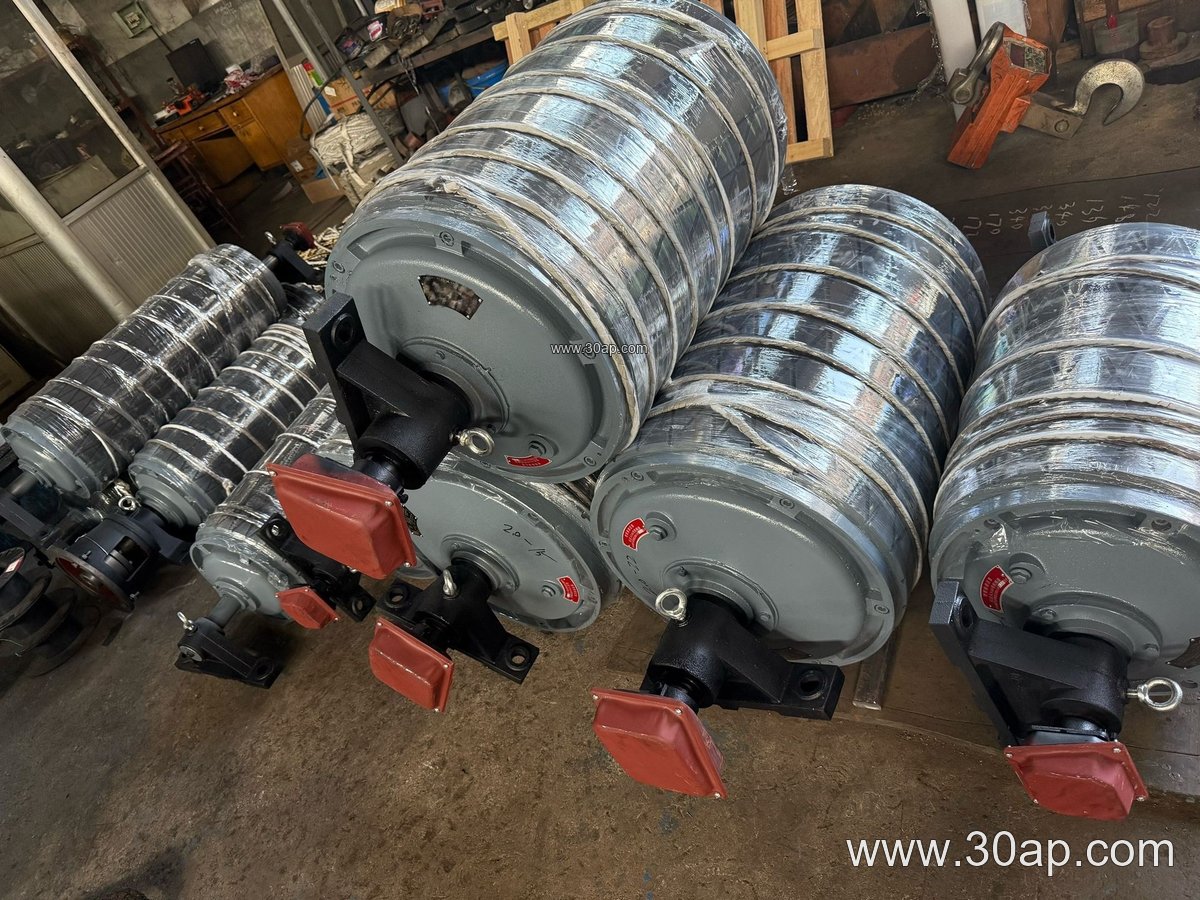
A drive pulley typically consists of a steel drum shell, end discs, a shaft, and a lagging surface. The shell is usually machined from seamless steel tube or rolled plate, with welded end discs that connect to the shaft through keyed hubs or shrink-fit assemblies. The shaft transmits torque from the gearbox and must be sized by torque and load, not by belt width alone. Common shaft diameters include Ø80, Ø100, Ø120, Ø140, and Ø160, but the final value is always determined by the drive design.
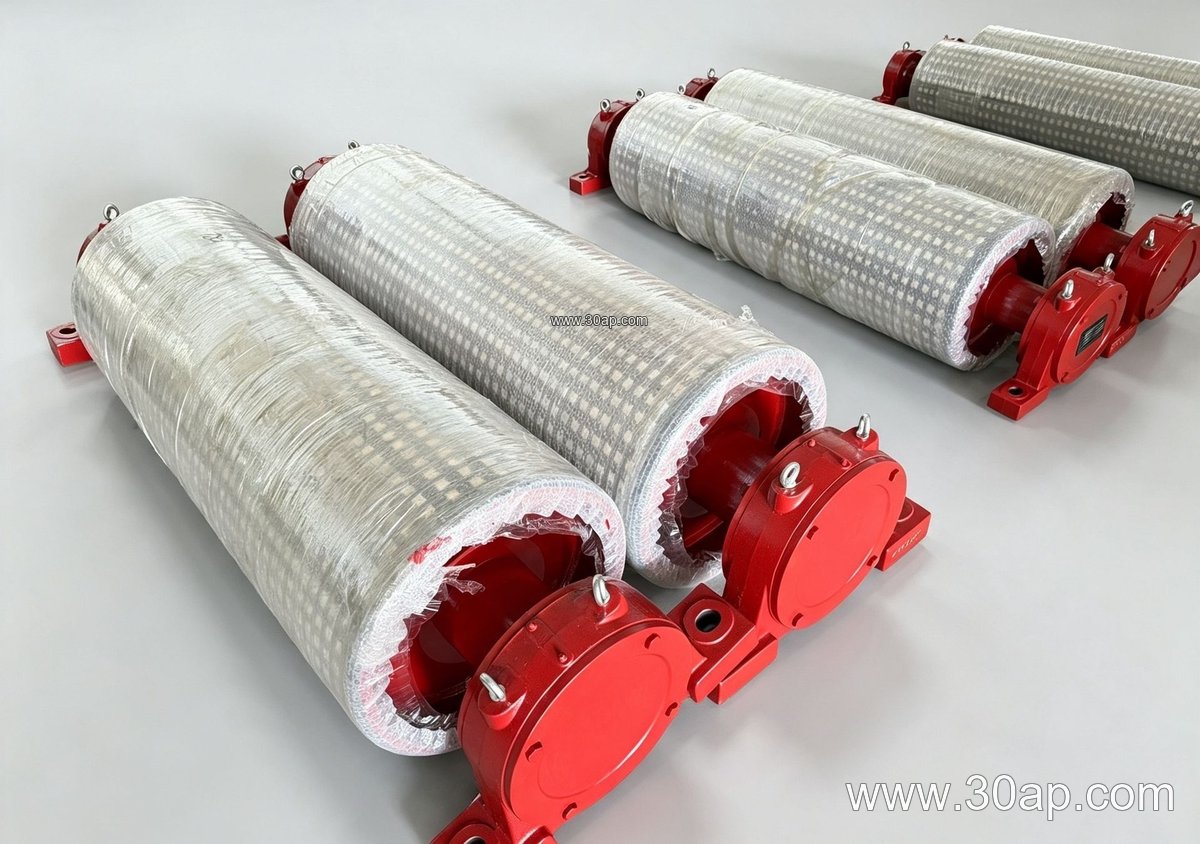
Lagging is applied to the drum surface to increase friction and protect the shell. Options range from plain smooth surface to hot-vulcanized rubber, cold-bonded rubber, diamond grooving, herringbone pattern, or ceramic tiles. Lagging thickness commonly falls between 8 mm and 20 mm, depending on the duty. For example, a B1200 drive pulley with a Ø1000 drum might use 12 mm diamond rubber lagging in a coal handling plant, while a B800 × Ø500 unit in a sand and gravel line might run 10 mm plain rubber. These combinations are illustrative; no single belt width is tied to one pulley diameter.
Where It Fits in the System
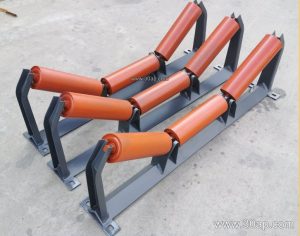
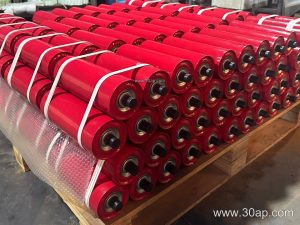
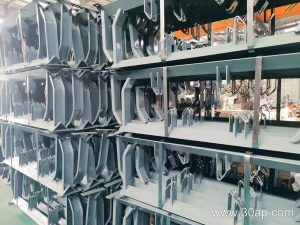
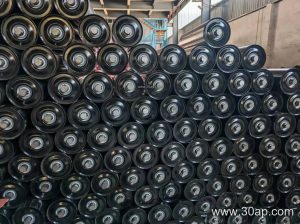
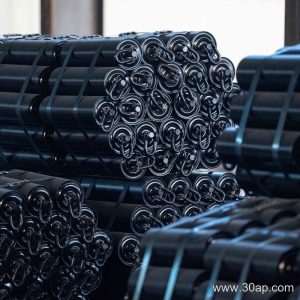
The drive pulley works in concert with the conveyor belt, idler rollers, and conveyor brackets that support the belt along its path. In a quarry or aggregate plant, the drive pulley is often at the head of a primary crusher discharge conveyor. In a power plant coal yard, it may be part of a long overland system moving coal from stockpile to boiler. Underground mining conveyors place the drive pulley at the surface or in a transfer house, where accessibility for maintenance matters. In each case, the pulley must match the belt’s tension and speed requirements.
Belt selection affects drive pulley design. A heavy-duty mining conveyor belt or steel cord conveyor belt requires a larger pulley diameter to reduce bending stress. Fabric core belts such as EP conveyor belt or NN conveyor belt can often run on smaller diameters. Heat resistant conveyor belt in a cement plant may demand a drive pulley with heat-tolerant lagging, while a flame retardant conveyor belt for underground coal mining needs a pulley that will not contribute to fire risk.
Key Parameters for Buyers
When specifying a belt conveyor drive pulley, buyers should provide the belt width, required diameter, shaft size, lagging type, and bearing arrangement. The table below lists common reference ranges; actual values must be confirmed by the conveyor designer.
| Parameter | Common Reference Range |
|---|---|
| Belt width (B) | B400, B500, B650, B800, B1000, B1200, B1400, B1600, B1800, B2000 |
| Pulley diameter | Ø200, Ø250, Ø315, Ø400, Ø500, Ø630, Ø800, Ø1000, Ø1250, Ø1400 |
| Drum face width | Usually wider than belt, e.g. B800 ≈ 950 mm, B1200 ≈ 1400 mm, B1400 ≈ 1600 mm |
| Lagging thickness | 8, 10, 12, 15, 20 mm |
| Shaft diameter | Ø50 to Ø200, selected by torque and load |
Remember that a drive pulley is not a tail pulley and cannot be swapped with one. The drive pulley must be sized for the maximum torque and belt tension, and its lagging chosen for the material being conveyed. For abrasive ore or rock, a high abrasion resistant conveyor belt pairs well with ceramic or diamond lagging. For oily or chemical environments, oil resistant or chemical resistant lagging may be needed.
Maintenance and Long-Term Care
Regular inspection of the drive pulley includes checking lagging wear, shaft alignment, bearing condition, and surface cleanliness. Material buildup on the drum can cause belt misalignment and premature wear. In dusty operations such as a lime plant or fertilizer handling facility, keep the pulley area clean and monitor for slip. A well-maintained drive pulley extends the life of the entire conveyor belt and reduces downtime.
For more information on related components such as conveyor pulleys, idler rollers, and conveyor brackets, consult your conveyor system supplier. The drive pulley remains the critical link between power and motion, and choosing it correctly is essential for reliable bulk material handling.