What an Idler Price Covers
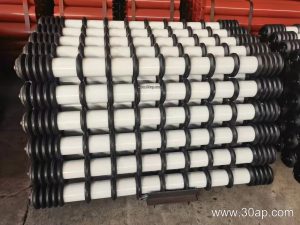
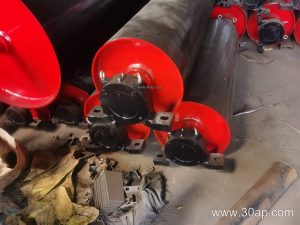
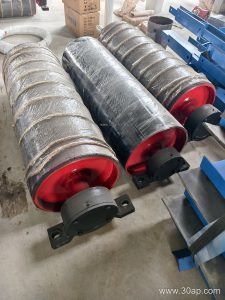
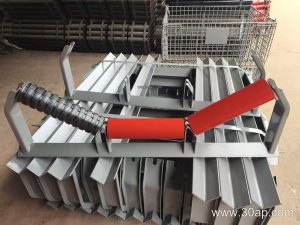
When buyers ask about idler price, they are usually comparing the cost of one carrying roller or a complete idler set installed on a belt conveyor. The idler roller is the rotating component that supports the conveyor belt and the material load along the carrying side or the return side. Because a typical conveyor uses many of them, even a small difference in unit cost adds up quickly across a long line. The quotation normally reflects the roller diameter, shell material, bearing arrangement, sealing, shaft, and the frame or bracket that holds the roller in place. A complete idler assembly with a conveyor bracket costs more than a bare roller, so it helps to confirm exactly what is included before comparing offers.
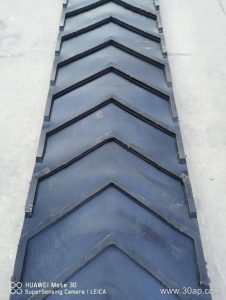
Price should never be separated from duty. A light roller on a short aggregate line and a heavy roller in an iron ore plant are different products even when they look similar from a distance. The same applies to the belt itself: a heavy-duty mining conveyor belt or a steel cord conveyor belt carrying dense ore demands more robust idlers than a low-load transfer point.
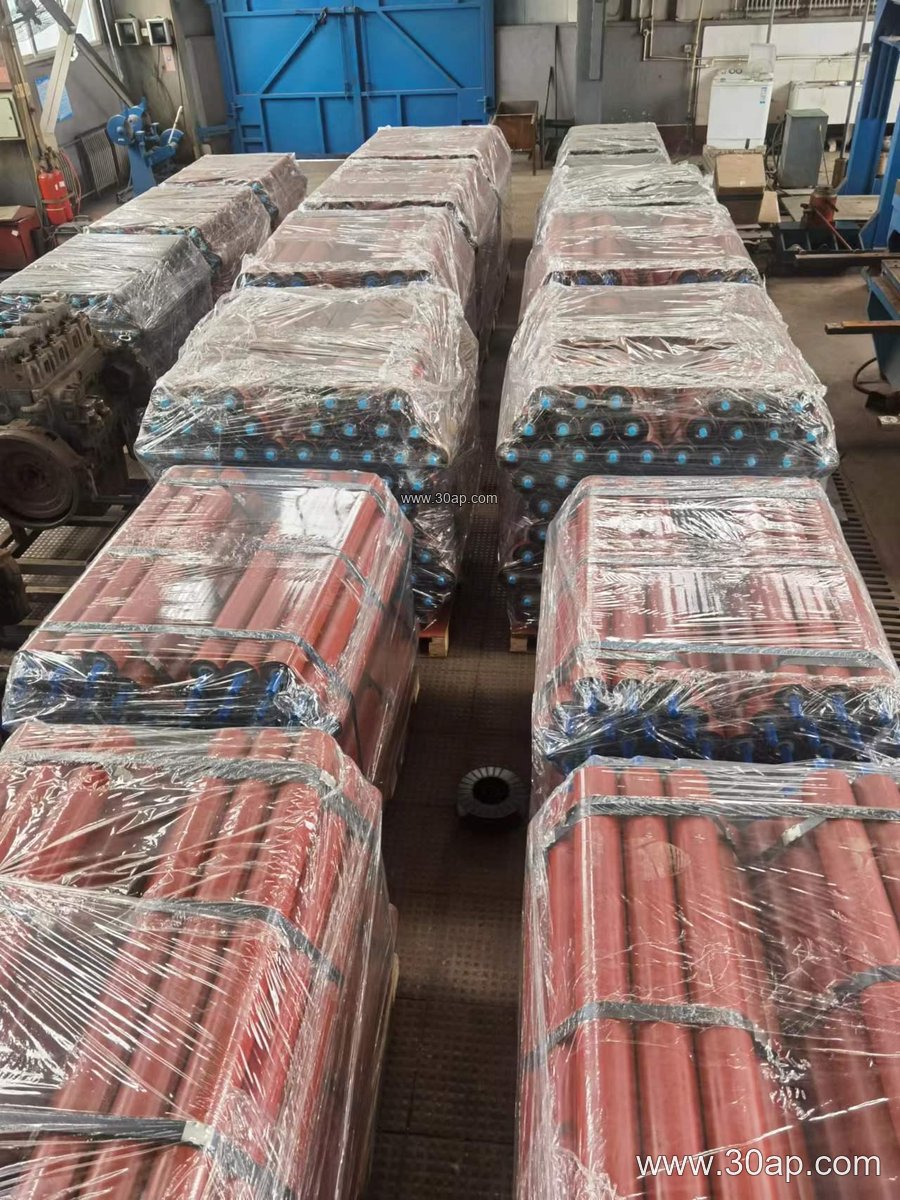
How the Roller Is Built and Why It Affects Cost
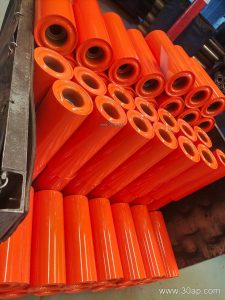
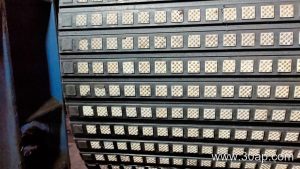
An idler roller is built around a steel shaft, a tubular shell, bearing housings, and a sealing system. Common shell materials include steel tube, nylon, ceramic, and rubber rings, and each choice changes both durability and price. Bearings are often selected from sizes such as 6204, 6205, 6305, 6306, 6308, or 6310, but the bearing must match the calculated load, not simply the roller diameter. Sealing is especially important in dusty or wet conditions, because contamination is a leading cause of premature failure.
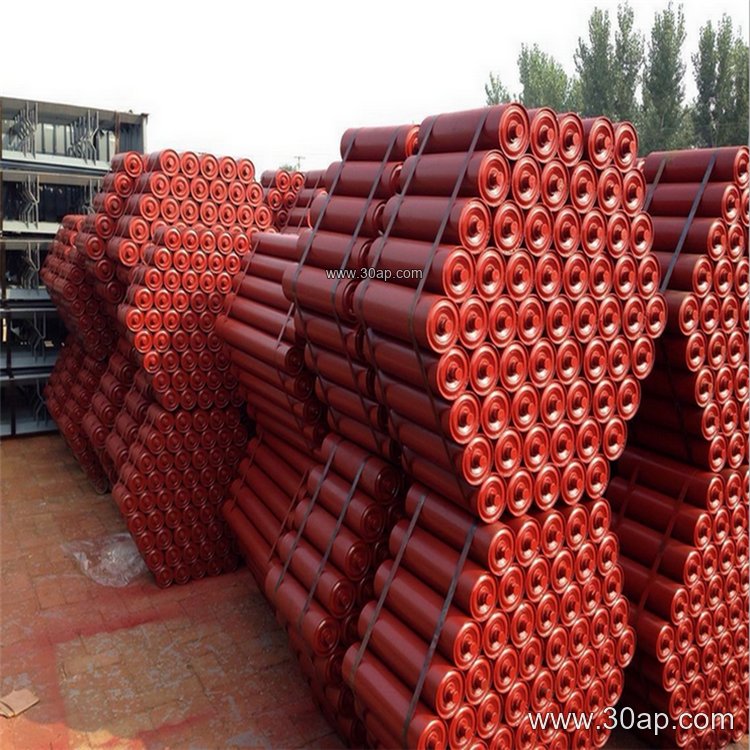
The table below shows typical reference values for roller diameter and belt width. These are common examples only, and final selection is confirmed by design.
| Parameter | Common Reference Values |
|---|---|
| Roller diameter | Ø63, Ø76, Ø89, Ø102, Ø108, Ø127, Ø133, Ø159, Ø178, Ø194, Ø219 |
| Belt width | B400, B500, B650, B800, B1000, B1200, B1400, B1600, B1800, B2000, B2200, B2400 |
| Trough angle | 20°, 30°, 35°, 45° |
| Idler set form | single roll, two-roll trough, three-roll trough |
Roller length varies with belt width, trough angle, and set form. For a three-roll trough set, common roller lengths are roughly 200 mm for B500, 250 mm for B650, 315 mm for B800, 380 mm for B1000, 465 mm for B1200, 530 mm for B1400, 600 mm for B1600, 670 mm for B1800, and 750 mm for B2000. Side rollers and center rollers can differ, so these figures should not be treated as fixed pairings.
Where Idlers Work and What They Must Endure
Idlers appear in almost every bulk handling circuit. In a limestone quarry or a sand and aggregate line, troughing idlers support an abrasion resistant conveyor belt moving crushed stone. In a coal washing plant or a power plant coal yard, flame retardant conveyor belt and anti-static properties matter alongside roller reliability. In a cement plant, fine dust challenges seals and bearings. In a port or ship loading system, wide belts and long spans put a premium on alignment and low rolling resistance.
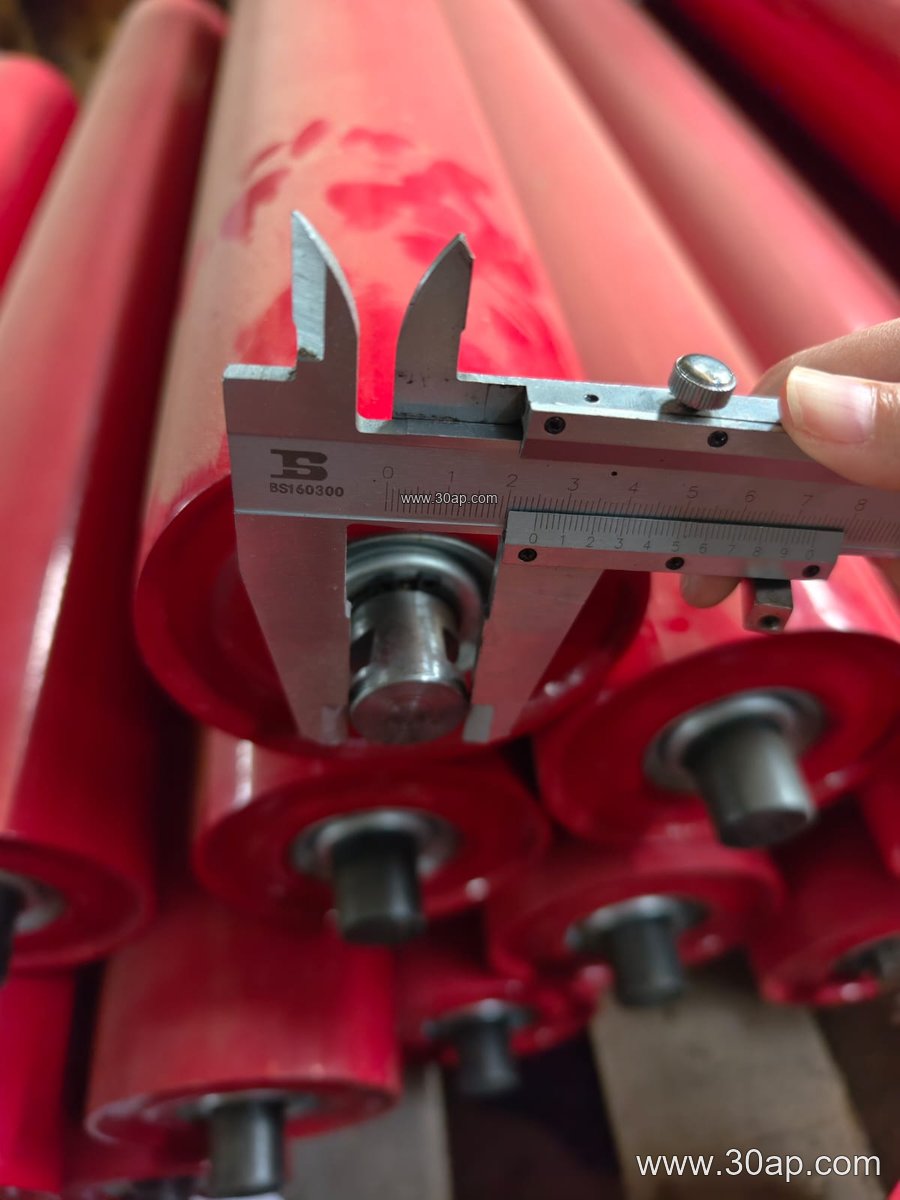
Different positions call for different types. Carrying idlers on the loaded side often use a three-roll trough set, while return idlers support the empty belt underneath. Impact idlers with rubber rings are used below transfer chutes where material falls onto the belt. Self-aligning idlers help correct belt drift on long runs. Each of these variants has its own price level, and mixing them into one average figure can hide the real cost of a spare parts plan.
What Buyers Should Check Before Accepting a Price
- Confirm the roller diameter, shell material, and bearing size rather than comparing only by belt width.
- Ask whether the offer includes the shaft, seals, and conveyor bracket or only the roller body.
- Match the idler to the belt duty: a heavy-duty mining conveyor belt or an EP conveyor belt with high tension needs a stronger frame.
- Specify the environment, such as dust, moisture, heat, or oil, because sealing and lubricant choices change with conditions.
- Request consistent roller lengths across the set and verify side roller dimensions separately.
A realistic idler price balances purchase cost with service life. Cheap rollers that fail early cost more in downtime and labor, especially in a continuous ore or coal stream. Buyers who define the belt width, trough angle, load, and environment up front usually get clearer quotations and fewer surprises at installation.