What an Impact Idler Bracket Does
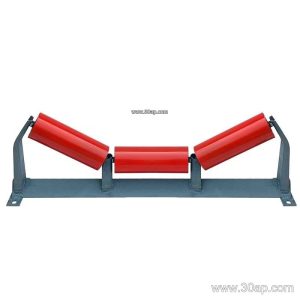
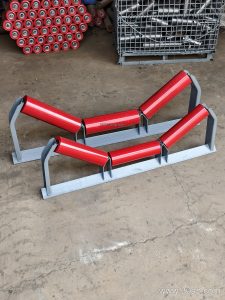
An impact idler bracket is the support structure that holds impact idler rollers directly beneath a conveyor belt’s loading point. Its job is to absorb the force of falling material—run-of-mine coal, crushed limestone, iron ore pellets, or aggregate—without letting that energy transfer into the belt cover or the frame. In a quarry or a coal handling plant, this bracket is often the first component to feel the drop from a chute, and a well-built one keeps the belt tracking straight while the rollers beneath it take the shock.
Unlike a standard carrying bracket that simply sets the trough angle, an impact bracket is usually reinforced and positioned to work with rubber-cushioned or heavy-wall rollers. It is not a drive pulley, tail pulley, or bend pulley—those handle power transmission and direction changes. The impact idler bracket belongs to the load-carrying side of the conveyor structure.
Build and Materials
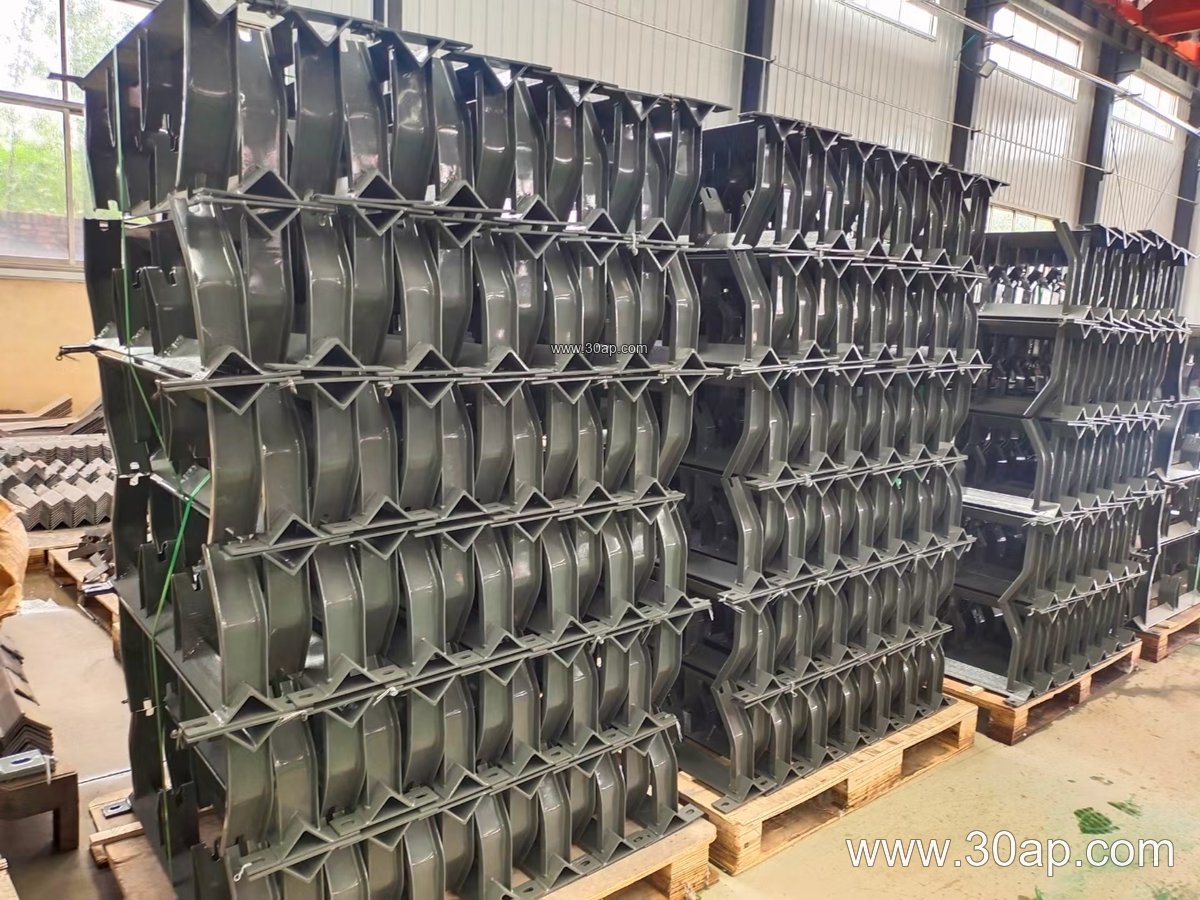
Most brackets are fabricated from angle steel, channel steel, or folded steel plate. The choice depends on the belt width and the expected impact energy. A common construction uses two side arms with slotted or pre-drilled mounting holes, a crossbeam that sets the trough angle, and a base plate that bolts to the conveyor stringer. Welded gussets add stiffness where the arms meet the crossbeam.
Because the bracket sits under the loading zone, it is often paired with impact idler rollers that have rubber rings or a resilient shell. The bracket itself may be fixed or adjustable. Adjustable versions let maintenance crews fine-tune the trough angle after installation, which helps when a belt is replaced or when material flow changes.
| Reference Item | Common Range |
|---|---|
| Belt width (B) | B500 to B2200 |
| Trough angle | 20°, 30°, 35°, 45° |
| Roller diameter | Ø89, Ø108, Ø133, Ø159, Ø194 |
| Material | Angle steel, channel steel, folded plate |
These values are reference data for discussion, not a fixed match. A B800 belt might run a 35° trough with Ø108 rollers in one plant and a 30° trough with Ø133 rollers in another. Mounting hole spacing and crossbeam length are determined by the belt width and trough angle, so they should always be confirmed against the conveyor drawing.
Where It Fits on the Conveyor
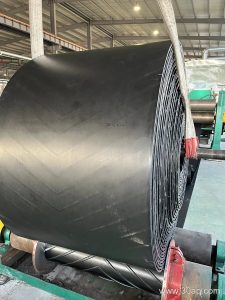
The bracket is installed at the transfer point, just downstream of the chute or feed hopper. In a limestone mine or a sand and gravel line, this is where the belt takes its hardest hit. The bracket works together with the conveyor belt and the idler roller set to keep the belt supported and centered. If the load is heavy and abrasive, a high abrasion resistant conveyor belt may be used above the bracket, but the bracket’s role stays the same: carry the impact and protect the belt edge from pinching.
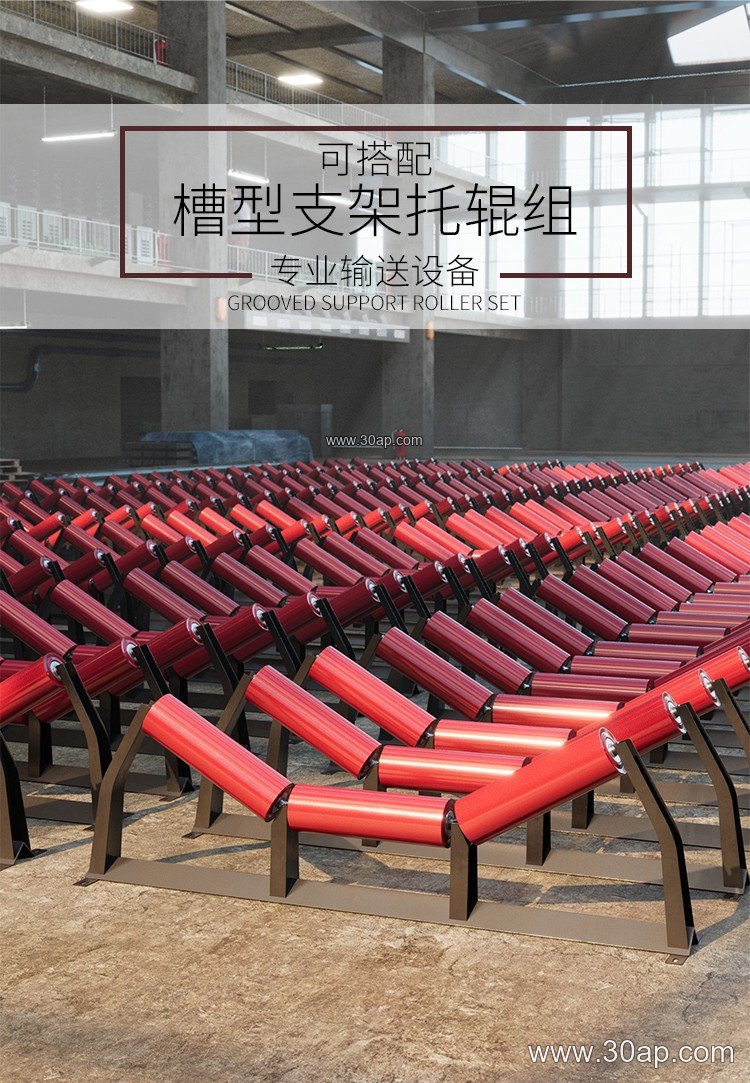
In a cement plant or a power plant coal yard, the same bracket may sit under a belt that receives clinker or coal from a crusher. Here, a flame retardant conveyor belt or an EP conveyor belt is common, and the impact bracket must be aligned so the belt does not rub against the bracket arms. In a port or ship loading facility, the bracket may be part of a longer impact zone with several rows of rollers.
Selection and Maintenance Notes
Buyers should confirm four things before ordering: the belt width, the required trough angle, the roller diameter, and the mounting hole pattern. An adjustable bracket is useful when the conveyor may be modified later, while a fixed bracket is simpler and often stiffer. For a crusher conveyor belt or a heavy-duty mining conveyor belt, a reinforced bracket with extra gussets is usually preferred.
During maintenance, check for loose bolts, bent arms, and worn roller seats. A bracket that has shifted can cause the belt to mistrack, which in turn wears the edge of a rubber conveyor belt or a fabric core conveyor belt. Replacing a bent impact idler bracket early is cheaper than replacing a damaged belt. Keep a spare bracket on hand for critical transfer points in a coal mining conveyor belt system or an ore conveyor belt line.
For related conveyor components, see the conveyor bracket and idler roller range at ppfconveyor.com, and review conveyor pulley options at ppfconveyor.com for drive and tail positions. A conveyor belt supplier can also advise on matching the impact zone to the belt type, whether it is an NN conveyor belt or a steel cord conveyor belt.