What a Sealed Idler Does on a Conveyor
A sealed idler is a carrying or return roller whose bearing housing is closed off against dust, water and fine grit. Instead of an open bearing cap, the roller uses a sealing arrangement, often a combination of a labyrinth ring, a felt or rubber lip seal and a grease-filled cavity. On a conveyor belt line, the idler roller supports the belt and the load, and the seal is what keeps the bearing turning freely after months of exposure. In a quarry, a cement plant or a coal handling system, the difference between a well-sealed roller and an open one usually shows up as a seized roller, a scored belt edge and unplanned stoppages.
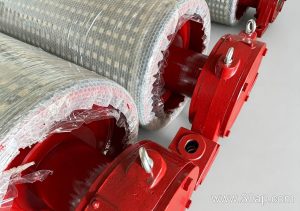
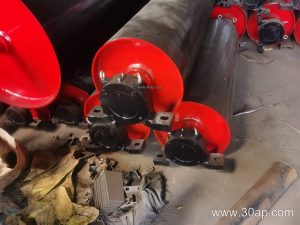
The sealed idler is still an idler, not a pulley. Drive pulleys, tail pulleys and bend pulleys transmit or redirect belt tension and are not interchangeable with idlers. A sealed roller simply carries the belt; it does not drive it.
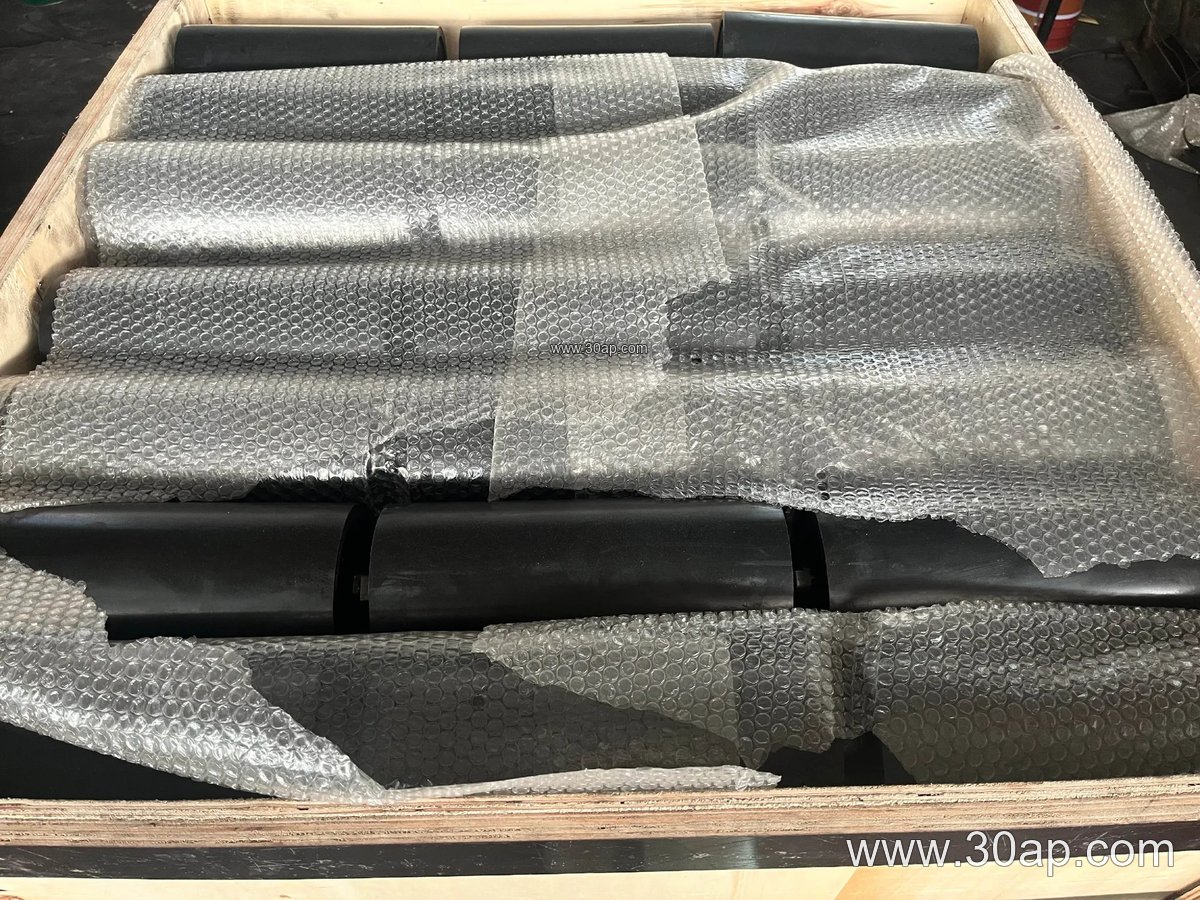
How the Sealing Is Built
A typical sealed idler combines several elements in one compact housing:
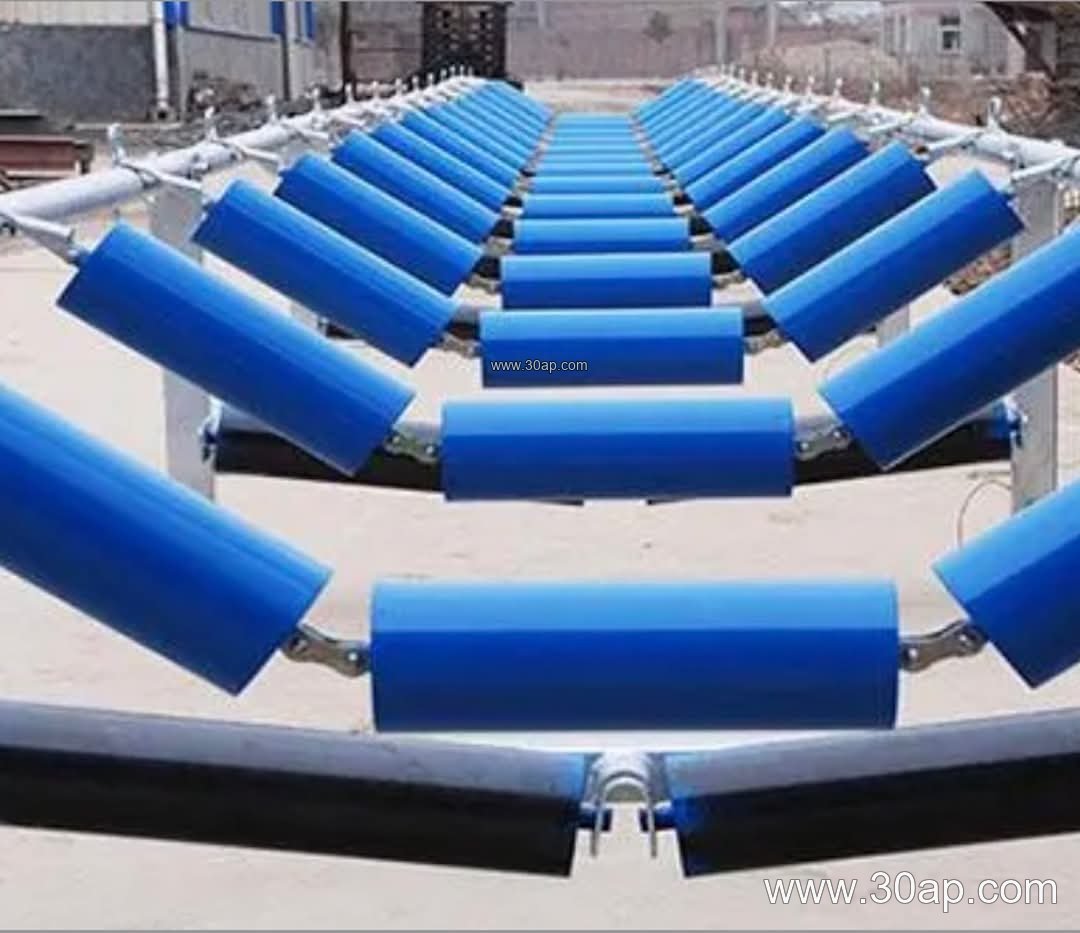
- A steel tube shell, often with a machined end face, in diameters such as Ø89, Ø108, Ø127, Ø133 or Ø159 mm.
- A bearing seat with a deep-groove ball bearing, commonly 6204, 6205, 6305, 6306 or 6308, selected by load and shaft design rather than by belt width alone.
- A multi-stage seal: a rotating labyrinth ring, a stationary cover, and a lip or felt seal behind it.
- A grease chamber that holds a small reserve and blocks the path of fine particles.
- A shaft, usually cold-drawn, with a fixed or spring-loaded mounting end that fits the conveyor bracket.
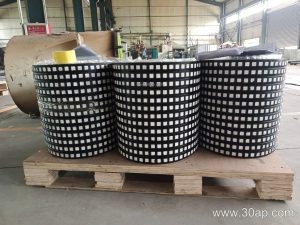
Some designs add a nylon or ceramic roller surface for sticky material, and some use rubber rings for impact zones. Those are surface choices; the sealing principle stays the same.
Where Sealed Rollers Earn Their Keep
The strongest case for sealing appears where dust is constant and moisture is present. In a limestone quarry or a sand and gravel line, fine dust mixes with rain or wash water and forms a paste that destroys an open bearing. In a coal washing plant, the same roller may see slurry splash and coal fines. In a power plant coal yard, a sealed idler on the return side helps keep the belt tracking steady when the weather turns. A cement plant handling clinker and raw meal also benefits, especially on transfer points where spillage is common.
The roller also suits lines carrying a heavy-duty mining conveyor belt or an abrasion resistant conveyor belt, where the belt itself is built for tough service and the idler should not be the weak point. On long overland runs with an EP conveyor belt or a steel cord conveyor belt, a failed roller can mark the belt cover, so seal quality matters as much as shell thickness.
Choosing Diameter, Length and Bearing Together
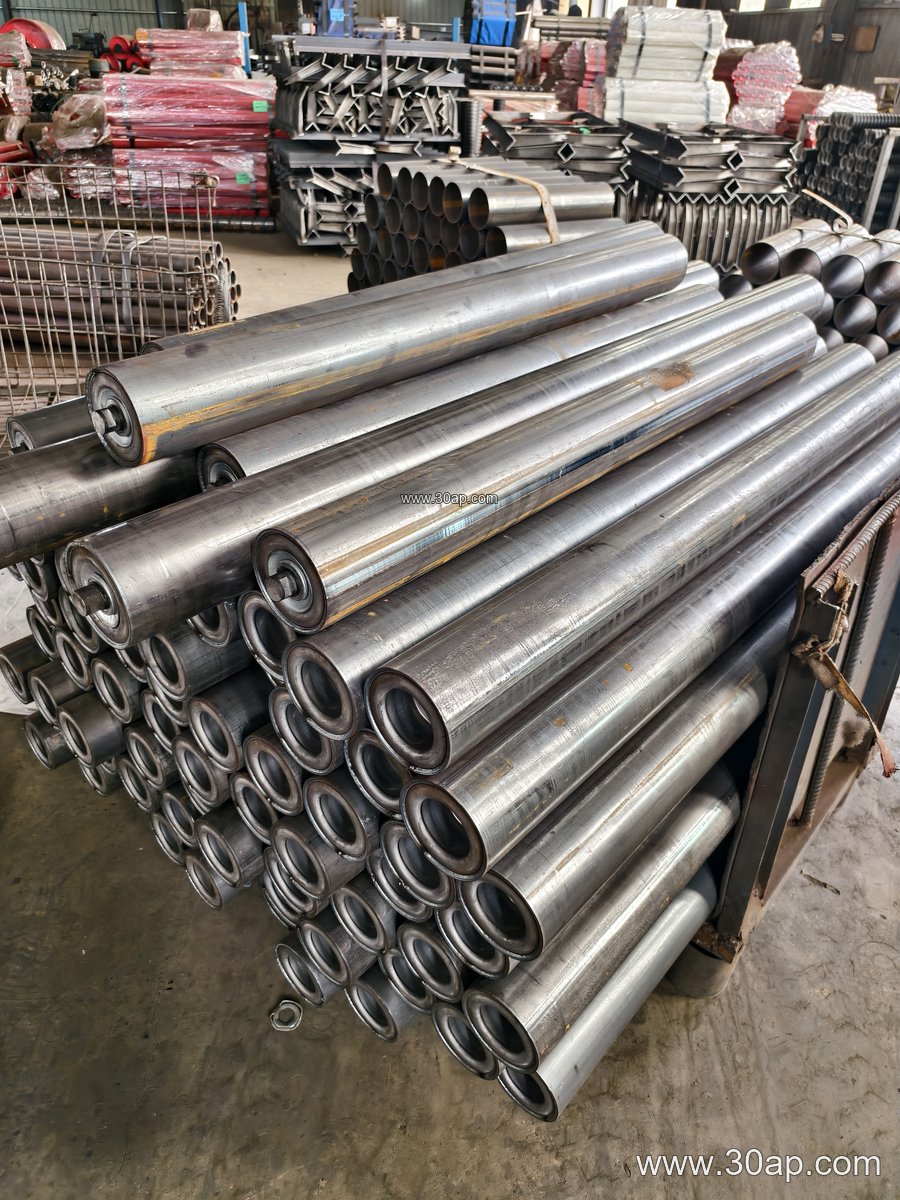
Roller size is a design decision, not a single formula. Belt width, trough angle, belt speed and load all influence the choice. The table below gives common reference values only; actual roller length depends on the trough configuration and the frame design.
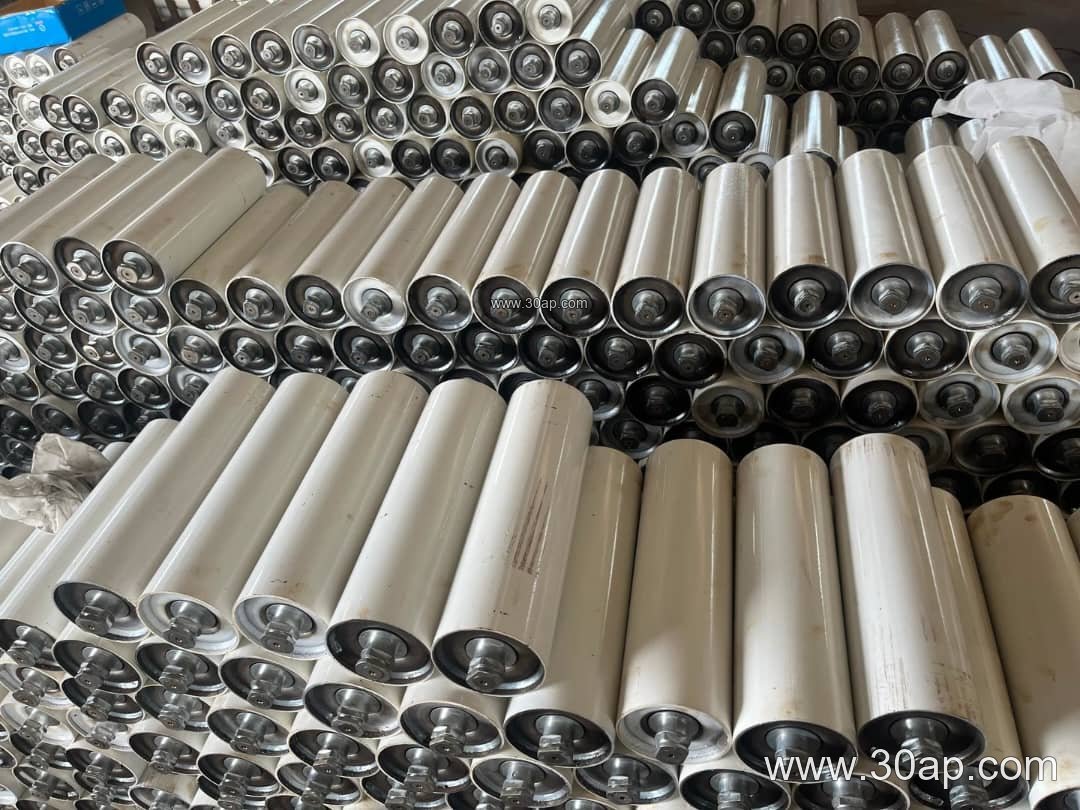
Reference Data for Sealed Idlers
| Item | Common Reference Values |
|---|---|
| Roller diameter | Ø63, Ø76, Ø89, Ø102, Ø108, Ø127, Ø133, Ø159, Ø178, Ø194, Ø219 mm |
| Belt width | B400, B500, B650, B800, B1000, B1200, B1400, B1600, B1800, B2000 mm |
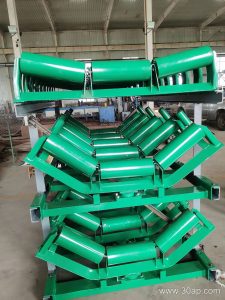
| Trough angle | 20°, 30°, 35°, 45° |
| Roller length, three-roll trough, examples | about 200 mm at B500, 250 mm at B650, 315 mm at B800, 380 mm at B1000, 465 mm at B1200, 530 mm at B1400, 600 mm at B1600 |
| Bearing | 6204, 6205, 6305, 6306, 6308, 6310 |
A wider belt does not automatically mean a larger shaft, and a 1200 mm wide conveyor belt does not lock the roller to one bearing size. The frame, the load per roller and the expected service life decide. Buyers should ask for the roller drawing, the seal type and the bearing brand or grade, then compare offers on those details.
Selection and Maintenance Notes
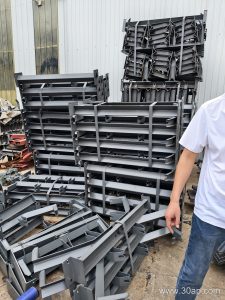
When specifying, match the seal to the environment first. A dusty quarry may need a labyrinth plus felt seal; a wet coal plant may need a lip seal with good grease retention. Check that the roller end fits the existing conveyor bracket, and confirm the trough angle so the side rollers sit correctly under the belt. For impact areas near a crusher, a rubber-ring impact roller may be a better choice than a standard sealed roller, but it is still a separate subtype and should not be confused with the carrying idler.
During operation, listen for squealing and watch for a roller that stops turning. A sealed unit that has lost its seal will usually heat up before it fails. Keep the belt aligned, avoid over-tensioning, and replace rollers in matched sets where tracking is sensitive. On a line handling an oil resistant conveyor belt or a heat resistant conveyor belt, confirm that the roller seal and grease are compatible with the local temperature and any oil mist. A well-chosen sealed idler will not fix a misaligned frame, but it will remove one common cause of downtime in mining, cement and bulk material handling.