What a Belt Conveyor Bracket Does on the Line
A belt conveyor bracket is the steel support that carries idler rollers at the correct height, spacing and trough angle along a conveyor frame. In a quarry, coal preparation plant or cement plant, the bracket is the quiet link between the structure and the rotating parts: it locates the idler roller, sets the belt profile, and helps keep the conveyor belt tracking through loading and discharge zones. The same component is often called a conveyor idler bracket or idler support bracket, and it is distinct from the conveyor pulley, which drives or redirects the belt.
Because the bracket absorbs vibration and keeps roller alignment, its quality affects belt life, dust control and maintenance frequency. A loose or bent bracket can cause edge wear, spillage and premature roller failure, so it deserves more attention than its simple appearance suggests.
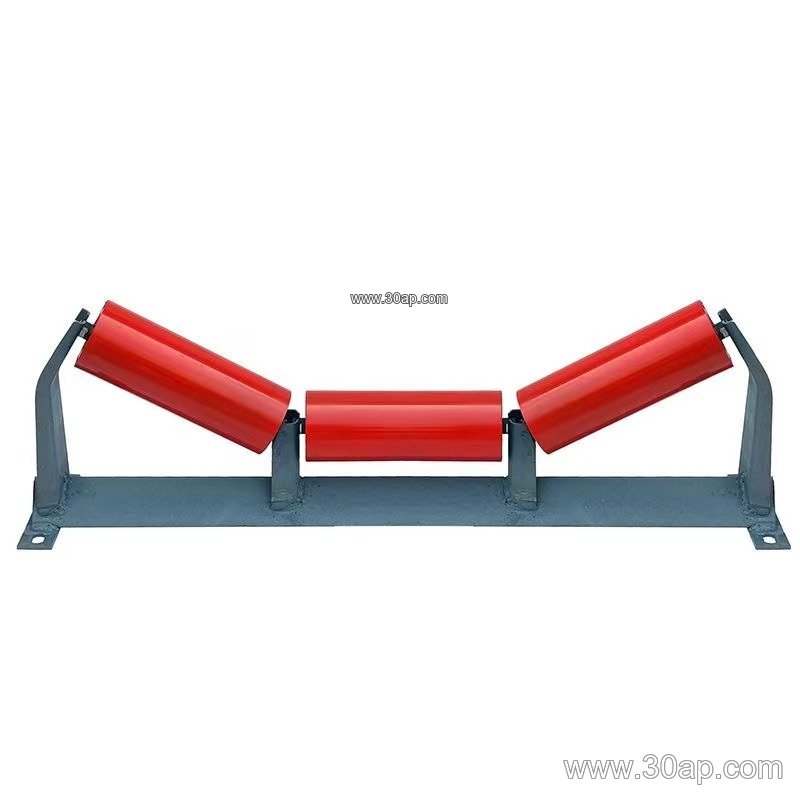
Construction and Common Configurations
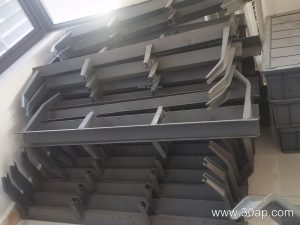
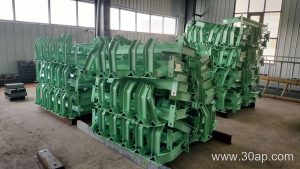
Most brackets are fabricated from angle steel, channel steel or folded steel plate, then drilled or slotted for mounting. The design usually follows the belt width, the required trough angle and the roller diameter. Common forms include:
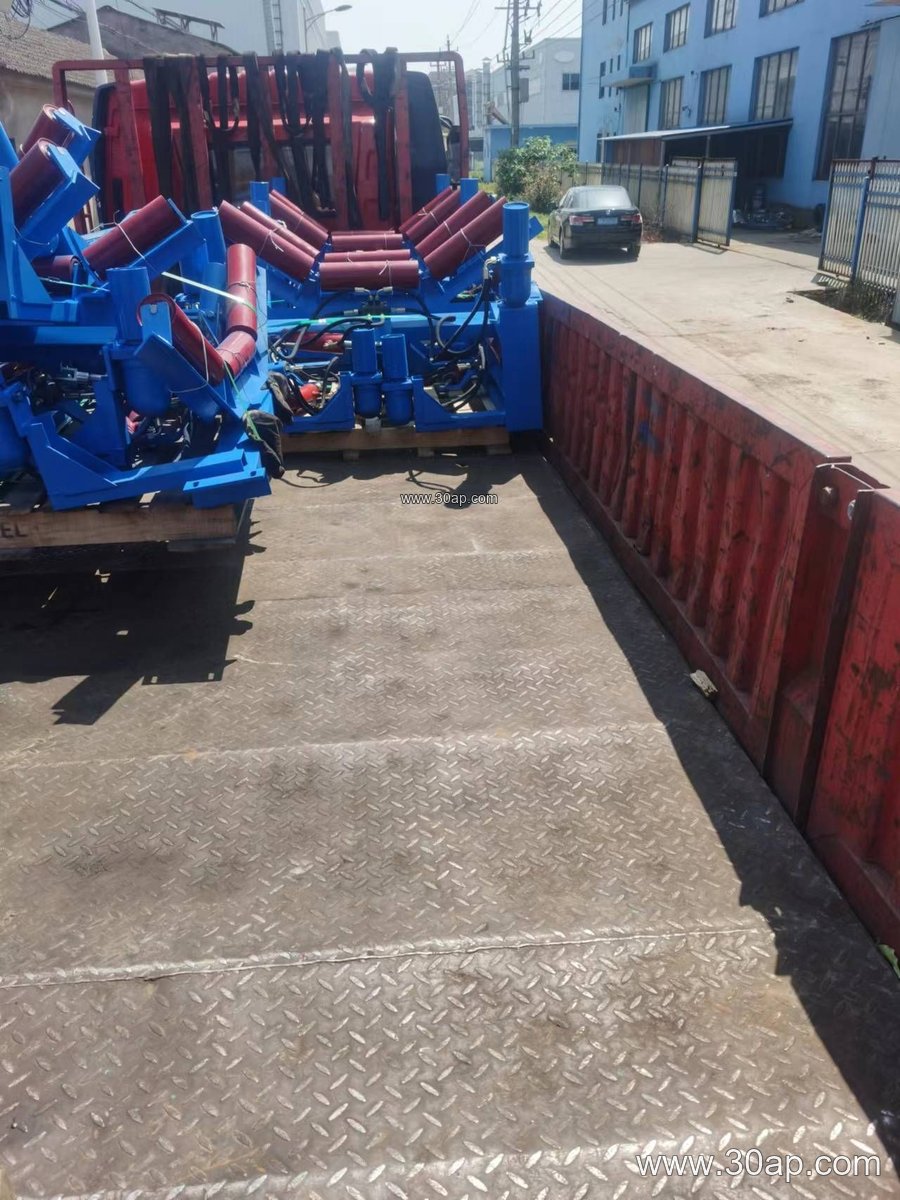
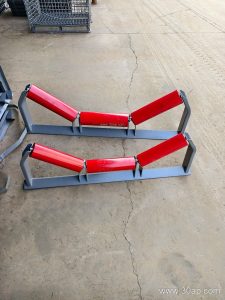
- Troughing brackets for carrying idlers, often set at 20, 30, 35 or 45 degrees
- Transition brackets near pulleys to ease the belt from flat to troughed
- Return brackets and V-return brackets for the lower run
- Impact brackets with cushioning for loader and transfer points
- Self-aligning brackets and forward-leaning brackets for tracking control
Adjustable brackets allow the trough angle to be changed within a range, while fixed brackets are welded or bolted to a set angle. Mounting hole spacing and crossbeam length vary with belt width and trough angle, so they should be confirmed against the conveyor drawing rather than assumed.
Typical Sizes and Reference Data
The table below shows reference combinations often seen in bulk handling projects. These are examples, not fixed rules; the final match depends on belt tension, load and frame design.
| Belt Width | Trough Angle | Idler Diameter | Typical Bracket Role |
|---|---|---|---|
| B500 | 20 degrees | Ø89 | Light-duty carrying support |
| B650 | 30 degrees | Ø89 | Sand and aggregate lines |
| B800 | 35 degrees | Ø108 | General bulk material conveying |
| B1000 | 35 degrees | Ø108 / Ø133 | Cement plant and power plant coal lines |
| B1200 | 45 degrees | Ø133 | Heavy-duty mining and port service |
| B1400 | 35 degrees | Ø159 | High-capacity ore and rock handling |
| B1600 | 45 degrees | Ø159 / Ø194 | Large transfer and stockyard conveyors |
| B1800 | 35 degrees | Ø194 | Wide belt, heavy load support |
| B2000 | 45 degrees | Ø194 | Extra-wide bulk handling frames |
Forward-leaning brackets are commonly set around 1.5 to 2 degrees to encourage self-centering. The bracket must still match the roller shaft and frame hole pattern; a wide belt does not by itself dictate one shaft diameter.
Where It Fits in the System
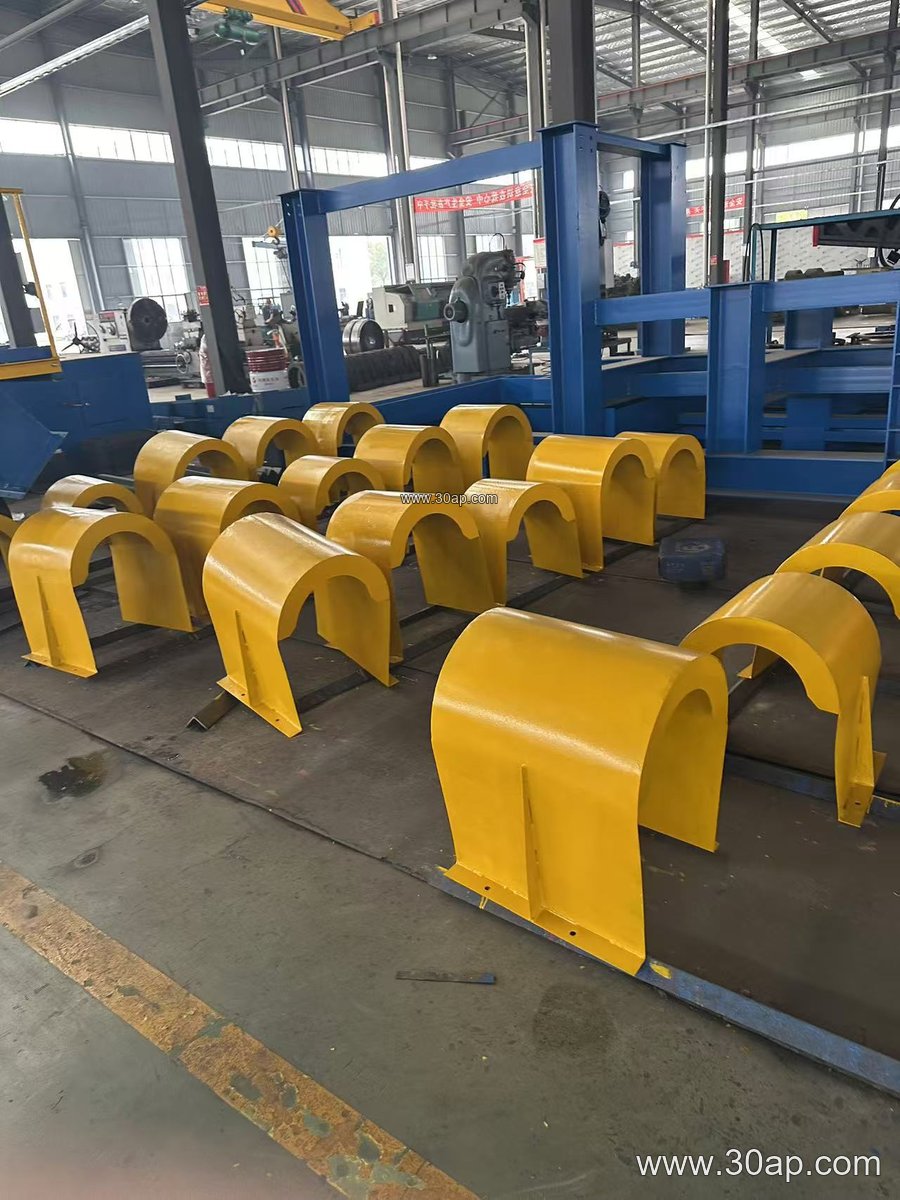
In a limestone mine or crushing and screening line, troughing brackets sit under the carrying run and support the conveyor belt as it moves crushed rock. Return brackets hold the belt on the lower run, while impact brackets protect the belt at the loading point. At a coal-fired power plant, flame retardant and anti-static belt grades are often used, and the brackets must keep idlers aligned so that dust and coal fines do not build up along the frame.
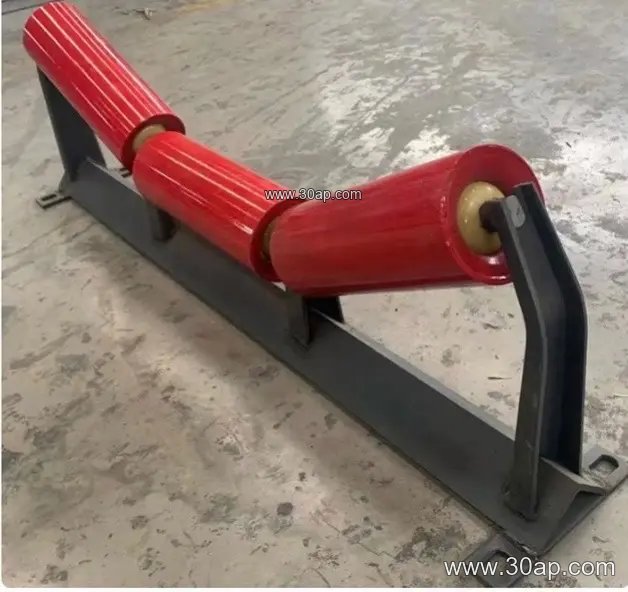
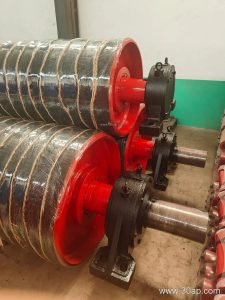
In a port or steel plant, heavy-duty brackets work with large pulleys and high-tension belts. The bracket itself does not tension or drive the belt; that is the job of the take-up and the drive pulley, tail pulley or bend pulley. Keeping those roles separate helps maintenance teams diagnose tracking faults correctly.
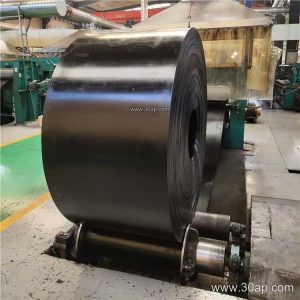
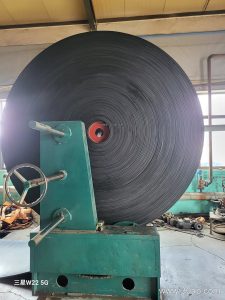
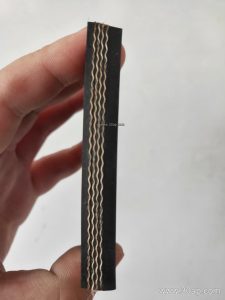
For spares planning, buyers often review the bracket together with the idler roller, conveyor pulley and belt specification. A fabric core belt such as an EP conveyor belt or NN conveyor belt may call for different roller spacing than a steel cord conveyor belt, and an abrasion resistant conveyor belt in a quarry may need closer inspection of bracket alignment to avoid edge damage.
Buyer Checklist Before Ordering
- Confirm belt width, trough angle and roller diameter from the conveyor drawing
- State whether the bracket is fixed or adjustable, and the required adjustment range
- Check mounting hole spacing, crossbeam length and frame connection details
- Match the bracket material and finish to the site environment, such as wet coal or dusty limestone
- Ask for a dimensional drawing so the bracket can be checked against existing idlers and pulleys
- Plan spare brackets for transition and impact zones, where loads are highest
For more information on matching brackets with conveyor belts, idlers and pulleys, visit beltconveyorbracket.com and review the full conveyor component range before finalizing the inquiry.