What a 1600mm Diameter Conveyor Pulley Is
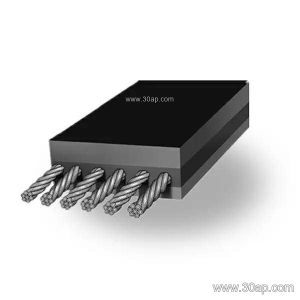
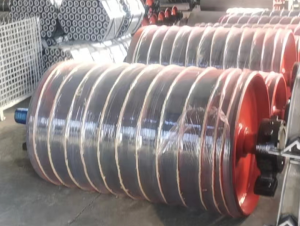
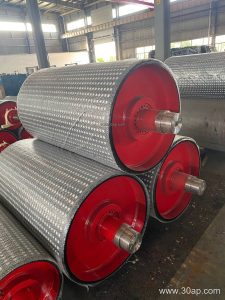
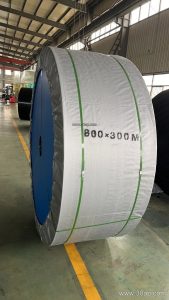
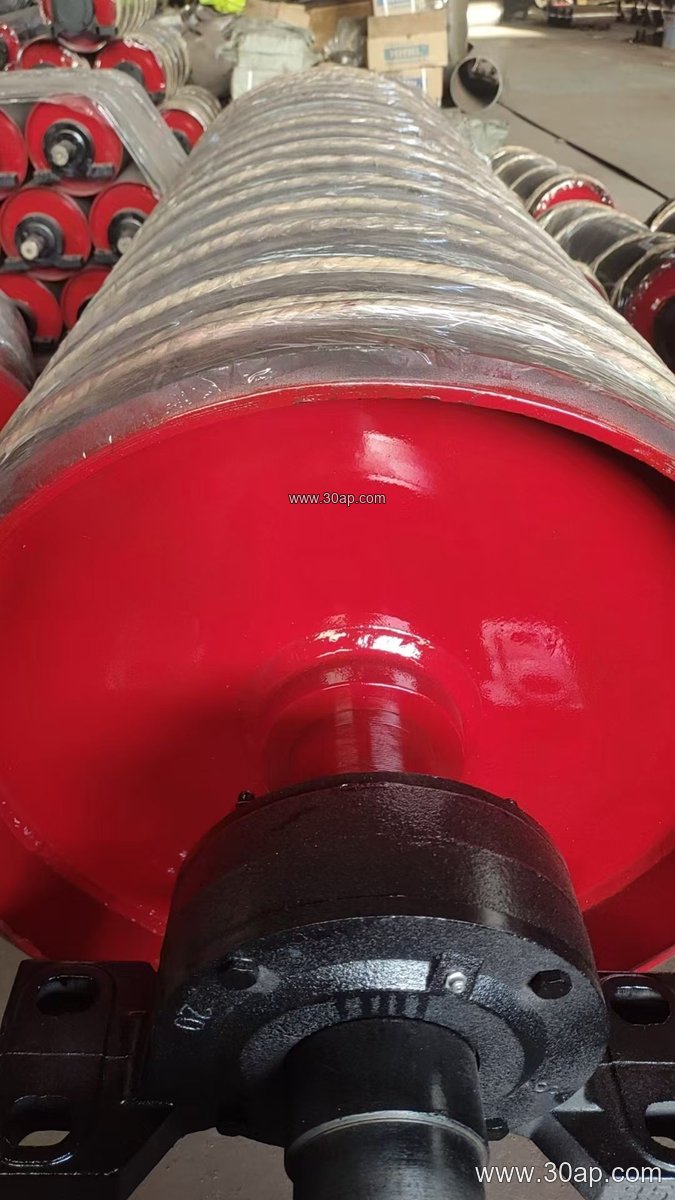
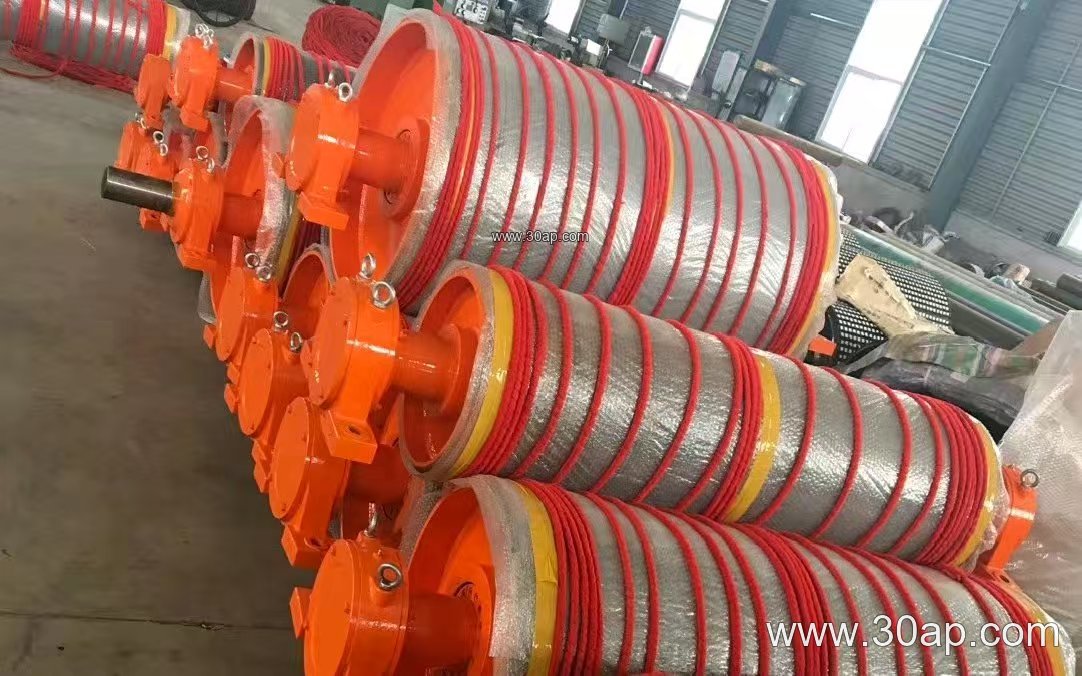
A 1600mm diameter conveyor pulley is a large, heavy-duty drum that turns the conveyor belt at a transfer point, drive station, or return end. At this diameter the pulley is normally a welded steel shell with machined end discs, a shaft, bearing housings, and a lagged surface. It is used where belt tensions are high, where the belt is wide, or where the pulley must carry a substantial share of the total power. In a coal mining conveyor or an iron ore line, a drum of this size often works alongside a steel cord conveyor belt and a set of heavy conveyor idler rollers.
Diameter is only one dimension. The same 1600mm drum can be built for different belt widths, shaft sizes, and lagging, so the drawing and duty data matter more than the number alone.
How the Drum Is Built
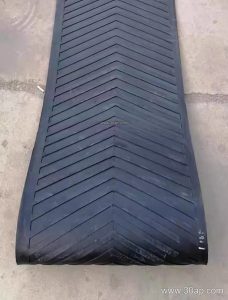
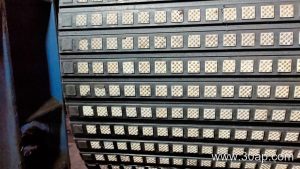
The shell is usually rolled from steel plate and welded to end discs, then machined so the face runs true. The shaft is fitted by shrink fit or keyed connection, and the whole assembly is balanced before lagging. Common surface options include plain finish, hot vulcanized rubber, cold bonded rubber, diamond lagging, herringbone lagging, and ceramic lagging. Lagging thickness is often 8, 10, 12, 15, or 20 mm, chosen for grip and wear rather than appearance.
- Shell and end discs welded and machined
- Shaft sized by torque and bearing load, not by belt width
- Bearing housings and seals matched to the duty
- Lagging selected for friction, abrasion, or cleaning
For a drum this large, the shaft diameter is normally confirmed by the pulley designer. Values such as Ø160, Ø180, or Ø200 mm may appear in heavy applications, but they follow load calculations, not a fixed rule.
Where It Fits in the Conveyor
The 1600mm diameter conveyor pulley is most often seen as a drive or head pulley on wide, high-capacity belts. It can also serve as a tail pulley or a bend pulley where the belt path needs a large turning radius. A large diameter reduces bending stress in the belt and helps with thick, stiff carcasses such as an EP conveyor belt or a high-strength fabric core belt. In a limestone quarry or a cement plant clinker line, the same drum may be paired with an abrasion resistant conveyor belt and a skirted conveyor belt at the loading point.
Drive, tail, and bend pulleys are not interchangeable. A drive pulley transmits torque through lagging friction; a tail pulley mainly supports and guides the belt; a bend pulley changes direction. Each position calls for its own bearing arrangement and surface treatment.
Typical Sizes and Matching Data
The table below shows common reference values. They are not fixed combinations, and a buyer should confirm every line against the conveyor design.
| Item | Common Reference |
|---|---|
| Pulley diameter | Ø1600 mm |
| Belt width range | B1200, B1400, B1600, B1800, B2000 |
| Face width example | B1400 about 1600 mm; B1600 about 1800 mm |
| Lagging thickness | 8, 10, 12, 15, 20 mm |
| Shaft diameter | By torque and load, e.g. Ø160, Ø180, Ø200 mm |
| Surface forms | Plain, rubber lagging, diamond, ceramic |
A B1600 belt does not automatically require one shaft size, and a 1600mm drum does not limit the belt to one width. Matching is a design decision based on tension, wrap angle, and starting torque.
Buyer Checklist
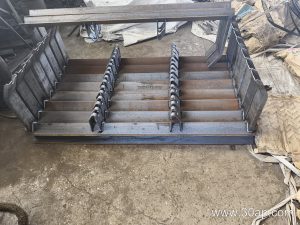
Before ordering, confirm the belt width, the pulley position, the required lagging, the shaft and bearing details, and the environment. A drum working in a power plant coal yard may need flame retardant conveyor belt compatibility and good grip on a dusty surface, while a port bulk handling line may prioritize abrasion resistance and easy lagging replacement. Ask for the balancing report, the welding and machining records, and the bearing specification. Also check how the pulley will be installed with the conveyor bracket and whether the take-up travel is enough for a drum of this size.
Maintenance is mostly about lagging wear, bearing condition, and shaft alignment. Inspect the lagging for grooves or glazing, check the bearings for heat and noise, and keep the belt tracking correct so the edges do not rub the drum face. A well-matched 1600mm diameter conveyor pulley can run for years in a mine, quarry, or bulk terminal when the belt, idlers, and structure are kept in good order.