What a Trough Idler Set Does on a Conveyor
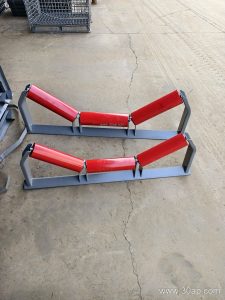
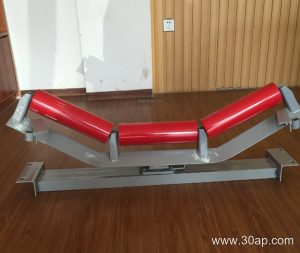
A trough idler set is the assembly of rollers and a frame that supports the carrying run of a conveyor belt and shapes it into a trough. The angled side rollers lift the belt edges, so bulk material sits in a valley instead of spilling over. This is the standard carrying arrangement on a heavy-duty mining conveyor belt, a quarry conveyor belt, and most bulk material conveyor belt systems in cement plants, power plant coal yards, and aggregate lines.
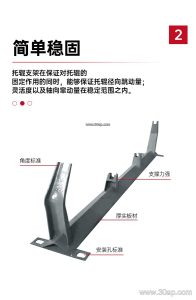
The set is not just a row of rollers. It usually includes two or three idler rollers, a bracket that fixes the trough angle, and the shaft and bearing housings that let each roller turn freely. On a three-roll set, the two side rollers carry most of the edge load while the center roller supports the middle of the belt.
How the Assembly Is Built
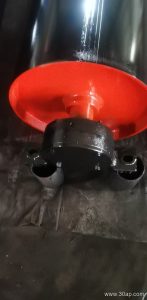
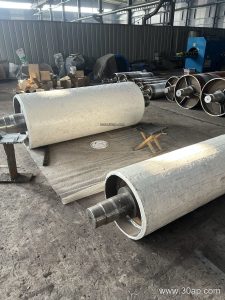
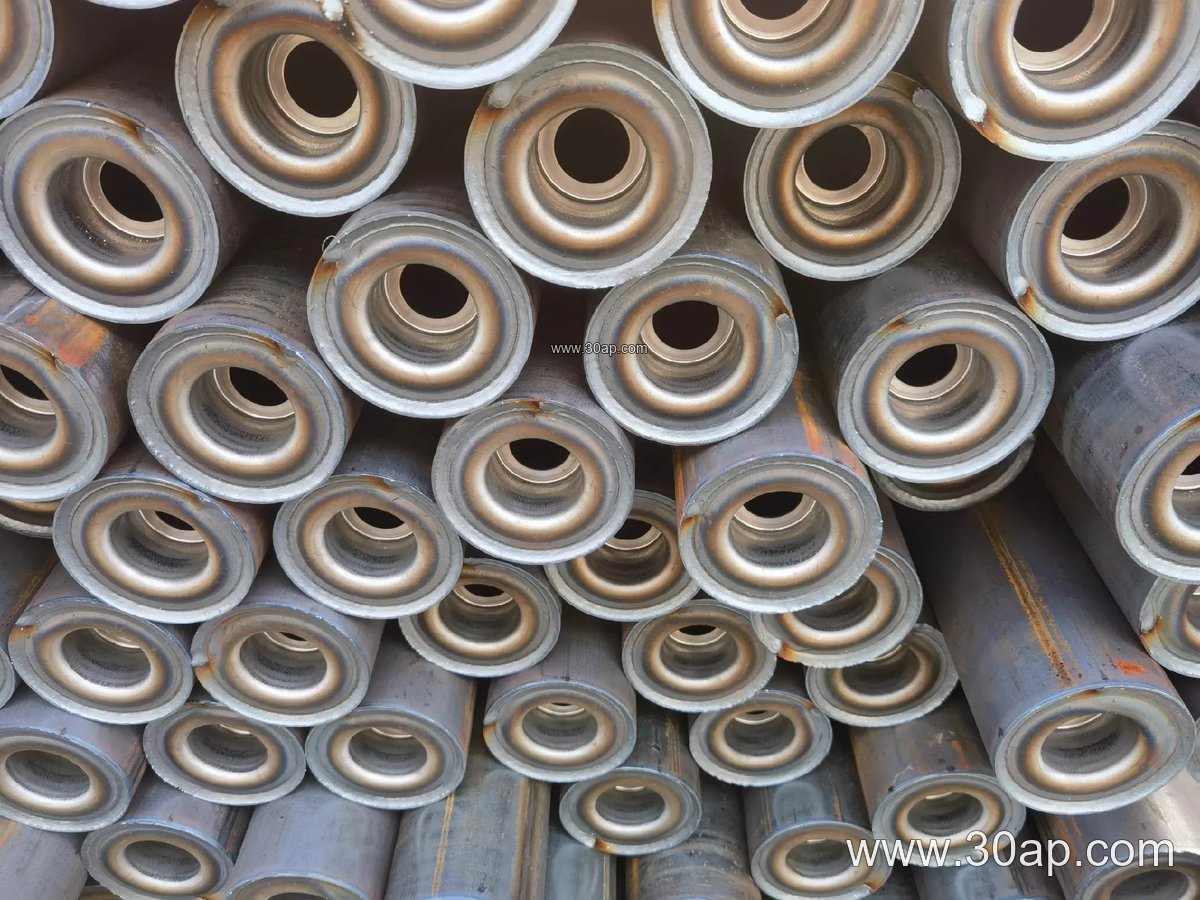
Each idler roller in the set has a steel tube shell, a shaft, bearing seats, and a seal. The shell may be plain steel, nylon-coated, ceramic-covered, or fitted with rubber rings where impact is heavy. Bearings such as 6204, 6205, 6305, 6306, 6308, and 6310 are common, but the bearing size must match the roller diameter and load design rather than a single belt width.
The bracket, sometimes called a conveyor bracket, sets the trough angle and holds the roller ends at the correct spacing. Trough angles of 20, 30, 35, and 45 degrees are common. A steeper angle deepens the trough and helps contain a wide, fast-moving belt, but it also raises edge stress and starting friction.
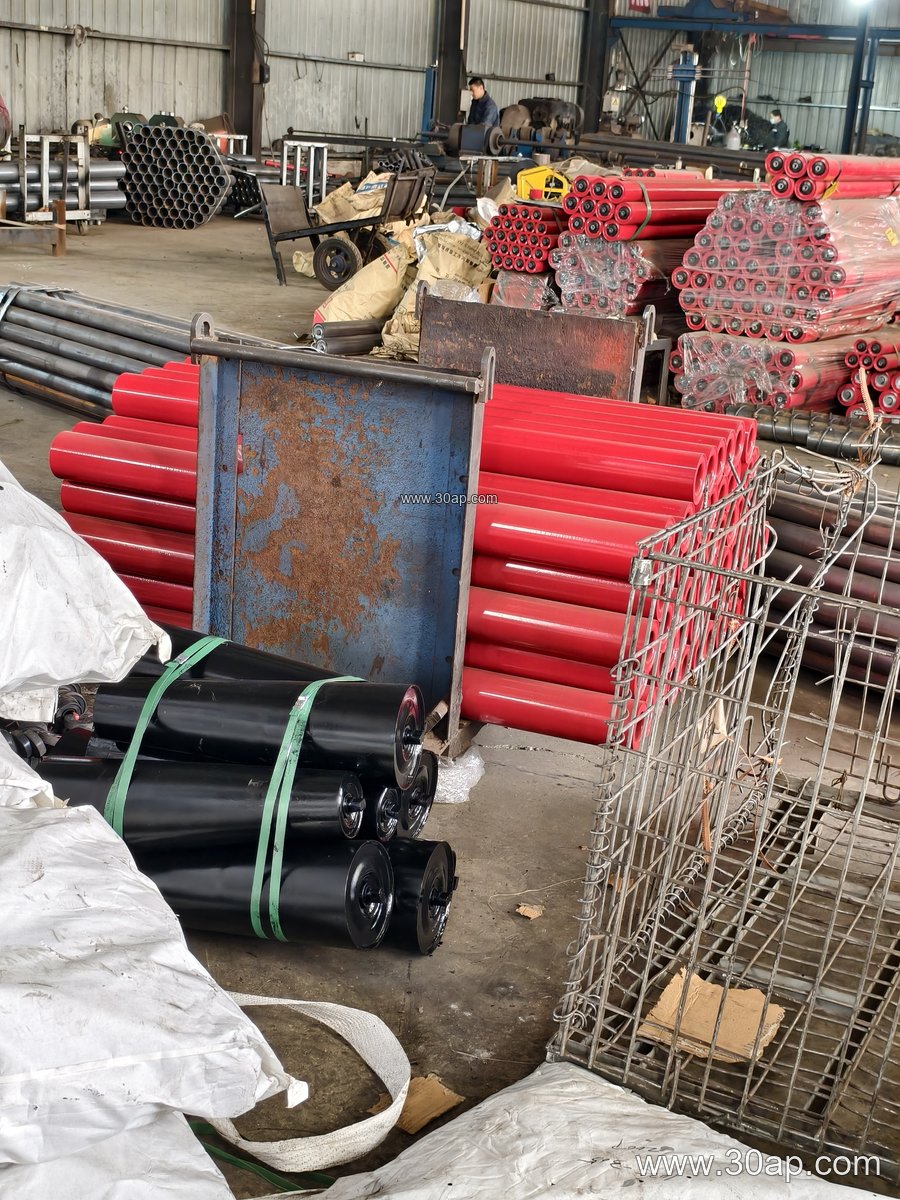
Roller length changes with belt width, trough angle, and set type. In three-roll trough sets, common center roller lengths are roughly 200 mm for B500, 250 mm for B650, 315 mm for B800, 380 mm for B1000, 465 mm for B1200, 530 mm for B1400, 600 mm for B1600, 670 mm for B1800, and 750 mm for B2000. Side rollers can differ from the center roller, so these are examples, not fixed matches.
Common Roller Diameters and Belt Widths
| Item | Typical Range |
|---|---|
| Roller diameter | Ø63, Ø76, Ø89, Ø102, Ø108, Ø127, Ø133, Ø159, Ø178, Ø194, Ø219 |
| Belt width | B400, B500, B650, B800, B1000, B1200, B1400, B1600, B1800, B2000, B2200, B2400 |
| Trough angle | 20°, 30°, 35°, 45° |
| Set form | Single roll, two roll, three roll trough |
Where Trough Idler Sets Are Used
In a limestone quarry or stone crushing line, trough sets carry run-of-mine rock after the crusher, where impact and abrasion are both present. In a coal preparation plant or power plant coal yard, flame retardant conveyor belt and anti-static conveyor belt are common, and the idler set must run smoothly to avoid heat buildup. Cement plants use them on clinker and raw meal lines, while iron ore and copper ore operations rely on heavy-duty conveyor belt and abrasion resistant conveyor belt in the load zone.
The same carrying set appears at a port ship loading conveyor, in a fertilizer plant, and on tunnel spoil removal lines. The belt type changes, but the job of the trough idler set stays the same: hold the belt in a stable trough and let it roll with low resistance.
Selection Points for Buyers
- Match the set to the belt. Confirm belt width, trough angle, and whether the line uses an EP conveyor belt, NN conveyor belt, steel cord conveyor belt, or a multi-ply fabric core conveyor belt. Belt stiffness affects how well it seats in the trough.
- Check the load zone. Where lumps fall directly onto the belt, use impact idler sets or rubber ring cushion rollers instead of standard carrying rollers. This protects both the belt cover and the roller shell.
- Confirm roller diameter and bearing. Larger diameters suit high belt speeds and heavy loads. Do not assume a shaft diameter from belt width alone; ask for the drawing.
- Review sealing. Dust, water, and fine grit shorten bearing life. Good labyrinth seals matter in cement, quarry, and coal dust environments.
- Consider alignment. On long conveyors, a self-aligning idler set can help keep the belt centered, especially where loading is uneven.
For a new project, the trough idler set should be specified together with the conveyor pulley arrangement, the conveyor bracket layout, and the belt tension. A set that is too light for the belt will wear quickly; one that is oversized adds cost and weight without benefit.
Maintenance and Replacement Notes
Inspect rollers for seized bearings, worn shells, and missing rubber rings. A dragging idler roller raises belt friction and can damage the belt cover. Replace complete sets where the bracket is bent, because a distorted frame changes the trough angle and causes belt misalignment.
Keep spare sets sized to the actual belt width and roller diameter on each conveyor. In a busy sand and gravel plant or a steel plant sinter line, having the right trough idler set on the shelf reduces downtime when a roller fails.