What a Bend Rubber Lagged Pulley Does
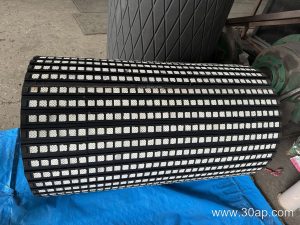
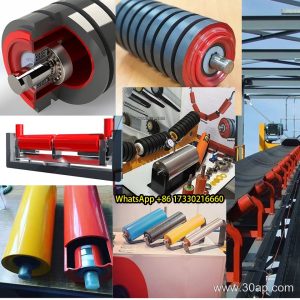
A bend rubber lagged pulley is a direction-changing pulley used in belt conveyor systems where the belt must be routed around an obstruction or follow a longer path. Unlike a drive pulley that transmits power or a tail pulley that sets belt tension at the loading end, this pulley simply redirects the conveyor belt. The rubber lagging on its shell improves grip and protects both the pulley surface and the belt back. In a typical aggregate conveyor line, you might see one on a return run to clear a structural column or to align the discharge point with a stockpile.
Construction and Lagging Options
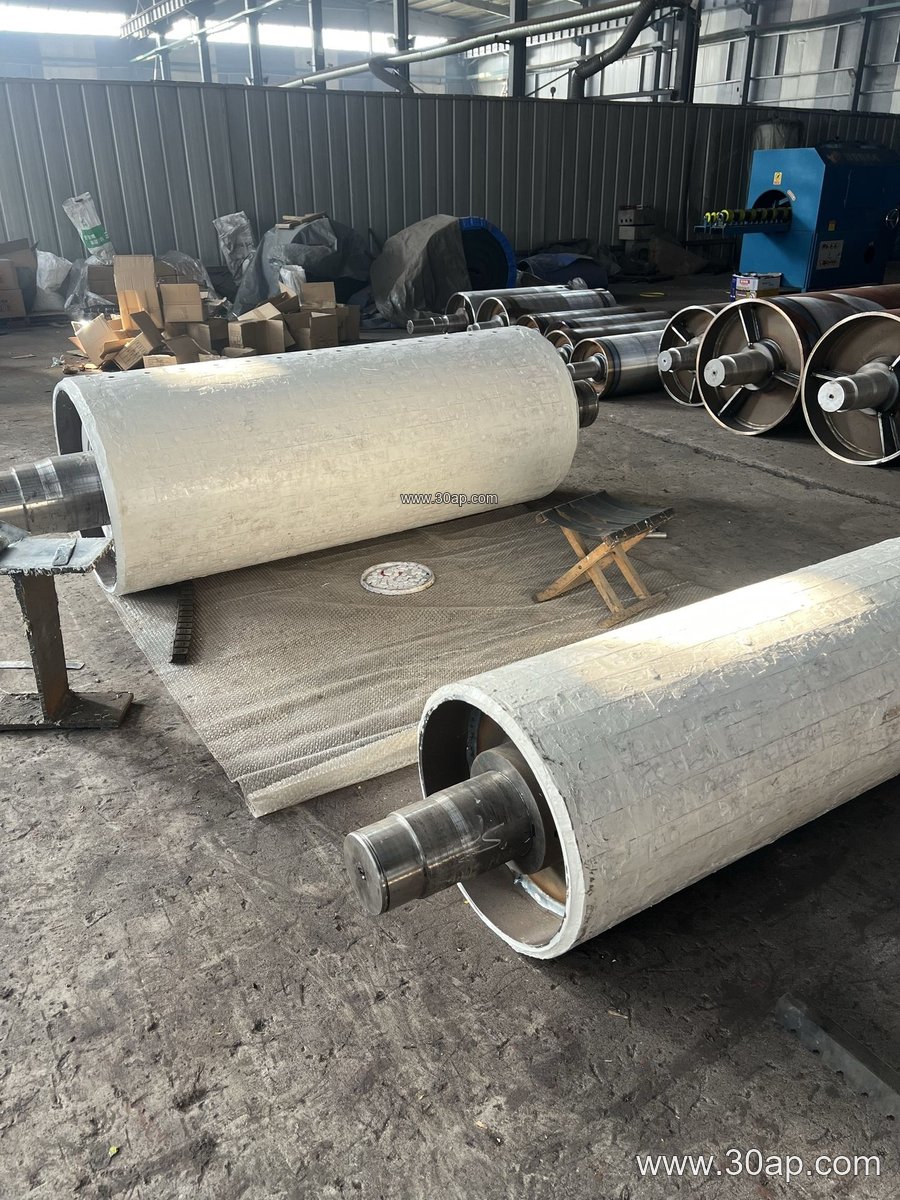
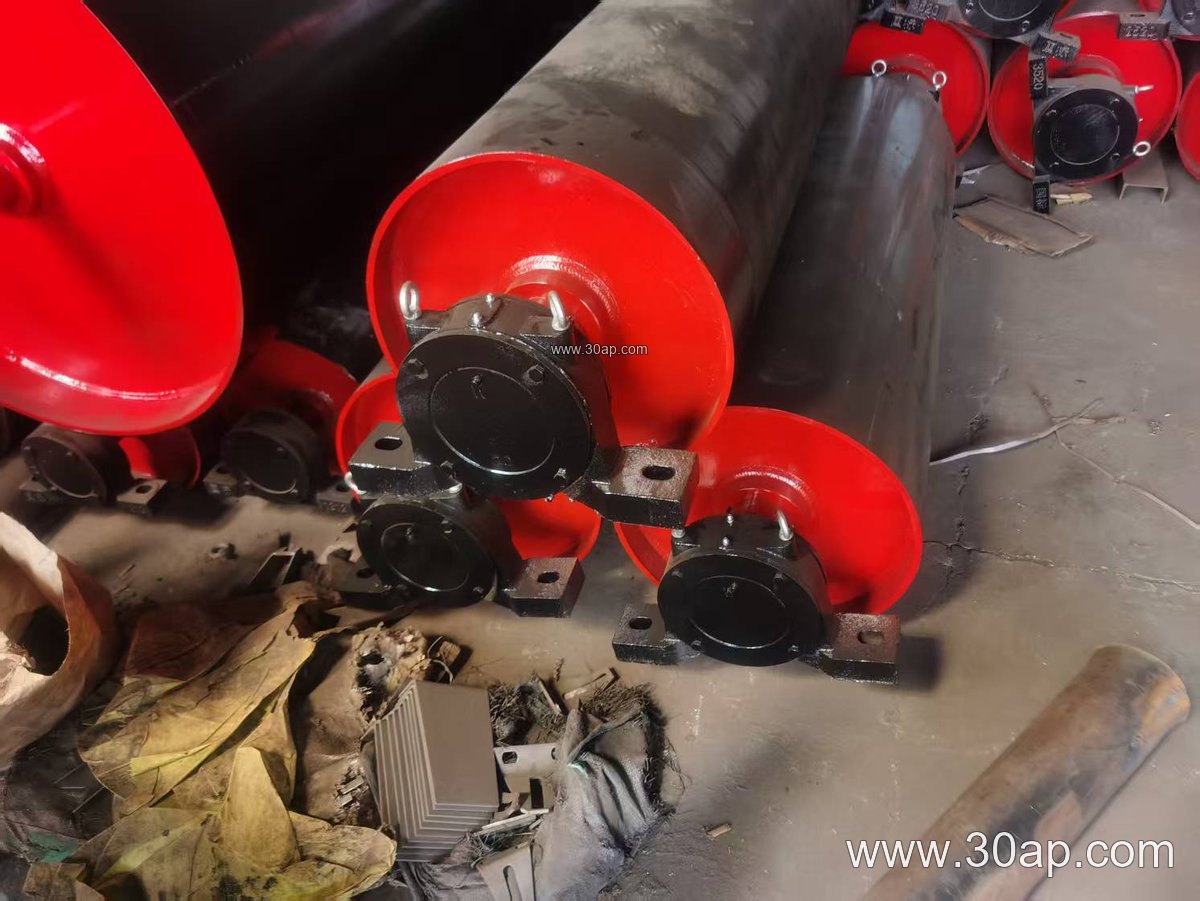
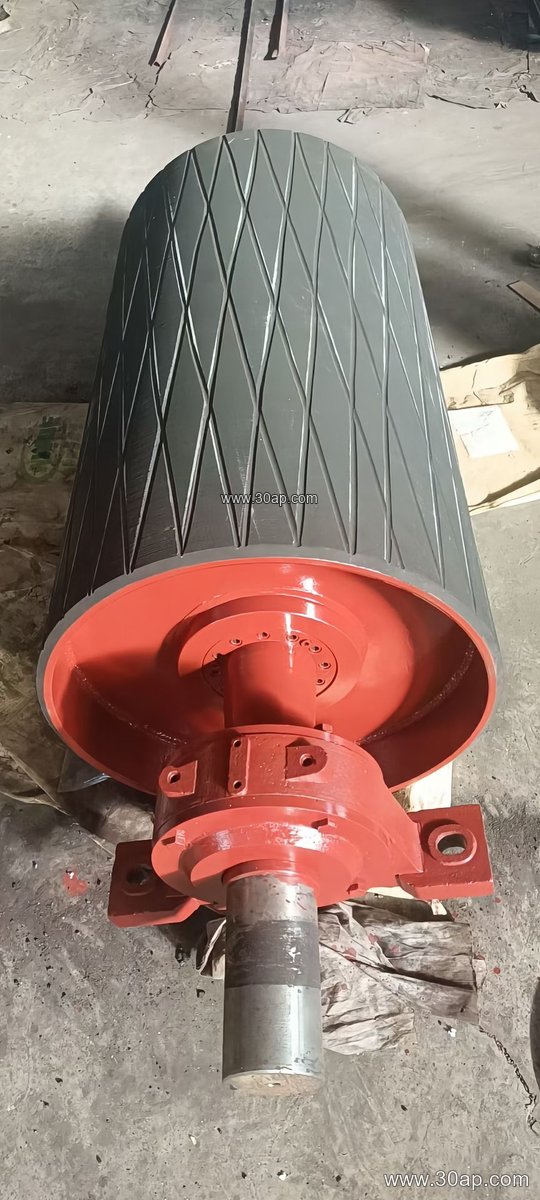
The base is a steel drum with a shaft, bearings, and end discs. Rubber lagging is applied either as cold-bonded sheet, hot-vulcanized rubber, or cast rubber. Surface patterns include plain, diamond, and herringbone. For a bend pulley, diamond lagging is often chosen because it sheds water and fines while maintaining friction. Lagging thickness commonly ranges from 8 mm to 20 mm. The pulley face width is usually slightly wider than the belt it guides. For example, a B800 conveyor belt might run on a pulley with a face width around 950 mm, but the exact dimension is set by the conveyor designer. Shaft diameter is determined by torque and load, not by belt width alone; common shaft sizes include Ø80, Ø100, and Ø120, but these are reference values only.
Where It Fits in the Conveyor Layout
This pulley is not a substitute for a drive pulley, tail pulley, or take-up pulley. It appears at bend stations, often between the head and tail, to change belt direction without changing tension significantly. In a coal mining conveyor, a bend pulley may route the belt around a transfer tower. In a cement plant, it might help the belt follow a curved gallery. The rubber lagging is especially useful when the belt carries abrasive dust or when the return belt is slightly misaligned. It also reduces the risk of belt slippage on the pulley face, though it does not replace proper belt tracking and tensioning.
Matching the Pulley to the Belt and Application
Buyers should consider belt type, load, and environment. A heavy-duty mining conveyor belt with high tension may need a larger diameter and thicker lagging than a lighter aggregate conveyor belt. For a steel cord conveyor belt, the pulley diameter is often larger to limit bending stress. A fabric core conveyor belt such as an EP conveyor belt or NN conveyor belt can work with smaller diameters, but the designer still checks the belt’s minimum pulley diameter. In dusty or wet conditions, diamond lagging helps. In oily environments, oil resistant rubber lagging may be preferred. The table below shows common combinations for reference, not fixed rules.
| Belt Width (mm) | Common Pulley Face Width (mm) | Example Diameter Range (mm) |
|---|---|---|
| B500 | ≈600 | Ø250–Ø400 |
| B800 | ≈950 | Ø315–Ø500 |
| B1200 | ≈1400 | Ø500–Ø800 |
| B1600 | ≈1800 | Ø630–Ø1000 |
Note that a B1200 belt does not automatically require a Ø1000 pulley; the diameter depends on belt tension, speed, and space. Bearings and shaft size must be selected by the conveyor designer. For quick reference, a B1200 × Ø1000 bend rubber lagged pulley might appear in a quarry conveyor, while a B800 × Ø500 unit could serve a smaller sand and gravel line. These are examples, not universal pairings.
Installation and Maintenance Notes
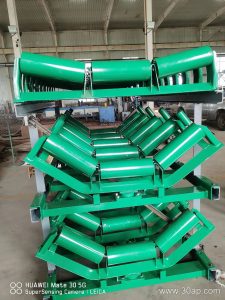
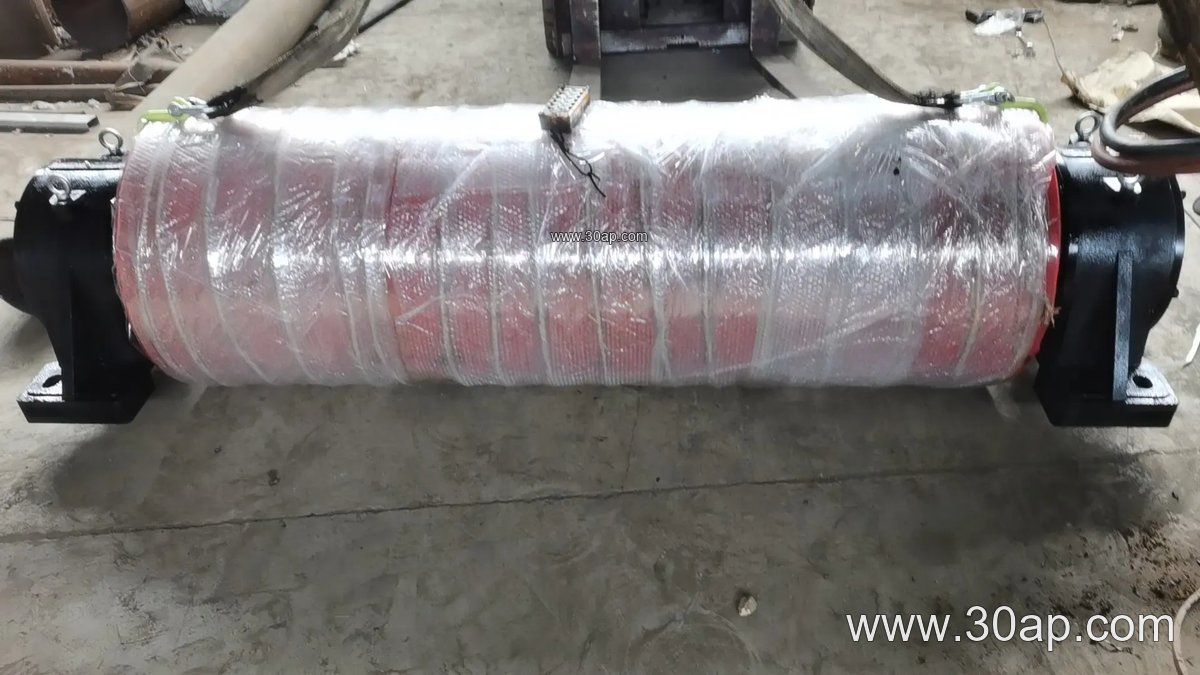
Proper alignment is critical. The pulley shaft should be parallel to the adjacent pulleys, and the belt should run centered. Check lagging wear periodically; worn or glazed lagging reduces friction and can cause belt slip. Keep the pulley area free of buildup, especially in coal mining conveyor or cement plant conveyor service. Lubricate bearings according to the manufacturer’s schedule. If the lagging shows deep grooves or chunking, replacement is usually more economical than repair. Also inspect the conveyor bracket and idler roller alignment nearby, since a misaligned bracket can put extra side load on the bend pulley.
Buyer Checklist
- Confirm belt width and belt type (e.g., EP conveyor belt, steel cord conveyor belt, flame retardant conveyor belt).
- Specify pulley diameter based on belt minimum pulley diameter and space.
- Choose lagging pattern and thickness for the environment (diamond for wet, plain for general).
- Provide shaft size and bearing type from the conveyor design, not from belt width alone.
- Check that the pulley is a bend pulley, not a drive or tail pulley, for the intended location.
For more information on conveyor pulleys and related components, visit our site at www.example.com/conveyor-pulley or www.example.com/bend-pulley. A well-chosen bend rubber lagged pulley helps keep the belt on track and reduces wear in mining, quarry, and bulk material handling operations.