What a Skirted Conveyor Belt Is
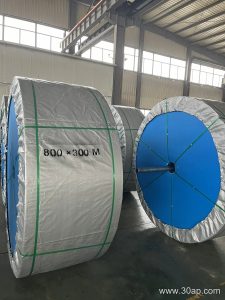
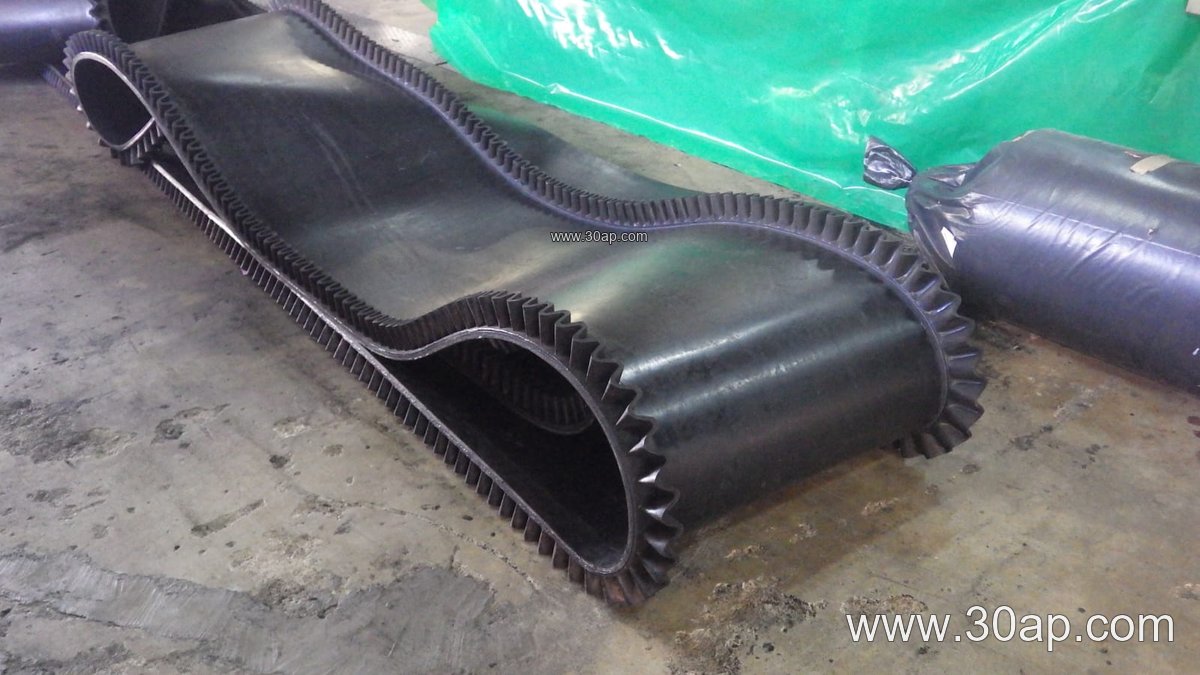
A skirted conveyor belt is a rubber conveyor belt with raised flexible sidewalls, often called skirts, that run along both edges of the carrying surface. These skirts contain bulk material and prevent spillage, making the belt a practical choice for inclined or horizontal transport where leakage would create housekeeping problems or safety risks. The product is also known as a corrugated sidewall conveyor belt when the skirt has a corrugated profile, but the skirted design remains the core concept.
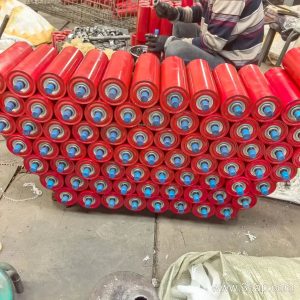
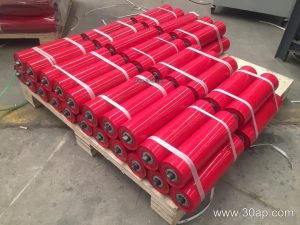
In mining, coal preparation, cement plants, power stations, and sand and gravel yards, a skirted conveyor belt helps keep coal, clinker, limestone, and aggregate on the belt. It works together with conveyor pulleys, idler rollers, and conveyor brackets to form a complete conveying system, but the skirted belt itself is the focus here.
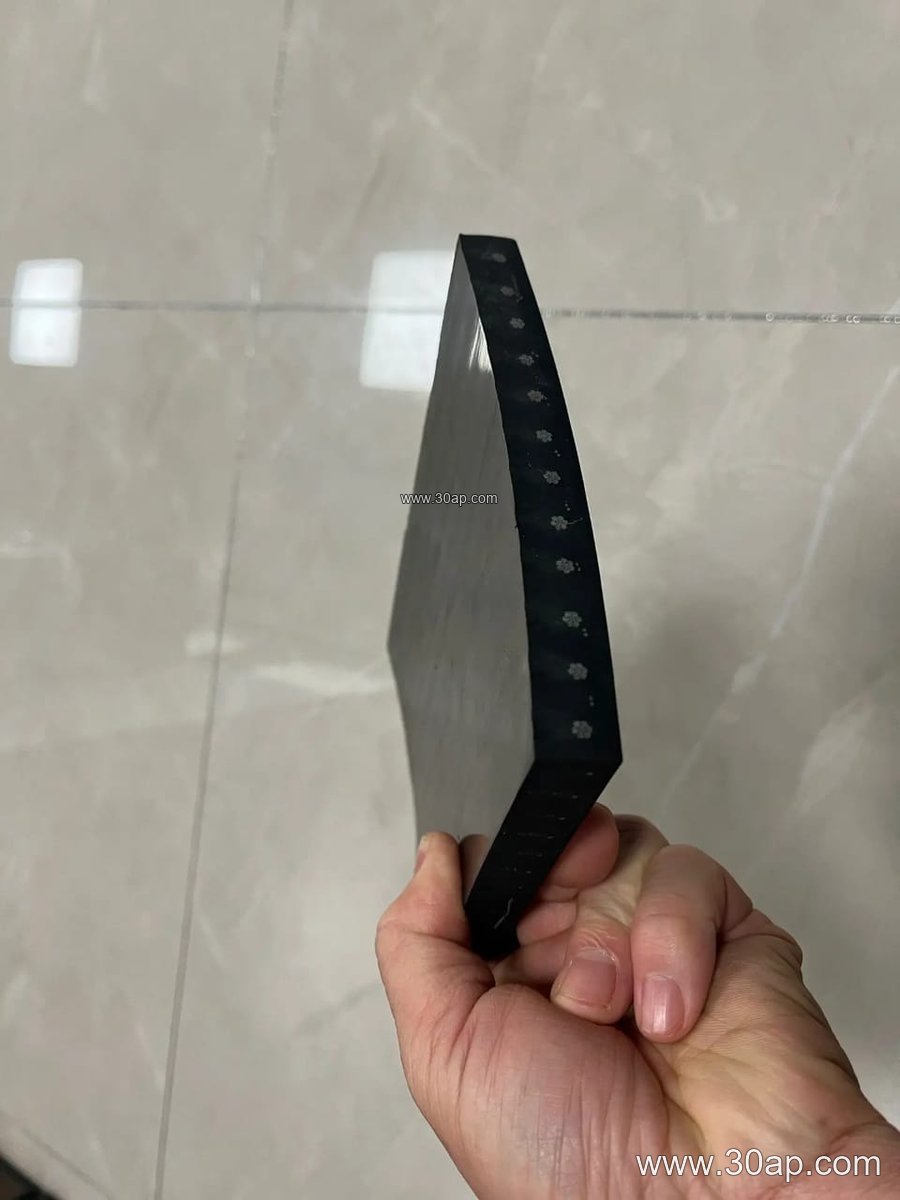
Construction and Key Components
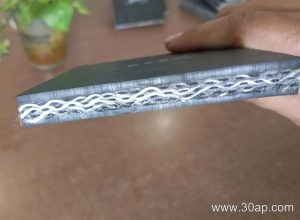
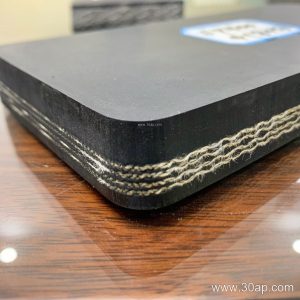
A typical skirted conveyor belt combines a fabric core or steel cord carcass with top and bottom rubber covers and molded sidewall skirts. The carcass may be an EP conveyor belt, NN conveyor belt, or steel cord conveyor belt depending on tension and impact requirements. The skirts are usually made from rubber compounds that are abrasion resistant and flexible enough to pass over bend pulleys without cracking.
Common cover grades include abrasion resistant, heat resistant, flame retardant, oil resistant, and anti-static versions. For underground coal mining, a flame retardant conveyor belt with anti-static properties is often specified. The skirt height and profile are selected according to material lump size, belt speed, and incline angle. A corrugated sidewall conveyor belt may include cleats or cross-stabilizers to keep the skirt upright on steep inclines.
Common Reference Parameters
The following values are typical references, not fixed supply promises. Actual specifications depend on the conveyor design and manufacturer.
| Parameter | Common Reference Range |
|---|---|
| Belt width | B500, B650, B800, B1000, B1200, B1400, B1600, B1800, B2000 |
| Strength class | EP200, EP315, EP400, EP500, EP630, EP800, EP1000, EP1250, EP1600, EP2000 |
| Cover thickness | 3+1.5 mm, 4+2 mm, 5+2 mm, 6+2 mm, 8+3 mm |
| Fabric plies | 2 to 6 layers |
| Skirt height | Usually 40 mm to 150 mm, depending on material and incline |
Where Skirted Belts Are Used
Skirted conveyor belts are common in applications where material containment matters. In a coal mining conveyor belt system, they reduce spillage at transfer points and on inclined sections. In cement plants, they handle clinker and raw meal without dusting the walkways. Power plants use them for coal and ash handling, while quarry conveyor belts and aggregate conveyor belts benefit from the skirted design when transporting crushed stone on steep gradients.
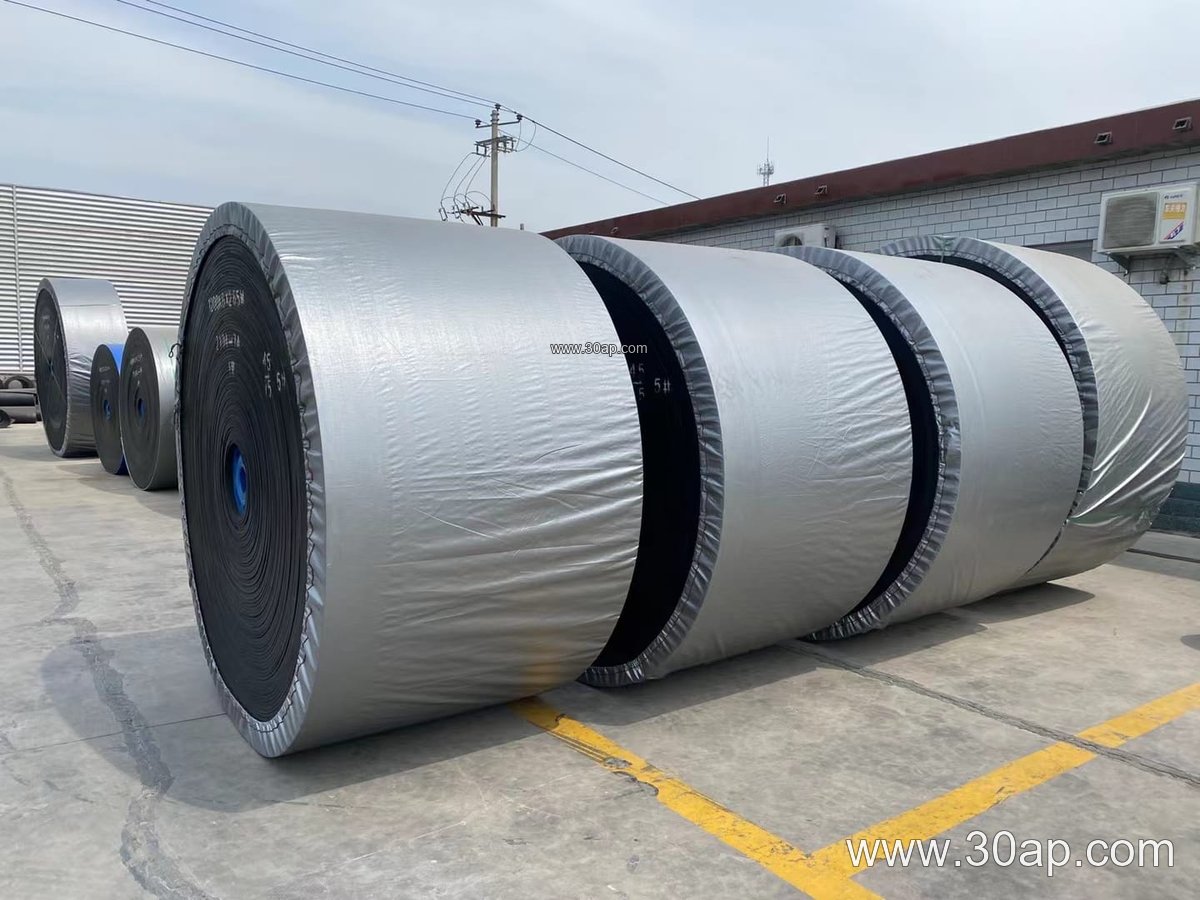
Other industries include fertilizer plants, recycling facilities, and ship loading conveyors. In each case, the belt works with conveyor pulleys, idler rollers, and conveyor brackets to maintain proper tracking and skirt clearance. A skirted belt is not a replacement for a pipe conveyor belt, which fully encloses the material; each design serves a different containment need.
Selection and Maintenance Notes
When choosing a skirted conveyor belt, consider material lump size, bulk density, moisture, and temperature. The skirt height must be sufficient to contain the load without contacting the conveyor idler roller or pulley. The pulley diameter should be sized by the belt manufacturer because skirt flexibility and carcass thickness affect bending. Do not assume a fixed shaft diameter from belt width alone.
- Check skirt wear and cracking at bend pulleys during routine inspections.
- Keep conveyor brackets and idler rollers aligned to prevent skirt edge damage.
- For high abrasion service, specify a high abrasion resistant conveyor belt cover.
- For hot materials such as cement clinker, use a heat resistant conveyor belt grade.
- Confirm flame retardant and anti-static properties for underground mining conveyor belts.
Proper installation and tensioning help the skirted conveyor belt run straight and last longer. Buyers should request a datasheet that lists belt width, strength class, cover thickness, skirt dimensions, and recommended pulley diameters for the specific application.