What a Power Plant Conveyor Belt Does
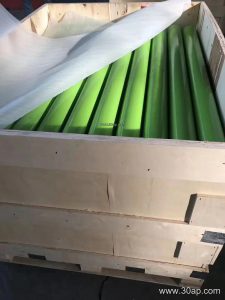
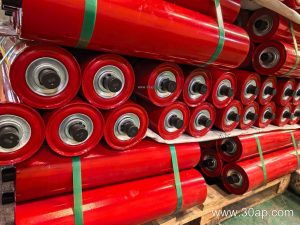
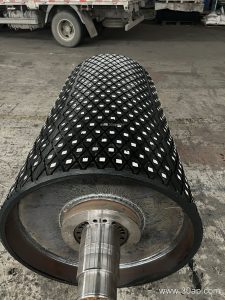
A power plant conveyor belt is the flexible carrying element in a bulk handling system that moves coal, biomass, limestone, ash, or other fuels and additives between unloading points, stockpiles, bunkers, and boilers. Unlike a general-purpose belt on a light package line, this belt works continuously under heavy loads, often outdoors or in dusty transfer houses, and it must tolerate heat, abrasion, and the risk of fire in coal-handling areas. The belt is only one part of the circuit; conveyor pulleys, idler rollers, and conveyor brackets set the running path, while the belt itself carries the material.
Construction and Common Types
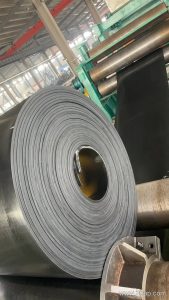
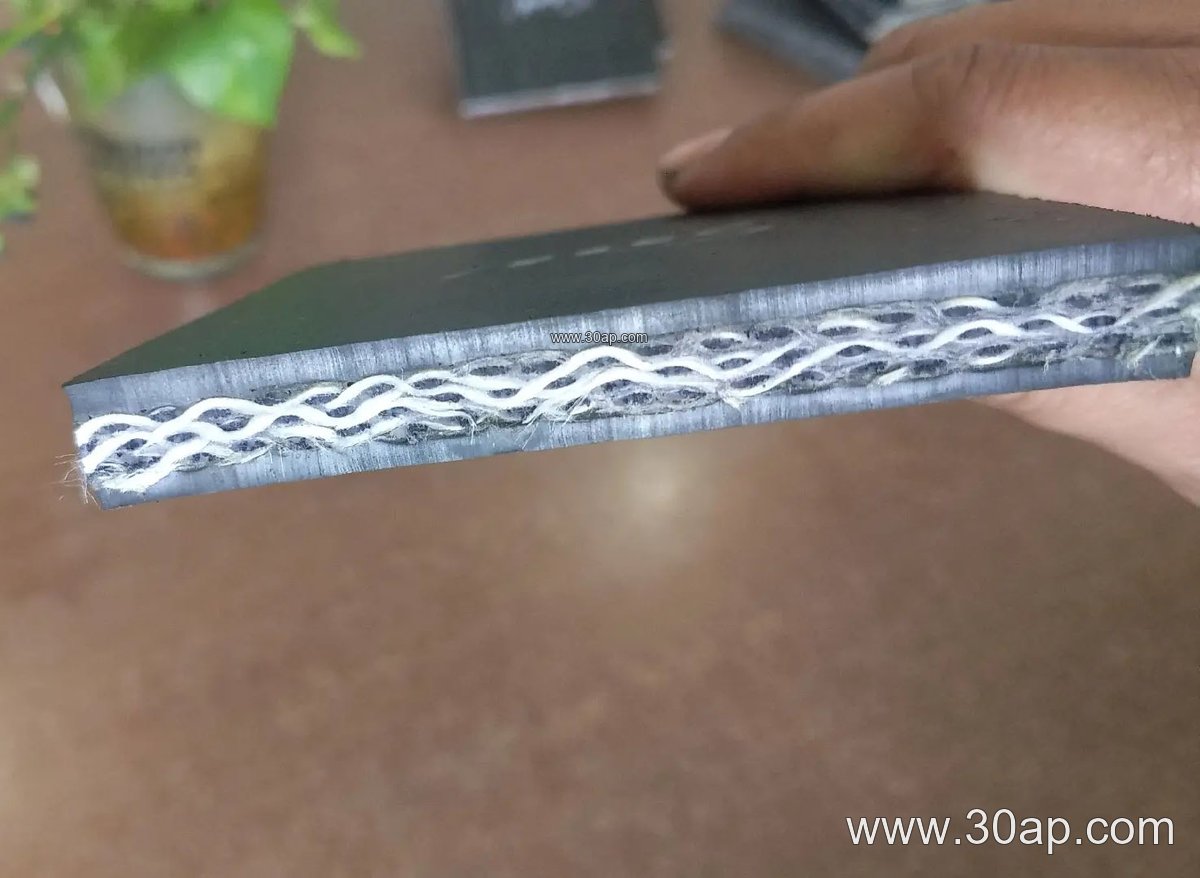
Most power plant belts are fabric-cored or steel-cord reinforced. A Multi-Ply Fabric Core Conveyor Belt uses several layers of EP or NN fabric to build tensile strength, while a Steel Cord Conveyor Belt uses parallel steel wires for long, high-tension runs. The cover rubber protects the carcass and is chosen for the duty: Abrasion Resistant Conveyor Belt grades for coal and ash, Heat Resistant Conveyor Belt compounds for hot material, and Flame Retardant Conveyor Belt or Fire Resistant Conveyor Belt constructions for coal-handling safety. Anti-Static Conveyor Belt properties are often specified together with flame resistance in fuel yards.
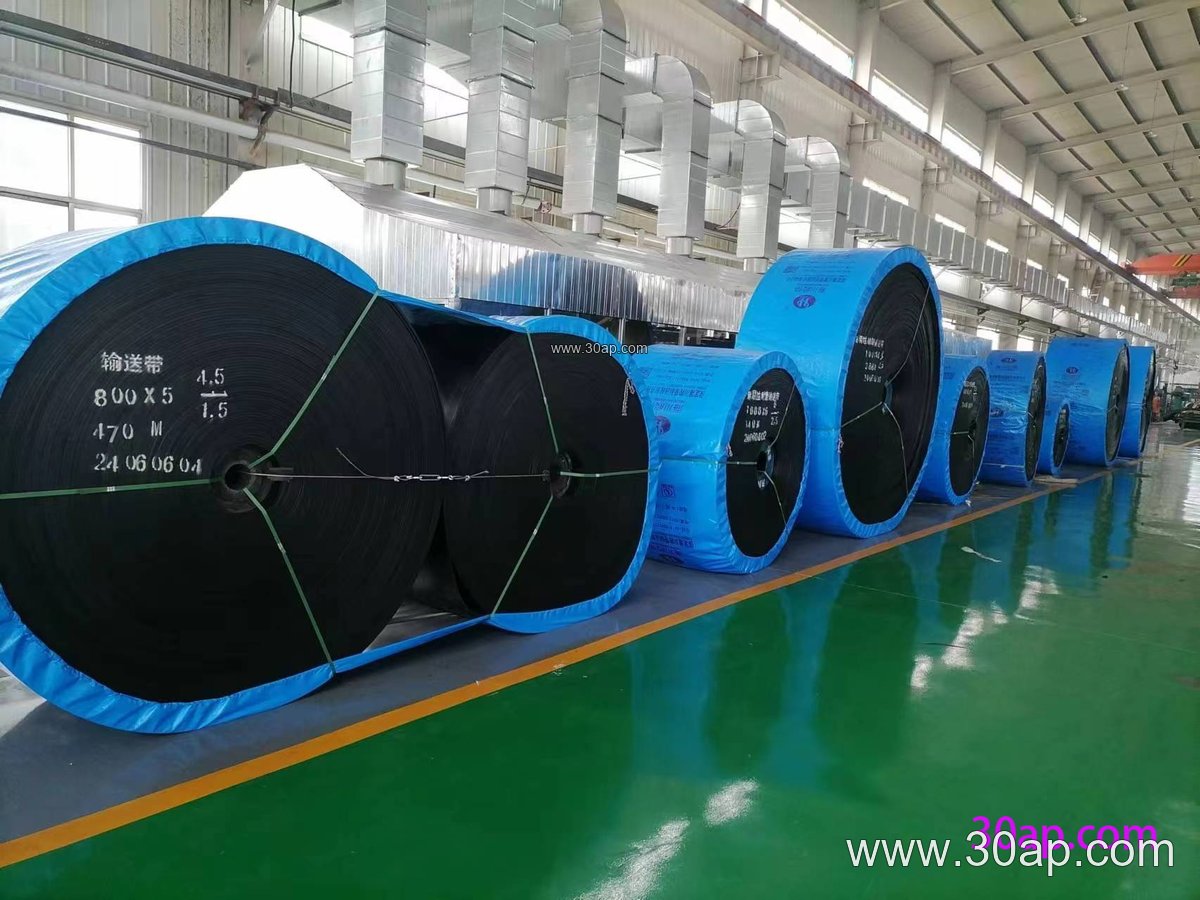
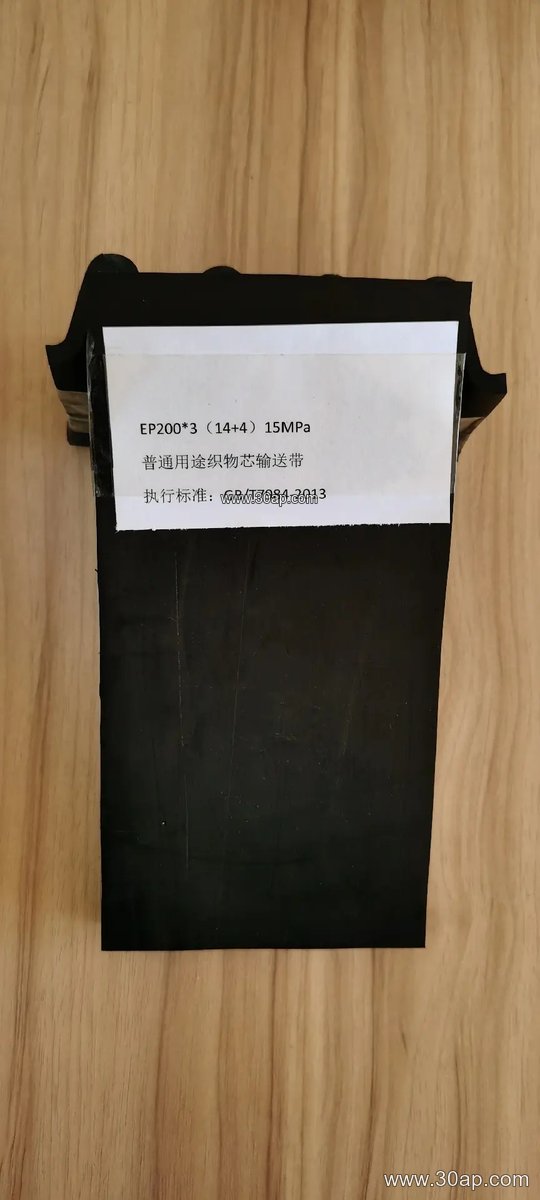
Common carcass grades include EP200, EP400, EP630, EP1000, and EP1250, as well as NN200 and NN300. Steel cord grades such as ST1000, ST1600, and ST2000 appear on long main lines. These are reference grades, not universal requirements, and final selection depends on the conveyor design.
| Parameter | Typical Range | Notes |
|---|---|---|
| Belt width | B650, B800, B1000, B1200, B1400, B1600 | Matched to tonnage and lump size |
| Cover thickness | 4+2 mm, 5+2 mm, 6+2 mm, 8+3 mm | Top and bottom cover |
| Fabric plies | 2 to 6 layers | Common for EP and NN belts |
| Carcass type | EP, NN, steel cord, PVG | PVG800S often used underground |
Where It Is Used
In a coal-fired station, the belt moves fuel from the coal yard through crusher houses to the boiler bunkers. Limestone handling for flue gas desulfurization uses similar belts, sometimes with acid or chemical resistance. Ash removal lines may call for heat tolerance and good abrasion resistance. The same belt technology appears in cement plants, mining operations, quarries, and port ship-loading terminals, but the power plant version usually places extra emphasis on fire safety and dust control.
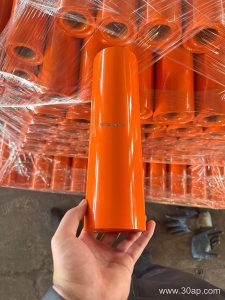
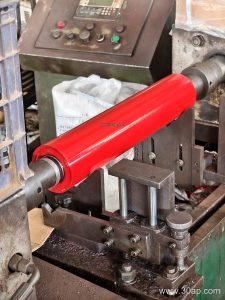
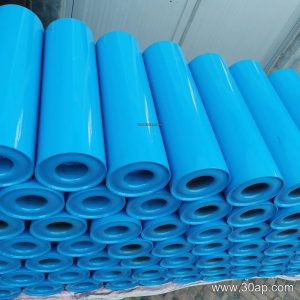
Related equipment matters too. A well-aligned conveyor pulley at the drive and tail ends reduces edge wear, and correctly spaced idler rollers keep the belt from sagging. Conveyor brackets hold the idlers and frames in position, so the whole line works as a system rather than as a single belt.
Selection Points for Buyers
- Confirm the material, lump size, temperature, and moisture level before choosing cover rubber.
- Check whether flame retardant and anti-static properties are required for the coal-handling area.
- Match belt tension rating to the conveyor length and incline; long lifts may favor steel cord construction.
- Review pulley diameters and trough angles with the belt supplier so the carcass is not over-flexed.
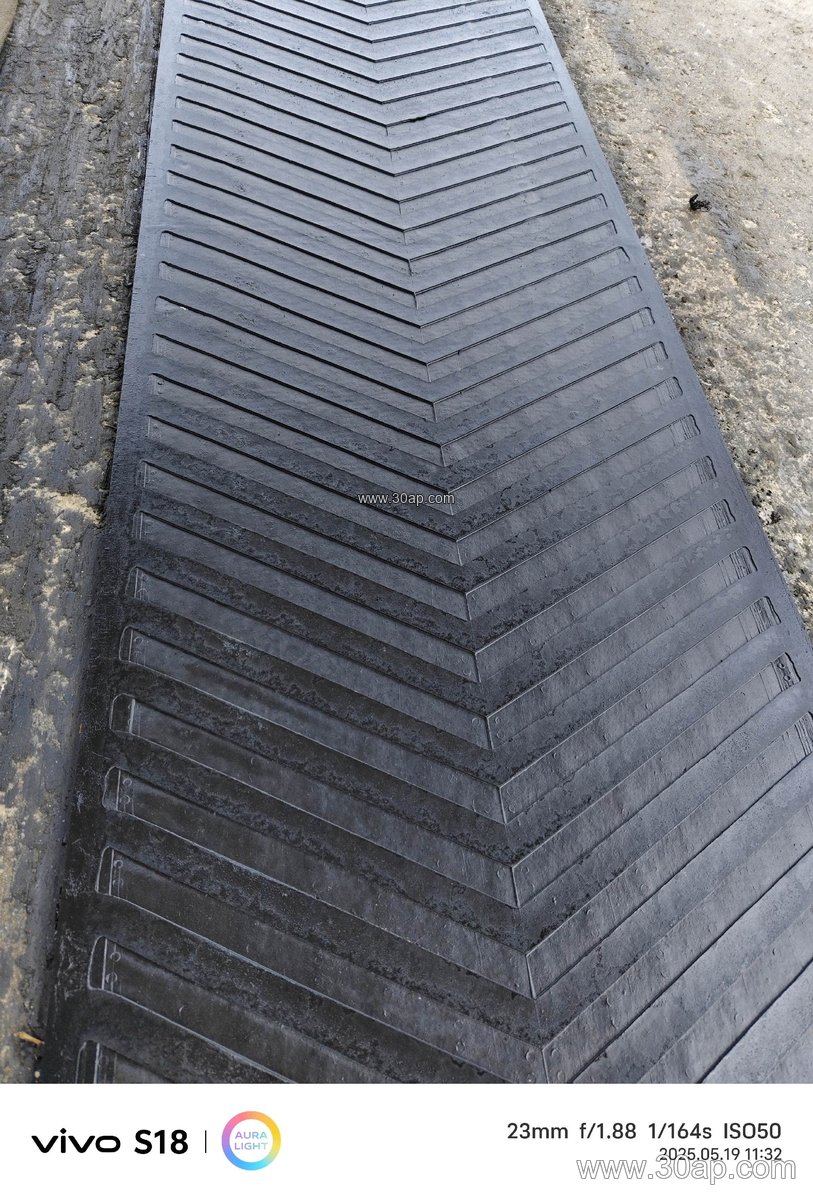
- For steep inclines, a Chevron Conveyor Belt or Corrugated Sidewall Conveyor Belt can prevent material rollback, but these are separate designs from a standard flat belt.
- Ask for cover thickness and ply data in writing, and keep a spare splice kit on site.
Maintenance and Handling
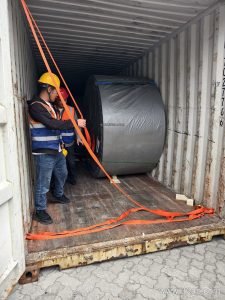
Inspect the belt regularly for edge damage, cover wear, and splice condition. Keep idler rollers turning freely and check that the conveyor pulley lagging is not worn smooth. Clean spillage from transfer points, because buildup can misalign the belt and shorten its life. Store spare rolls in a dry, shaded place and avoid sharp bends during installation. A power plant conveyor belt that is correctly specified and maintained will deliver steady fuel flow and fewer unplanned outages.