What a Belt Conveyor Self-Aligning Idler Does
A Belt Conveyor Self-Aligning Idler is a training idler designed to keep the conveyor belt centered on its path. Instead of acting as a fixed support, it senses a drifting belt and pivots slightly to steer the belt back toward the middle of the structure. In a quarry or a coal handling line, a belt that wanders off-center can rub the frame, spill material, and shorten the life of the conveyor belt, so this idler is often fitted at points where misalignment is likely.
It is also called a self-training idler or self-aligning roller. These names describe the same product, and they should not be confused with a drive pulley or a tail pulley, which transmit motion rather than correct tracking.
How the Self-Aligning Design Works
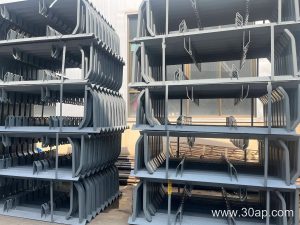
The idler is mounted on a pivoting frame or bracket that allows a small rotation about a vertical axis. When the belt shifts to one side, it presses against the idler rolls, and the resulting friction turns the frame. The angled rolls then push the belt back to the center. A common arrangement uses two rolls set in a V shape for the return side, while the carrying side may use a three-roll troughing set with a slight forward tilt, usually around 1.5 to 2 degrees, to assist the correction.
Key construction details include:
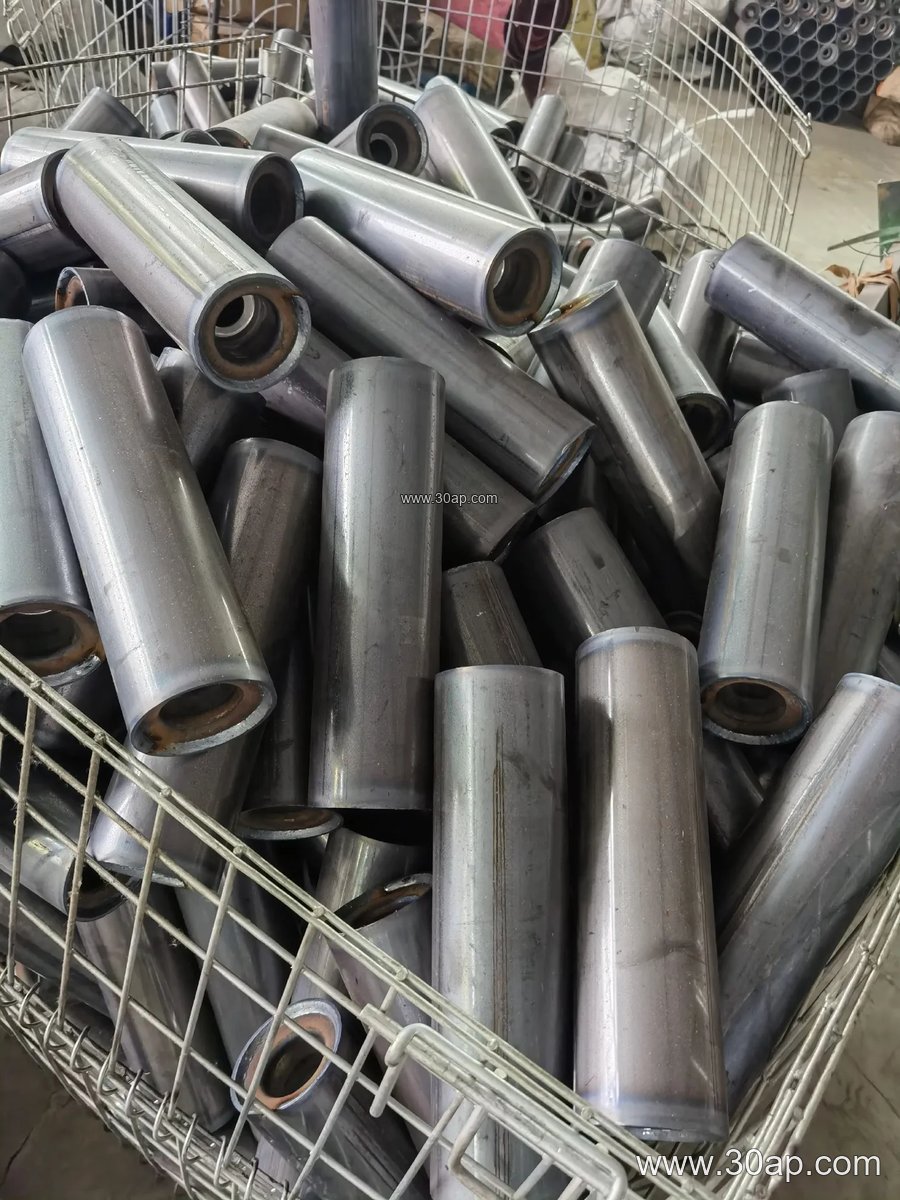
- Heavy-duty steel tube rolls with sealed bearings, often 6205, 6305, or 6308 depending on load and roll diameter.
- A pivot assembly with a sturdy conveyor bracket that resists vibration in a crusher or screening plant.
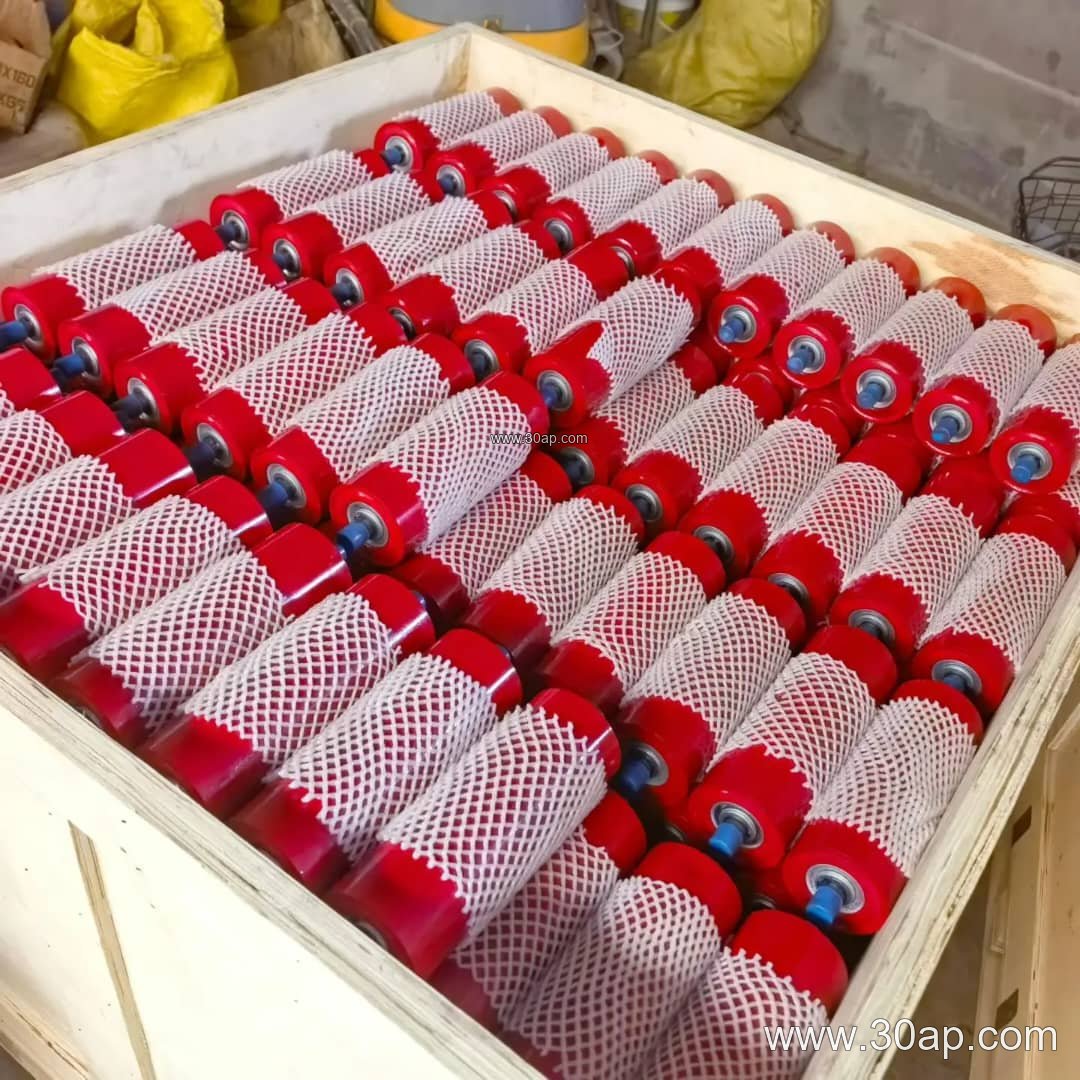
- Rubber or polyurethane covered rolls on some models to improve grip and reduce wear in abrasive service.
Bearing seals matter in dusty environments such as a cement plant or a limestone mine, where fine particles can enter unsealed components and cause early failure.
Where It Fits on the Conveyor
Self-aligning idlers are typically placed at intervals along the carrying and return runs, especially after a load point, on long straight sections, and before the head pulley. In a power plant coal yard or a port ship loading system, they help control belt wander caused by uneven loading or crosswinds. They are also useful in tunnel spoil removal and aggregate lines where the belt may be exposed to shock loads.
They should not replace a bend pulley or a take-up pulley; those components serve different mechanical functions. For difficult tracking problems, a combination of self-aligning idlers and proper pulley alignment is more effective than any single component.
Common Sizes and Selection Points
Roll diameter and belt width are selected together with the conveyor design. Typical roll diameters include Ø89, Ø108, Ø127, Ø133, and Ø159 mm, and belt widths range from B500 up to B2000 and beyond. The table below shows common reference values, not fixed combinations.
| Belt Width | Typical Roll Diameter | Typical Bearing | Common Trough Angle |
|---|---|---|---|
| B500 | Ø89 mm | 6204 / 6205 | 20° – 30° |
| B650 | Ø89 – Ø108 mm | 6205 / 6305 | 20° – 35° |
| B800 | Ø108 – Ø127 mm | 6305 / 6306 | 30° – 35° |
| B1000 | Ø108 – Ø133 mm | 6306 / 6308 | 30° – 35° |
| B1200 | Ø127 – Ø159 mm | 6308 / 6310 | 35° – 45° |
| B1400 – B1600 | Ø133 – Ø178 mm | 6308 / 6310 | 35° – 45° |
| B1800 – B2000 | Ø159 – Ø194 mm | 6310 | 35° – 45° |
Roll length varies with belt width and troughing configuration. For a three-roll troughing set, common roll lengths are about 200 mm for B500, 315 mm for B800, 380 mm for B1000, and 530 mm for B1400. Side rolls and center rolls can differ, so these are examples rather than mandatory matches. A wider belt does not automatically dictate one shaft diameter, and a larger roll diameter should be confirmed against the actual load and frame design.
Buyer Checklist
Before ordering, confirm the belt width, trough angle, mounting bracket dimensions, and the type of conveyor belt in use. A heavy-duty mining conveyor belt carrying iron ore may need a more robust idler than a food grade belt in a processing hall. Check whether the application requires abrasion resistant or flame retardant properties in nearby components, and specify the roll surface accordingly.
Ask for the bearing type and sealing arrangement, since these influence service life in a dusty cement plant or a wet coal washing facility. Review the pivot mechanism for ease of greasing or sealed-for-life options. Finally, plan a maintenance schedule that includes checking idler alignment and replacing worn rolls before they damage the belt.