What a Power Plant Conveyor Belt Does
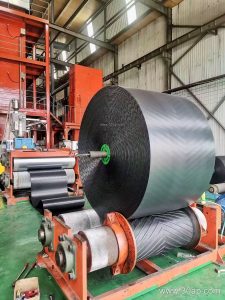
A power plant conveyor belt is the continuous load-carrying surface that moves coal, biomass, limestone, ash, or other bulk fuel and reagent across a site. In a coal-fired unit it typically links the unloading area, stockpile, crusher house, and boiler bunkers. The same belt family appears in cement plants, quarries, and ports where large tonnages must move steadily. It is not a single product but a family of rubber and fabric constructions chosen around the material, the duty cycle, and the environment.
Because the belt is the most wearable part of the system, its specification decides how often a plant stops for splicing and replacement. Buyers who understand the carcass, cover, and edge construction can match the belt to the conveyor frame, the conveyor pulley, and the idler roller set rather than replacing parts on guesswork.
How the Belt Is Built
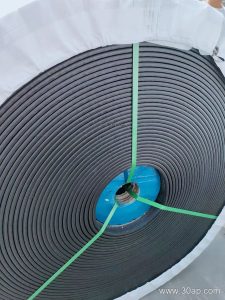
Most power plant belts use a fabric carcass or a steel cord carcass. Fabric types include EP Conveyor Belt (polyester warp, nylon weft) and NN Conveyor Belt (nylon both directions). Multiple plies are bonded under heat and pressure, then covered with rubber on the top and bottom. A Steel Cord Conveyor Belt uses parallel steel cables for very long, high-tension runs, while a solid-woven PVC or PVG belt is common in underground and flame-sensitive service.
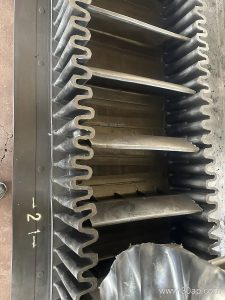
Cover compounds are selected for the material handled: abrasion resistant grades for coal and clinker, heat resistant grades near hot ash or sinter, oil resistant grades for fuel-oil-contaminated loads, and flame retardant or anti-static grades where fire risk and dust are present. Edge construction matters too. A skirted or corrugated sidewall belt keeps material on the belt on steep inclines, while a chevron pattern gives grip on slopes.
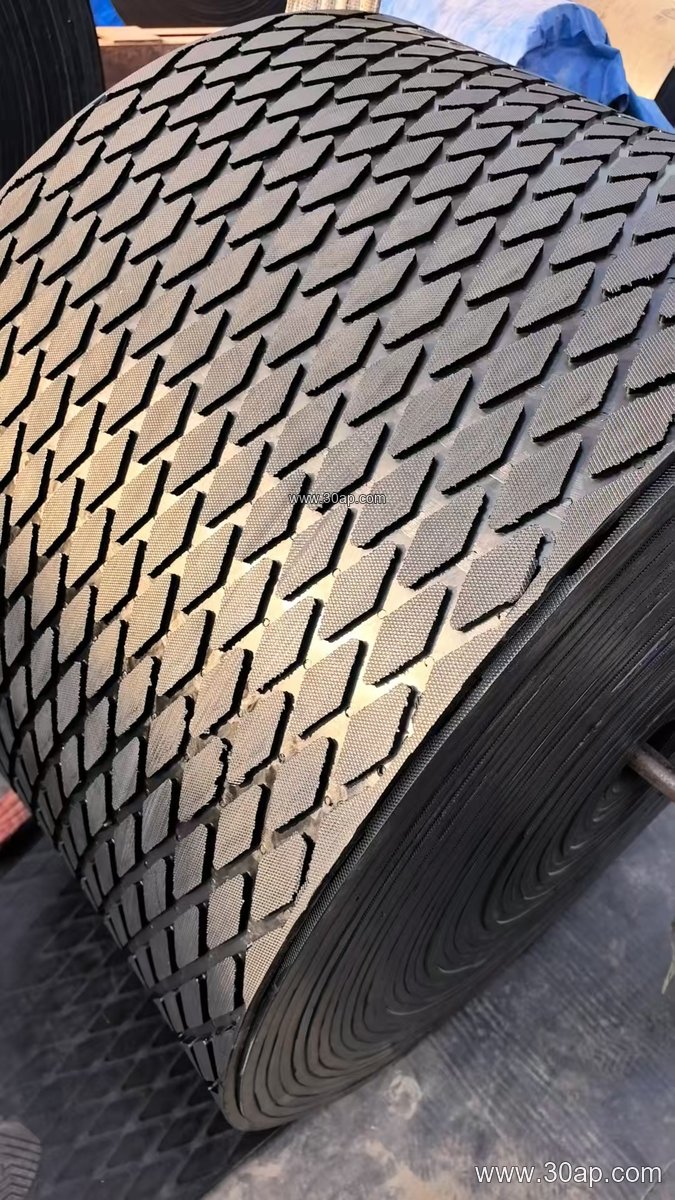
Reference Construction Data
The values below are typical reference ranges, not universal specifications. Final construction is set by the conveyor design and confirmed by the manufacturer.
- Carcass types: EP, NN, steel cord, PVC, PVG
- Common EP strength grades: EP200, EP400, EP630, EP800, EP1000, EP1250
- Common belt widths: B650, B800, B1000, B1200, B1400, B1600, B1800
- Cover thickness examples: 4+2 mm, 5+2 mm, 6+2 mm, 8+3 mm
- Fabric plies: usually 2 to 6 layers
A belt width and a pulley diameter are separate design choices; a given width does not lock the plant into one pulley size. Tension, pulley face width, and shaft load are calculated from the conveyor layout.
Where It Is Used
In power generation the belt handles coal from the yard to the bunker, limestone to the FGD system, and ash to the disposal area. Related industries use the same product in different conditions: a Mining Conveyor Belt in an open pit, a Cement Conveyor Belt moving clinker, a Quarry Conveyor Belt feeding a crusher, and an Aggregate Conveyor Belt at a sand and gravel yard. Ports and ship loading terminals rely on wide belts for high throughput.
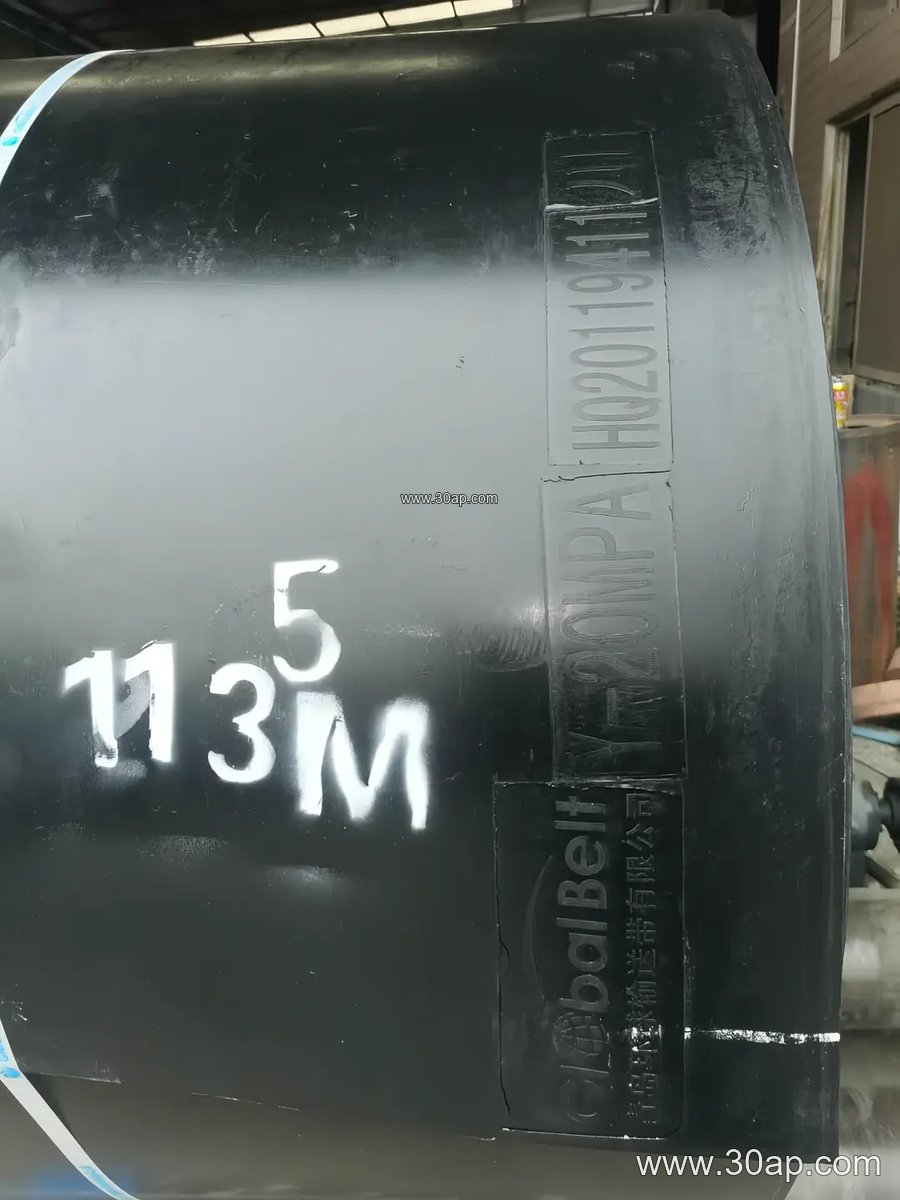
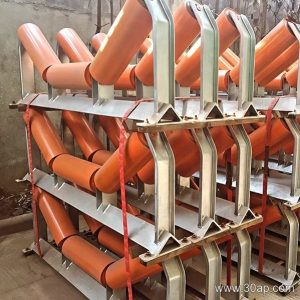
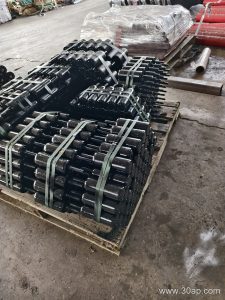
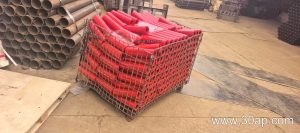
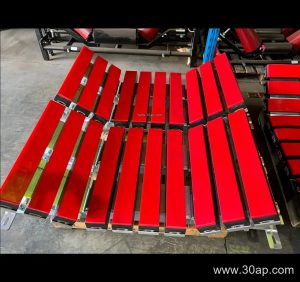
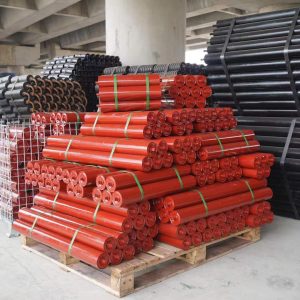
The surrounding hardware matters as much as the belt. A conveyor pulley at the drive end transmits power, a tail pulley returns the belt, and bend pulleys guide it through the take-up. Idler rollers support the loaded strand, and the conveyor bracket holds the idlers in alignment. A worn pulley or seized idler roller can damage a new belt within weeks, so mechanical checks should accompany any belt replacement.
Buyer Checklist
Before ordering, confirm the material type, lump size, moisture, and temperature range. State the conveyor capacity in tonnes per hour, the center-to-center distance, the incline angle, and the trough angle. Check whether the plant needs a Flame Retardant Conveyor Belt, a Heat Resistant Conveyor Belt for hot loads, or an Abrasion Resistant Conveyor Belt for sharp coal and clinker. Underground coal service usually calls for a fire resistant, anti-static PVG or PVC belt rather than a standard fabric belt.
Ask for the splice method, since a vulcanized splice suits permanent runs and a mechanical splice suits temporary repairs. Confirm the cover grade, carcass ply count, and edge type in writing. Spare belt should match the installed specification so that a short length can be spliced into the line without mixing carcass types.
Maintenance Notes
Inspect the belt regularly for edge wear, cover cuts, and exposed carcass. Track alignment through the bend and tail areas, and check that each idler roller turns freely. Keep the belt cleaner and skirt rubber adjusted so material does not lodge under the belt. Record cover thickness at fixed points to plan replacement before the carcass is exposed. A belt that is correctly matched to its pulleys, idlers, and loading point will deliver longer service in a power plant, cement works, or mine.