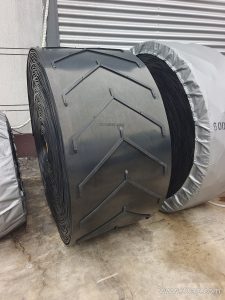
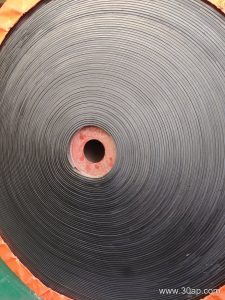
What a 1200mm Wide Conveyor Belt Is
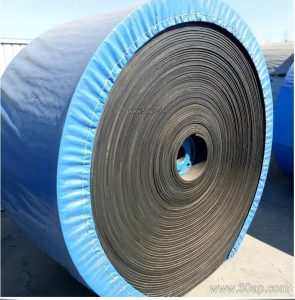
A 1200mm wide conveyor belt is a heavy-duty bulk handling belt built to a nominal width of 1200 mm, often written as B1200. It sits in the upper-middle range of common belt widths, above 1000mm and below 1400mm and 1500mm. Because of that extra width, it can move large tonnages in a single pass, which is why it appears in mines, coal preparation plants, cement works, power stations, quarries, and sand and gravel yards.
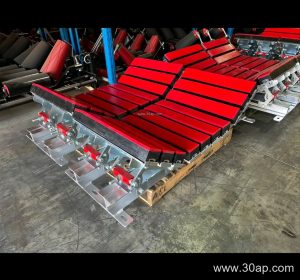
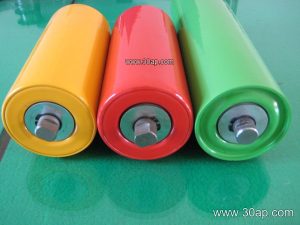
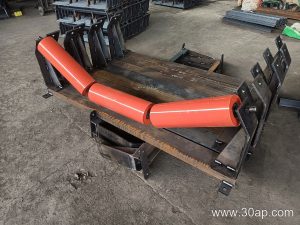
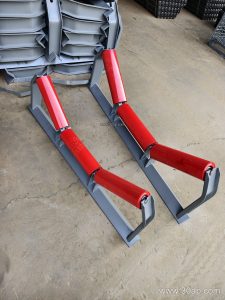
The belt is only one part of the circuit. A 1200mm conveyor typically runs on a troughed idler roller set, turns over a drive pulley at the head and a tail pulley at the load point, and passes bend pulleys and a take-up on the return side. The belt, idlers, pulleys, and conveyor bracket frames are matched by the conveyor designer, not by the belt width alone.
Construction and Common Specifications
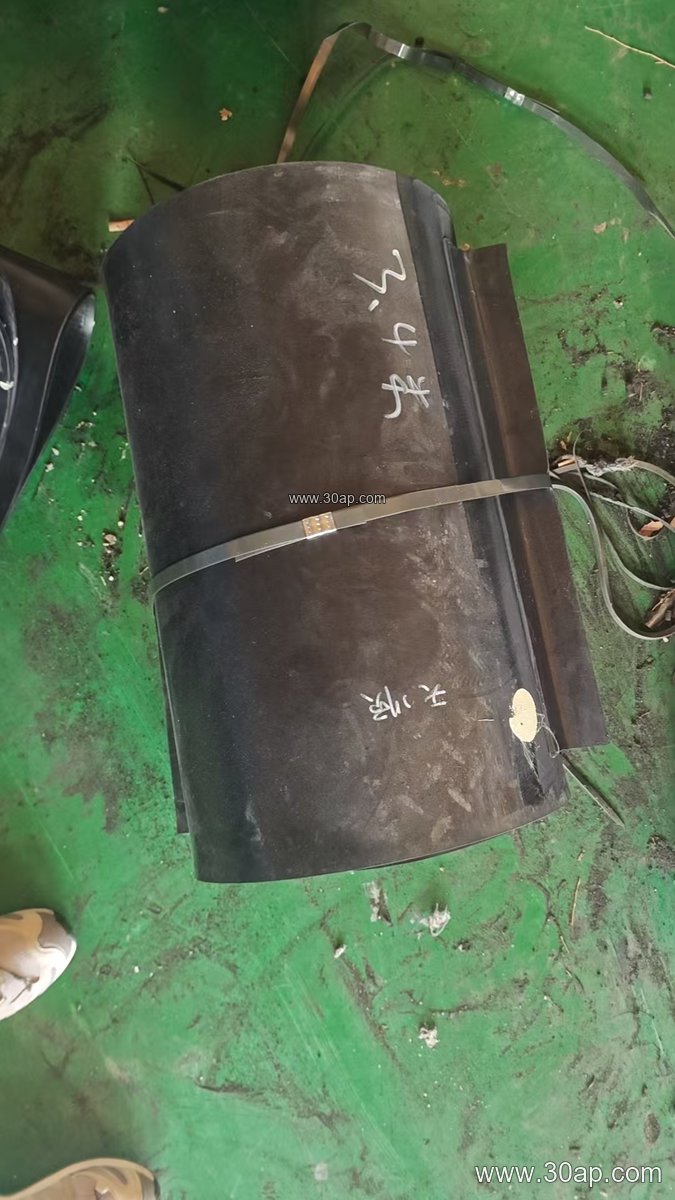
Most belts at this width use a fabric core or a steel cord core. Fabric versions are built from EP or NN plies, usually 2 to 6 layers, with rubber covers on both faces. Steel cord versions use brass-plated cords for very long runs and high tension. Cover thickness is often quoted as top plus bottom, for example 6+2 mm or 8+3 mm, and grade is chosen for the duty: abrasion resistant, heat resistant, oil resistant, flame retardant, anti-static, or cold resistant.
The table below shows typical reference figures. Actual values are set by the manufacturer and confirmed on the drawing for each project.
| Item | Common Reference Range |
|---|---|
| Belt width | 1200 mm (B1200) |
| Fabric core types | EP200, EP315, EP400, EP500, EP630, EP800, EP1000 |
| NN grades | NN100 to NN400 |
| Steel cord grades | ST1000, ST1250, ST1600, ST2000 |
| Cover thickness | 4+2, 5+2, 6+2, 8+3 mm |
| Ply count | 2 to 6 plies for fabric cores |
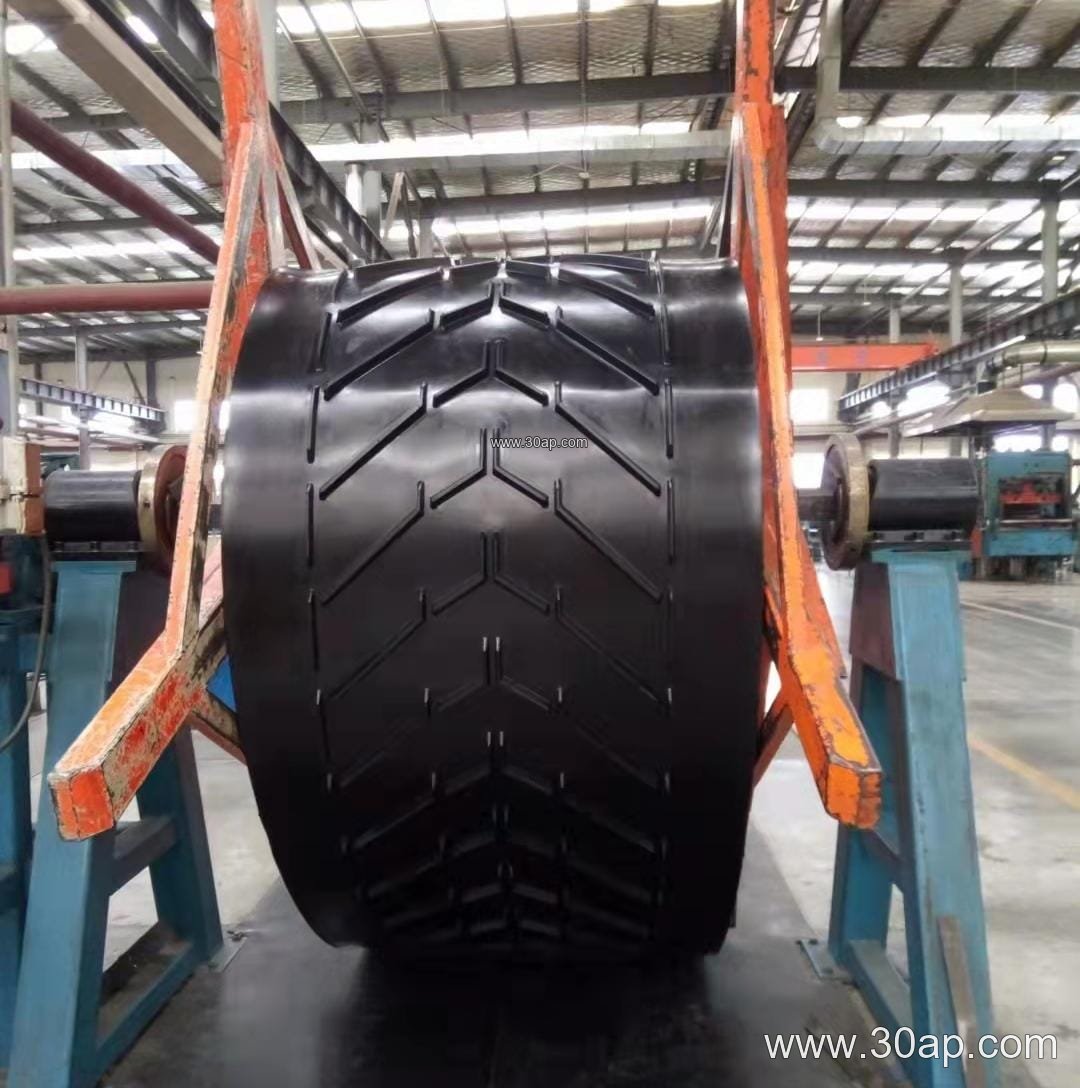
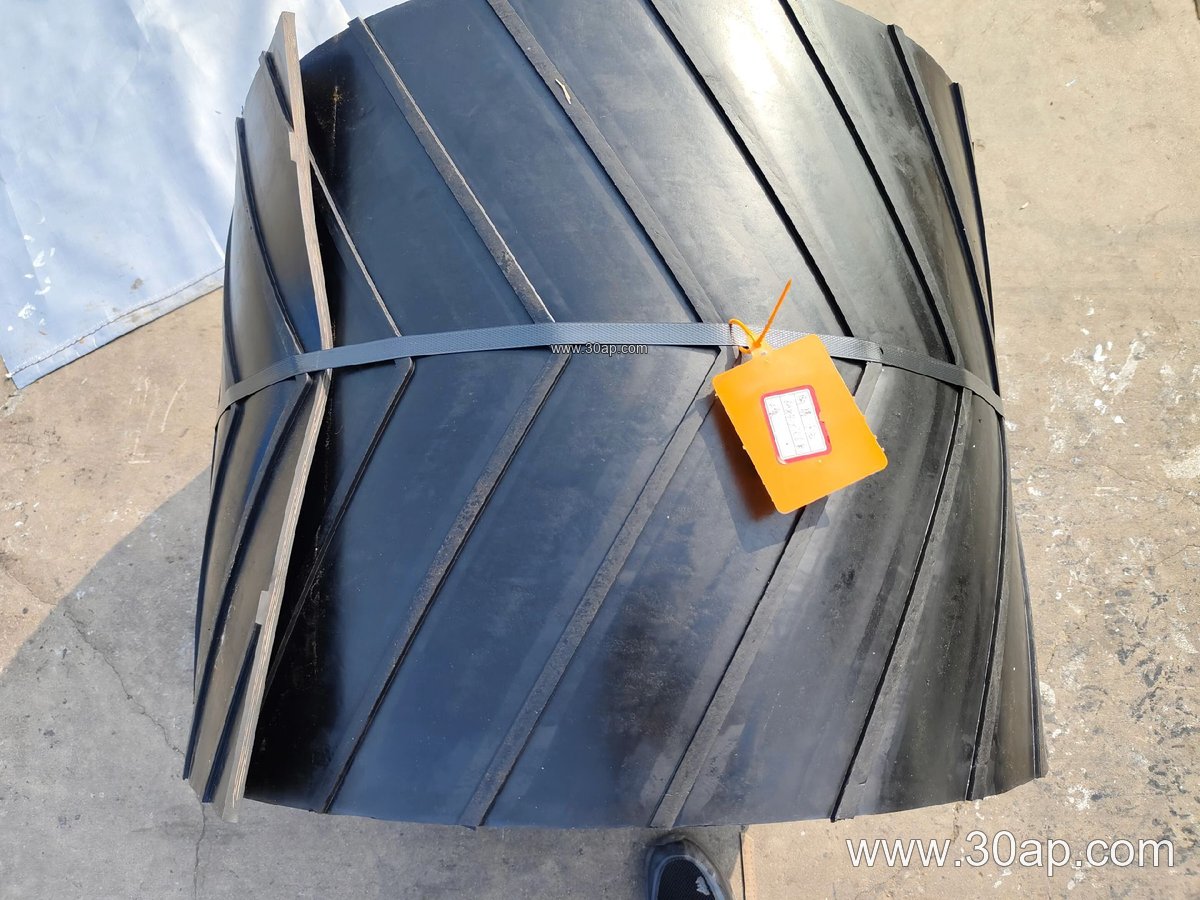
Surface form matters too. A plain 1200mm wide conveyor belt suits general bulk material. A chevron or patterned top helps on inclines, while a corrugated sidewall with cleats contains material on steep lifts. Pipe conveyor belt and endless belt constructions are separate designs and are selected only when the route or the drive arrangement calls for them.
Where the Width Pays Off
At 1200 mm, a belt can carry coarse rock, ore, clinker, crushed stone, or coal at a high rate without excessive belt speed. That makes it a natural fit for a crusher conveyor discharging to a stockpile, a cement plant raw mill feed line, a coal mining conveyor in a preparation plant, or a port conveyor loading ships. In a power plant it may handle coal or limestone; in a quarry it may run from the primary crusher to the screening tower.
Wider belts are not automatically better. A 1400mm or 1600mm belt needs larger pulleys, heavier frames, and more space, so the 1200 mm size is often the practical balance between capacity and structure cost. For lighter duties, 800mm or 1000mm belts may be enough; a 1200mm belt is chosen when the tonnage or the lump size justifies it.
Buyer Checklist
- Confirm the required tension grade, for example EP630 or EP800, from the conveyor design rather than guessing from width.
- State the material, lump size, temperature, and whether oil, acid, or fire risk is present, so the cover compound is correct.
- Check pulley face width and lagging; a drive pulley, tail pulley, and bend pulley each have their own duty and are not interchangeable.
- Review idler roller spacing and trough angle, since a 1200mm belt needs proper support to keep a good trough shape.
- Ask for the splice method, either vulcanized or mechanical, and plan the take-up travel for it.
- Verify the conveyor bracket and frame dimensions against the pulley and idler drawings before ordering.
Maintenance is mostly about alignment and edge care. Keep the belt centered, inspect the idler roller and pulley surfaces for build-up, and watch the edges for cuts that can grow. A well-matched 1200mm belt, with the right grade and a clean running line, gives long service in demanding bulk handling work.