What an NN100 Conveyor Belt Is
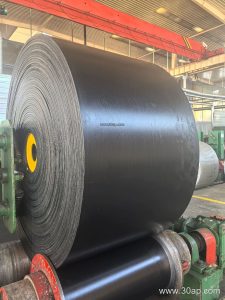
An NN100 Conveyor Belt is a fabric core conveyor belt built on nylon (NN) canvas plies. The “100” refers to the nominal breaking strength of the carcass, commonly expressed as 100 N/mm per ply. In practice, this is a light-to-medium duty nylon fabric belt, and buyers will often see the same product described as an NN Conveyor Belt, nylon conveyor belt, or simply a Fabric Core Conveyor Belt. It is not a steel cord design, and it should not be confused with EP constructions, where the carcass uses polyester warp and nylon weft.
The nylon plies give the belt good flexibility, high elongation before break, and strong resistance to fatigue. That combination suits conveyors with relatively small pulleys, frequent starts, and moderate tension demands. Where a user needs higher strength in the same fabric family, NN200, NN300, and NN400 grades are available; where impact and moisture are severe, an EP Conveyor Belt is often considered for comparison.
Construction and Surface Options
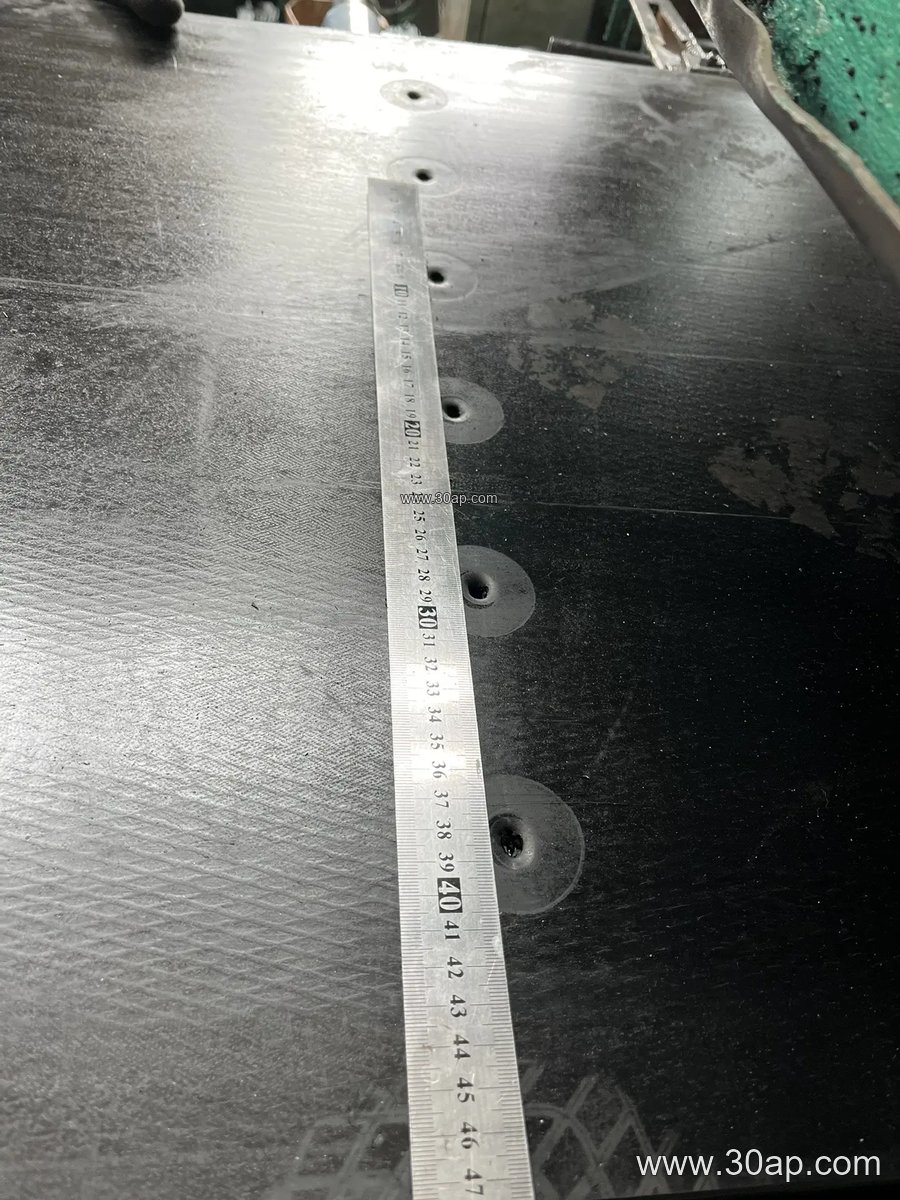
The belt is a sandwich: top cover rubber, multiple nylon fabric plies bonded with skim rubber, and bottom cover rubber. Cover compounds are selected to match the cargo and the environment. Common cover thickness combinations include 3+1.5 mm, 4+2 mm, 5+2 mm, 6+2 mm, and 8+3 mm, and the carcass usually runs from 2 to 6 plies depending on the duty. These are reference values, not fixed supply promises; final construction is confirmed by design.
- Carcass: nylon canvas plies, typically 2 to 6
- Nominal strength: NN100, with heavier grades in the same family
- Cover options: abrasion resistant, heat resistant, oil resistant, flame retardant, anti-static, cold resistant, acid and alkali resistant
- Surface forms: plain, chevron or patterned, skirted, corrugated sidewall
- Belt width examples: B500, B650, B800, B1000, B1200, B1400, B1600, B1800, B2000
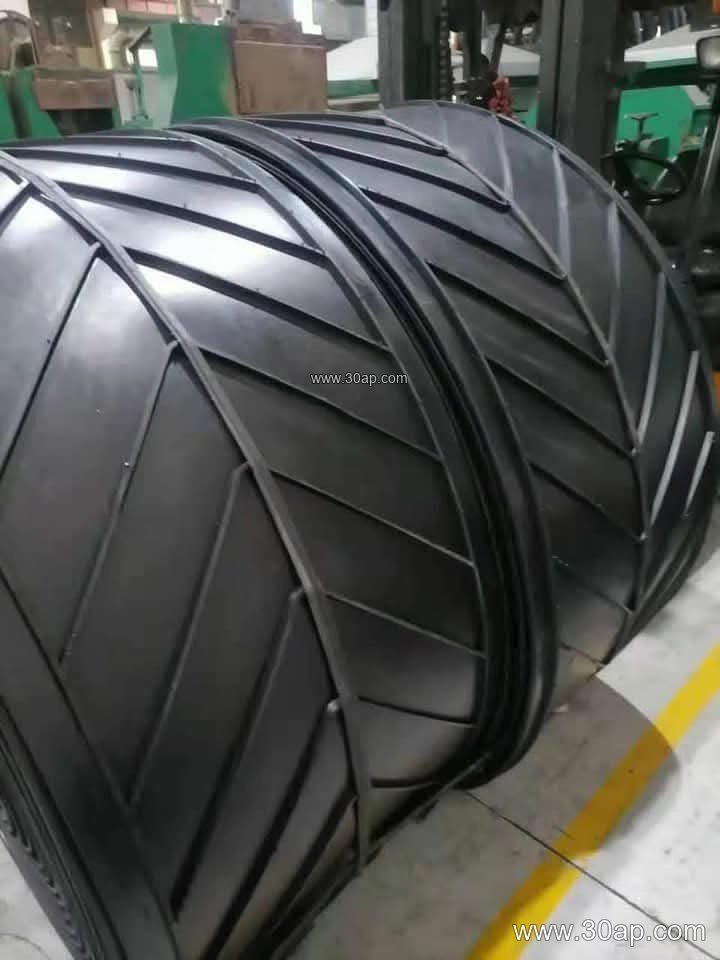
Special versions such as a Chevron Conveyor Belt, Skirted Conveyor Belt, or Corrugated Sidewall Conveyor Belt change the surface geometry, not the basic nylon carcass logic. For hot clinker or sinter, a Heat Resistant Conveyor Belt compound is needed; for coal transport in closed spaces, a Flame Retardant Conveyor Belt and Anti-Static Conveyor Belt specification is normally requested.
Where It Fits in the Plant
NN100 belts are common in cement plants, coal preparation, power plant coal yards, sand and gravel plants, quarries, and general bulk material handling. They move limestone, crushed stone, sand, fertilizer, grain, and similar loads on medium-length conveyors. A quarry Conveyor Belt or Aggregate Conveyor Belt duty often favors an Abrasion Resistant Conveyor Belt cover, while a Coal Mining Conveyor Belt duty may call for flame retardant and anti-static properties.
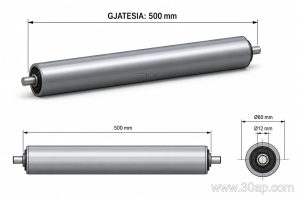
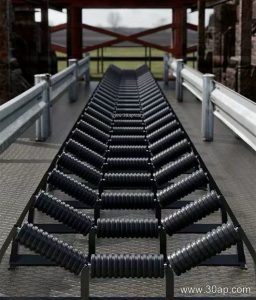
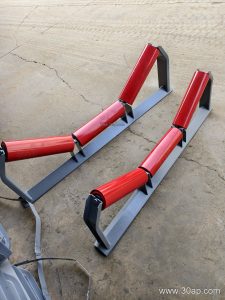
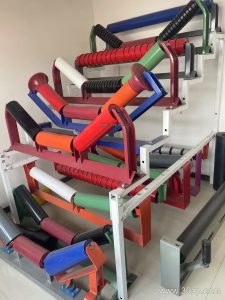
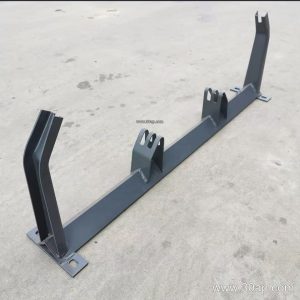
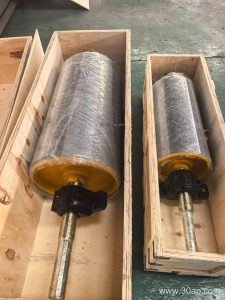
The belt runs over a conveyor pulley at the drive and tail, supported by idler rollers along the carry and return sides, with conveyor brackets holding the idlers and pulleys in line. Drive, tail, and bend pulleys are different components and are not interchangeable; each has its own diameter, shaft, and lagging requirements. Belt width does not determine pulley diameter on its own, and a single width can be paired with different pulley sizes according to tension and wrap angle.
Buyer Checklist
Before ordering, confirm the material being carried, lump size, belt speed, incline, ambient and material temperature, and whether the area is classified for fire or dust. Specify the required cover grade, ply count, and cover thickness, and state whether an endless splice or mechanical fastening is planned. Check the pulley diameters, trough angle, and idler spacing so the belt can flex without over-stressing the carcass. For long runs or high lifts, compare the NN100 option against higher-strength NN grades or a Steel Cord Conveyor Belt before finalizing.
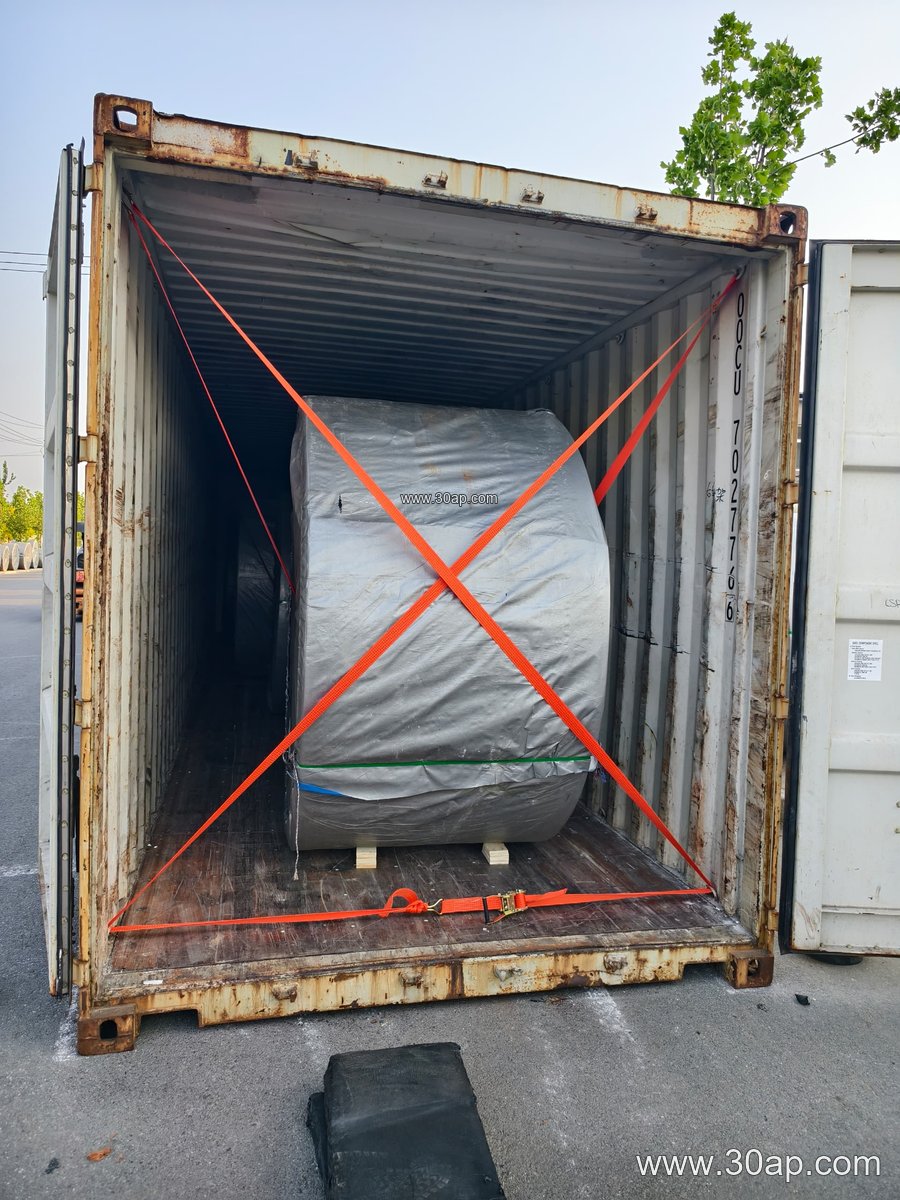
Ask for the manufacturer’s data sheet showing ply count, cover thickness, tensile strength, elongation, and recommended minimum pulley diameter. Store belts on a dry, shaded surface and avoid sharp bends during handling. During operation, watch for edge wear, cover gouges, and splice opening, and keep idler rollers turning freely to prevent localized abrasion.
For matching components and belt selection support, visit www.beltconveyorparts.com for conveyor belt, idler roller, and conveyor pulley guidance.