What an Ore Conveyor Belt Is
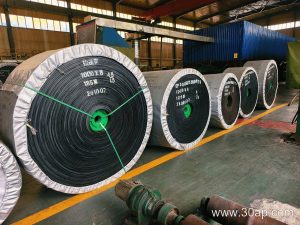
An ore conveyor belt is the load-bearing component of a continuous haulage system designed to move crushed or raw ore, rock, and other bulk materials. In mining, quarrying, cement plants, and power stations, this belt operates under high impact, abrasion, and often harsh environmental conditions. The belt itself is a composite structure: a tension-bearing carcass, typically fabric or steel cord, encased in rubber or PVC covers that protect the core and grip the material.
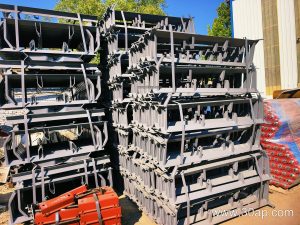
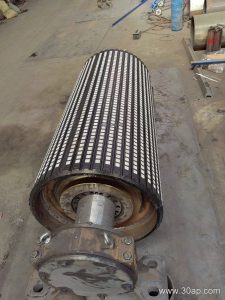
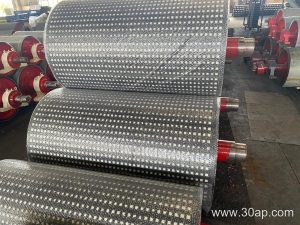
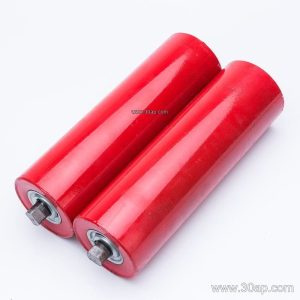
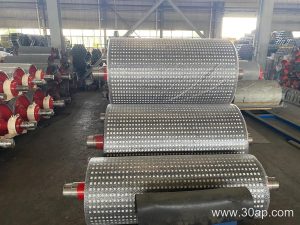
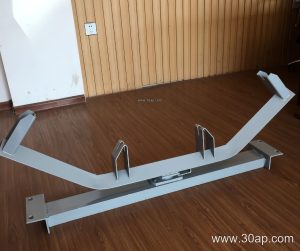
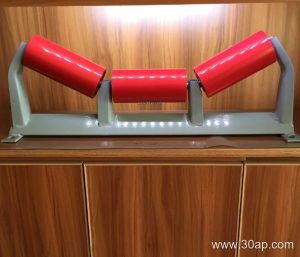
While the term often brings to mind heavy-duty mining conveyor belts, the ore conveyor belt category includes several carcass types and cover grades selected to match the material and the conveyor layout. The belt works together with conveyor pulleys, idler rollers, and conveyor brackets to form a reliable transport line.
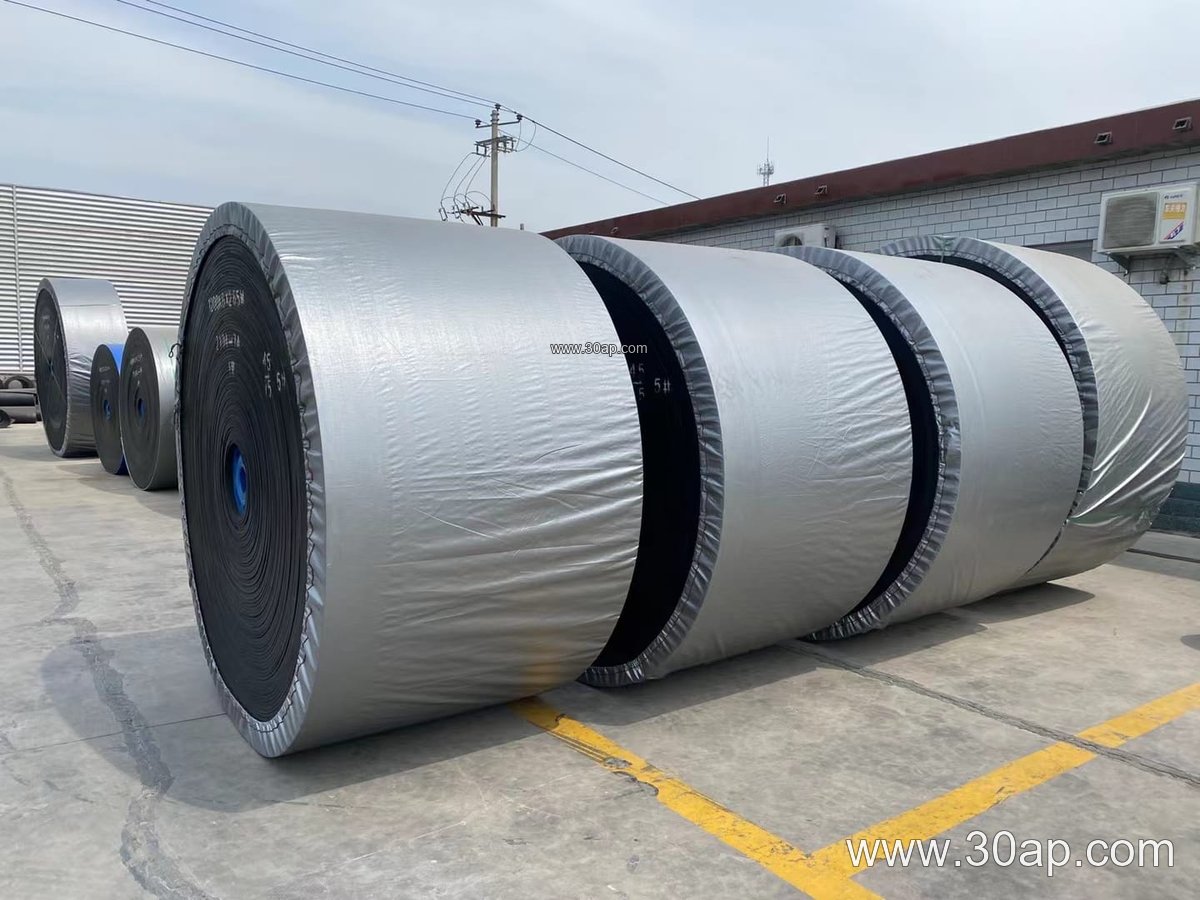
Construction and Common Types
The carcass determines tensile strength and resistance to stretching. Common constructions include:
- Fabric core belts such as EP conveyor belt (polyester-nylon) and NN conveyor belt (nylon-nylon). These are available in multi-ply fabric core designs, often 2 to 6 plies, with strength grades like EP200, EP400, EP630, EP1000, and EP1250.
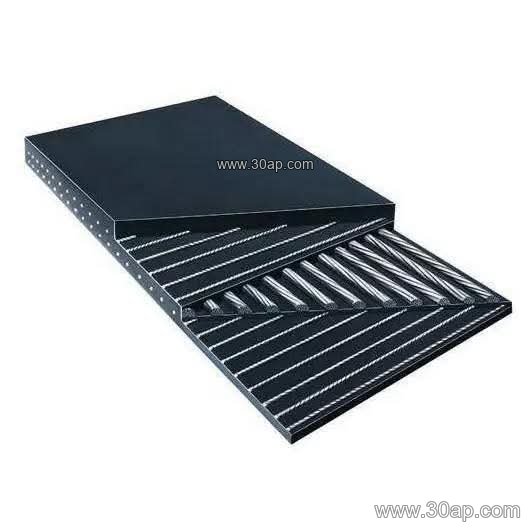
- Steel cord conveyor belt for very high tensions and long distances, with ST1000 to ST3150 designations.
- Solid woven PVC or PVG conveyor belt for underground coal mining, where flame resistance and anti-static properties are critical.
Cover compounds are chosen for the duty: abrasion resistant conveyor belt for sharp rock, heat resistant conveyor belt for sinter or clinker, oil resistant conveyor belt for oily ores, and flame retardant conveyor belt for coal. Chevron or corrugated sidewall belts may be used on steep inclines to prevent material rollback, but they serve different functions and are not direct substitutes for a standard flat ore belt.
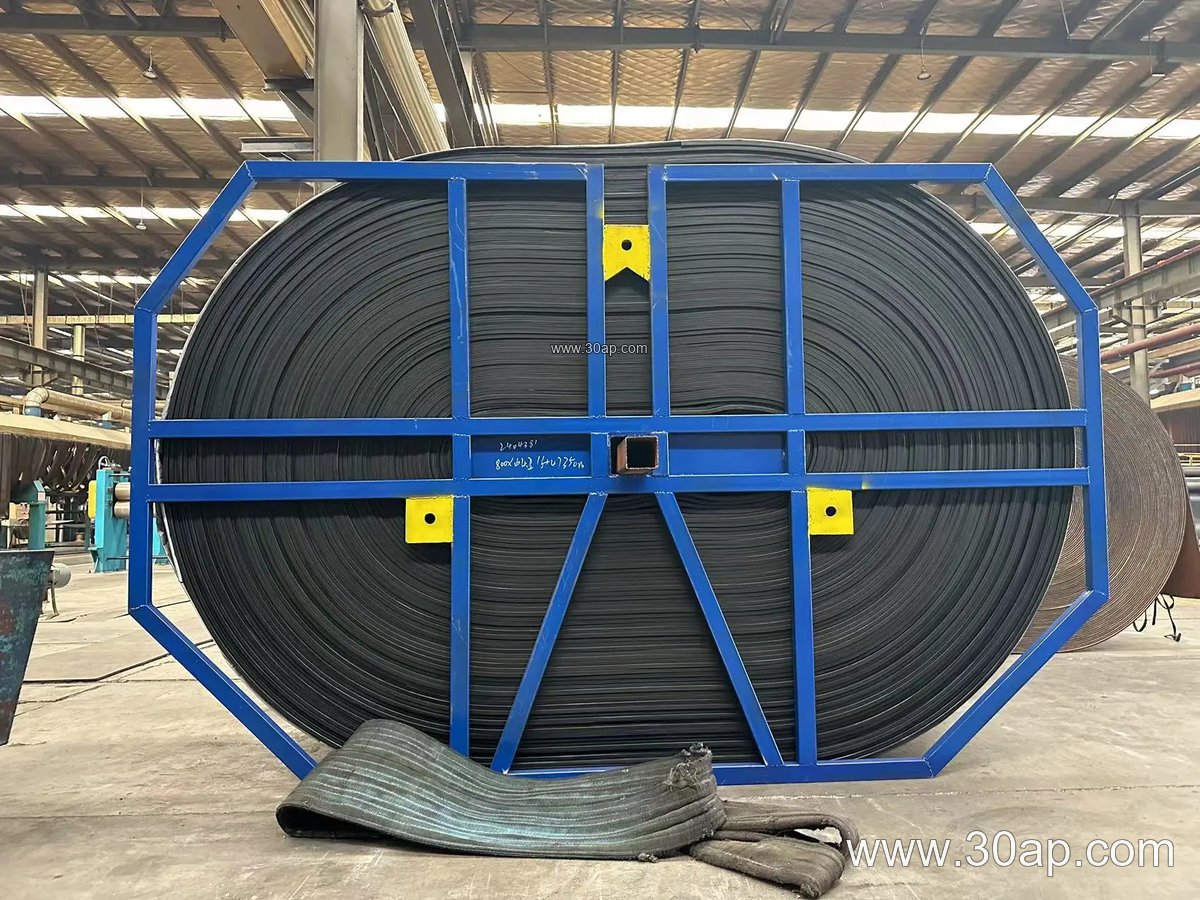
Typical cover thicknesses are expressed as top x bottom, for example 4+2 mm or 6+2 mm, and common belt widths range from 500 mm to 2000 mm or more. These values are reference data; actual selection depends on the conveyor design, lump size, and required capacity.
Where Ore Conveyor Belts Are Used
These belts appear across the bulk material handling chain. In an iron ore conveyor belt system, they carry crushed ore from primary crushers to stockpiles or grinding mills. Copper ore conveyor belts handle abrasive slurries and wet loads. Gold mining conveyor belts transport ore from the pit or underground workings to processing. In coal mining, underground coal mining conveyor belts must meet strict fire safety requirements, often using PVG800S or similar solid woven belting.
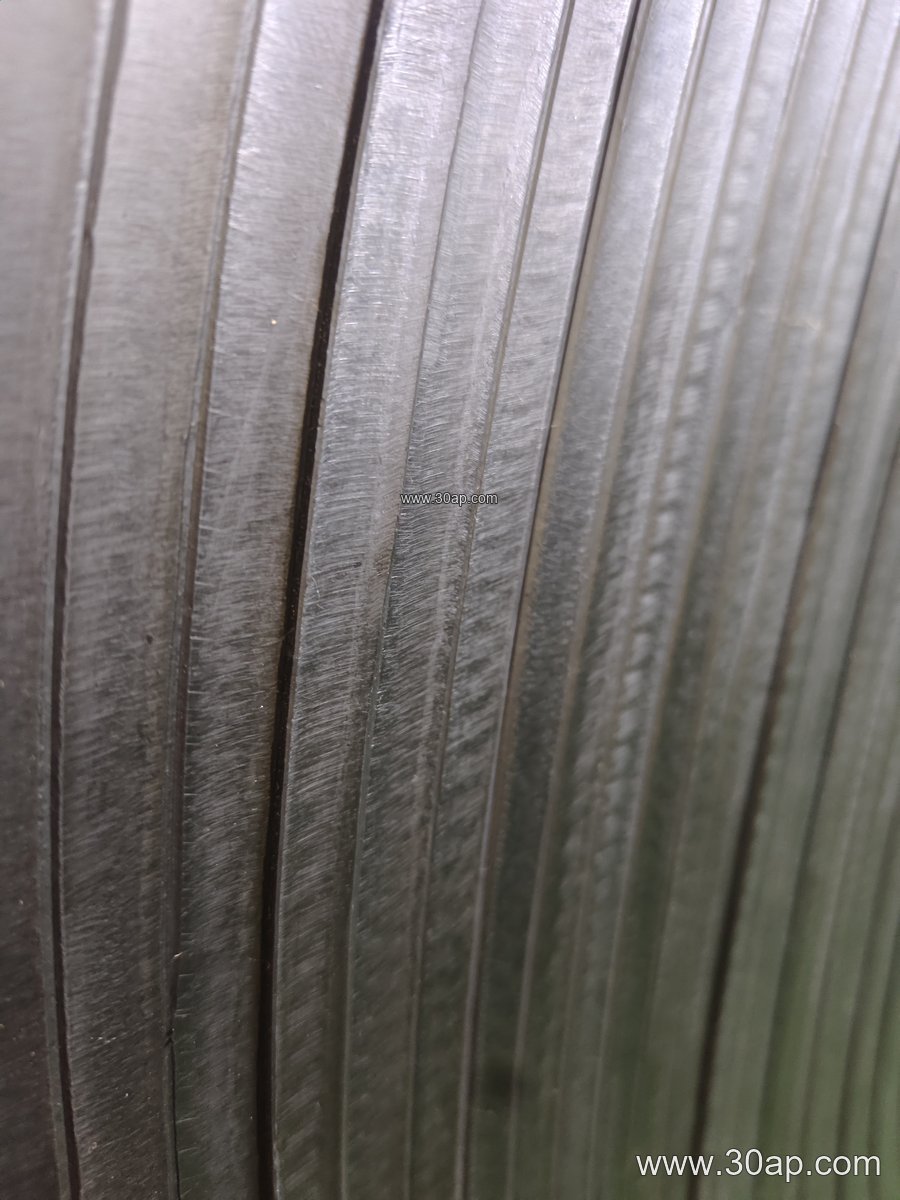
Other industries include cement plants (clinker and limestone), power plants (coal and ash), steel plants (coke and sinter), quarries and aggregate operations (crushed stone and sand), and port facilities for ship loading. The same belt technology adapts to recycling and construction debris lines, where abrasion and impact resistance are equally important.
Key Selection Factors for Buyers
Choosing an ore conveyor belt involves matching the belt to the conveyor profile and the material. Consider:
- Material characteristics: lump size, abrasion index, moisture, oil content, and temperature. High abrasion resistant conveyor belt grades protect against sharp edges; heat resistant types handle hot loads.
- Conveyor geometry: length, incline, and curve radius. Long overland conveyors often use steel cord belts, while in-plant conveyors may use EP or NN fabric belts.
- Safety and environment: underground coal mines require flame retardant and anti-static belts. Cold resistant grades are needed in freezing climates; oil resistant covers for oily ore.
- Belt width and strength: match the belt to the pulley and idler dimensions. For example, a 1200 mm wide EP1000 belt might be used on a medium-capacity line, but belt width alone does not dictate pulley diameter; the conveyor designer calculates shaft and pulley loads from the belt tension and capacity.
- Cover thickness: thicker covers (e.g., 8+3 mm) last longer under high impact but add weight and cost. The top cover protects against wear, while the bottom cover protects against pulley abrasion.
Buyers should also consider belt splicing: endless conveyor belt splices (vulcanized) provide smoother operation and are preferred for long runs, while mechanical fasteners allow quicker repairs. The condition of conveyor pulleys, idler rollers, and brackets affects belt tracking and life. Misaligned idlers or worn pulleys can cause edge damage and reduce belt performance.
Maintenance and Operational Notes
Regular inspection of the belt surface, edges, and splices helps detect wear early. Keep conveyor pulleys clean and aligned; check idler rollers for seizure. Avoid overloading beyond design capacity. For flame retardant belts, do not replace with non-fire-rated belts in underground applications. Store spare belts away from sunlight and ozone sources. When replacing a belt, verify the new belt’s strength and cover grade match the original specification or the updated conveyor design.
Ore conveyor belts are a critical investment in mining and heavy industry. Selecting the right carcass, cover, and width for the specific ore and conveyor layout ensures reliable transport and long service life.