What a Stainless Steel Idler Is
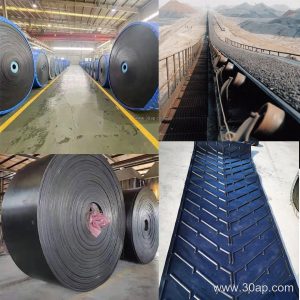
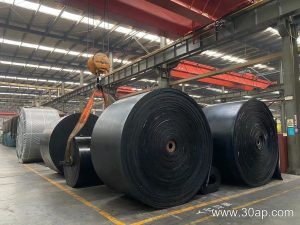
A stainless steel idler roller is a conveyor component that supports the belt and reduces friction as material moves along the line. Unlike painted or galvanized steel idlers, the stainless version uses a corrosion-resistant steel body, which makes it suitable for wet, humid, or chemically exposed areas. In many plants, this idler roller is paired with a rubber conveyor belt or an EP conveyor belt to keep the belt tracking smoothly. The stainless steel idler is not a drive pulley or a tail pulley; it is a free-rotating roller that carries the belt between those main pulleys.
Construction and Key Parts
A typical stainless steel idler consists of a stainless tube shell, bearing housings, a shaft, and seals. The shell is often made from 304 or 316 grade stainless steel, depending on the environment. Bearings such as 6204, 6205, or 6305 are common, but the bearing size must match the shaft and load design, not just the roller diameter. Seals are critical in dusty or wet conditions; a good labyrinth seal helps keep fine particles out and extends service life. The roller surface can be plain steel, or it may have rubber rings for buffer idlers. For stainless steel idlers, the surface is usually the bare stainless tube, which resists buildup and is easy to clean.
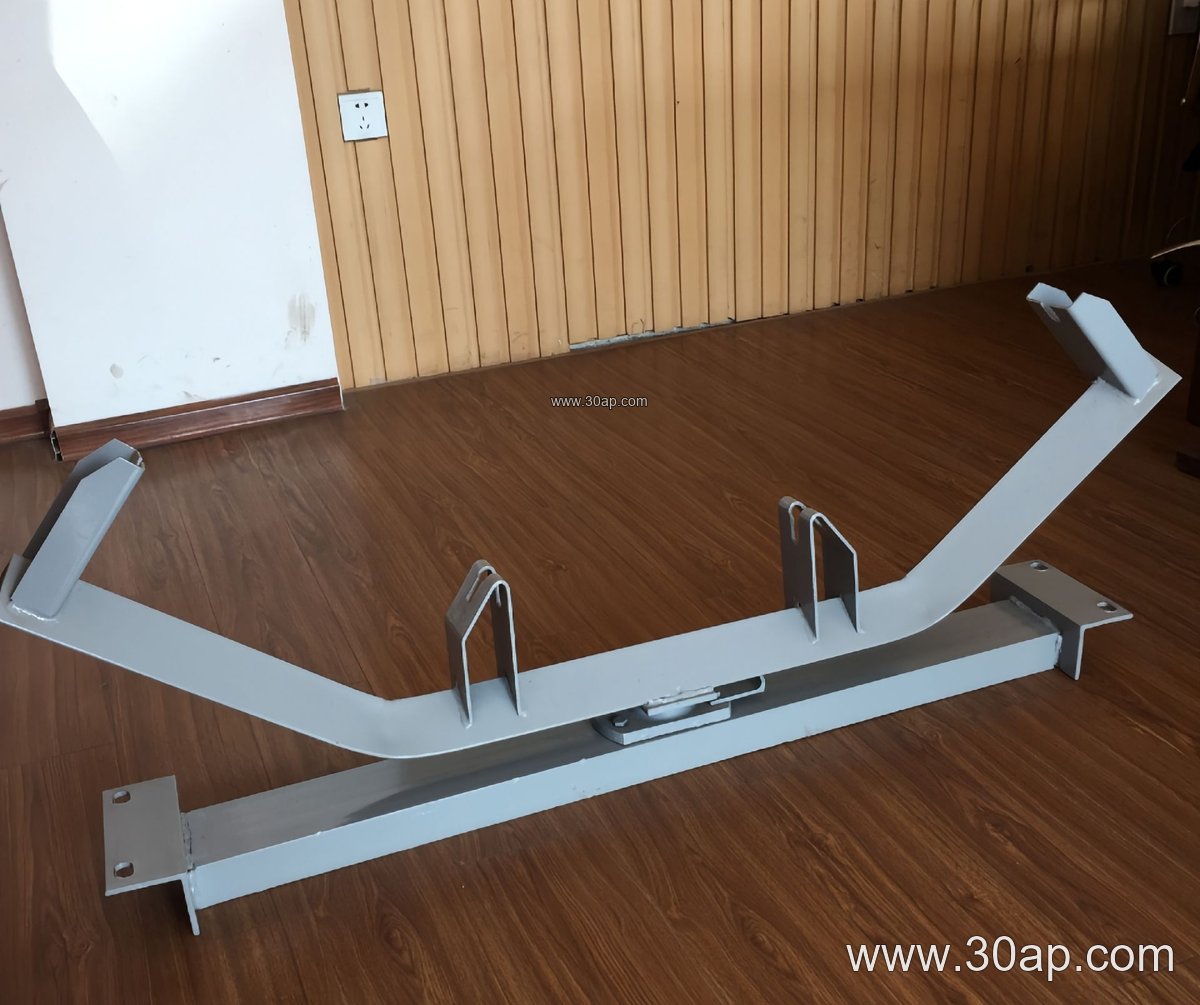
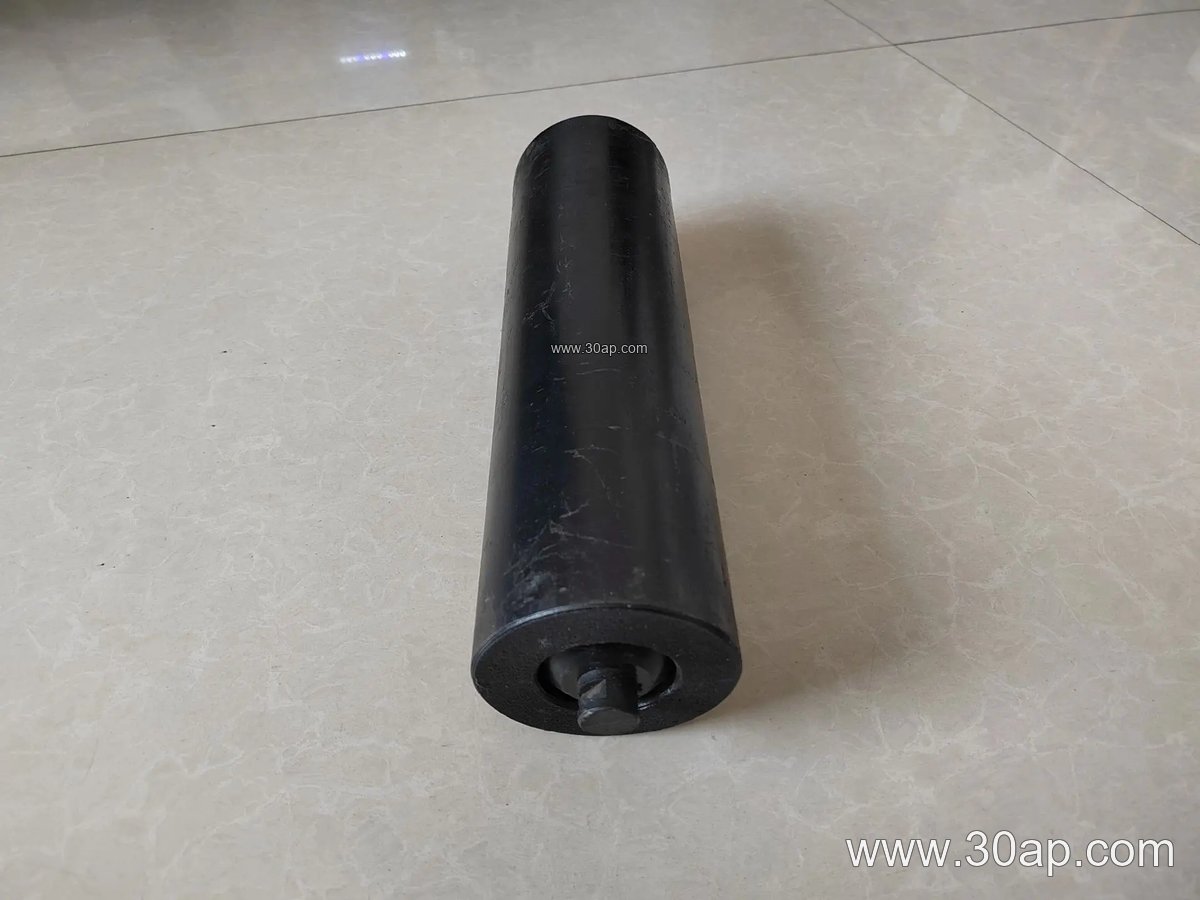
Common Roller Diameters and Belt Widths
Roller diameter and belt width are selected together with the conveyor design. Common diameters include Ø63, Ø76, Ø89, Ø102, Ø108, Ø127, Ø133, Ø159, and Ø178 mm. Belt widths range from B400 to B2400. These are reference values, not fixed combinations. For example, a B800 belt may use a Ø108 idler in one conveyor and a Ø127 idler in another, depending on load and speed. The roller length also varies with belt width and trough angle. A three-roll troughing set for B800 often uses a roll length around 315 mm, while B1200 may use about 465 mm. Side rolls and center rolls can differ, so the exact length is determined by the idler set design.
Where Stainless Idlers Fit Best
Stainless steel idlers are often chosen for plants where washdown, humidity, or corrosive dust is present. In a limestone quarry or a sand and aggregate line, water spray for dust control can cause standard steel idlers to rust. A stainless idler roller reduces that risk. In a cement plant, fine alkaline dust combined with moisture can also shorten the life of painted rollers. Ports and ship loading facilities near saltwater often use stainless idlers on the return side. The food and fertilizer industries may also prefer stainless because it is easier to clean and resists chemical attack. In coal mining, stainless idlers are less common due to cost, but they may appear in wash plants or areas with high moisture. Where a flame retardant conveyor belt or an abrasion resistant conveyor belt is used, the idler must still match the belt width and load.
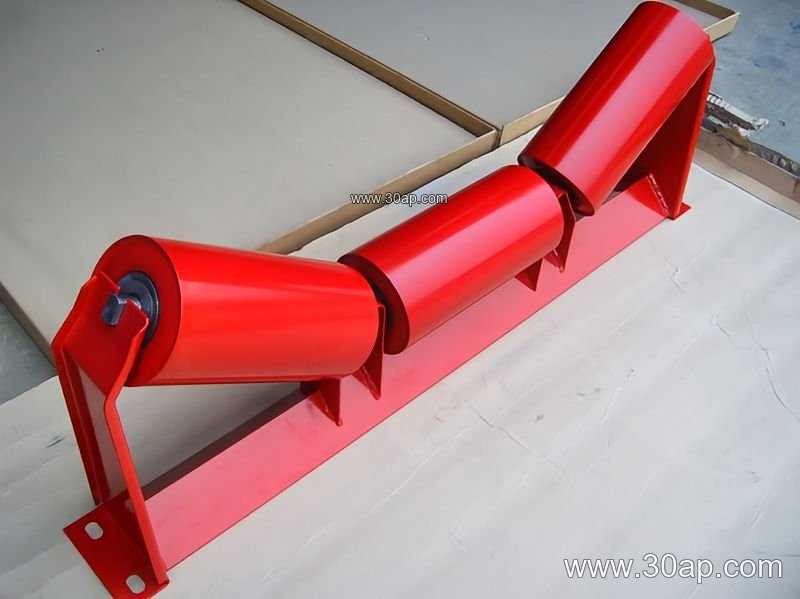
Types and Arrangements
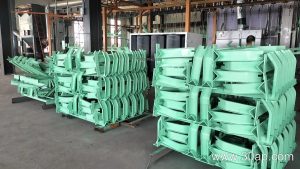
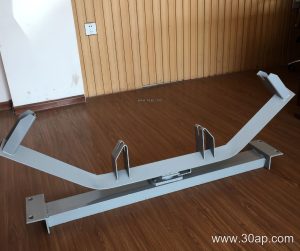
The stainless steel idler can be supplied as a single roll, a two-roll set, or a three-roll troughing set. Trough angles of 20, 30, 35, and 45 degrees are common. For transition zones, smaller rolls or different angles may be used to help the belt change shape smoothly. Return side idlers are often flat or V-shaped. In dusty applications, a spiral idler or a rubber disc idler can help shed material, but the stainless version is usually a plain roll. When belt misalignment is a concern, self-aligning idlers with tapered rolls can be considered, though they are a separate type from the standard carrying idler.
Buyer Checklist
- Confirm the belt width and the idler set arrangement: single, two-roll, or three-roll.
- Check the required roller diameter and shaft size; do not assume a fixed shaft from belt width alone.
- Specify the stainless grade if the environment is corrosive, such as 304 or 316.
- Review the seal type for dust and water resistance.
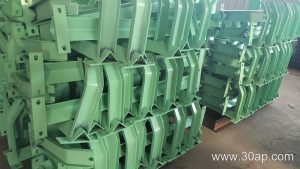
- Match the idler to the conveyor bracket and frame dimensions.
- Consider the belt type, such as a heat resistant conveyor belt or an oil resistant conveyor belt, because temperature and oil can affect bearing life.
For any conveyor project, the stainless steel idler should be selected with the full conveyor layout in mind, including the drive pulley, tail pulley, and bend pulleys. A well-chosen idler roller keeps the belt supported and helps avoid unnecessary downtime in quarry, cement, power, and port operations.