What a Stone Conveyor Idler Does
A stone conveyor idler is the rotating support that carries the belt and the load along a quarry or aggregate conveyor. In a stone crushing line, the material is sharp, heavy and often wet, so the idler roller has to keep the belt tracking while absorbing impact and resisting abrasion. The idler is not a drive component; it works together with the conveyor pulley, the conveyor bracket and the belt itself to keep bulk material moving from the crusher to the screen and stockpile.
Because stone is unforgiving, the choice of idler often matters more than the belt width alone. A well matched idler set reduces belt edge damage, lowers running resistance and keeps the conveyor belt centred under load.
Construction and Common Forms
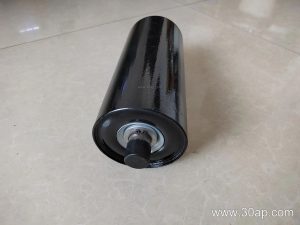
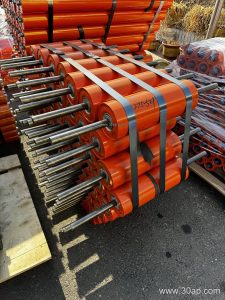
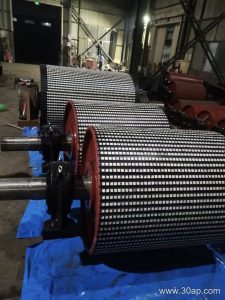
A typical stone conveyor idler is built from a steel tube shell, a shaft, bearing housings and a sealing arrangement. The shell may be plain steel, nylon coated, ceramic covered or fitted with rubber rings. Seals are the quiet hero of the design: in dust and slurry, a good labyrinth seal keeps grit away from the bearing and extends service life.
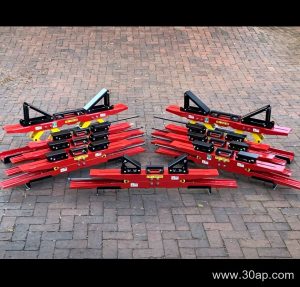
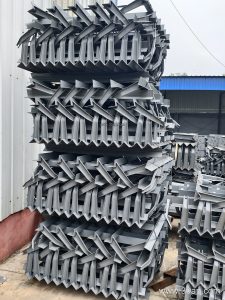
Troughing sets are the most common form on the carrying side, usually three rolls at a trough angle of 20, 30, 35 or 45 degrees. Return sides often use a single flat roll or a V-shaped return idler. Impact zones below the crusher discharge may use impact idlers or rubber ring impact idlers, while self-aligning idlers help correct belt drift on long runs.
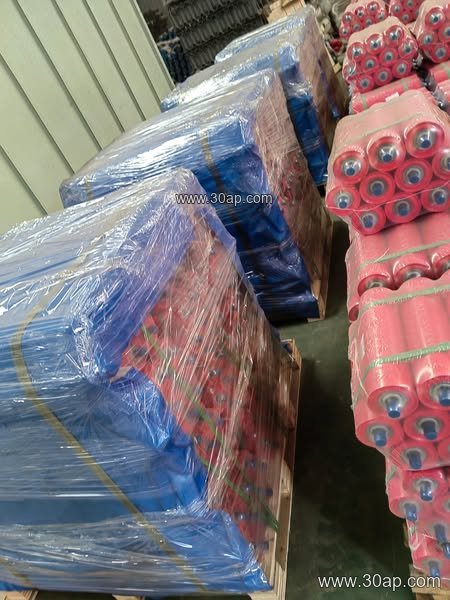
Reference dimensions and bearing options
The table below gives common reference values, not fixed supply rules. Roll length changes with belt width, trough angle and roll arrangement, and the side rolls of a three-roll set can differ from the centre roll.
| Item | Common reference values |
|---|---|
| Roll diameter | Ø63, Ø76, Ø89, Ø102, Ø108, Ø127, Ø133, Ø159, Ø178, Ø194, Ø219 mm |
| Belt width | B400, B500, B650, B800, B1000, B1200, B1400, B1600, B1800, B2000, B2200, B2400 |
| Trough angle | 20°, 30°, 35°, 45° |
| Roll length examples (three-roll troughing) | B500 about 200 mm, B650 about 250 mm, B800 about 315 mm, B1000 about 380 mm, B1200 about 465 mm, B1400 about 530 mm, B1600 about 600 mm, B1800 about 670 mm, B2000 about 750 mm |
| Bearing references | 6204, 6205, 6305, 6306, 6308, 6310 |
| Roll surface | Steel tube, nylon, ceramic, rubber ring |
These values are indicative only. The final shaft, bearing and roll length should be confirmed by the conveyor designer, since a given belt width does not dictate one single pulley or idler size.
Where Stone Conveyor Idlers Are Used
In a quarry or aggregate plant, stone conveyor idlers appear on every section of the belt: under the crusher discharge, along the main haulage conveyor, at the transfer points and on the return run. In a cement plant they carry limestone and clinker; in a power plant coal yard they support coal on the way to the bunker. The same hardware is found in iron ore and copper ore handling, in sand and gravel pits and in tunnel spoil removal.
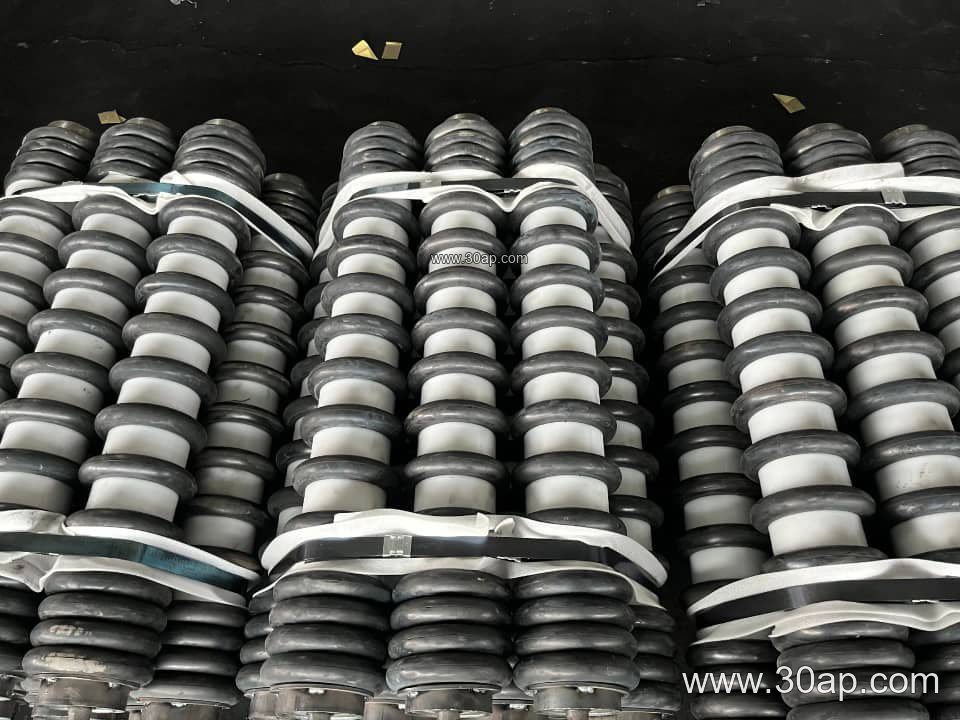
Each duty calls for a different emphasis. A crusher conveyor under a jaw or cone crusher needs impact resistance, while a long overland run in a quarry benefits from low rolling resistance and good sealing. Where the belt carries sticky, wet stone, self-aligning idlers and a properly tensioned belt help prevent spillage.
Buyer Checklist
- Match the idler to the belt width, trough angle and load, not to a single catalogue number.
- Check the sealing system for dusty or wet conditions; this is where cheap idlers fail first.
- Confirm bearing size and shaft diameter with the conveyor designer rather than assuming a fixed pairing.
- Use impact idlers or rubber ring idlers at transfer points and crusher discharges.
- Consider the belt itself: a heavy-duty abrasion resistant conveyor belt or a high abrasion resistant conveyor belt on sharp stone may outlast a lighter belt and reduce idler wear.
- For dusty, potentially explosive areas such as coal handling, specify flame retardant and anti-static belt properties and check idler earthing.
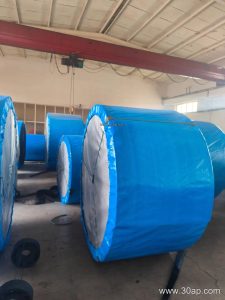
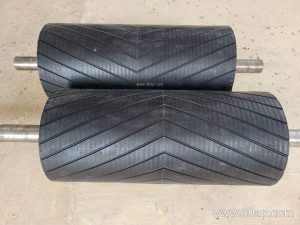
On the belt side, the idler works with whatever belt is fitted. An EP conveyor belt or multi-ply fabric core conveyor belt is common in aggregate plants, while a steel cord conveyor belt suits long, high-tension overland runs. A chevron conveyor belt or corrugated sidewall conveyor belt changes the load pattern and should be reviewed with the idler spacing. In cold climates a cold resistant conveyor belt, and in hot clinker service a heat resistant conveyor belt, are worth considering alongside the idler specification.
Maintenance Notes
Inspect idlers for seized bearings, worn shells and missing rubber rings. Re-grease sealed bearings only where the design allows it, and replace a failed return idler before it damages the conveyor belt. Keep the conveyor bracket bolts tight and check alignment after any belt splice. For spare parts, record the roll diameter, belt width and bearing reference so the next order matches the existing set.
For further information on stone conveyor idler options and compatible conveyor components, contact the supplier with your belt width, trough angle and duty description.