What a Thermal Power Plant Conveyor Pulley Does
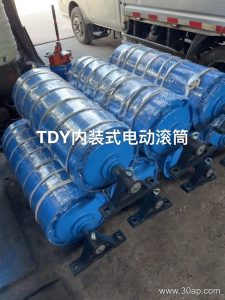
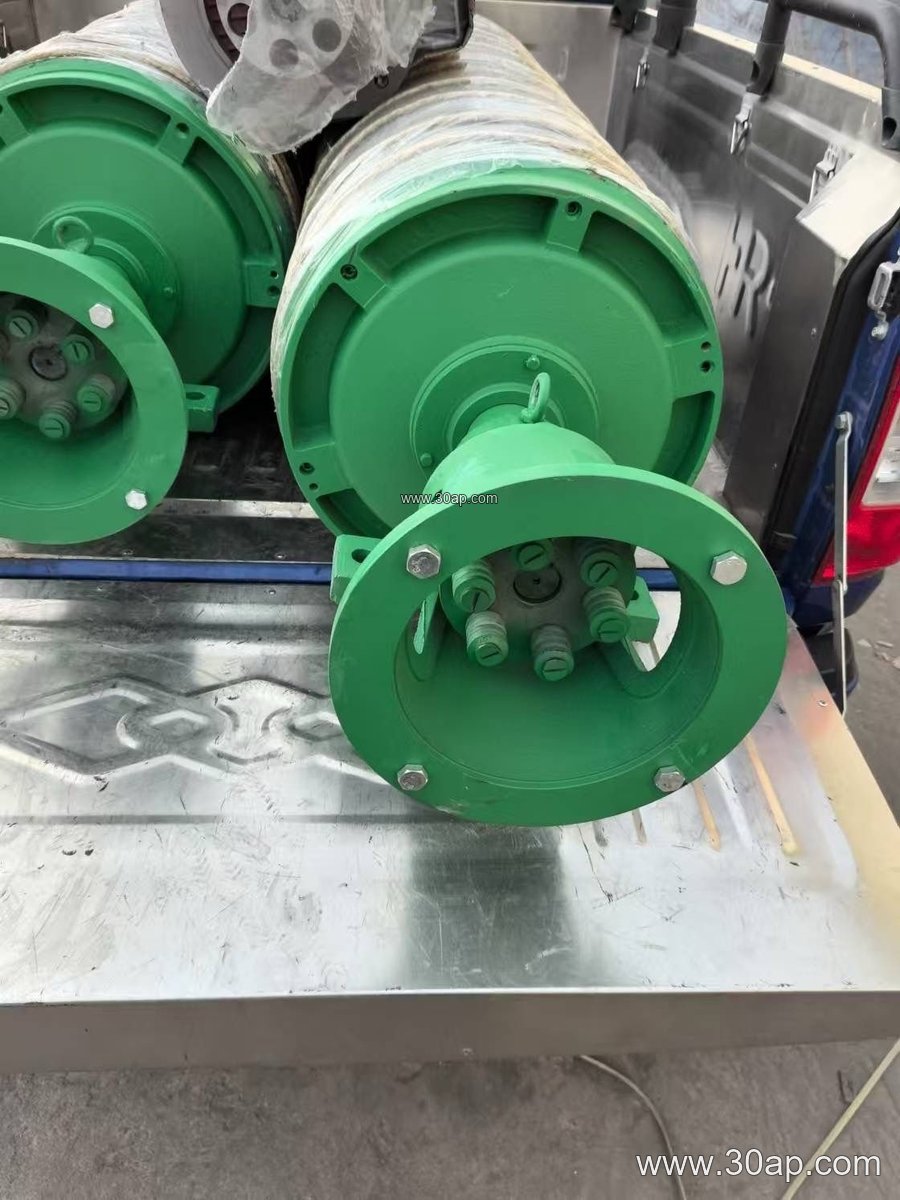
In a coal-fired power station, the coal handling system moves fuel from the stockyard or receiving station to the boiler bunkers. The thermal power plant conveyor pulley is the rotating component that drives the conveyor belt, maintains its tension, and guides its path. Unlike a simple idler roller that only supports the belt, a pulley transmits power or changes direction. At the head of the conveyor, the drive pulley pulls the belt; at the tail, the tail pulley redirects it; along the route, bend pulleys and take-up pulleys keep the belt aligned and tensioned. Each subtype has a distinct role, and they are not interchangeable.
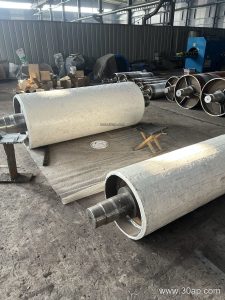
A typical coal conveyor in a power plant may use a B1200 or B1400 belt width, with pulleys sized to match the load. The pulley itself is a welded steel drum with a shaft, hubs, and a lagging surface. The design must handle continuous operation, coal dust, and occasional surges in load. For reliable performance, the pulley works together with a conveyor pulley that is properly matched to the belt and the conveyor structure.
Construction and Surface Options
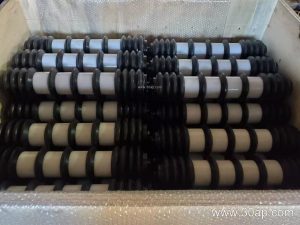
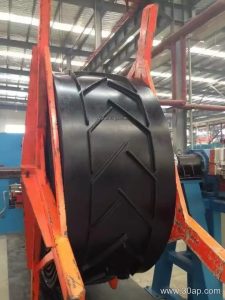
Most thermal power plant conveyor pulleys are fabricated from carbon steel plate rolled into a cylinder and welded to end discs. The shaft is press-fitted or keyed into the hubs. Surface lagging protects the belt from slip and wear. Common lagging types include plain rubber, diamond pattern, herringbone, and ceramic. Rubber lagging thickness often ranges from 8 mm to 20 mm, with 10 mm or 12 mm typical for medium-duty drives. Diamond or herringbone patterns improve grip in wet or dusty conditions, while ceramic lagging suits high-torque drives where abrasion is severe.
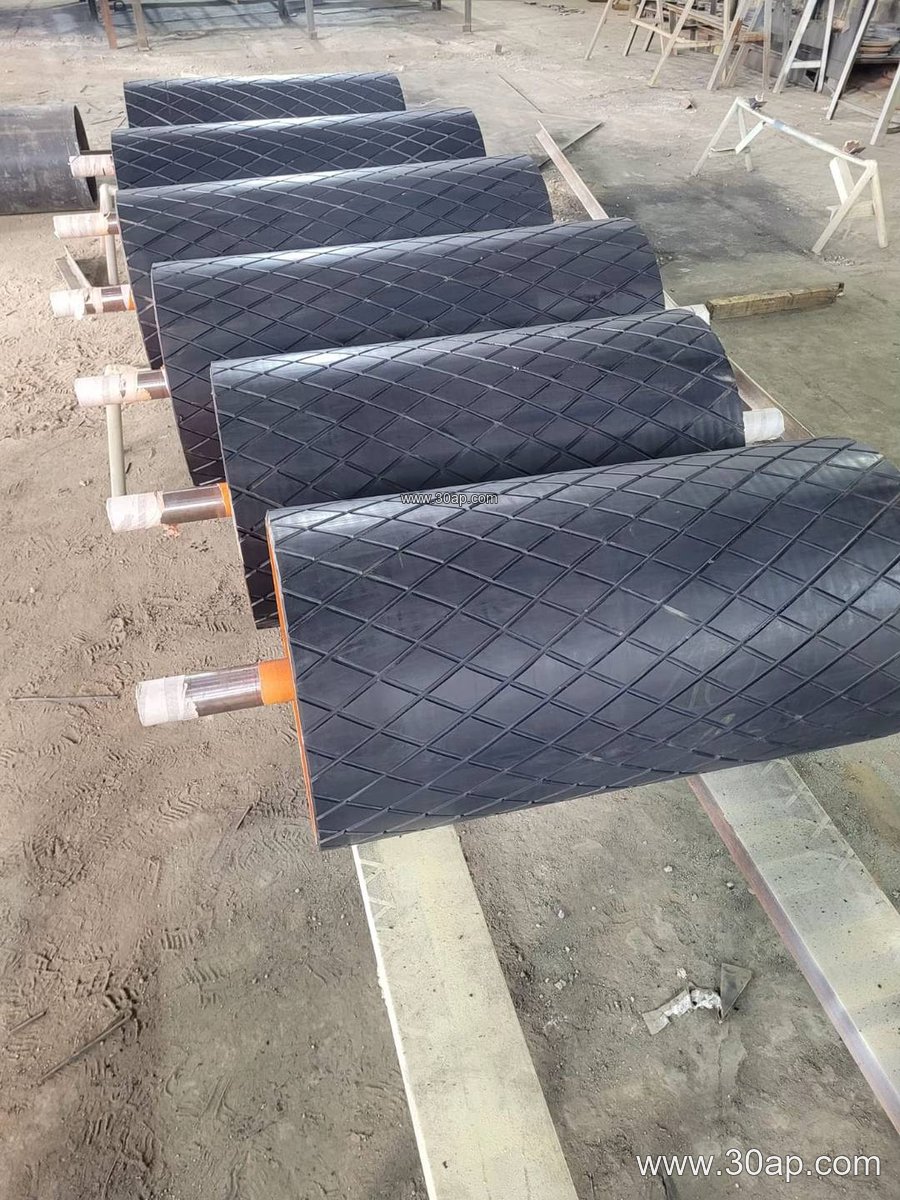
Dimensions are selected by design. For example, a B800 conveyor might use a Ø500 pulley at the tail, while a B1400 conveyor could use a Ø800 or Ø1000 drive pulley. The pulley face width is usually slightly wider than the belt—B800 about 950 mm, B1000 about 1150 mm, B1200 about 1400 mm. Shaft diameter is determined by torque and load, not by belt width alone. Common shaft sizes include Ø80, Ø100, Ø120, and Ø140, but these are reference values, not fixed rules.
Where It Fits in the Coal Handling System
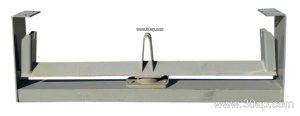
Thermal power plants rely on a network of conveyors to feed coal from the yard to the bunkers. The drive pulley is often located at the head transfer point, while the tail pulley sits at the loading zone. Bend pulleys and take-up pulleys are placed along the return run to maintain tension. In a typical layout, a thermal power plant conveyor pulley may be paired with a flame retardant conveyor belt and impact idler rollers at the loading point. The pulley must be aligned with the conveyor bracket and the belt path to prevent misalignment and edge damage.
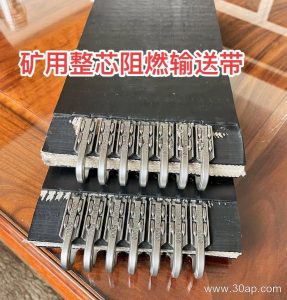
Other industries use similar pulleys—quarries, cement plants, and steel mills all rely on belt conveyors—but the power plant environment demands particular attention to dust and fire safety. A fire resistant conveyor belt is often specified, and the pulley lagging should be selected to avoid static buildup. In some cases, an anti-static conveyor belt is used alongside the pulley to reduce ignition risk.
Buyer Checklist for Pulley Selection
When specifying a thermal power plant conveyor pulley, consider the following:
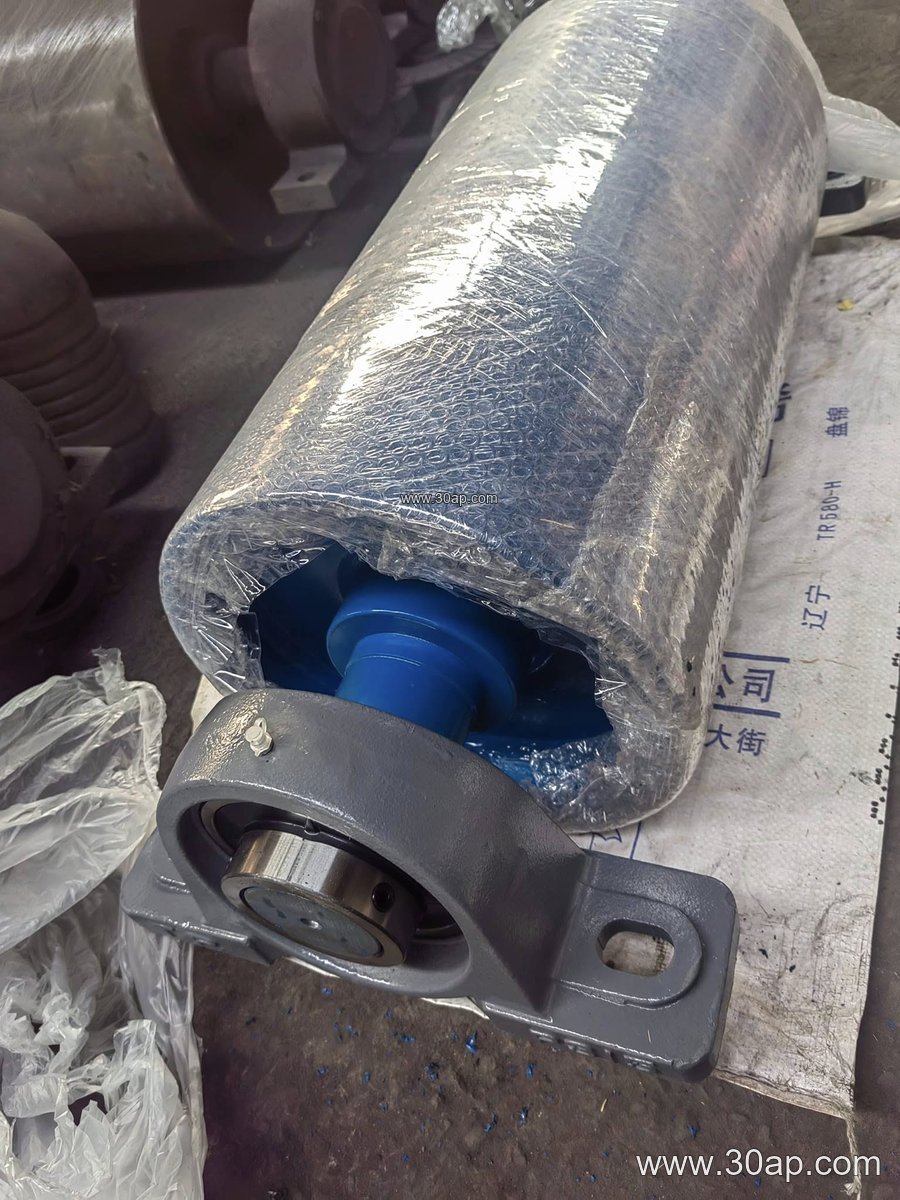
- Belt width and pulley face width – ensure the pulley face is wider than the belt, e.g., B1000 with about 1150 mm face.
- Diameter and shaft size – diameter affects belt life and torque capacity; shaft size must be calculated from actual load, not guessed from belt width.
- Lagging type and thickness – choose plain, diamond, or ceramic based on slip risk and abrasion.
- Bearing and bearing housing – sealed for dusty conditions; check compatibility with the conveyor bracket.
- Balancing and runout – critical for high-speed pulleys to avoid vibration.
For a coal mining conveyor belt system, the drive pulley may need a larger diameter to reduce belt stress. A B1400 × Ø800 combination is common, but a B1400 × Ø1000 may be used for higher tension. Always confirm with the conveyor designer.
Maintenance and Longevity
Regular inspection of the pulley lagging, shaft, and bearings prevents unplanned outages. Check for worn lagging, loose bolts, and belt misalignment. Clean coal dust from the pulley surface to maintain friction. Lubricate bearings according to the manufacturer’s schedule. When replacing a pulley, match the subtype—drive, tail, bend, or take-up—to the original function. Using a bend pulley in a drive position is not acceptable.
In summary, the thermal power plant conveyor pulley is a critical component that requires correct selection and care. By understanding its construction, surface options, and application, buyers can ensure reliable coal handling for the power station.