What the EP300 Conveyor Belt Is
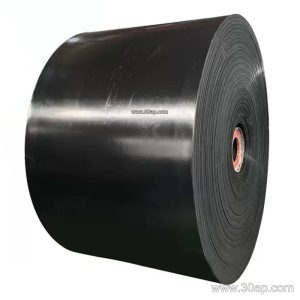
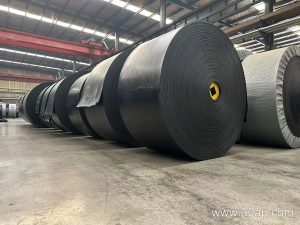
An EP300 Conveyor Belt is a fabric-core rubber belt built on polyester warp and polyamide weft (EP) plies, with a nominal tensile strength of 300 N/mm per ply. In practical terms it sits in the middle-to-heavy range of fabric belts: stronger than EP200, lighter and more flexible than a steel cord belt, and able to handle long center distances in mines, cement works, power plants, and sand and gravel yards without the stiffness of ST constructions.
Buyers often meet it under an equivalent name, the EP Fabric Core Conveyor Belt, or simply as an EP rubber conveyor belt. These all refer to the same product family; the EP300 figure describes the carcass strength, not the cover grade.
Construction and Cover Options
The carcass is made of multiple EP plies, commonly two to six layers depending on the required strength and belt width. A rubber skim between plies bonds the fabric together, and top and bottom covers protect the carcass from abrasion, impact, and moisture.
Typical cover thickness combinations, stated as top plus bottom in millimeters, include:
- 3 + 1.5 mm for lighter duty and smaller lumps
- 4 + 2 mm for general aggregate and cement service
- 5 + 2 mm for heavier ore and rock handling
- 6 + 2 mm and 8 + 3 mm for high-impact crusher and primary feed positions
Cover compound can be selected for the duty: abrasion resistant grades for quarry and ore work, flame retardant and anti-static grades for underground coal mining, heat resistant grades near kilns and sinter plants, oil resistant grades for recycled oil and some industrial feeds, and cold resistant grades for outdoor winter operation. These are property choices layered onto the same EP300 carcass.
Common Widths and Strength Range
EP300 belts are produced across a wide width range. The table below shows representative figures; actual availability depends on the manufacturer and should be confirmed at inquiry.
Reference Data
| Property | Common Range |
|---|---|
| Nominal strength | EP300 (300 N/mm per ply) |
| Belt widths | B500, B650, B800, B1000, B1200, B1400, B1600, B1800, B2000 mm |
| Ply count | 2 to 6 plies, by design |
| Cover thickness | 3+1.5, 4+2, 5+2, 6+2, 8+3 mm |
| Special forms | Chevron, corrugated sidewall, skirted, endless |
For comparison, an EP200 belt is thinner and lighter for lower tensions, while EP400 and EP500 belts carry more load per ply. The choice follows the calculated belt tension, not width alone. A wider belt is not automatically matched to a larger pulley, and shaft diameter must be derived from the drive design rather than from belt width.
Where It Fits in the Plant
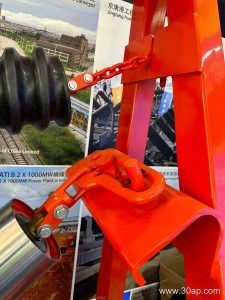
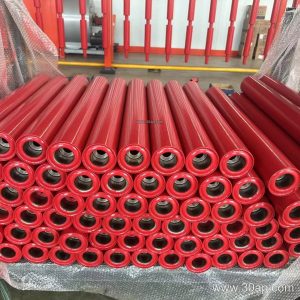
Typical duties include primary and secondary crushing circuits, cement clinker and raw meal transport, coal handling in power stations, and iron ore, copper ore, or gold ore lines. A heavy-duty mining conveyor belt of this class is often paired with impact idler rollers at transfer points, a conveyor pulley at the head and tail, and conveyor brackets that keep the frame aligned.
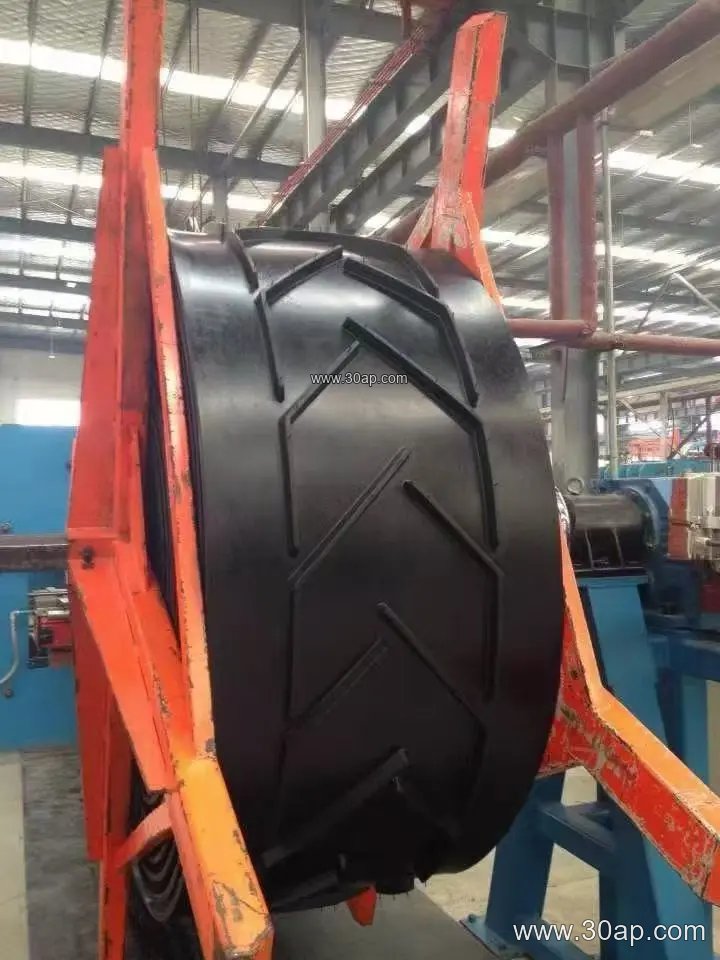
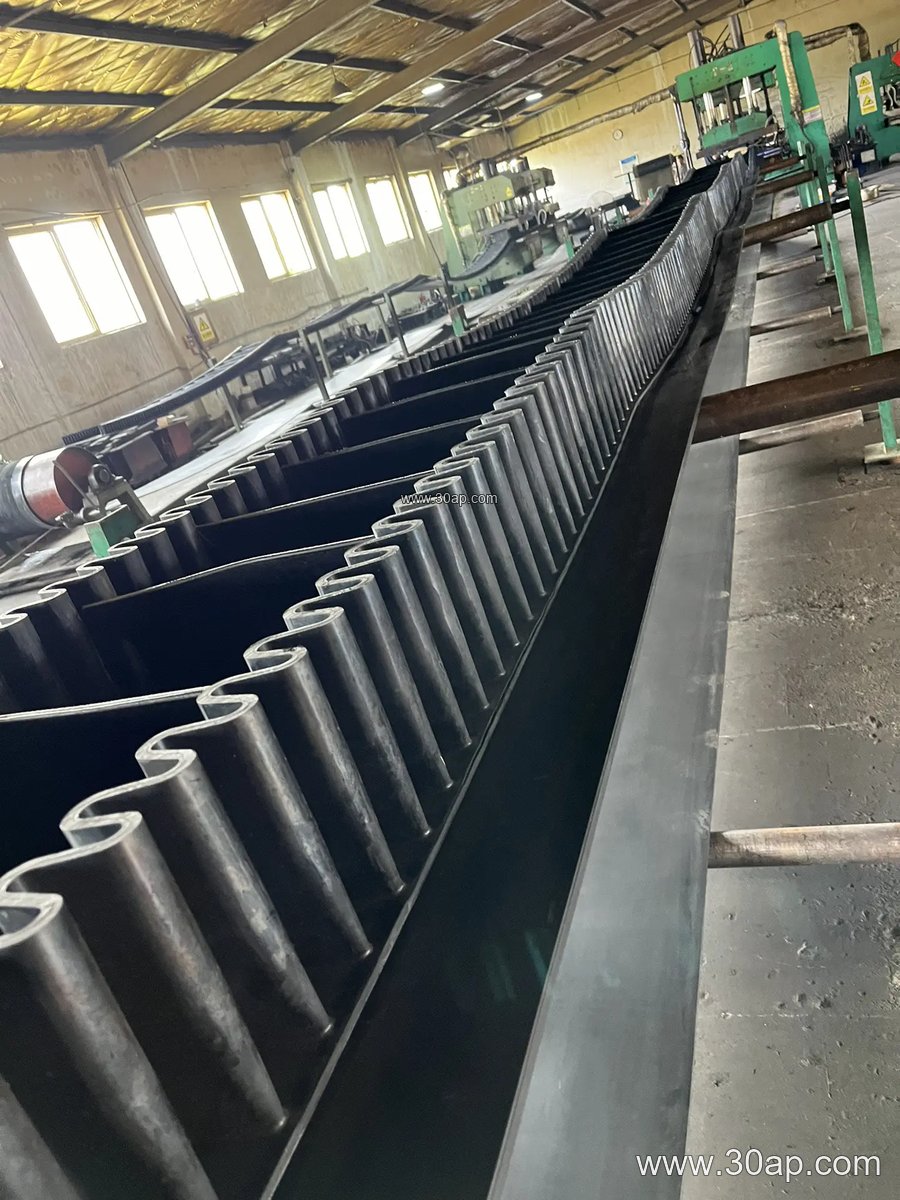
Special variants extend the reach. A chevron conveyor belt suits inclined haulage where material would otherwise slide back. A corrugated sidewall belt handles steep lifts with cleats and side walls. A pipe conveyor belt encloses the load for dust control, and an endless belt is spliced closed for shuttle or short-center service. These are forms of the same EP carcass, chosen to fit the route.
Selection and Maintenance Notes
When specifying, provide the material type, lump size, capacity in tonnes per hour, trough angle, pulley diameters, and the ambient and material temperatures. Confirm whether the site needs a flame retardant or fire resistant conveyor belt, and whether anti-static properties are required. For food or clean applications, a food grade cover can be requested, though EP belts are more often found in heavy bulk service.
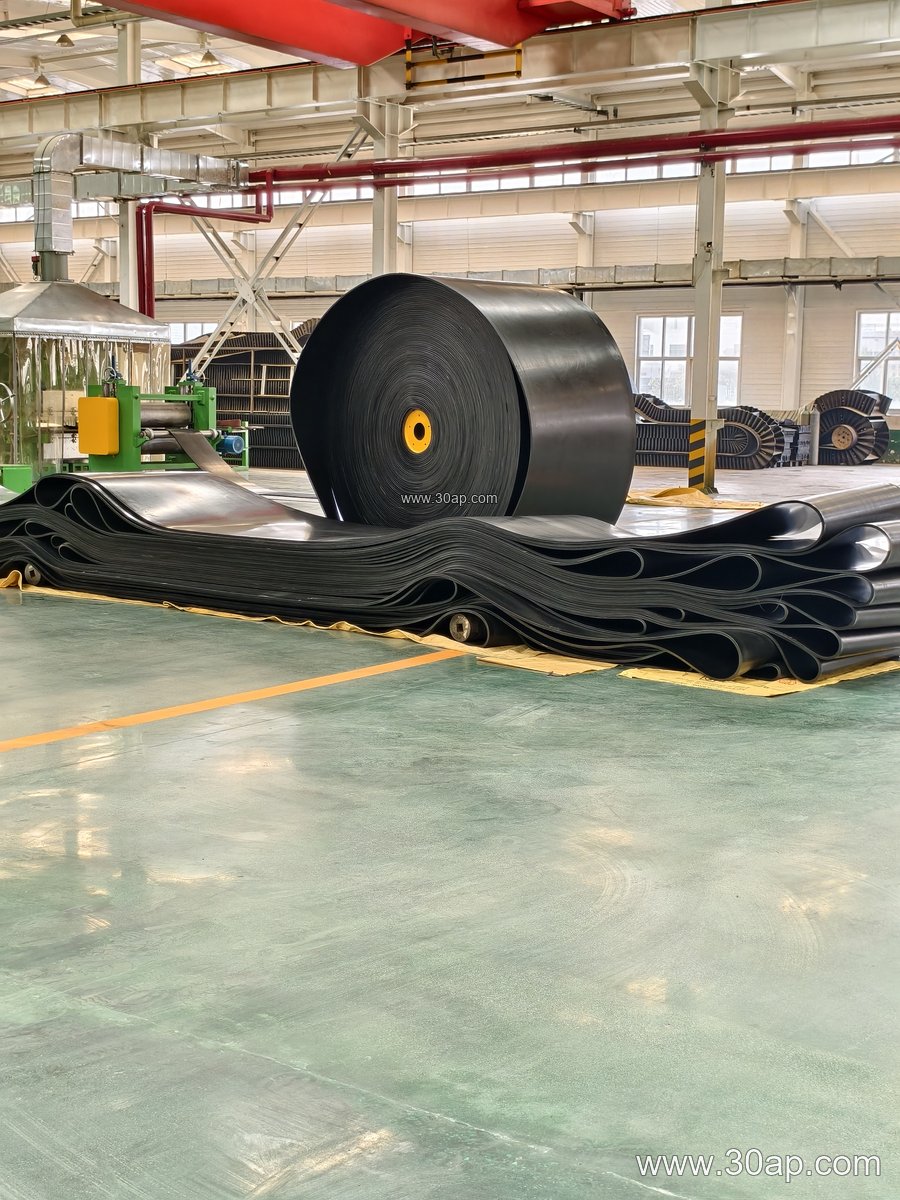
In use, check belt tracking at the tail pulley, keep idler rollers turning freely, and watch for edge damage that can let moisture into the plies. Store spare belts on a dry pallet, away from direct sunlight, and rotate stock. Splice quality matters more than nominal strength on long runs, so use a vulcanized splice where the tension allows.
For buyers comparing options, fabric belts such as NN conveyor belt and EP conveyor belt constructions cover most medium-tension duties, while steel cord designs take over at very high tensions and long centers. Matching the EP300 belt to the actual duty, cover grade, and splice method gives the longest service life at the lowest whole-life cost.