What a 1500mm Wide Conveyor Belt Is
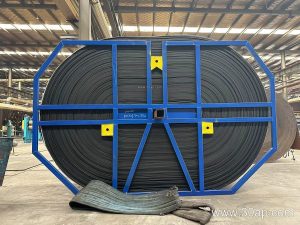
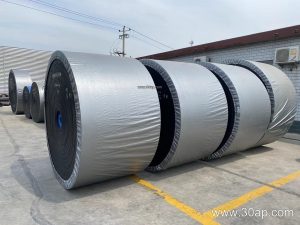
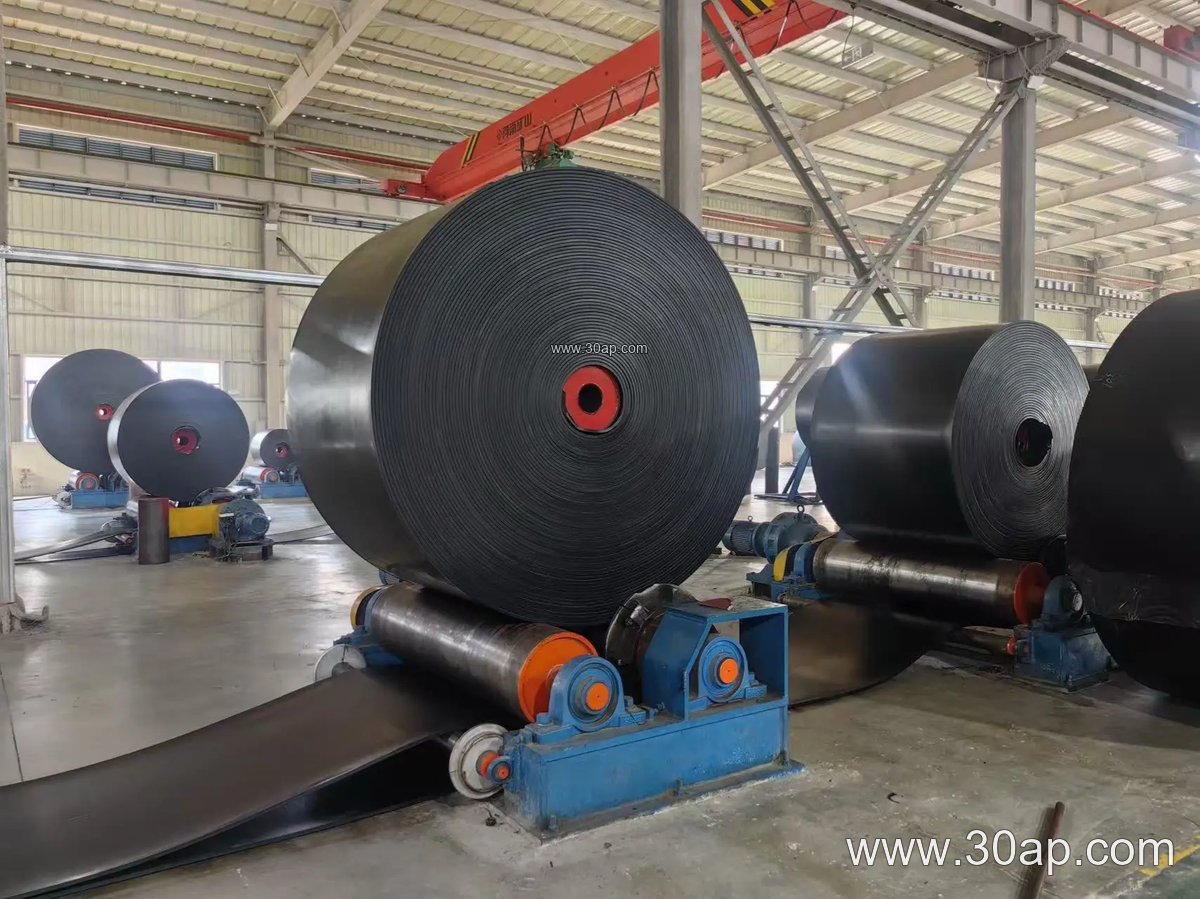
A 1500mm wide conveyor belt is a heavy-duty belting product built for conveyor systems that need to move large volumes of bulk material in a single pass. At 1.5 meters across, it sits in the wide-belt category, above common 1000mm and 1200mm sizes but below extra-wide belts such as 1800mm and 2000mm. The extra width raises throughput and spreads the load across more of the carcass, which suits main haulage lines in mines, quarries, cement plants, power stations, ports, and sand and gravel yards.
Buyers often describe this product simply as a 1500mm conveyor belt or a wide conveyor belt. It is the same item, and the width is the defining dimension. The belt may be supplied as an EP conveyor belt, an NN conveyor belt, a steel cord conveyor belt, or a PVC/PVG belt depending on the duty.
Construction and Common Specifications
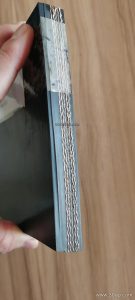
The carcass carries the tension, while the cover rubber protects it from abrasion, impact, heat, oil, or fire. Fabric-core belts usually use EP or NN plies; heavy main lines may use steel cord. Cover thickness is stated as top plus bottom, for example 6+2 mm or 8+3 mm. The values below are typical reference points, not fixed supply promises.
| Parameter | Common Reference Range |
|---|---|
| Belt width | 1500 mm (B1500) |
| Carcass type | EP, NN, steel cord, PVC, PVG |
| Fabric plies | 2 to 6 layers, often 4 to 5 for this width |
| EP strength grades | EP200, EP315, EP400, EP500, EP630, EP800, EP1000, EP1250 |
| Steel cord grades | ST1000, ST1250, ST1600, ST2000 |
| Cover thickness | 4+2, 5+2, 6+2, 8+3 mm |
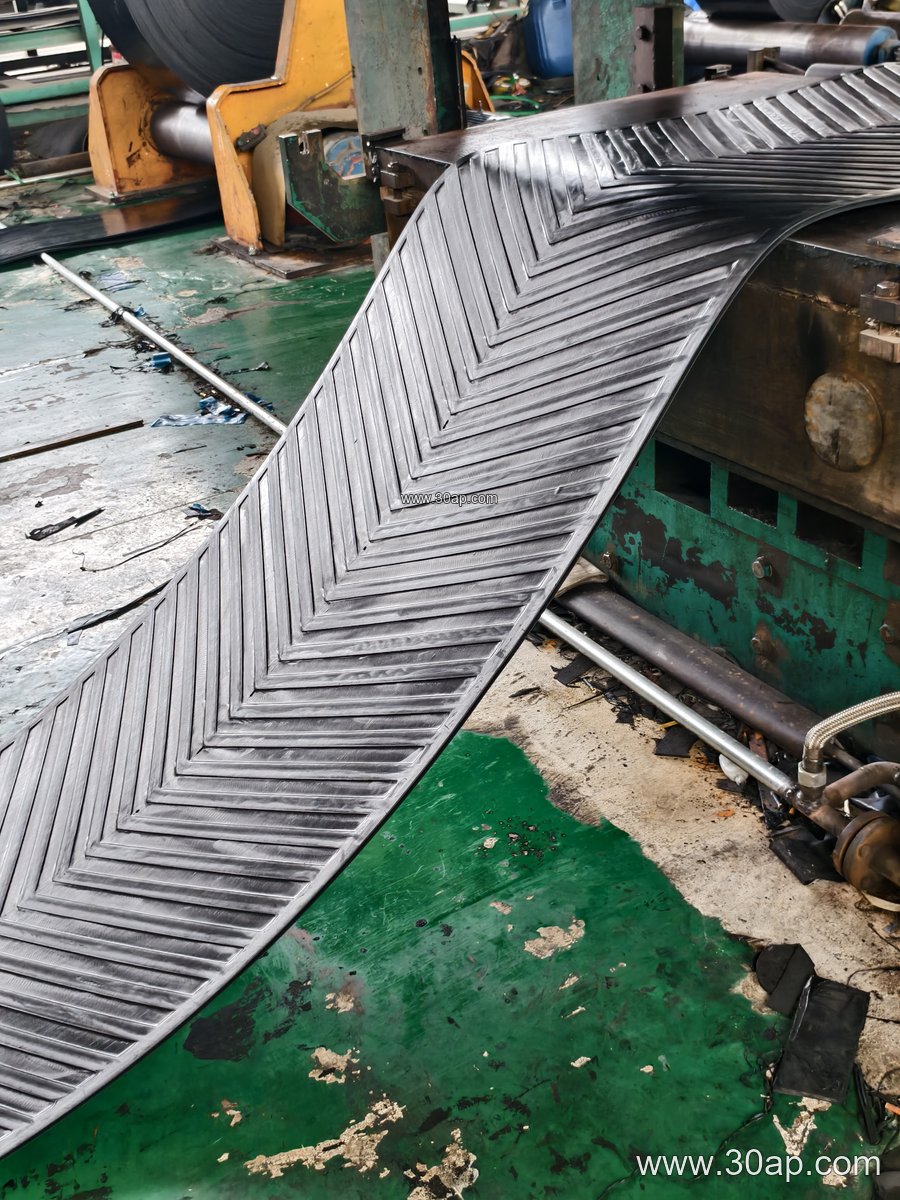
| Surface forms | smooth, chevron, corrugated sidewall, skirted |
Where This Width Fits
Wide belting appears where lump size and tonnage are both high. In an iron ore or copper ore terminal, a 1500mm wide conveyor belt can feed ship loaders and stockyard systems. In cement plants it may carry clinker or limestone from crusher to silo. In coal mining, flame retardant and anti-static grades are usual for underground mining conveyor belts, while surface coal handling often uses abrasion resistant covers. Quarry and aggregate operations favor heavy-duty mining conveyor belts with thick covers to resist sharp rock.
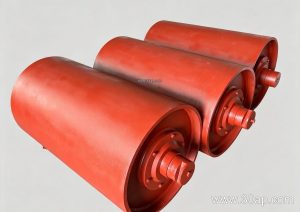
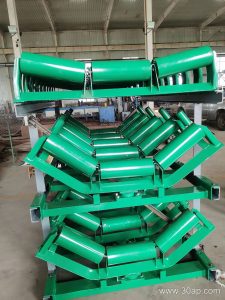
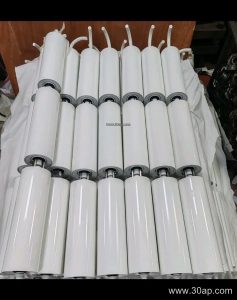
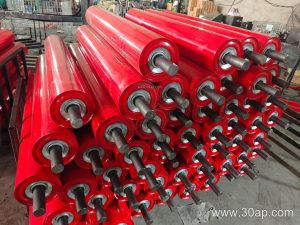
The belt works with a full conveyor package: idler rollers support the loaded strand, a drive pulley transmits power, a tail pulley returns the belt, and bend pulleys route it through transitions. Conveyor brackets and frames hold these components in alignment. Width and pulley diameter are matched by conveyor design, not by a single fixed rule, so the same belt width can run on different pulley sizes.
Selecting the Right Belt
- Material and lump size: sharp, heavy rock calls for high abrasion resistance and impact resistance; fine dusty cargo may need anti-static properties.
- Environment: underground coal work typically requires a flame retardant conveyor belt and fire resistant conveyor belt; hot clinker needs a heat resistant conveyor belt; oily scrap favors an oil resistant conveyor belt.
- Load and incline: steep inclines may use a chevron conveyor belt; confined transfer points may use a corrugated sidewall conveyor belt or skirted conveyor belt to contain material.
- Tension demand: long, high-lift lines may justify a steel cord conveyor belt, while medium lines often use a multi-ply fabric core belt such as an EP conveyor belt or NN conveyor belt.
- Joint type: an endless conveyor belt reduces splice risk on critical lines.
For a 1500mm wide belt, confirm the splice method, cover grade, and edge condition with the supplier. Also review pulley lagging, idler spacing, and transition distance, because a wide belt needs proper support to avoid edge damage.
Installation and Maintenance Notes
Track alignment early. A 1500mm wide conveyor belt is less tolerant of misaligned idler rollers and skewed pulleys than a narrow belt, and edge wear often starts at the tail or at a bend pulley. Check cover wear, ply separation, and splice condition on a routine schedule. Keep the belt cleaner and skirt rubber adjusted so material does not lodge under the edges.
Store spare belting flat and shaded, and rotate stock. When replacing a belt, record the strength grade, cover thickness, and width so the next order matches the conveyor design rather than guesswork.