What the NN300 Conveyor Belt Is
The NN300 Conveyor Belt is a heavy-duty fabric core belt built on nylon (NN) warp and weft canvas. In the naming system used across the conveyor industry, the number indicates the nominal tensile strength of the carcass per unit width, so NN300 sits in the middle-to-high range of the nylon belt family, above NN100 and NN200 and below NN400. Buyers often describe it as an NN Conveyor Belt, a nylon Fabric Core Conveyor Belt, or simply a Multi-Ply Fabric Core Conveyor Belt, and all of these refer to the same product category.
Compared with an EP Conveyor Belt, which uses polyester warp and nylon weft, the all-nylon carcass of the NN300 delivers high elongation under load, good fatigue resistance and strong resistance to repeated flexing at pulleys. That behaviour suits long center distances and drives that start and stop frequently. Where very long lifts or extreme tensions are involved, a Steel Cord Conveyor Belt may be the better route, but for many mid-range bulk handling duties the NN300 remains a practical workhorse.
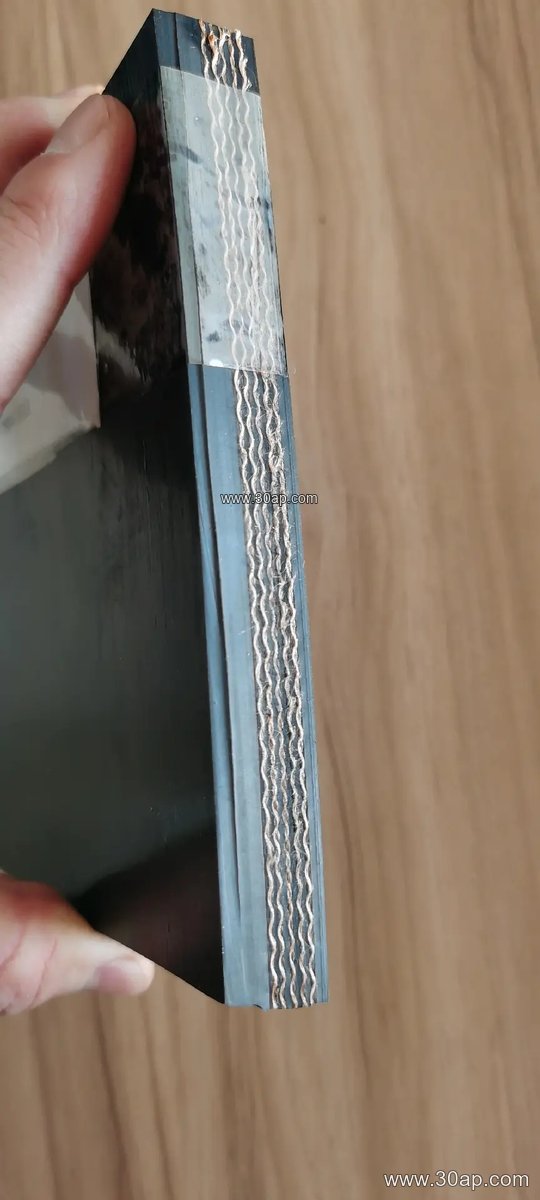
Construction and Typical Specifications
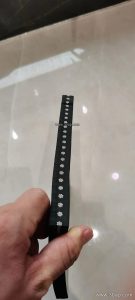
The belt is normally built from two to six plies of nylon canvas, bonded with a rubber skim and protected by top and bottom cover rubber. Cover thickness, ply count and rubber grade are specified per application rather than fixed by the model number alone. The table below shows common reference values; actual supply is confirmed by the manufacturer’s design.
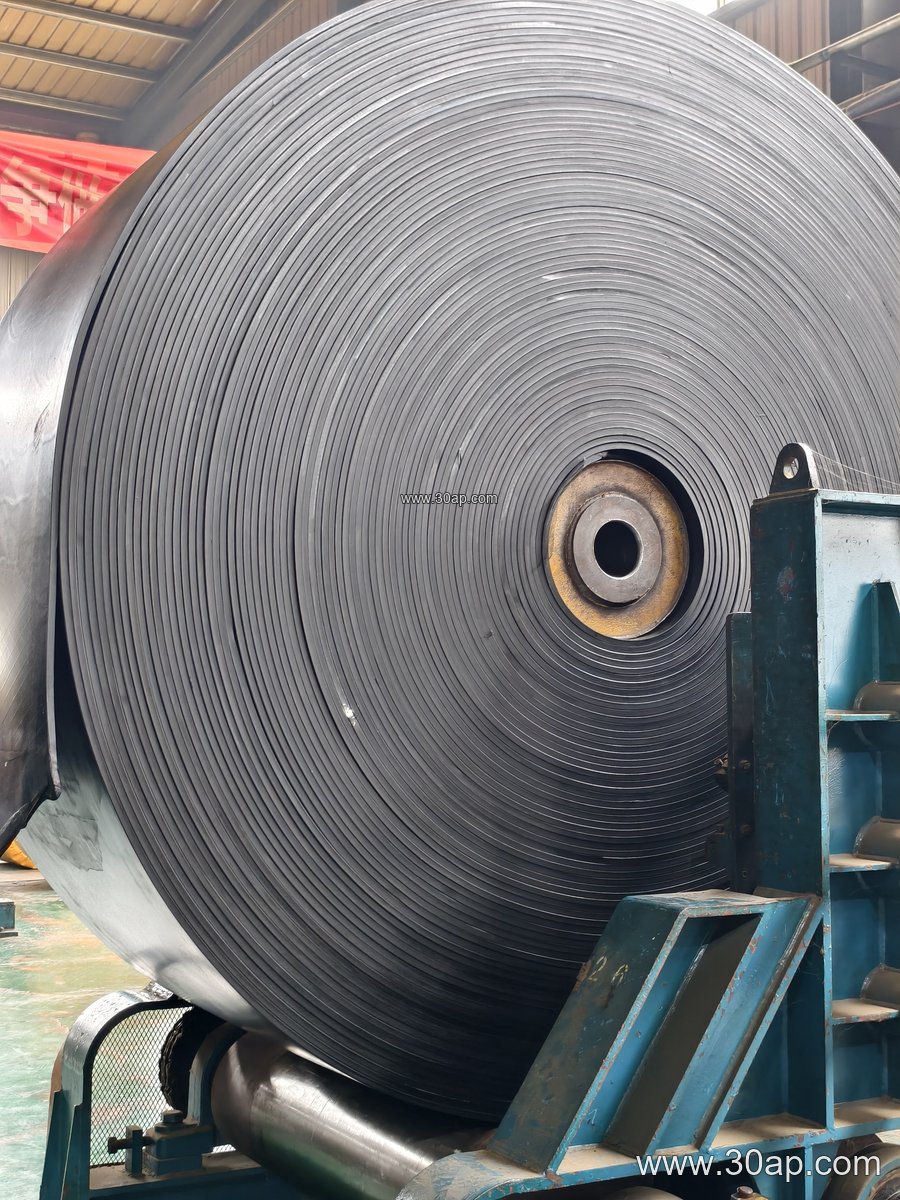
- Carcass: nylon canvas, typically 2 to 6 plies
- Strength class reference: NN100, NN200, NN300, NN400
- Cover rubber combinations: usually 3+1.5, 4+2, 5+2, 6+2 or 8+3 mm
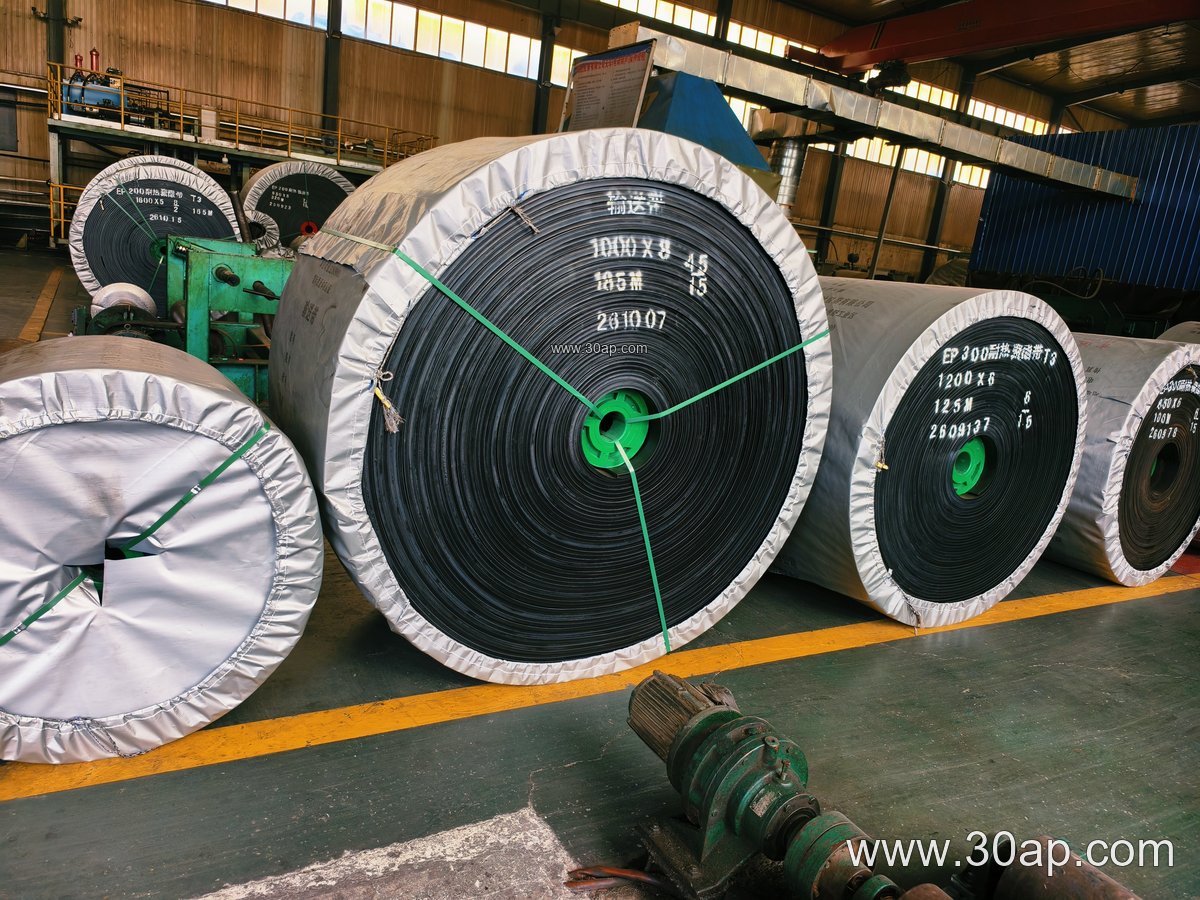
- Belt width references: B500, B650, B800, B1000, B1200, B1400, B1600, B1800, B2000
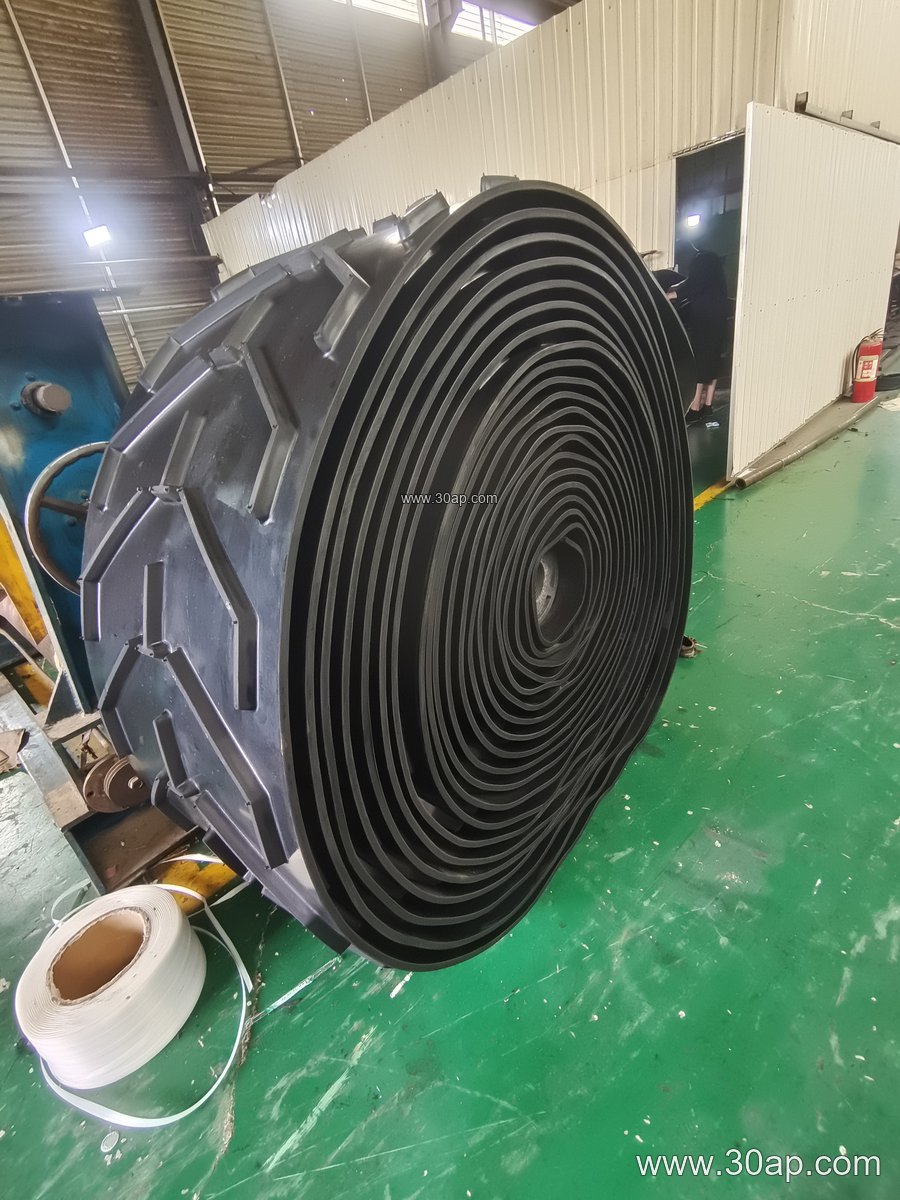
- Surface options: plain, chevron or other patterned covers when extra grip is needed
Width and pulley diameter are matched through the conveyor design, not by a single fixed rule. A wider belt such as a 1200mm or 1400mm unit does not automatically dictate one specific pulley size, and shaft dimensions should always come from the conveyor engineer’s calculation rather than from the belt width alone.
Where It Fits in the Plant
Quarries and sand and gravel yards use the NN300 for primary and secondary crushing circuits, where sharp rock and continuous impact punish the cover. A stone crushing line feeding a screen deck is a typical home for an Abrasion Resistant Conveyor Belt grade of this carcass. In cement plants the belt moves clinker, limestone and raw meal between crushers, silos and kilns, and a Heat Resistant Conveyor Belt version may be chosen for hot clinker service.
Coal handling is another common field. Power plants and coal preparation facilities often ask for a Flame Retardant Conveyor Belt or Fire Resistant Conveyor Belt construction, and underground coal mining operations may combine that with Anti-Static Conveyor Belt properties. Mines handling ore benefit from the carcass toughness, and a Heavy-Duty Mining Conveyor Belt specification with thicker covers is common on coarse, jagged feed.
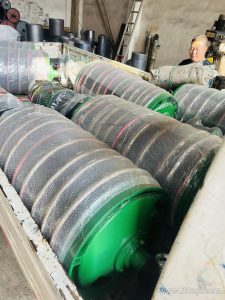
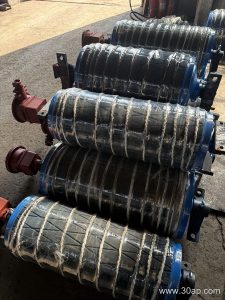
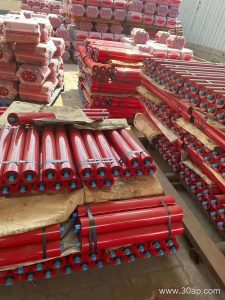
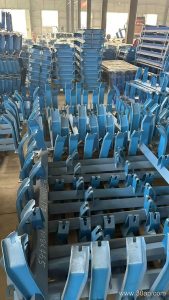
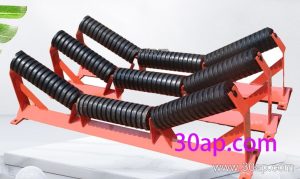
Around the belt, the conveyor pulley, idler roller and conveyor bracket set the running geometry. The drive pulley, tail pulley and bend pulley each do a different job, and none of them can be swapped for another without a design review. Correct alignment of the idler roller frames and brackets keeps the belt tracking straight and extends cover life.
Selecting and Maintaining the Right Grade
Selection starts with the material: lump size, moisture, temperature and chemical exposure. Wet, sticky feed may call for a Chevron Conveyor Belt or a Corrugated Sidewall Conveyor Belt to prevent rollback and spillage, while fine dusty cargo in a closed circuit might suit a Pipe Conveyor Belt. For oily scrap or recycled material, an Oil Resistant Conveyor Belt compound protects the carcass from swelling. Cold climates may need a Cold Resistant Conveyor Belt grade so the cover does not crack at start-up.
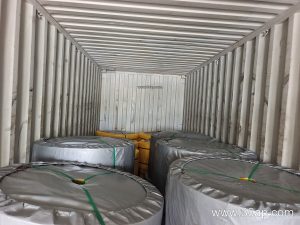
Maintenance is mostly about the splices and the edges. Check fastener or vulcanized joints at regular intervals, keep the idler roller turning freely, and watch for material buildup on the tail pulley. An Endless Conveyor Belt splice reduces joint fatigue on high-cycle lines. Store spare rolls flat, away from sunlight and ozone sources, and keep the belt clean before it enters the return run. Following these habits, an NN300 belt in a well-designed conveyor usually gives long, predictable service in mining, cement, power and aggregate operations.