What the Bend Pulley Assembly Covers
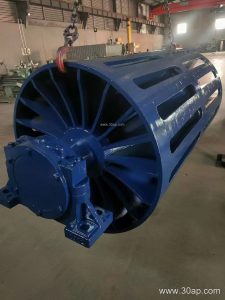
A bend pulley assembly is the complete support unit built around a bend pulley, the sheave that changes the direction of the return-side conveyor belt rather than driving it. It usually consists of the pulley shell, shaft, bearings and bearing housings, locking elements, and a frame or bracket that anchors the unit to the conveyor structure. In many layouts the assembly also carries a tensioning function, which is why it is often ordered together with take-up slides or a tensioning carriage. It is not a drive pulley and not a tail pulley; those positions transmit torque or receive material at the discharge point, while the bend pulley only redirects the belt.
How the Assembly Is Built
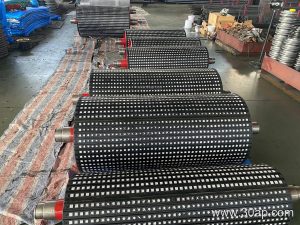
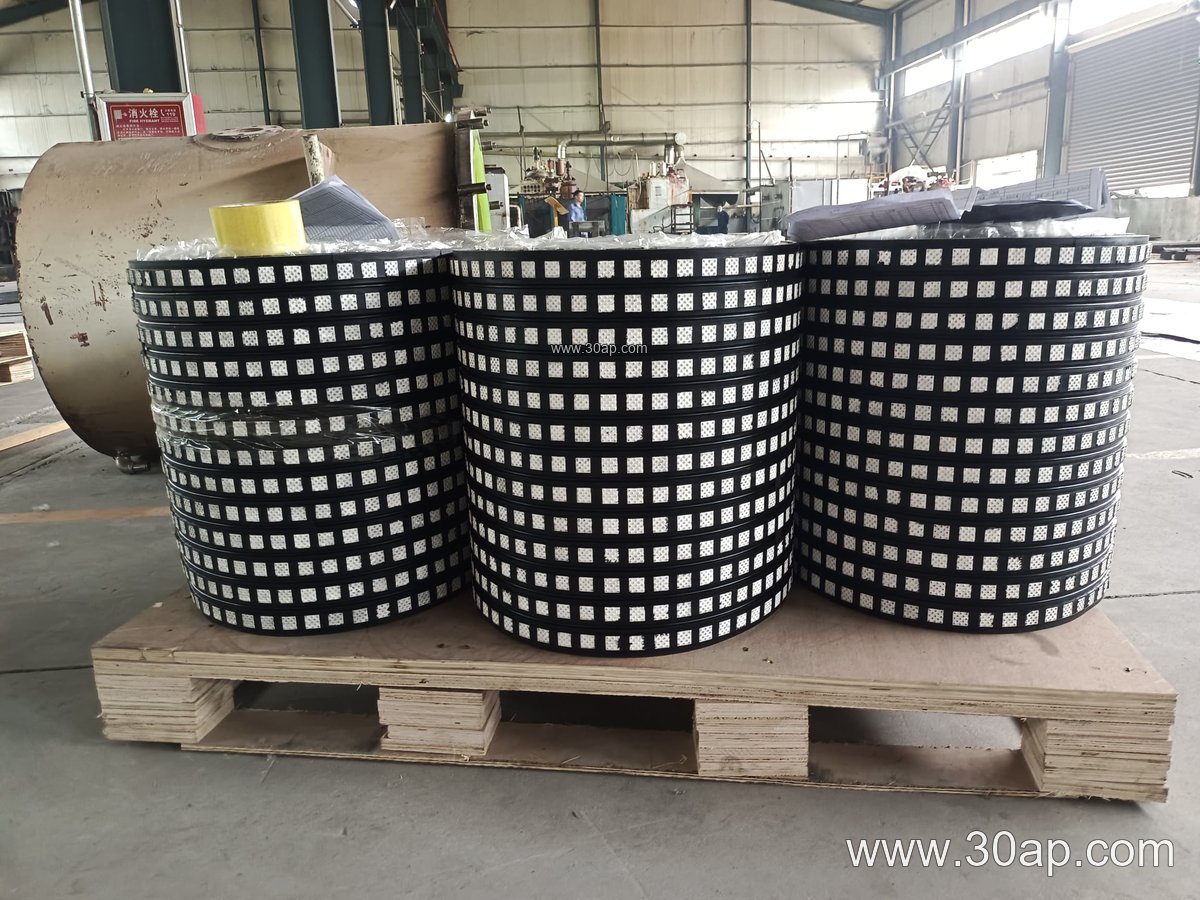
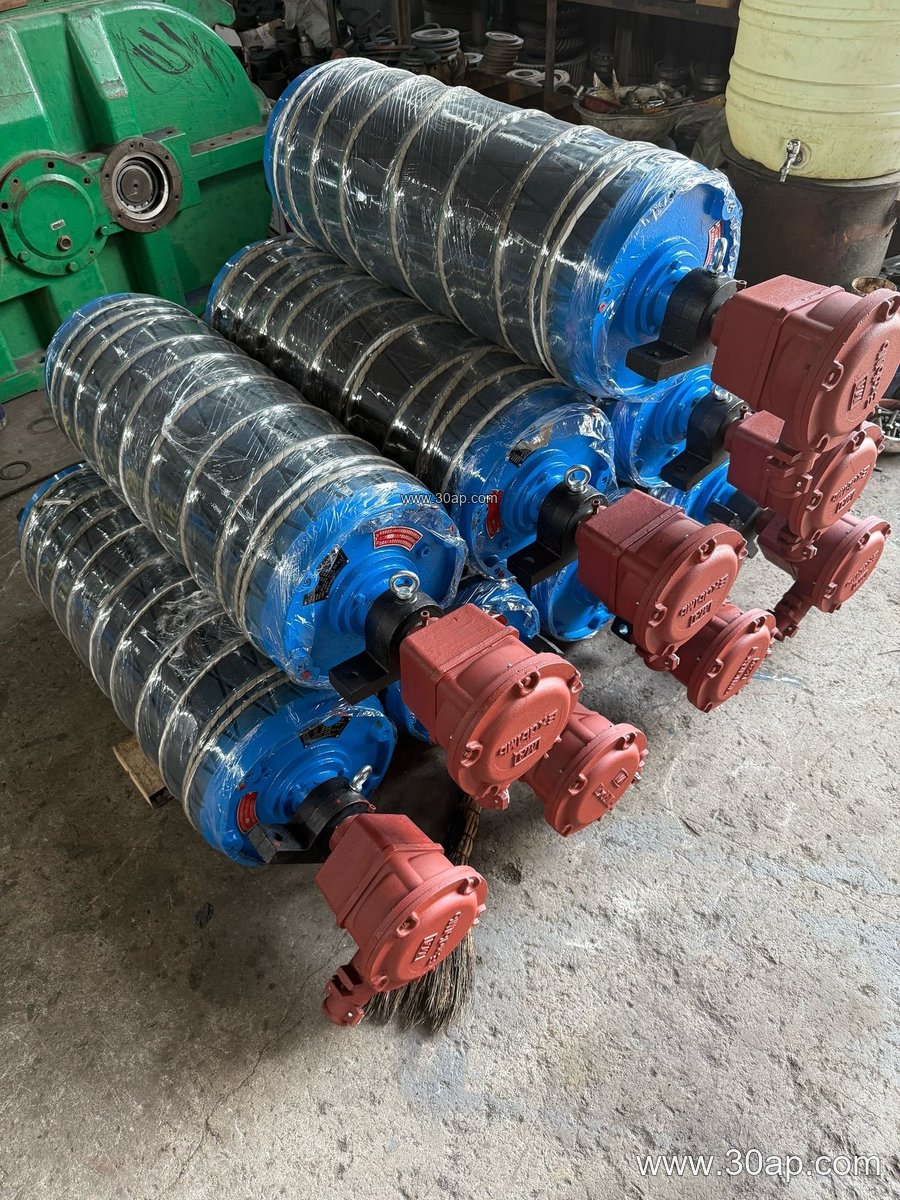
The core is a cylindrical shell, normally welded from rolled steel plate, fitted with end discs and a through shaft. The shaft is supported by self-aligning spherical roller bearings in cast or fabricated housings, sealed for dusty service. A bend pulley assembly often uses a lighter construction than a drive pulley because it does not transmit drive torque, but it still has to withstand belt tension, radial load, and the pull of the take-up system. Surface finish is a key part: some units are supplied with a plain shell, while others carry rubber lagging applied by hot vulcanizing, cold bonding, or casting. Diamond and herringbone patterns are common where a little extra grip on the return belt is wanted.
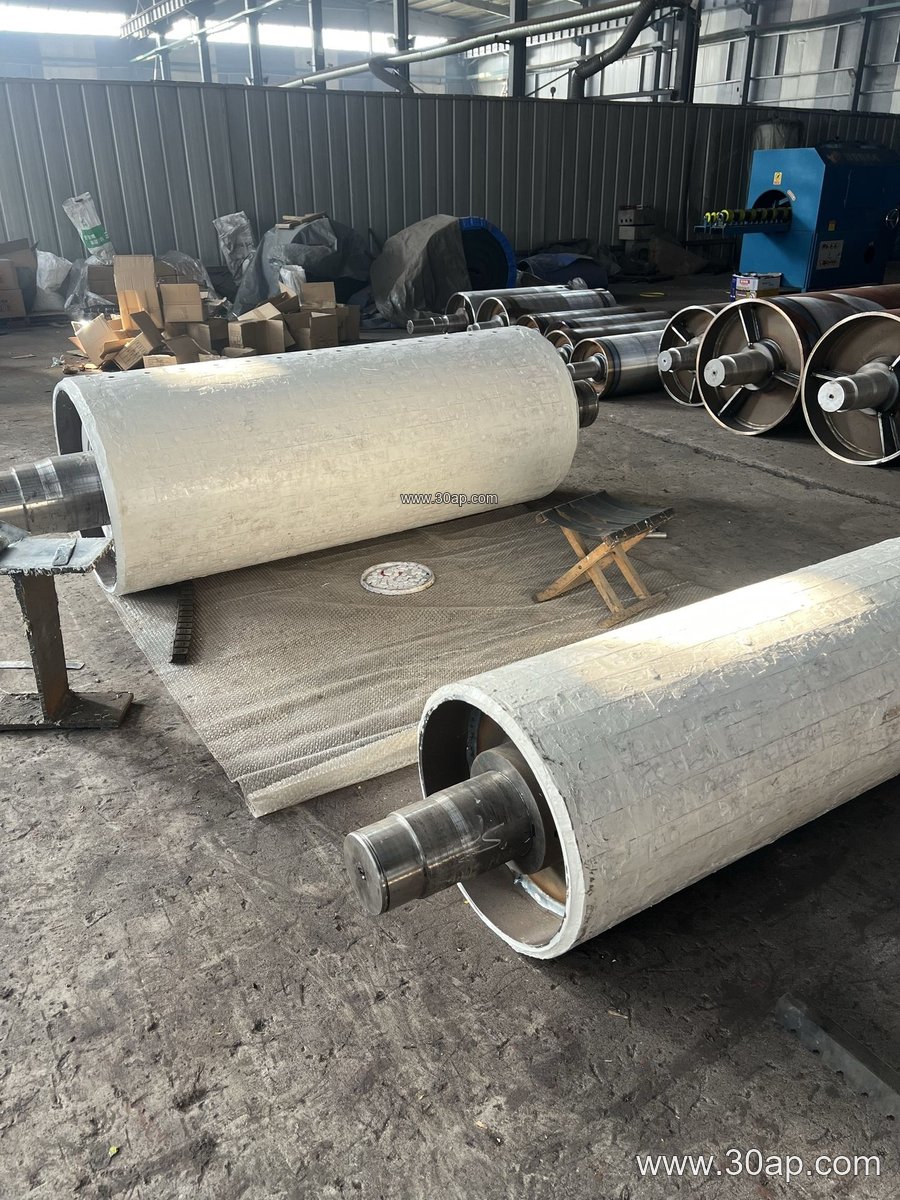
Where It Fits in a Conveyor Line
Typical positions are the return run behind the drive station, the take-up zone, and any point where the belt must be raised or lowered to clear a chute, a conveyor bracket, or a transfer tower. In a quarry or aggregate line, a bend pulley assembly may route the belt around a stockpile structure; in a coal handling plant or power plant coal yard, it often works alongside the take-up pulley to hold belt sag within limits. Cement plants, iron ore concentrators, and port bulk terminals use these units on long overland conveyors where several direction changes are needed between the head and tail.
Common Sizes and Surface Options
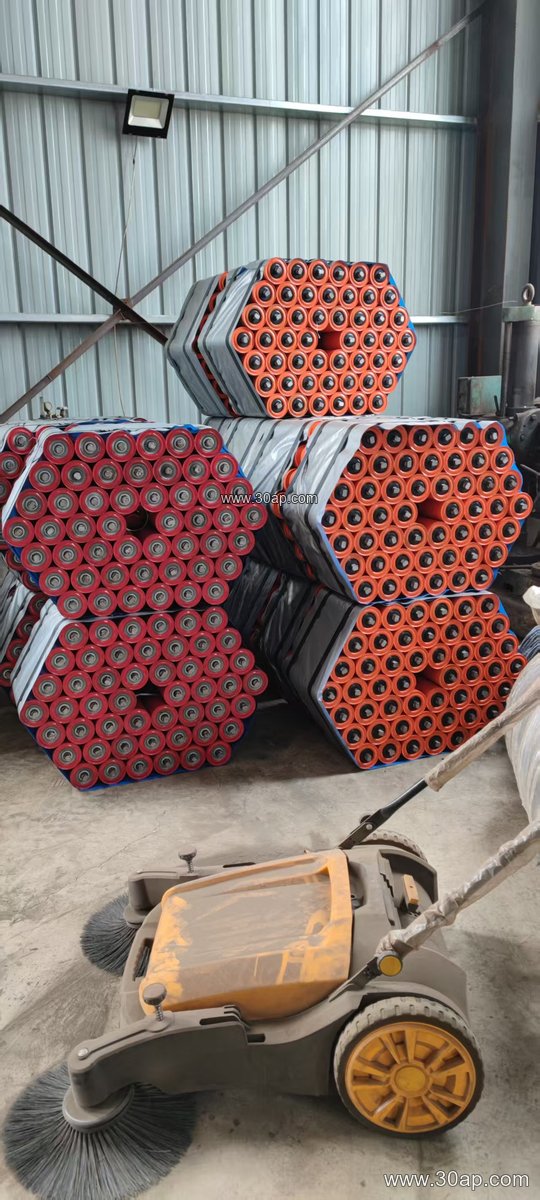
Dimensions are always determined by belt width, belt tension, shaft load, and the geometry of the turn. The figures below are reference ranges, not fixed pairings; a given belt width can be matched with more than one pulley diameter depending on the duty.
| Reference Item | Typical Range |
|---|---|
| Belt width | B400, B500, B650, B800, B1000, B1200, B1400, B1600, B1800, B2000 |
| Pulley diameter | Ø200, Ø250, Ø315, Ø400, Ø500, Ø630, Ø800, Ø1000, Ø1250 |
| Face width | Usually wider than the belt, for example about 500 mm for B400 and about 1400 mm for B1200 |
| Shaft diameter | Ø50, Ø60, Ø70, Ø80, Ø90, Ø100, Ø120, Ø140, Ø160, up to Ø200 |
| Lagging thickness | 8, 10, 12, 15, 20 mm |
| Surface form | Plain, cast rubber, cold-bonded rubber, hot-vulcanized rubber, diamond, herringbone, ceramic, flat rubber |
A common request might read B800 × Ø500 with 10 mm diamond lagging, or B1200 × Ø1000 with a plain shell for a reversing section. Shaft diameter should never be guessed from belt width alone; it is calculated from torque, bending moment, and bearing life.
Matching the Pulley to the Belt
The belt type influences how the bend pulley assembly should be specified. A heavy steel cord conveyor belt on an overland run needs a larger diameter to keep cord stress and bend fatigue under control, while a fabric core belt such as an EP conveyor belt or NN conveyor belt can often run on a smaller sheave. Abrasion resistant conveyor belts and heat resistant conveyor belts used in cement clinker or sinter service may call for a lagging compound that tolerates higher temperature or sharper material. In underground coal mining, flame retardant conveyor belts and anti-static conveyor belts are paired with pulleys whose lagging is also selected for fire safety. Whatever the belt, the assembly must keep the belt centered, so face width, crown, and alignment matter as much as diameter.
Buyer Checklist
- Confirm the installation position: return bend, take-up bend, or a snub position near the drive.
- State belt width, belt type, and expected belt tension so the shell and shaft can be sized correctly.
- Choose lagging by duty: plain for low friction, diamond or herringbone for grip, ceramic for severe abrasion.
- Check bearing type, sealing, and lubrication method against the dust and moisture level on site.
- Verify the bracket or frame interface, including bolt pattern and take-up travel, before ordering.
- Ask for the shaft diameter and bearing life calculation rather than accepting a size based only on belt width.
On a well-planned conveyor, the bend pulley assembly is a quiet component, but it decides how smoothly the return belt tracks and how long the belt and the idler roller set last. Specifying it with the same care as the drive end pays off across the whole line.