What an Automatic Belt Tracking Idler Does
An automatic belt tracking idler is a self-adjusting roller assembly that keeps a conveyor belt centered on its path. Unlike fixed carrying idlers, this tracking idler responds to belt misalignment by pivoting or skewing slightly, creating a corrective force that steers the belt back to the centerline. In industries such as coal mining, cement plants, and quarry operations, this automatic self-aligning idler helps reduce edge damage and spillage without constant manual adjustment.
Construction and Working Principle
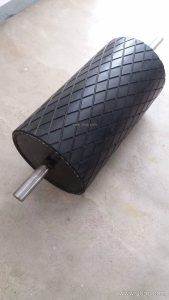
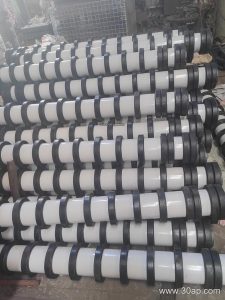
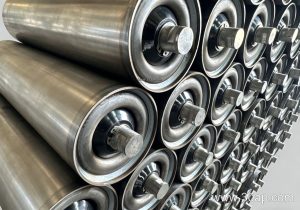
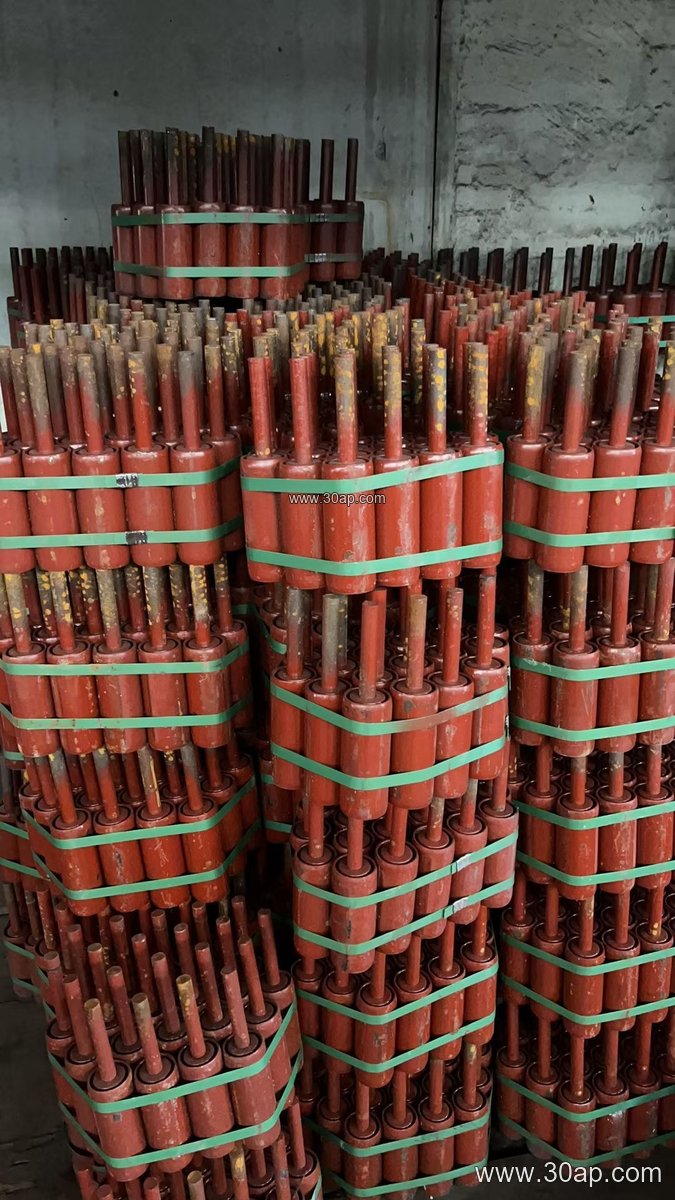
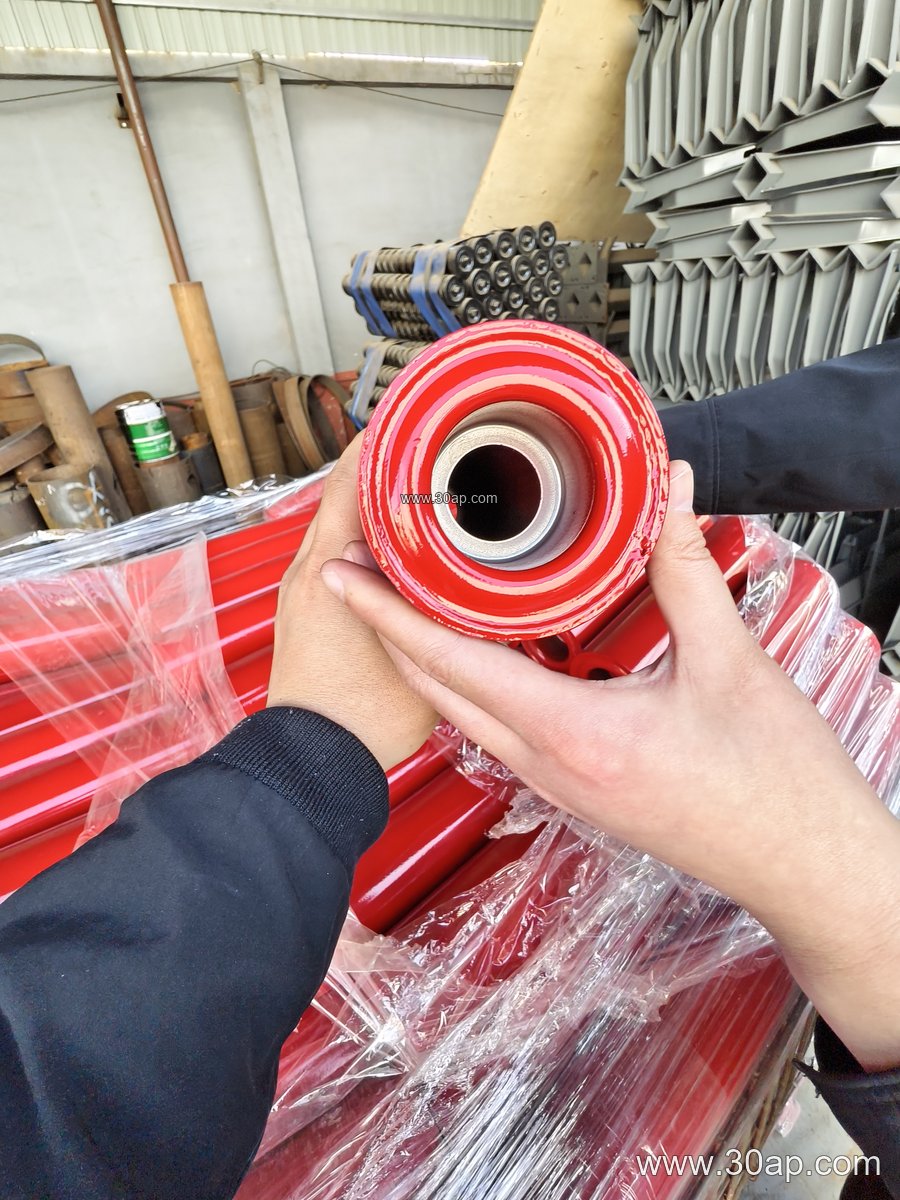
The automatic belt tracking idler typically consists of a set of rollers mounted on a pivoting frame or a bracket that allows lateral movement. The idler roller surfaces may be plain steel, rubber-covered, or fitted with ceramic lagging for grip. When the belt drifts, it contacts a vertical guide roller or an edge sensor that triggers the frame to rotate. This skewing action generates a lateral force on the conveyor belt, guiding it back to the correct position. The assembly often includes a sealed bearing housing to withstand dust and moisture in demanding environments.
Where It Fits on a Conveyor
This tracking idler is commonly installed on the carrying side, just after the feeding point or before the head pulley, where misalignment is most likely. It can also be placed on the return strand to control belt wander. In a typical conveyor system, the automatic belt tracking idler works alongside the drive pulley, tail pulley, and bend pulleys, but it is not a substitute for any of these components. Instead, it complements them by maintaining belt alignment. For operations handling abrasive materials like iron ore or coal, pairing the tracking idler with a heavy-duty conveyor belt and robust idler rollers improves overall reliability.
Key Selection Considerations
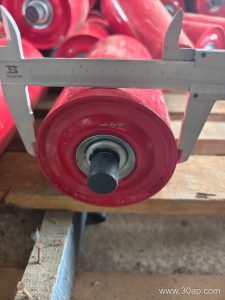
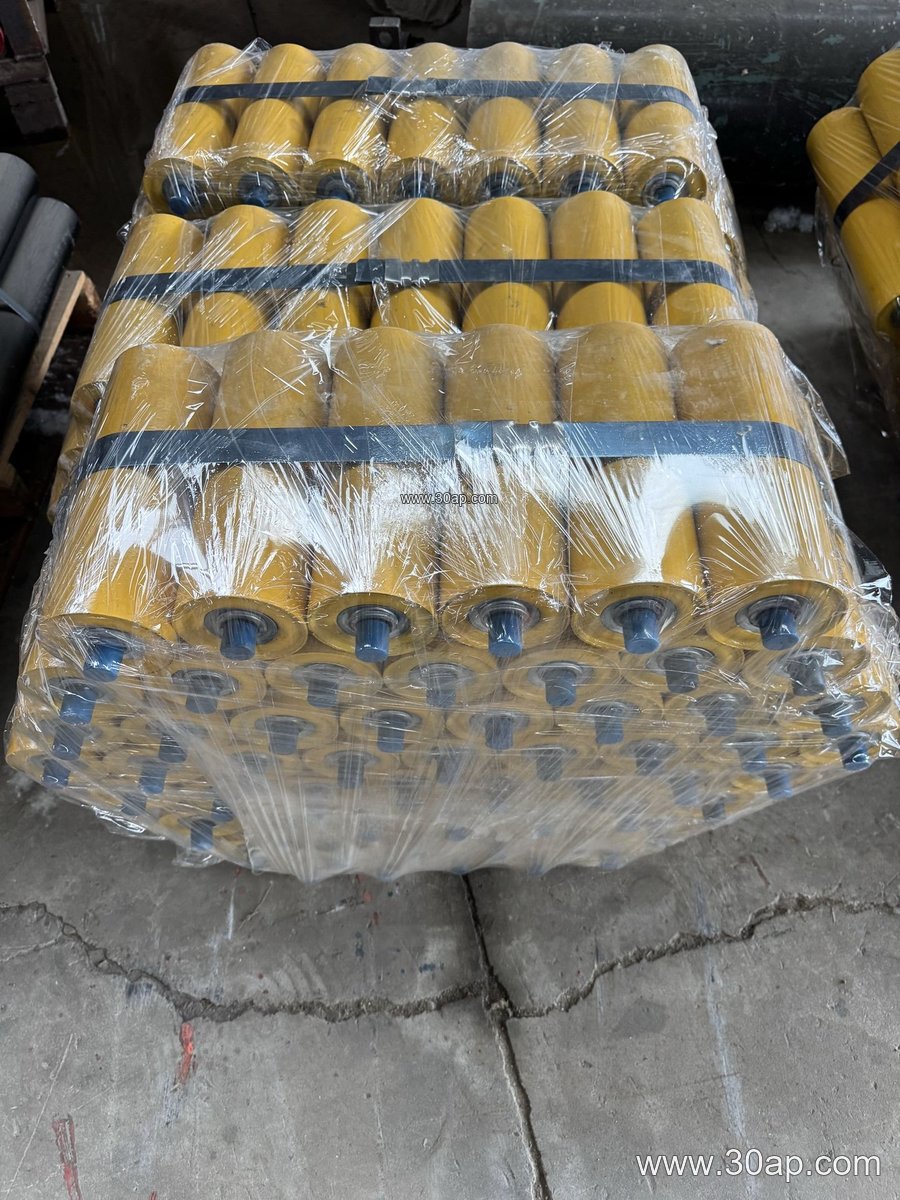
Buyers should consider the belt width, trough angle, and roller diameter when choosing an automatic belt tracking idler. Common roller diameters include Ø89, Ø108, Ø133, and Ø159 mm, while belt widths range from B500 to B2400. The trough angle (20°, 30°, 35°, or 45°) affects how the belt sits on the idlers. The idler roller length varies with belt width and trough configuration; for example, a three-roll troughing set for B1000 may use a 380 mm roller, but this is not a fixed rule. Bearing sizes such as 6205 or 6306 are selected based on load and speed. The frame and conveyor bracket should match the existing structure for easy installation. It is important not to assume a specific shaft diameter from belt width alone; always confirm with the conveyor design.
Applications Across Industries
Automatic belt tracking idlers are found in coal mining conveyor systems, where they help keep the conveyor belt centered despite uneven loading. In cement plants, they support the transport of clinker and raw materials, often combined with heat resistant conveyor belt where high temperatures are present. Quarries and aggregate lines use them to maintain alignment on long overland conveyors, reducing downtime. Power plants rely on them for coal handling, and steel mills use them in sinter and coke transport. The self-aligning action is particularly valuable in dusty or wet conditions where manual tracking is difficult.
Maintenance and Troubleshooting
Regular inspection of the automatic belt tracking idler includes checking for roller rotation, bearing noise, and frame freedom of movement. Seized bearings or a bent frame will prevent proper tracking. Lubrication requirements depend on the bearing type; many modern idlers use sealed-for-life bearings. Keeping the belt cleaner and avoiding overload will extend the idler’s service life. If misalignment persists, check the entire conveyor for issues with the drive pulley, tail pulley, or bend pulleys, as these components also influence belt tracking.