What a Lower Self-Aligning Idler Does
A lower self-aligning idler is a return-side idler roller designed to correct belt drift before it becomes a problem. It sits beneath the carrying strand, usually in pairs or in a V-shaped arrangement, and pivots about a central vertical axis. When the belt edges wander, the angled rollers steer the belt back toward the centerline. On long conveyors in a quarry, a coal handling plant, or a cement kiln feed line, this small correction saves a great deal of edge damage and spillage.
The unit is also called a self-aligning return idler or training idler for the return strand. Those names describe the same product; they do not refer to a troughing idler, a transition idler, or an impact idler.
Construction Details That Matter
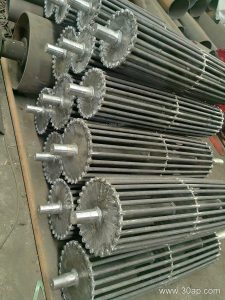
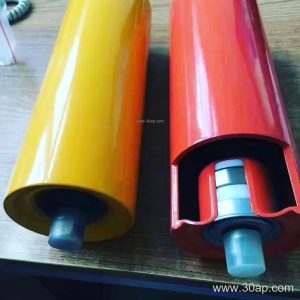
Most designs combine two or three rollers mounted on a pivoting frame. The frame rests on a base that bolts to the conveyor bracket or stringer. A vertical pivot pin allows the assembly to rotate slightly, while guide rollers or edge-sensing arms detect misalignment and apply a corrective moment.
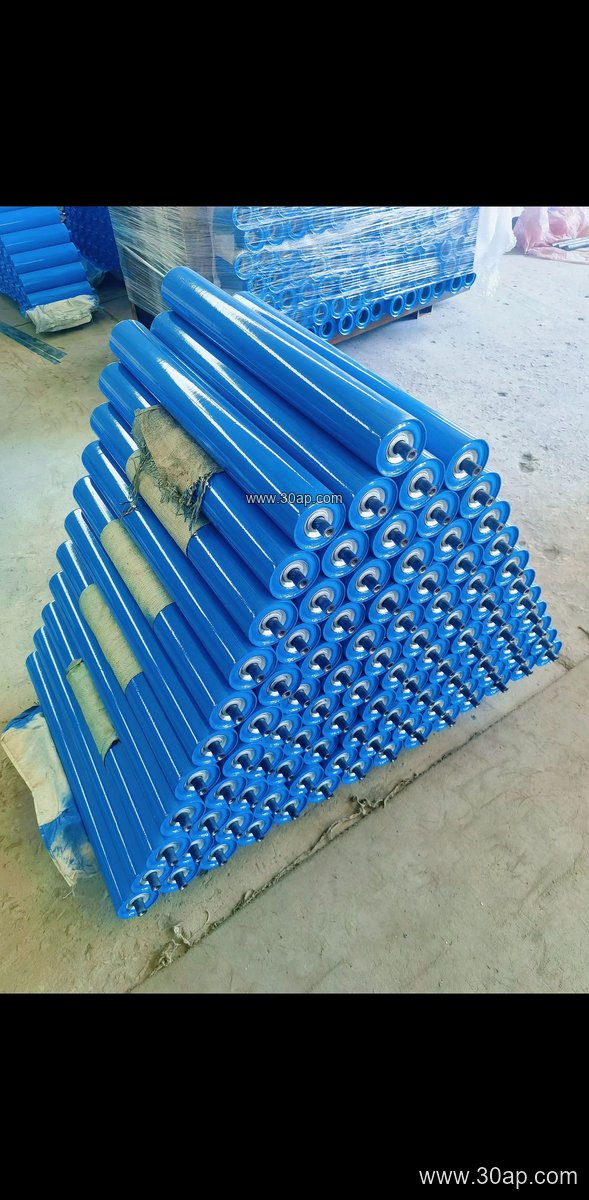
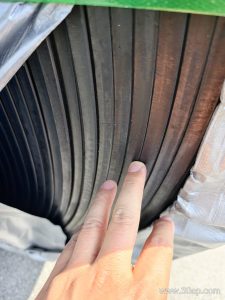
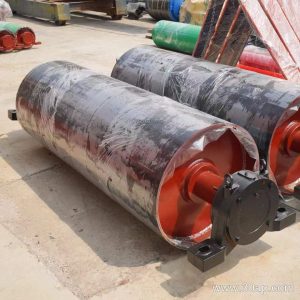
- Roller shell: steel tube is common; rubber discs or ceramic lagging may be added where build-up or abrasion is severe.
- Bearing housings: sealed, greasable or maintenance-free designs, often fitted with labyrinth seals to keep out dust and water.
- Frame: welded steel with a pivot bearing and adjustable stops.
- Surface form: plain or rubber-covered, depending on whether the belt underside is clean or tacky.
Bearing selection follows the load and shaft design rather than the belt width alone. Common bearing sizes include 6204, 6205, 6305, 6306, 6308 and 6310, but a given roller diameter can accept more than one bearing type. Roller diameters such as Ø89, Ø108, Ø133 and Ø159 appear frequently in return positions; the final choice is set by the conveyor designer.
Where It Fits on the Conveyor
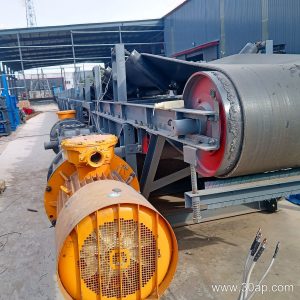
The lower self-aligning idler belongs on the return run, between the tail pulley and the drive pulley. It is not a substitute for a bend pulley or a tail pulley, and it does not replace troughing idlers on the carrying side. Instead, it works alongside plain return rollers and V-return idlers, usually spaced at intervals where tracking has historically been difficult.
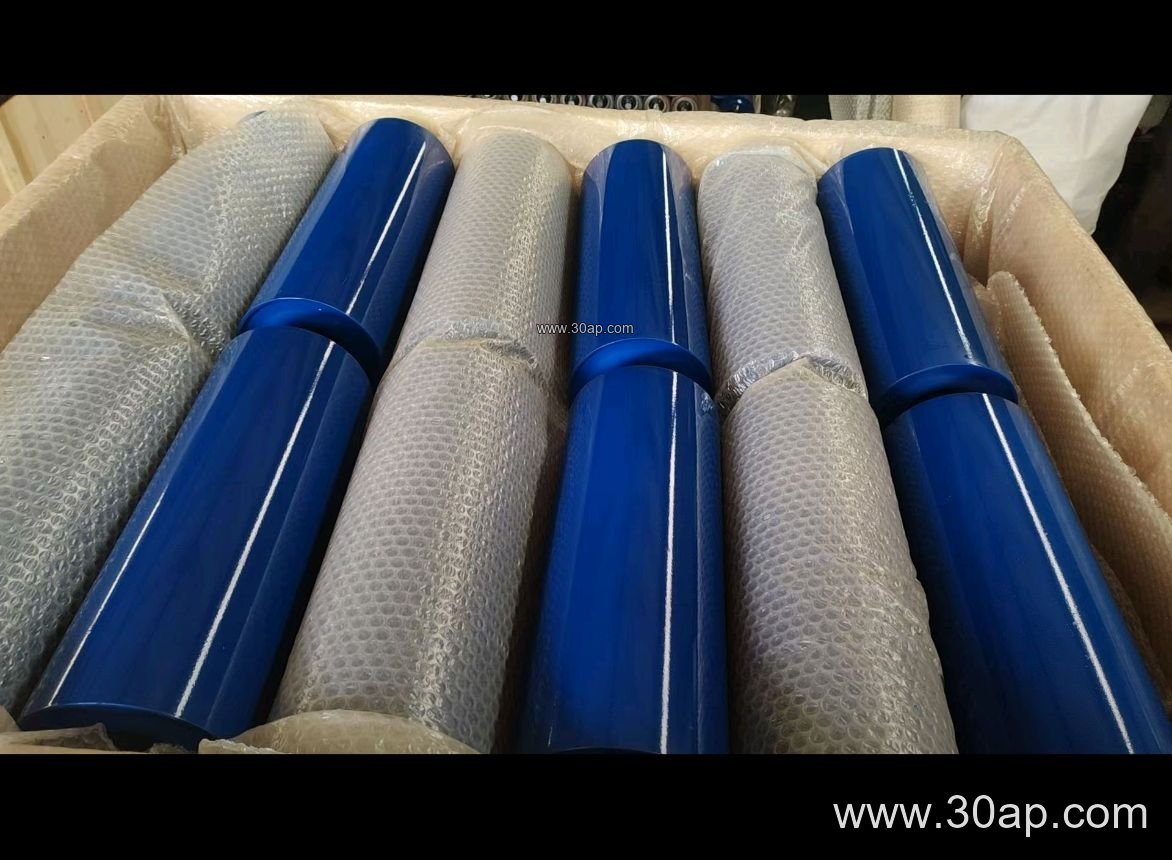
Typical installations include:
- Transfer points after a crusher, where off-center loading pushes the belt sideways.
- Long overland sections in iron ore or copper ore handling, where thermal expansion and structure settlement affect alignment.
- Belt conveyors carrying a heavy-duty mining conveyor belt with uneven splices.
- Reversible belts, where training must work in both directions.
In a limestone mine or a sand and aggregate line, a few well-placed training idlers often reduce edge wear on the conveyor belt more effectively than adding more fixed rollers.
Matching the Idler to Belt and Structure
Selection starts with belt width, belt speed, and the mass of the return strand. Belt widths from B500 through B2000 are common in bulk handling, and the roller length changes with belt width and frame type. For reference, a three-roll troughing set might use roller lengths near 200 mm at B500, 315 mm at B800, 465 mm at B1200, and 600 mm at B1600. These are illustrative values only; the return idler frame and roller length are confirmed per design.
| Parameter | Common range | Note |
|---|---|---|
| Roller diameter | Ø89 to Ø159 | Larger diameters suit higher loads and wider belts |
| Belt width | B500 to B2000 | Frame length follows belt width |
| Bearing | 6205, 6306, 6308, 6310 | Matched to shaft and load, not belt width alone |
| Roller surface | Steel, rubber, ceramic | Rubber helps grip a wet or oily return belt |
| Mounting | Bolted bracket or stringer | Pivot must move freely |
For belts carrying an abrasive material, such as a high abrasion resistant conveyor belt in a stone crushing circuit, the return side may collect fines. Rubber-covered training rollers can improve grip and reduce slip-induced misalignment.
Buyer Checklist Before Ordering
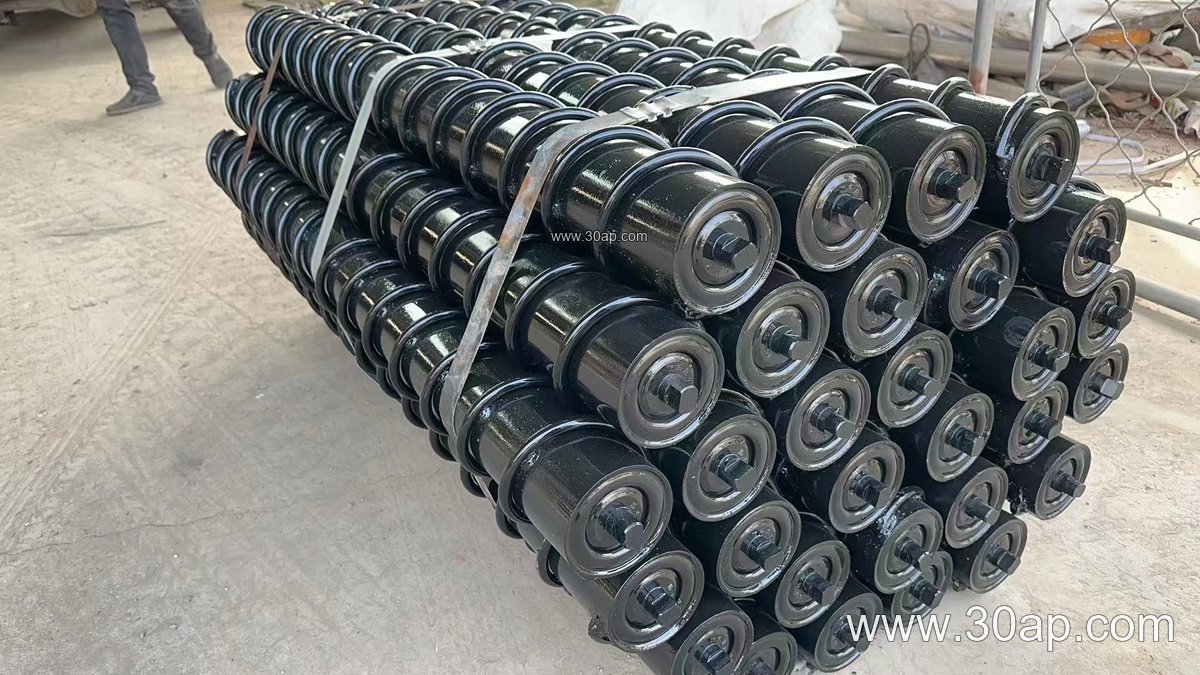
Ask for the pivot design, seal type, and bearing brand or specification. Confirm the mounting hole pattern against the existing conveyor bracket. Check whether the idler is intended for one-way or reversible operation. On a coal mining conveyor belt or a flame retardant conveyor belt installation, confirm that the roller and frame materials suit the environment.
Also review maintenance access. A training idler that cannot be greased or inspected is a liability. Spare pivot pins and seals are inexpensive compared with a damaged belt edge.
Finally, request the roller length, shaft diameter, and bearing fit as a set. A lower self-aligning idler performs best when the whole assembly is specified together, not assembled from mismatched parts.