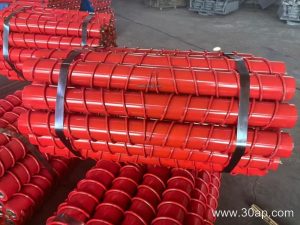
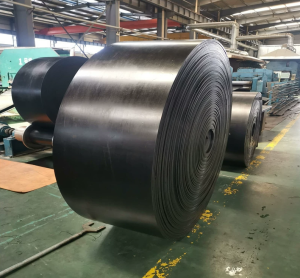
What a Three-Roll Trough Idler Does on the Line
The three-roll trough idler is the workhorse of the carrying side of a belt conveyor. Its three rolls sit in a trough shape that cups the conveyor belt, keeping bulk material centered as it travels from the loading point to the discharge. In a quarry, a coal washing plant, or a cement plant, these idlers appear in long repeating runs, and their condition directly affects belt tracking, energy draw, and spillage. A well-matched three-roll trough idler set, also called a three-roll troughing idler set, supports the belt evenly and lets it run without excessive sag between frames.
How the Assembly Is Built
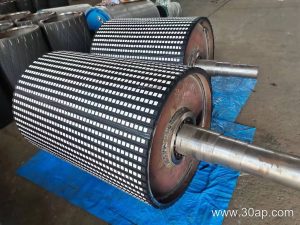
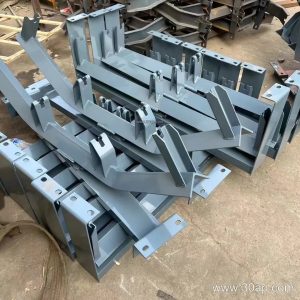
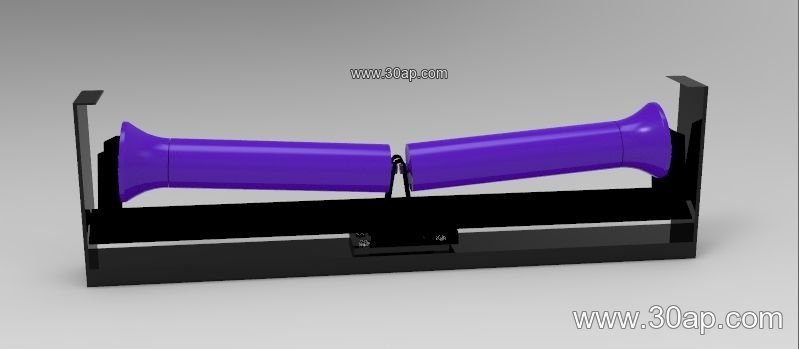
A typical set consists of one center roll and two side rolls mounted in a steel frame, often carried by a conveyor bracket fixed to the stringer. The rolls usually have a steel tube shell, sealed bearings, and a shaft that locks into the frame. Surface options include plain steel, nylon, ceramic, and rubber rings; the last is common where impact or buildup is a concern. Bearing sizes such as 6204, 6205, 6305, 6306, 6308, and 6310 are widely used, but the correct bearing depends on load and roll diameter rather than on belt width alone.
The trough angle shapes how the belt sits. Common angles are 20, 30, 35, and 45 degrees. A steeper angle holds material better on high-capacity lines, while a shallower angle suits belts that are stiff or lightly loaded. Some troughing sets are built with a slight forward tilt of about 1.5 to 2 degrees to help self-centering, a detail often confused with the separate training idler function.
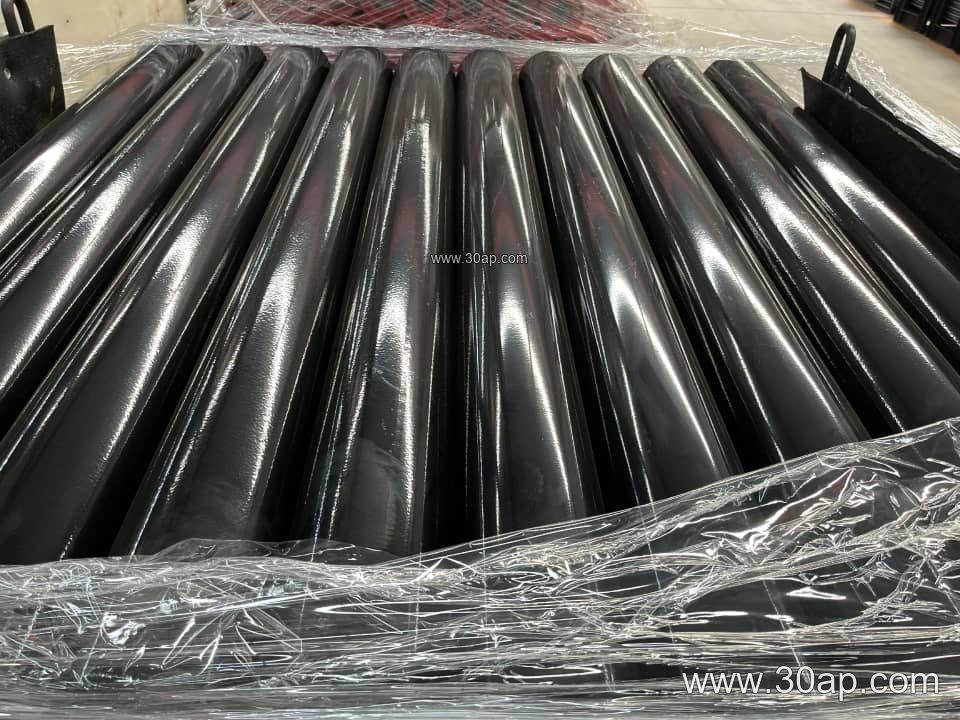
Matching Roll Diameter and Belt Width
Roll diameter and belt width are chosen together with belt speed, material weight, and frame spacing. The table below shows common reference values; treat them as examples, not fixed rules.
| Belt Width | Common Roll Diameter Range | Typical Center Roll Length (three-roll set) |
|---|---|---|
| B500 | Ø63 to Ø89 | about 200 mm |
| B650 | Ø76 to Ø102 | about 250 mm |
| B800 | Ø89 to Ø108 | about 315 mm |
| B1000 | Ø102 to Ø133 | about 380 mm |
| B1200 | Ø108 to Ø159 | about 465 mm |
| B1400 | Ø127 to Ø178 | about 530 mm |
| B1600 | Ø133 to Ø194 | about 600 mm |
| B1800 | Ø159 to Ø219 | about 670 mm |
Side roll lengths can differ from the center roll, and a wider belt does not automatically dictate one shaft diameter. The frame, bearing seats, and load rating decide that. When specifying, give the belt width, trough angle, roll diameter, and mounting pattern so the supplier can confirm the fit.
Where These Idlers Earn Their Keep
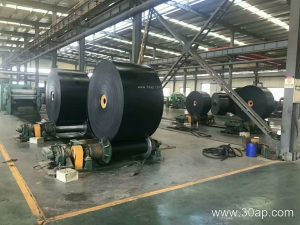
In a limestone quarry or an iron ore plant, three-roll trough idlers carry heavy, abrasive rock and must resist constant vibration. In a coal washing plant or a power station coal yard, flame retardant conveyor belt and anti-static conveyor belt are often paired with well-sealed idlers to reduce fire risk and dust ingress. The same troughing arrangement appears under a fabric core conveyor belt on a cement plant clinker line and under a steel cord conveyor belt on a long overland run. The idler choice follows the duty, not the other way around.
On the return side, a flat return idler or V-shaped return set does a different job, and it should not be treated as a substitute for the carrying trough set. Likewise, a drive pulley, tail pulley, or bend pulley handles tension and direction change, not belt support. Keeping these roles clear helps maintenance teams order the right part the first time.
Buyer Checklist Before Ordering
- Confirm the belt width and the actual trough angle required at that frame position.
- Check roll diameter against belt speed and load, not against width alone.
- Ask about seal type and bearing grade for dusty or wet conditions.
- Decide whether rubber rings, ceramic, or nylon shells suit the material.
- Verify the frame and conveyor bracket dimensions match the existing stringers.
- For inclined sections, confirm that the belt and idler combination suits the incline and any chevron pattern.
Spare parts planning matters too. Keeping a small stock of complete three-roll trough idler sets and a few replacement rolls shortens downtime when a seized bearing stops a line. At a sand and gravel operation or a port terminal, that simple step often matters more than any single specification on the datasheet. For related conveying components such as the conveyor belt, idler roller, conveyor pulley, and conveyor bracket, buyers at www.xinrisheng.com often compare the full assembly before placing an order.
Installation and Maintenance Notes
Align frames square to the belt centerline and check that all three rolls touch the belt evenly. A single high roll can cause tracking drift. Inspect for seized bearings, worn shells, and material buildup, especially in wet or sticky service. Replace rolls in matched sets where possible so the trough profile stays consistent. In coal mining conveyor belt and underground mining conveyor belt service, keep lubrication and inspection records so that seal failure is caught before it damages the belt.