What the ST1000 Conveyor Belt Is
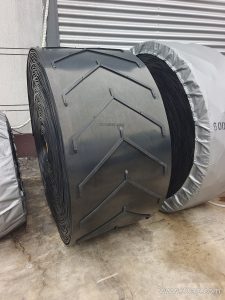
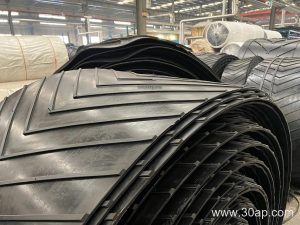
The ST1000 Conveyor Belt is a steel cord conveyor belt with a nominal tensile strength of 1000 N/mm per unit width. It belongs to the steel cord family, where the load-bearing skeleton is made of parallel steel wires instead of woven fabric plies. That construction gives the belt high strength with relatively low elongation, which is why it is often chosen for long conveying distances and demanding bulk material flows in mines, coal preparation plants, cement works, power stations, ports and large quarry or sand and gravel operations.
In everyday plant language the product may be called an ST1000 steel cord belt or simply an ST1000 belt. These are accurate short forms for the same item. It should not be confused with fabric-reinforced belts such as an EP Conveyor Belt or an NN Conveyor Belt, which use different carcass structures and follow different selection rules.
How the Belt Is Built
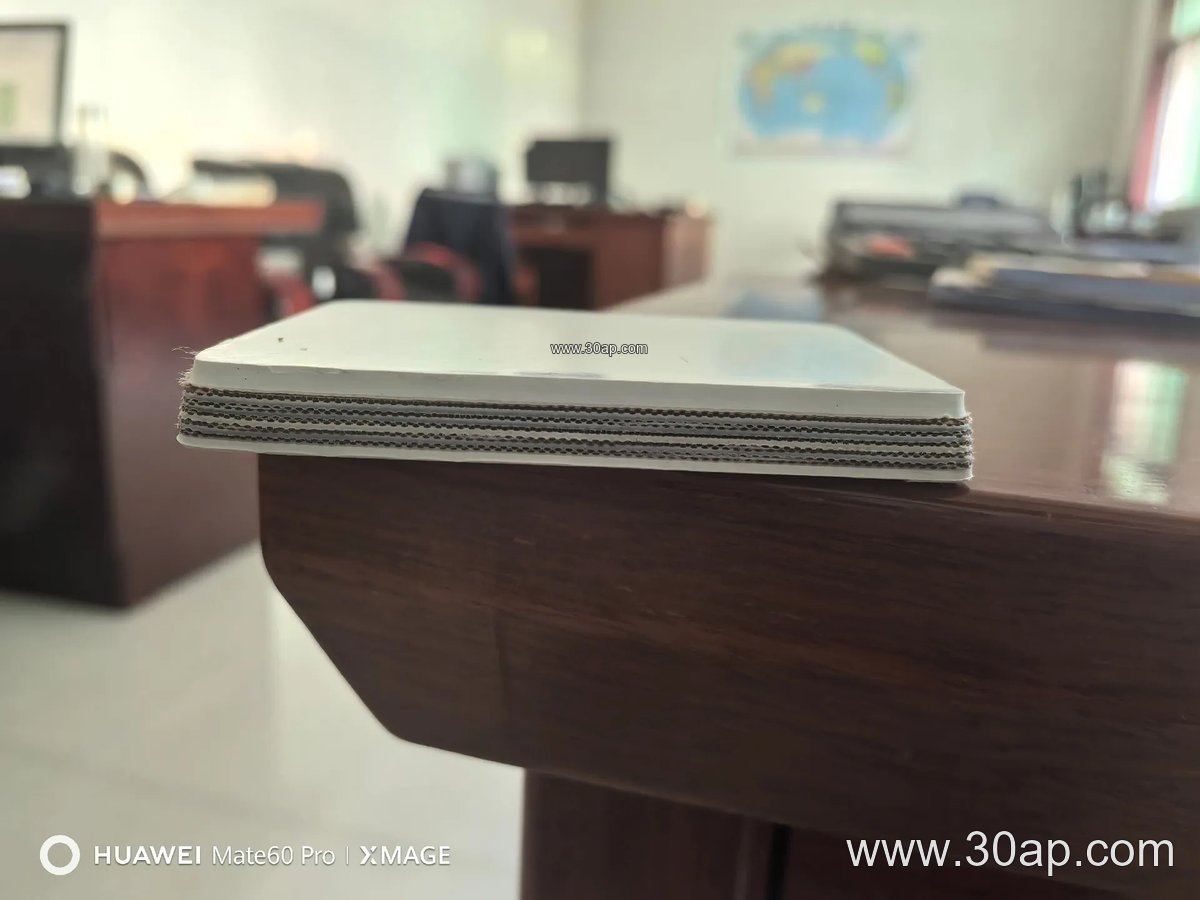
The carcass consists of steel cords arranged longitudinally at a defined pitch, held together by core rubber. Top and bottom cover rubber protect the cords from abrasion, impact, moisture and other service conditions. The cover grade is selected to match the duty: an Abrasion Resistant Conveyor Belt cover for sharp rock and aggregate, a Heat Resistant Conveyor Belt cover for hot clinker or sinter, a Flame Retardant Conveyor Belt or Fire Resistant Conveyor Belt cover for underground coal mining, and an Oil Resistant Conveyor Belt cover where oily materials are carried.
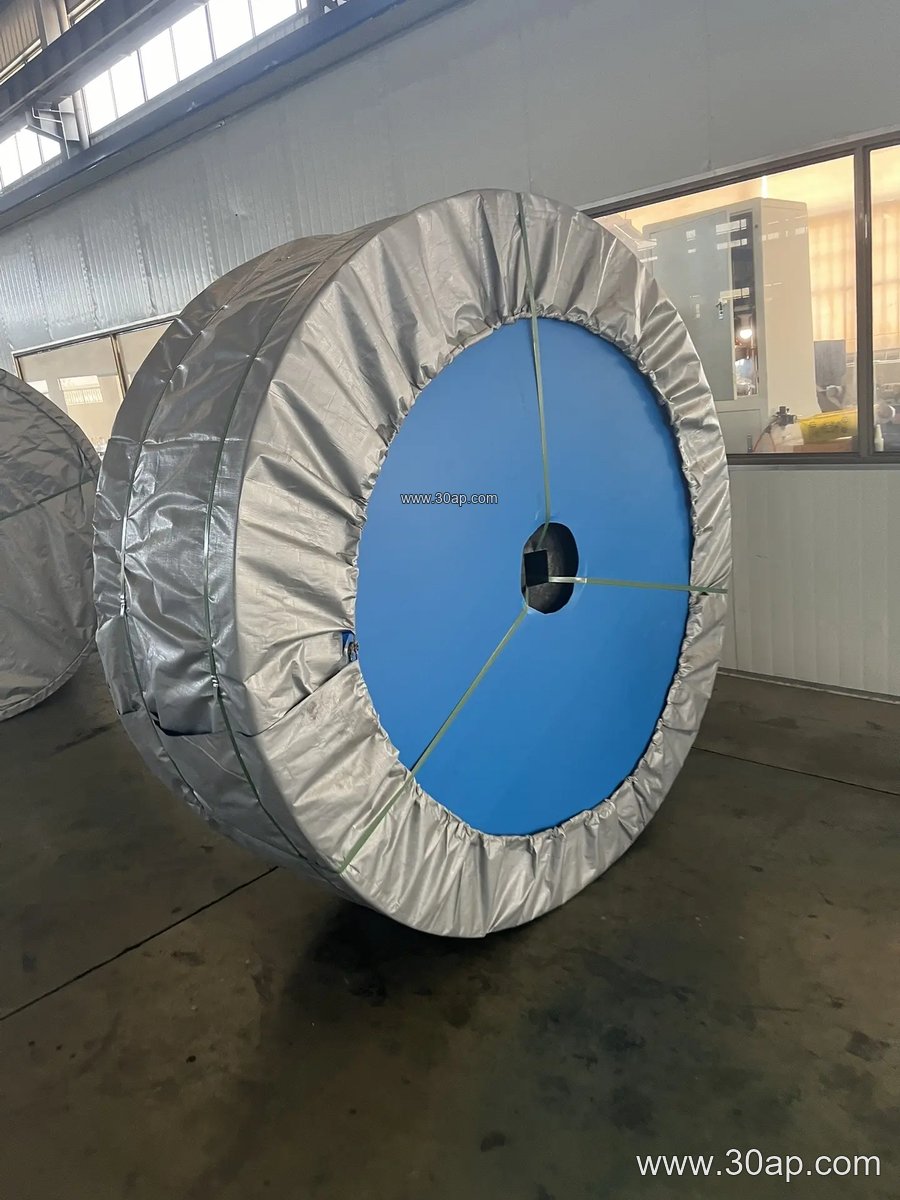
Cover thickness is usually stated as top plus bottom, for example 6+2 mm or 8+3 mm for heavy-duty work. Belt width and strength are selected together with the conveyor design, not in isolation. A wider belt does not automatically require a particular pulley diameter, and shaft sizes should always come from the conveyor designer.
Typical Construction Reference
The values below are common reference points only. Actual construction is confirmed by the belt manufacturer and the conveyor design.
- Belt type: steel cord, ST1000 grade
- Nominal strength: 1000 N/mm
- Common widths: B800, B1000, B1200, B1400, B1600, B1800, B2000
- Cover combinations: 4+2 mm, 5+2 mm, 6+2 mm, 8+3 mm
- Related grades in the same family: ST1250 Conveyor Belt, ST1600 Conveyor Belt, ST2000 Conveyor Belt
These figures illustrate the range; no single width or cover thickness is mandatory for every installation.
Where It Fits in the Plant
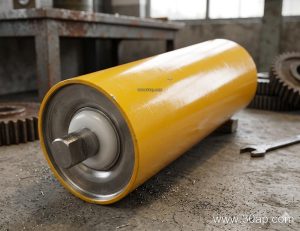
Steel cord belts are widely used on main haulage lines. In an underground coal mine they may run on a Mining Conveyor Belt route from the face to the surface, supported by idler rollers and driven through a conveyor pulley. In a cement plant they can carry limestone from the crusher to the raw mill, while a power plant may use them for coal handling. Quarry and aggregate sites use them on primary and secondary lines, and ports use them for ship loading. The belt works alongside conveyor brackets, frames and pulleys, so alignment and loading conditions matter as much as the belt grade itself.
For lower-strength or shorter runs, a Multi-Ply Fabric Core Conveyor Belt or a high-grade EP belt such as EP1000 Conveyor Belt may be more economical. That is a comparison of duty, not a replacement for the ST1000 where high tension and low stretch are needed.
Selection and Buying Notes
Buyers should confirm the calculated maximum tension, belt width, speed, material lump size and temperature before ordering. Impact at the loading point may call for an Impact Resistant Conveyor Belt cover or additional support idlers. Cold climates may need a Cold Resistant Conveyor Belt compound, and dusty or explosive atmospheres may require an Anti-Static Conveyor Belt specification. Splice type, take-up travel and pulley lagging all influence belt life.
Ask for the cord pitch, cover grade, cover thickness and edge condition in writing. Store belts on a dry surface, avoid sharp bends, and inspect splices and idler rollers regularly. Tension should be set by the conveyor designer rather than guessed on site. A correctly matched ST1000 belt, with suitable pulleys, rollers and brackets, supports reliable transport in mines, cement plants, power stations and bulk terminals.