What a Conveyor Equipment Pulley Does
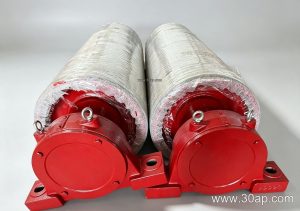
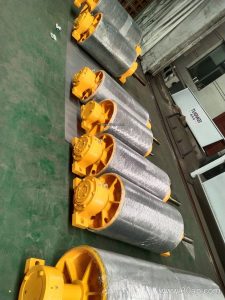
A conveyor equipment pulley is the rotating drum that drives, tensions, or redirects the belt on a bulk handling conveyor. In a quarry, cement plant, or power station coal yard, it is the component that transfers motor torque to the belt and keeps the belt path aligned. The same product is also called a conveyor drum or conveyor pulley, and these terms are interchangeable in daily plant conversation. However, drive pulleys, tail pulleys, and bend pulleys are not interchangeable names; each performs a distinct job and should be specified by position and duty.
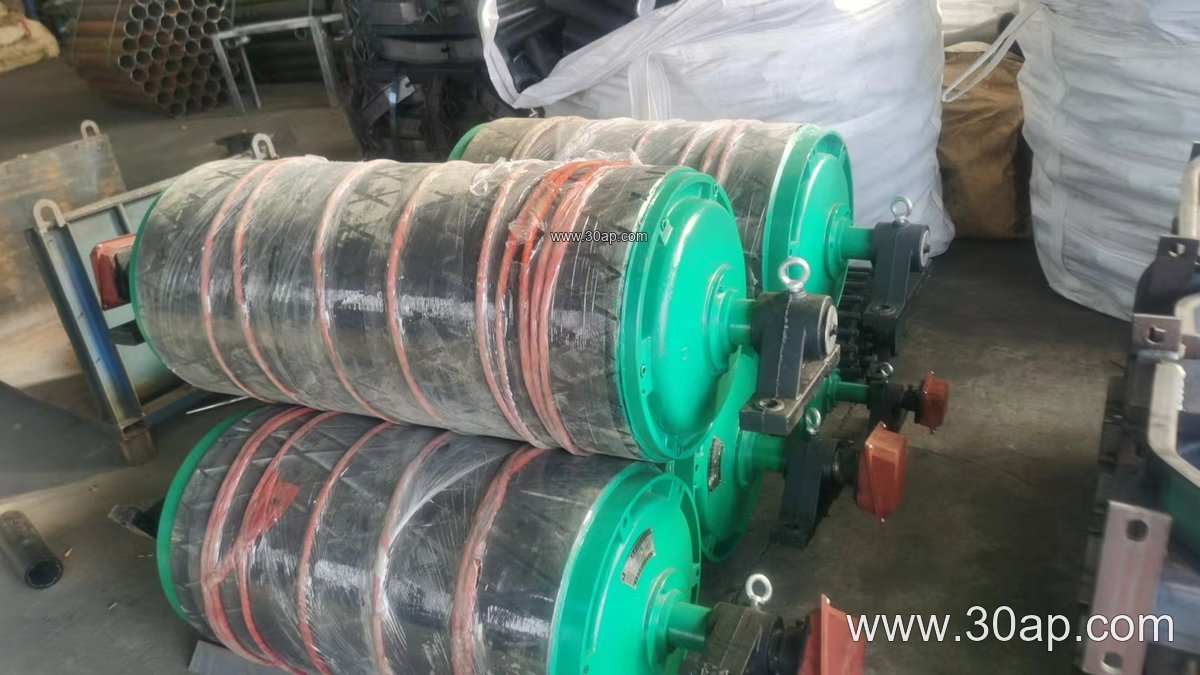
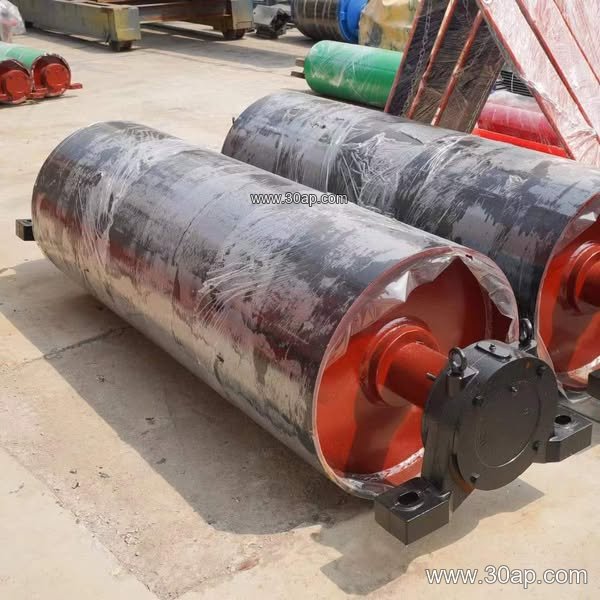
Construction and Surface Options
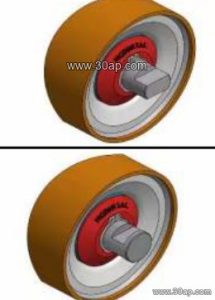
Most pulleys are built around a steel shell with welded end discs and a shaft. The shell may be plain, or it may carry a rubber lagging to improve grip or protect the belt. Common surface forms include smooth finish, hot vulcanized rubber, cold bonded rubber, diamond grooving, chevron grooving, and ceramic lagging. Lagging thickness is often 8, 10, 12, 15, or 20 mm, chosen according to torque and belt slip risk. A belt conveyor pulley used on a heavy mining conveyor belt may need a thicker lagging and a larger shaft than a light-duty unit on a grain silo line.
Where It Fits in the Conveyor System
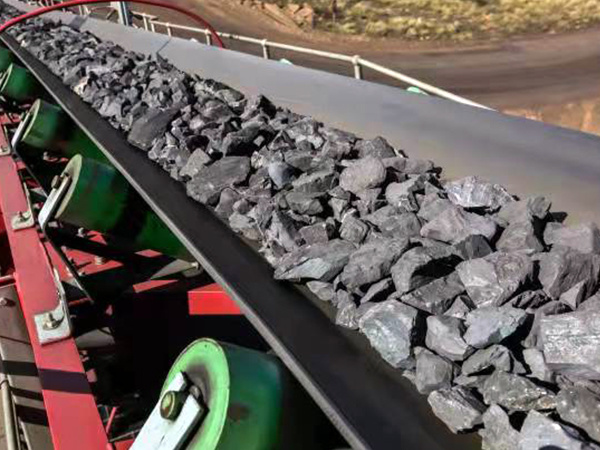
The drive pulley, also called the head pulley, is usually at the discharge end and transmits power. The tail pulley sits at the loading end and helps maintain belt tracking. A bend pulley changes belt direction in a transfer tower or along a long overland route, while a take-up pulley works with the tensioning device. In an underground coal mining conveyor, flame retardant conveyor belt and reliable pulleys work together to reduce fire risk. In a copper ore or iron ore operation, a heavy-duty pulley must cope with abrasive dust and continuous load. Other locations such as a limestone quarry, a ship loading terminal, or a concrete batching plant each place different demands on the drum and its lagging.
Matching Belt Width and Pulley Size
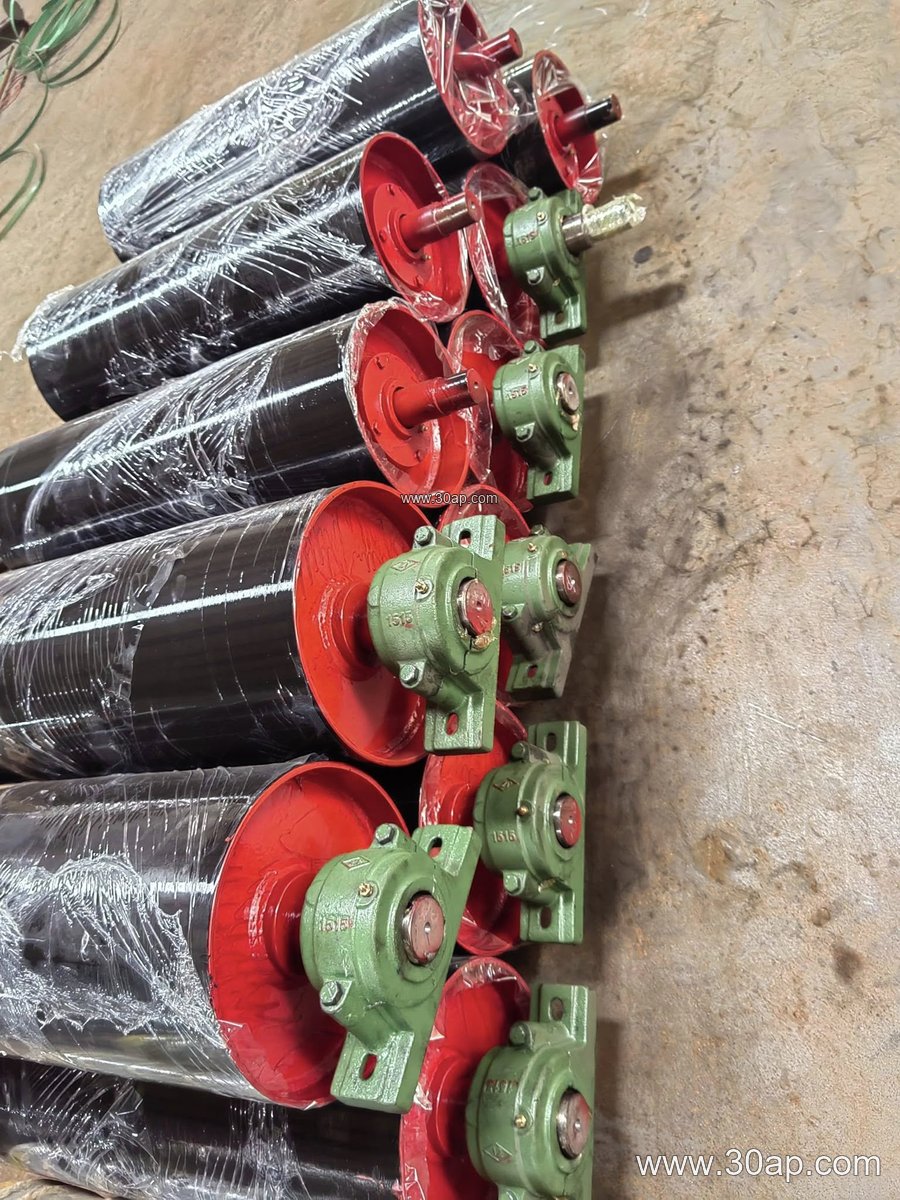
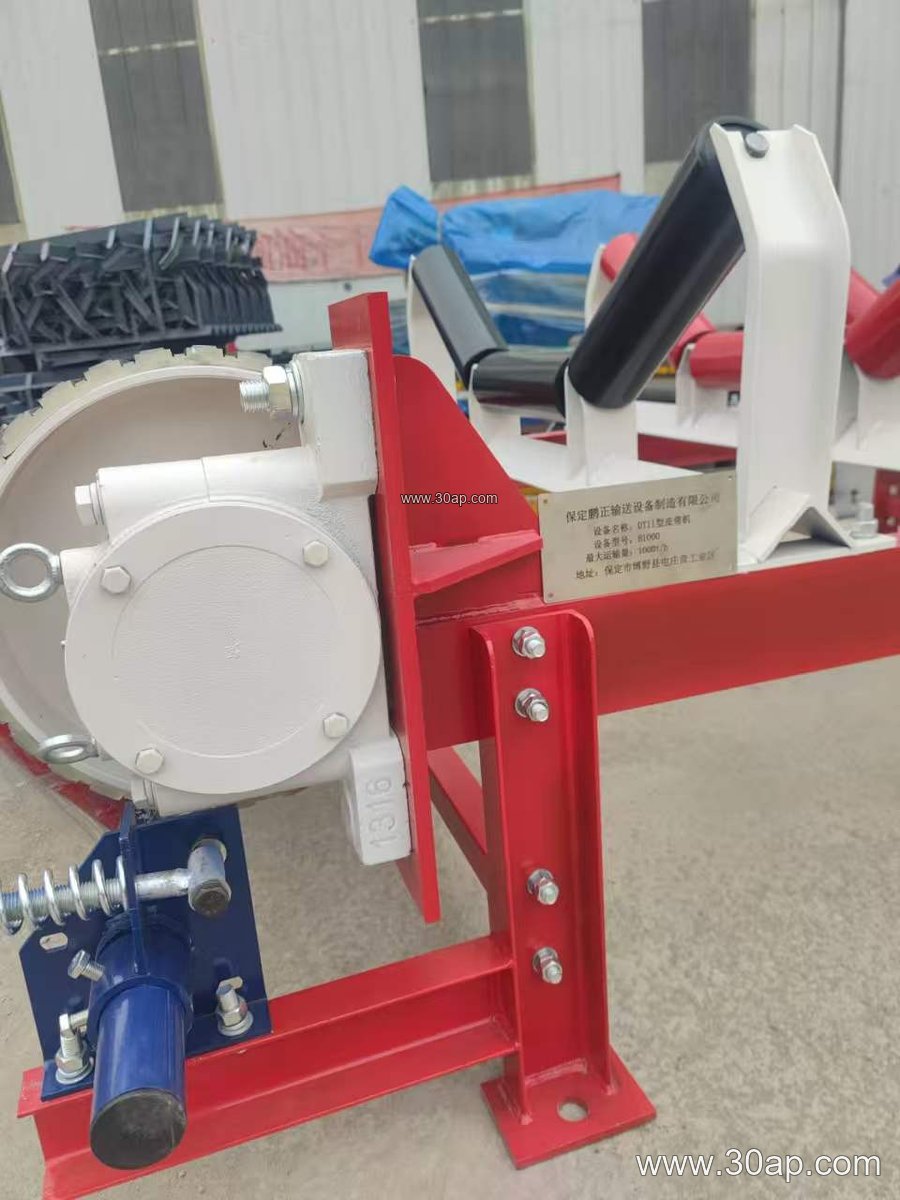
Belt width and pulley diameter are related but not fixed to each other. The pulley face width is usually greater than the belt width, for example B800 may use a face width around 950 mm, and B1200 may use around 1400 mm. Diameter is selected by belt tension, shaft load, and the required belt wrap angle. A common combination might be B800 × Ø500 or B1200 × Ø1000, but the same belt width can work with different diameters depending on conveyor design. Shaft diameter is determined by torque and load, with typical sizes such as Ø80, Ø100, Ø120, or Ø160, not by belt width alone. A conveyor equipment pulley for a 1500 mm wide conveyor belt may have a larger shell and shaft than one for a 650 mm belt, but the exact values come from the conveyor designer.
Buyer Checklist
- Confirm the pulley position: drive, tail, bend, take-up, or snub.
- State the belt width and the required pulley face width.
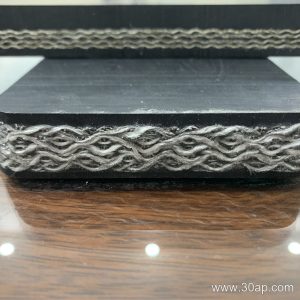
- Provide the belt type, such as EP conveyor belt, steel cord conveyor belt, or multi-ply fabric core conveyor belt, and its tension rating.
- Specify lagging type and thickness if extra grip or wear protection is needed.
- Check shaft diameter and bearing size against the actual load, not against belt width alone.
- For dusty or wet conditions, consider ceramic lagging or grooved rubber lagging.
Downtime often comes from a pulley that was ordered by belt width only. A better approach is to treat the conveyor equipment pulley as part of the whole conveyor package, together with the conveyor belt, idler roller, and conveyor bracket. Whether the plant handles coal, clinker, aggregate, or ore, the pulley should be selected for its specific duty.