What an Endless Conveyor Belt Is
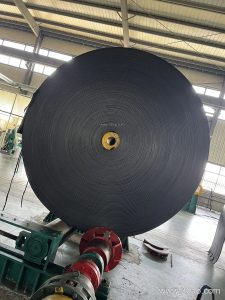
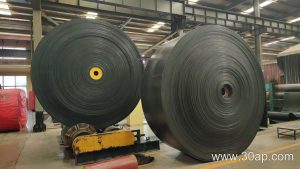
An endless conveyor belt is a belt that has been joined into a continuous loop before it leaves the factory, so the finished belt has no mechanical fastener at the seam. Instead of being clipped together on site with metal hinges or plates, the belt arrives as a closed ring and is slipped over the conveyor pulleys during installation. This construction is common on relatively short conveyors, on machines where the belt cannot easily be opened, and on lines where a smooth, uninterrupted carrying surface matters. In mining, quarrying, cement plants and power stations, an endless belt is often chosen for feeders, transfer conveyors and secondary haulage where reliability at the joint is a priority.
The same product is also described as a spliced endless belt or a factory-jointed belt, because the endless form is created by vulcanizing the belt ends together rather than by fitting a mechanical splice.
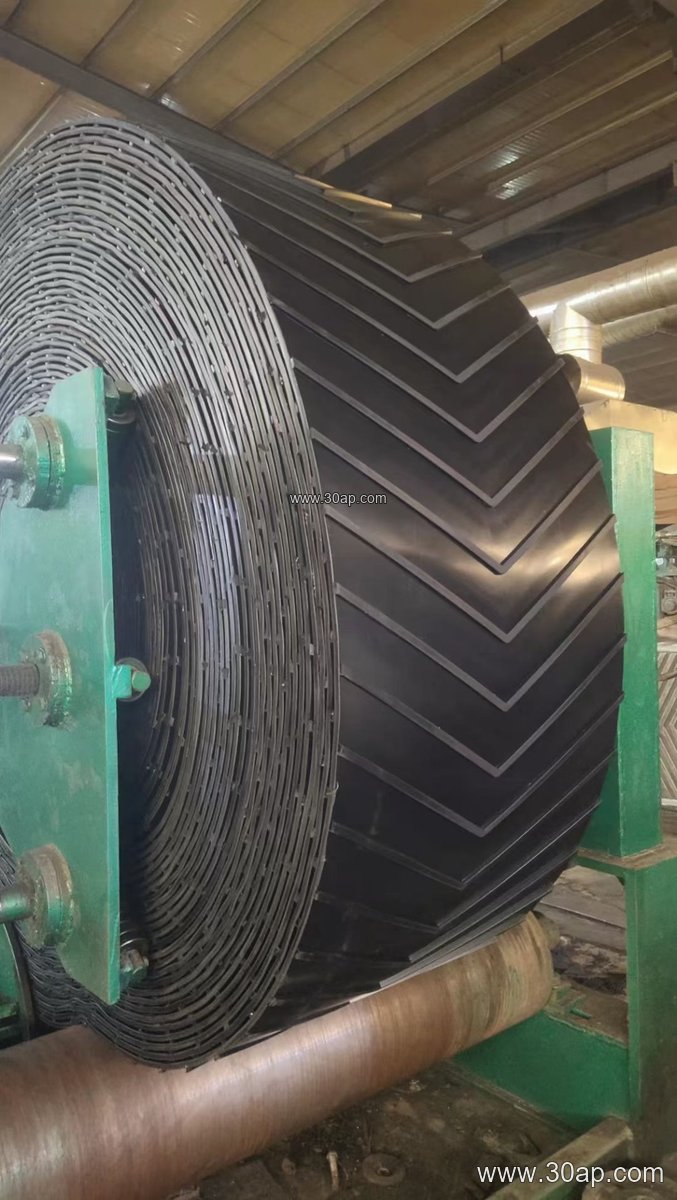
How the Loop Is Built
Most endless belts start as conventional open-length belting. The carcass may be a fabric core, such as an EP conveyor belt or an NN conveyor belt, or a steel cord construction for higher tension duty. The belt ends are cut to a stepped or finger pattern, the steps are matched, and the joint is pressed and cured under heat so that the cover and carcass bond into one continuous body. The result is a belt with no visible seam hardware and, in most cases, a joint strength close to that of the parent belt.
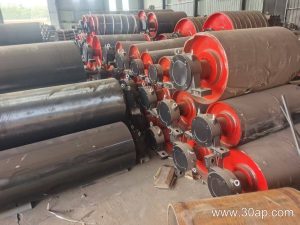
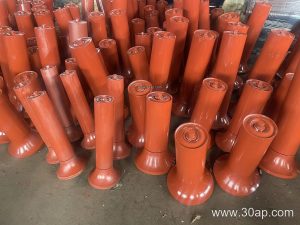
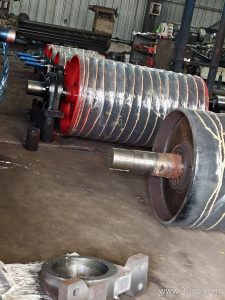
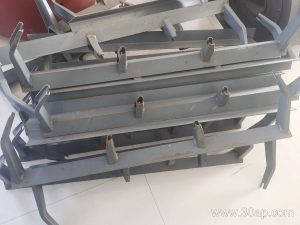
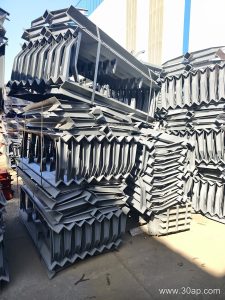
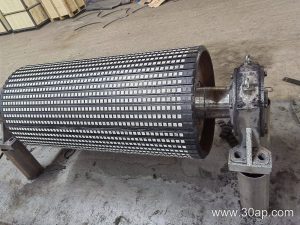
The belt runs on the same hardware as any other conveyor: a drive pulley at the head, a tail pulley at the return end, bend pulleys along the path, carrying and return idler rollers, and conveyor brackets that hold the frames and rollers in position. These parts are selected separately from the belt, and a drive pulley, tail pulley and bend pulley each perform a different job, so they are not interchangeable.
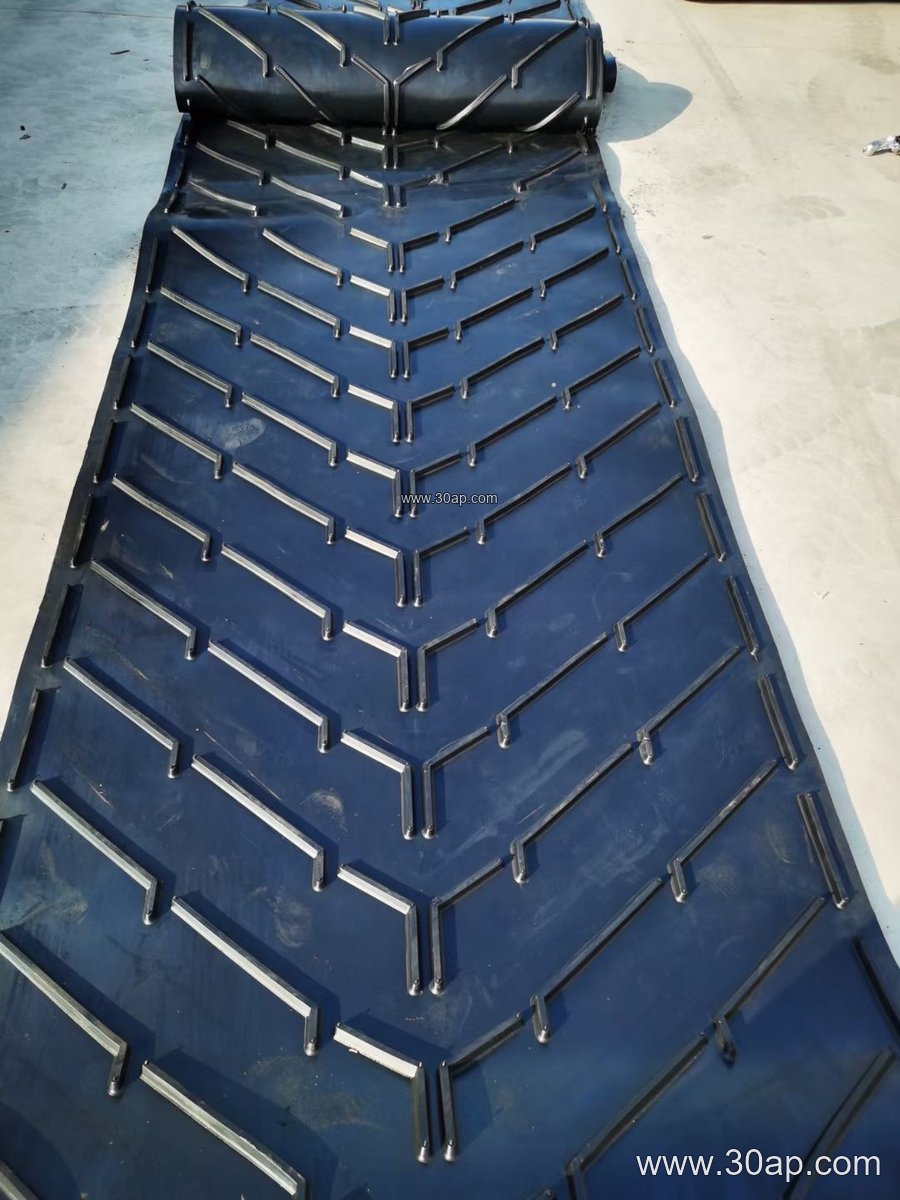
Common Constructions and Reference Data
Because the endless form is a jointing method rather than a single compound, the belt inside the loop can be almost any standard build. Buyers often specify the carcass and cover separately. The table below shows typical reference values; actual figures are confirmed by the manufacturer for each order.
| Item | Common reference values |
|---|---|
| Carcass type | EP fabric core, NN fabric core, steel cord, PVC, PVG |
| Fabric strength grades | EP200, EP315, EP400, EP500, EP630, EP800, EP1000, EP1250 |
| Steel cord grades | ST1000, ST1250, ST1600, ST2000 |
| Belt width | B500, B650, B800, B1000, B1200, B1400, B1600, B1800, B2000 |
| Cover thickness | 3+1.5 mm, 4+2 mm, 5+2 mm, 6+2 mm, 8+3 mm |
| Fabric plies | 2 to 6 layers, depending on duty |
Special covers can be combined with the endless joint when the duty calls for it, including abrasion resistant, heat resistant, oil resistant, flame retardant, anti-static and cold resistant grades. In underground coal work, PVG and PVC belting with flame retardant properties is frequently used, and the endless joint helps keep the loop clean around transfer points.
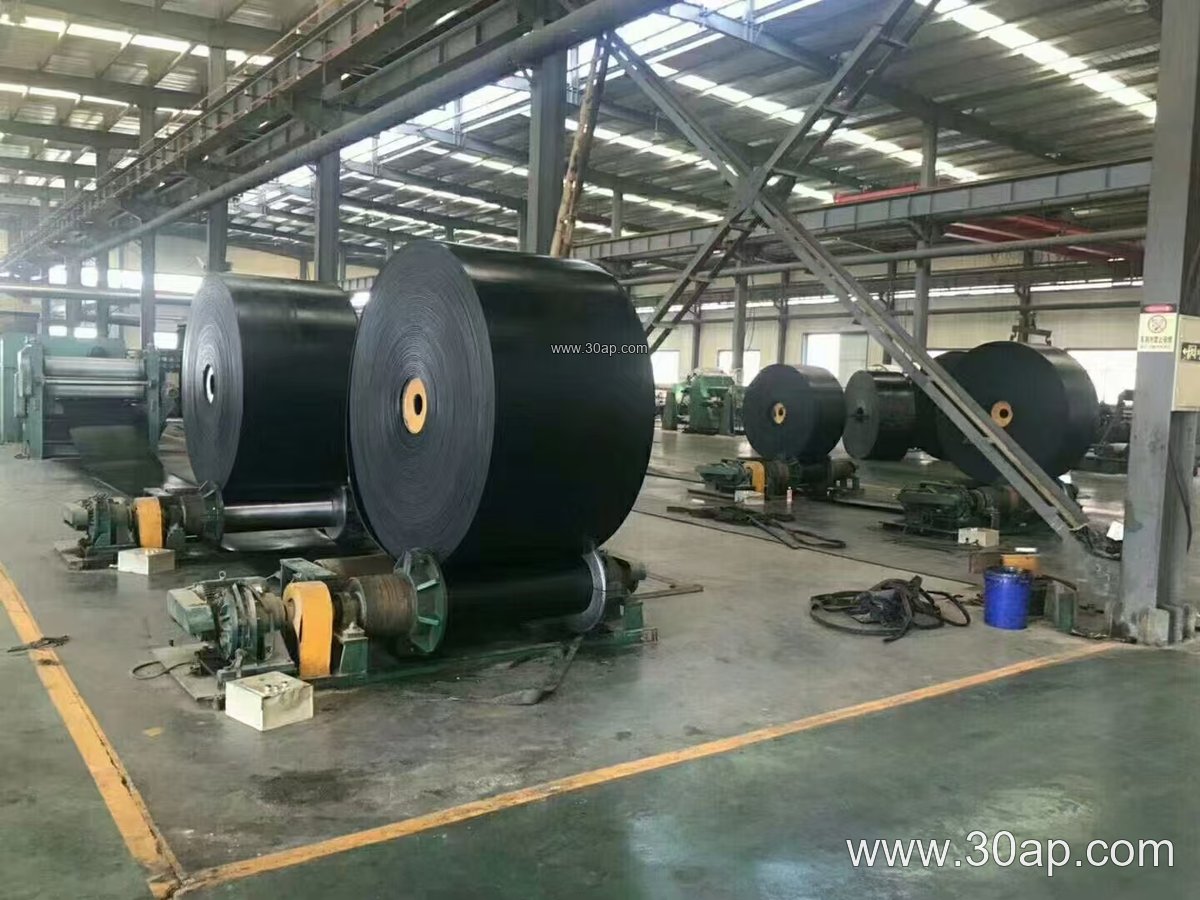
Where Endless Belts Fit
Short and medium conveyors are the natural home for this construction. A cement plant may use an endless belt on a clinker feeder; a coal mining conveyor may use one on a stage loader; a sand and gravel yard may fit one to a screen feed belt. Ports and ship loading lines sometimes prefer a closed loop where the belt path is fixed and the belt cannot be opened for splicing. Recycling and construction waste lines also use them where the belt must run true and stay centered.
For very long overland routes, a steel cord conveyor belt is usually spliced on site instead, because a factory-made loop of that length is difficult to transport. That is a practical comparison, not a rule: the right choice depends on conveyor length, pulley layout, available access and the maintenance plan.
What Buyers Should Check
- Loop length and center distance. The endless belt is made to a fixed length, so the conveyor take-up travel must be enough to tension it and to allow for later stretch.
- Pulley and roller compatibility. Belt width, trough angle and pulley face width must be checked together. A given belt width does not dictate one pulley diameter, and shaft size follows the pulley design and load, not the belt width alone.
- Joint quality. Ask how the splice is made, how it is inspected, and what joint efficiency is expected for the selected carcass.
- Handling during installation. A closed loop must be lifted and threaded over the frame, so access space around the drive pulley and tail pulley should be planned in advance.
- Application conditions. Impact, abrasion, temperature, oil exposure and fire risk all point to different cover compounds and carcass grades.
When the specification is clear, an endless belt gives a clean, low-maintenance loop that suits many fixed conveyors in mining, cement, power and aggregate operations. Matching the belt build to the pulleys, idler rollers and frame is the step that decides how well it performs.