What the EP1250 1800mm Conveyor Belt Is
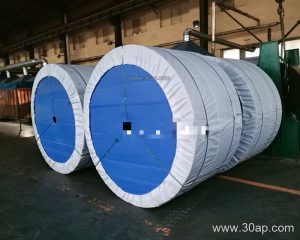
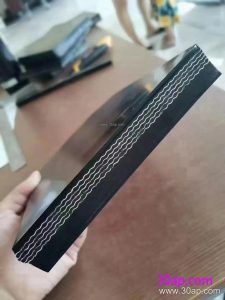
The EP1250 1800mm Conveyor Belt is a wide, high-strength fabric-core belt built around polyester-polyamide (EP) carcass layers. The “1250” refers to the nominal tensile strength per millimeter of belt width, and “1800mm” is the full belt width. In practice, this is a heavy-duty conveyor belt that balances high load capacity with the flexibility of a multi-ply fabric construction, making it a common choice where steel cord belts would be unnecessarily stiff or costly.
As an EP conveyor belt, it belongs to the broader family of fabric core conveyor belts. It is not a steel cord conveyor belt, nor is it a solid-woven PVC or PVG belt. Those are different constructions with different splice methods and troughing behavior.
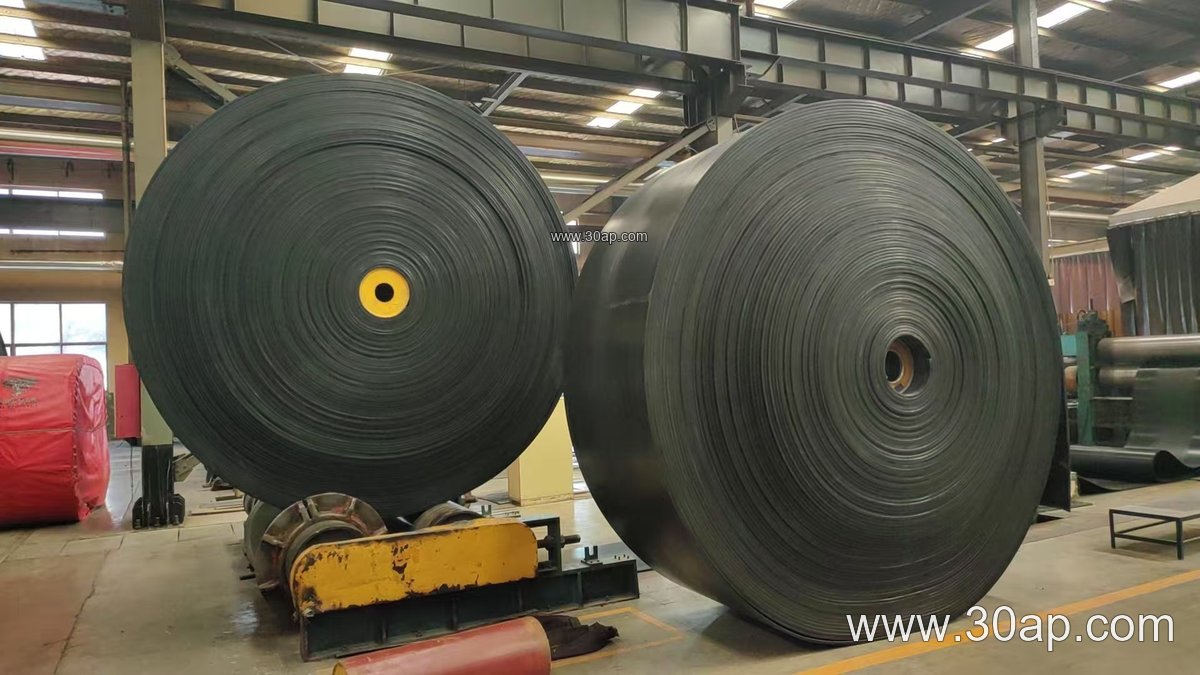
Construction and Key Components
The carcass usually consists of multiple EP fabric plies — commonly two to six layers depending on the required strength and the manufacturer’s design. The plies are bonded with rubber skim compound, and the belt is finished with top and bottom cover rubber. Typical cover thickness combinations include 4+2 mm, 5+2 mm, 6+2 mm, and 8+3 mm. For abrasive stone or ore, a high abrasion resistant conveyor belt cover is often specified; for hot clinker or sinter, a heat resistant conveyor belt grade may be required.
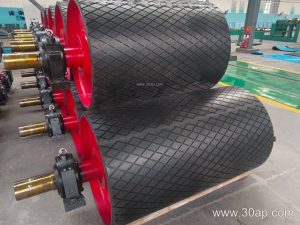
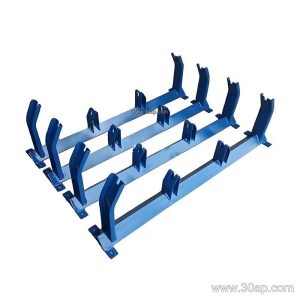
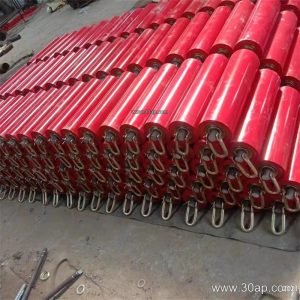
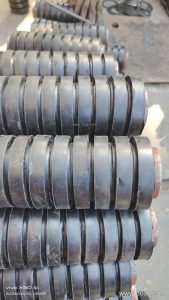
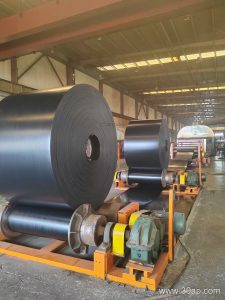
At 1800 mm wide, the belt is a wide conveyor belt that demands correctly sized conveyor pulleys, idler rollers, and conveyor brackets. The drive pulley, tail pulley, and bend pulleys are distinct components and are not interchangeable; each has its own diameter and lagging requirements. A belt of this width should be matched to pulley diameters and troughing idler angles according to the conveyor design, not by a single fixed rule.
Common Specifications
The table below shows typical reference values for the EP1250 grade. These are common industry figures, not a guarantee of any particular supplier’s stock or capability.
- Belt type: EP fabric core conveyor belt (multi-ply)
- Nominal strength: EP1250
- Belt width: 1800 mm
- Cover thickness: 4+2, 5+2, 6+2, 8+3 mm (common)
- Carcass plies: 2 to 6 (by design)
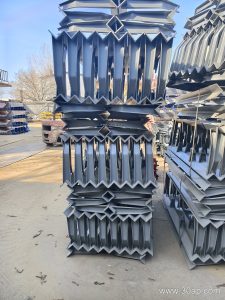
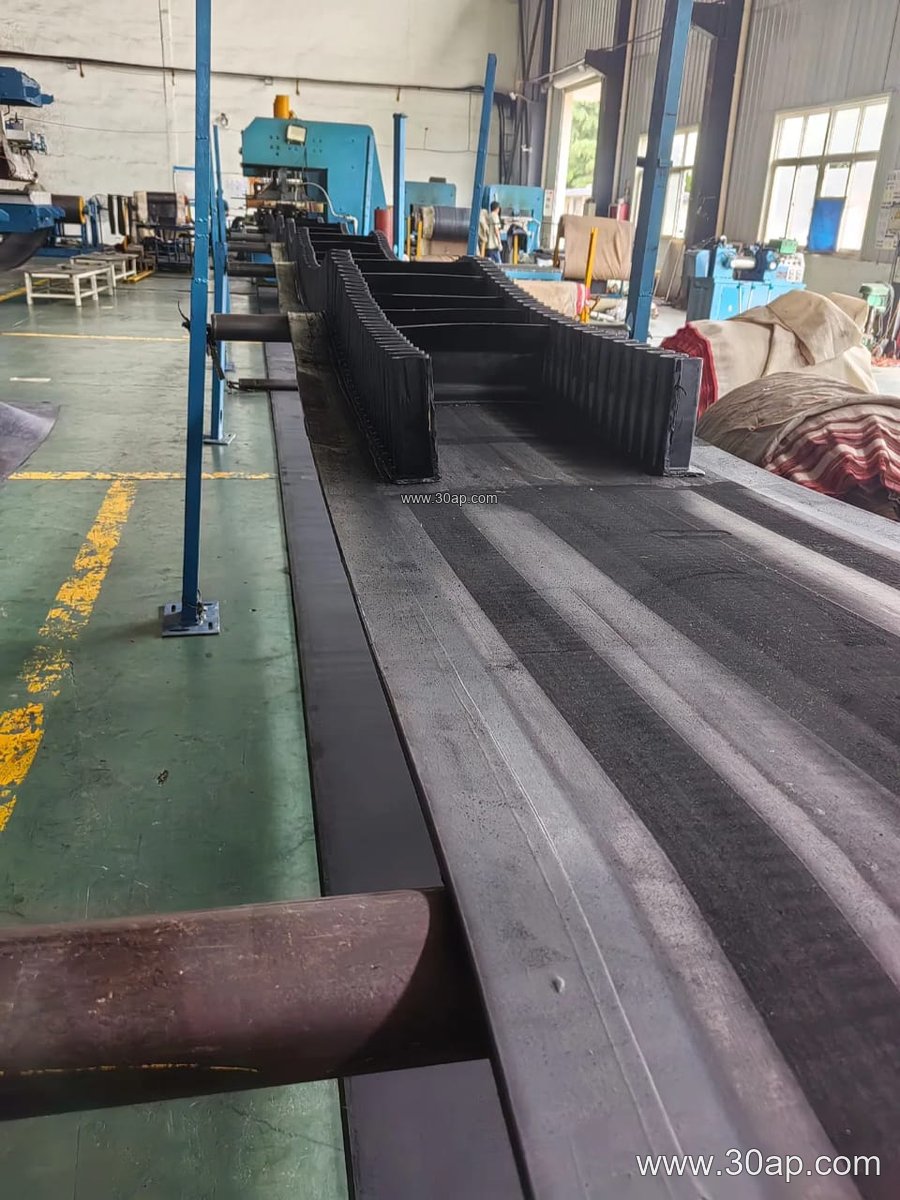
- Surface forms: plain, chevron, skirted, corrugated sidewall (application-dependent)
Where It Fits in the Plant
This belt width and strength class appear in bulk material conveyor lines at mines, coal preparation plants, cement works, power stations, quarries, and port loading facilities. It can handle crushed rock, ore, clinker, aggregate, and similar heavy loads. In coal mining conveyor belt applications, a flame retardant conveyor belt or anti-static conveyor belt grade is often required for underground mining conveyor belt service. For iron ore or copper ore, an abrasion resistant conveyor belt with a robust cover is typical.
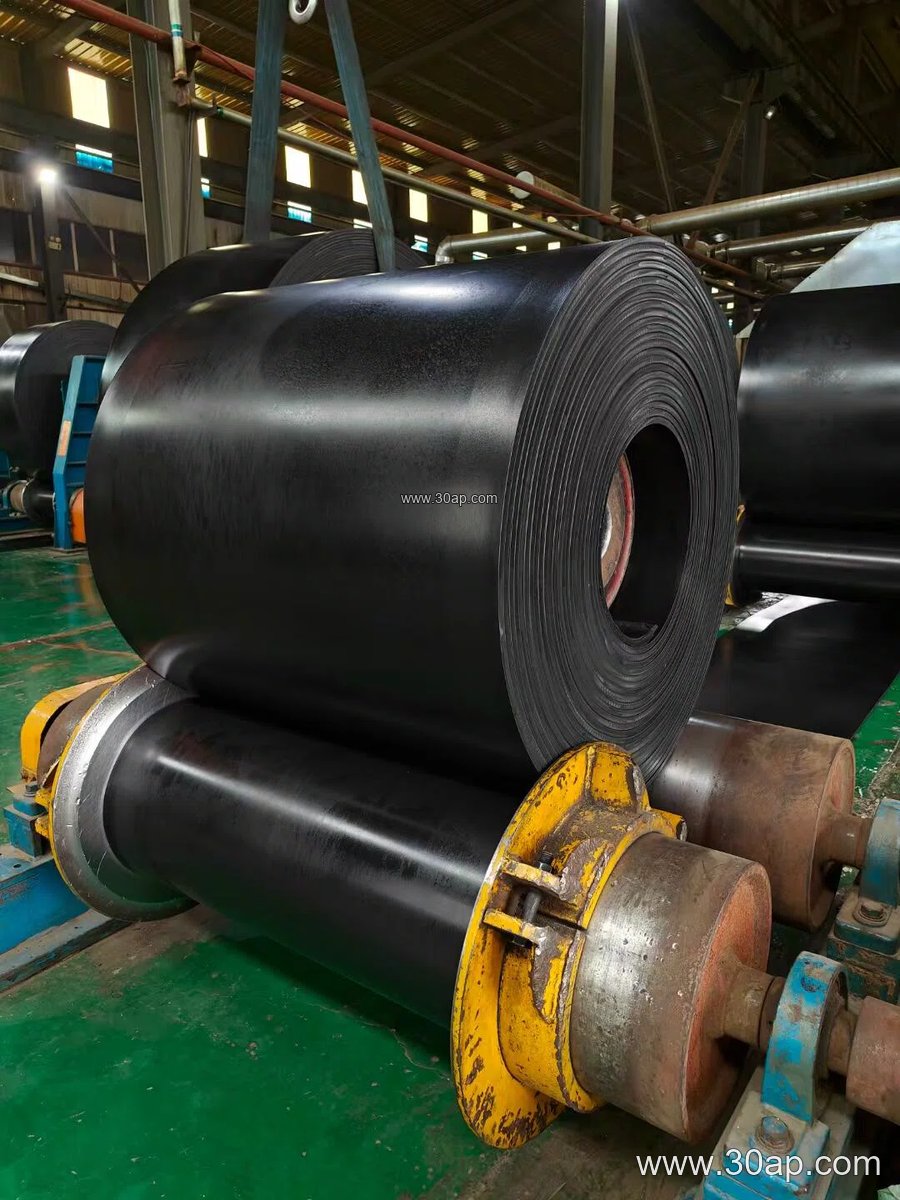
Because 1800 mm is a wide format, it is frequently used on main trunk conveyors rather than short transfer points. The belt must trough well, track straight, and splice reliably. A chevron conveyor belt or corrugated sidewall conveyor belt may be chosen for steep inclines, but those are separate surface forms of the same EP carcass family, not replacements for the flat EP1250 1800mm belt itself.
Buyer Checklist
Before ordering, confirm the required cover grade (abrasion resistant, heat resistant, oil resistant, flame retardant, cold resistant), the ply count, and the cover thickness. Check that the conveyor pulley diameters and idler roller spacing suit an 1800 mm wide belt. Specify the splice type — vulcanized endless conveyor belt splices are common for permanent installations. Ask for the manufacturer’s data sheet for the EP1250 1800mm Conveyor Belt and verify the actual tensile strength, elongation, and cover properties against your conveyor design.
For related equipment such as idler roller, conveyor pulley, and conveyor bracket, coordinate dimensions with the belt supplier early. A well-matched system reduces edge damage and extends belt life in demanding mining, cement, and power plant service.