What an Aggregate Production Line Idler Does
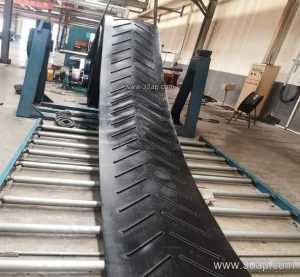
An aggregate production line idler is the rotating support that carries the conveyor belt along the length of a crushing and screening circuit. In a sand and gravel plant, the belt leaving the crusher is often loaded unevenly, runs fast, and carries sharp, abrasive rock. The idler roller has to keep that belt tracking true while absorbing vibration and keeping dust out of the bearing. Because the aggregate conveyor belt is the single most expensive wearing item on the line, the condition of every idler directly affects belt life.
The idler sits in a conveyor bracket or frame, and together with the conveyor pulley at the head and tail it forms the complete carrying path. A drive pulley pulls, a tail pulley returns, and the idlers in between simply support. These roles are not interchangeable, and neither are the different idler positions along the line.
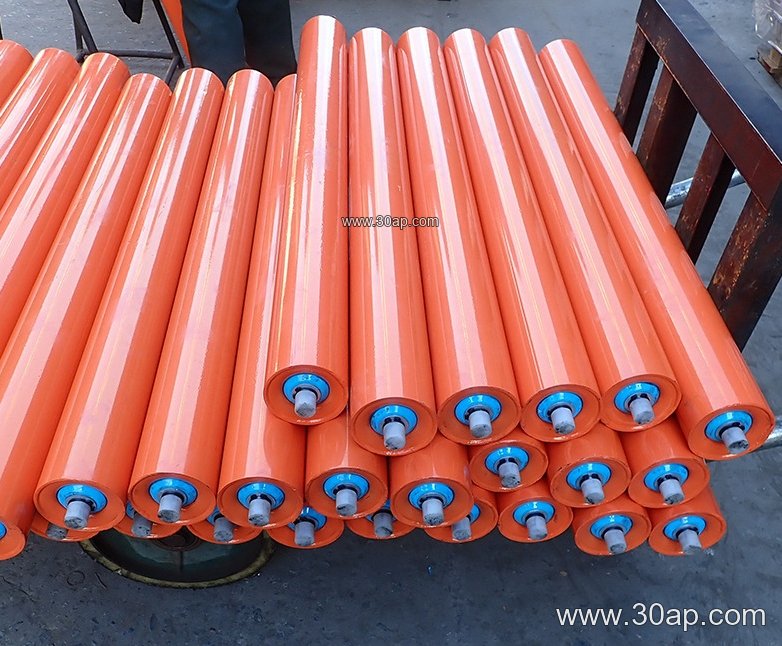
How the Roller Is Built
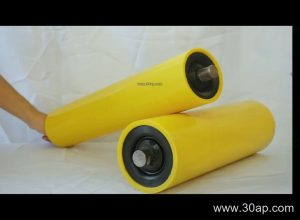
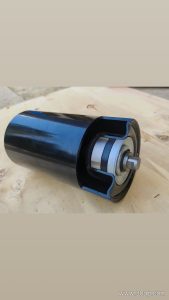
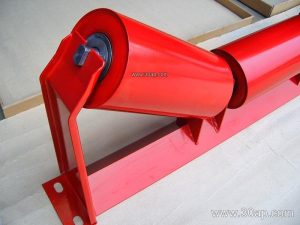
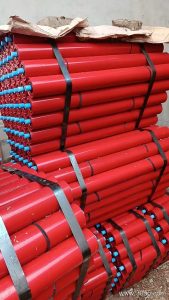
A typical unit is a steel tube shell fitted over a through shaft, with a sealed bearing housing at each end. The shell may be plain steel, nylon-coated, ceramic-covered, or fitted with rubber rings for impact absorption. Bearing selection matters more than many buyers expect: common sizes include 6204, 6205, 6305, 6306, 6308 and 6310, and the correct choice depends on load, speed and the sealing arrangement rather than on roller diameter alone.
Sealing is the quiet hero. In a quarry or cement plant, fine dust and water spray destroy unprotected bearings within weeks, so a labyrinth seal plus grease retention is usually specified. The shell thickness and shaft diameter should be matched to the actual belt tension and material weight, not guessed from belt width.
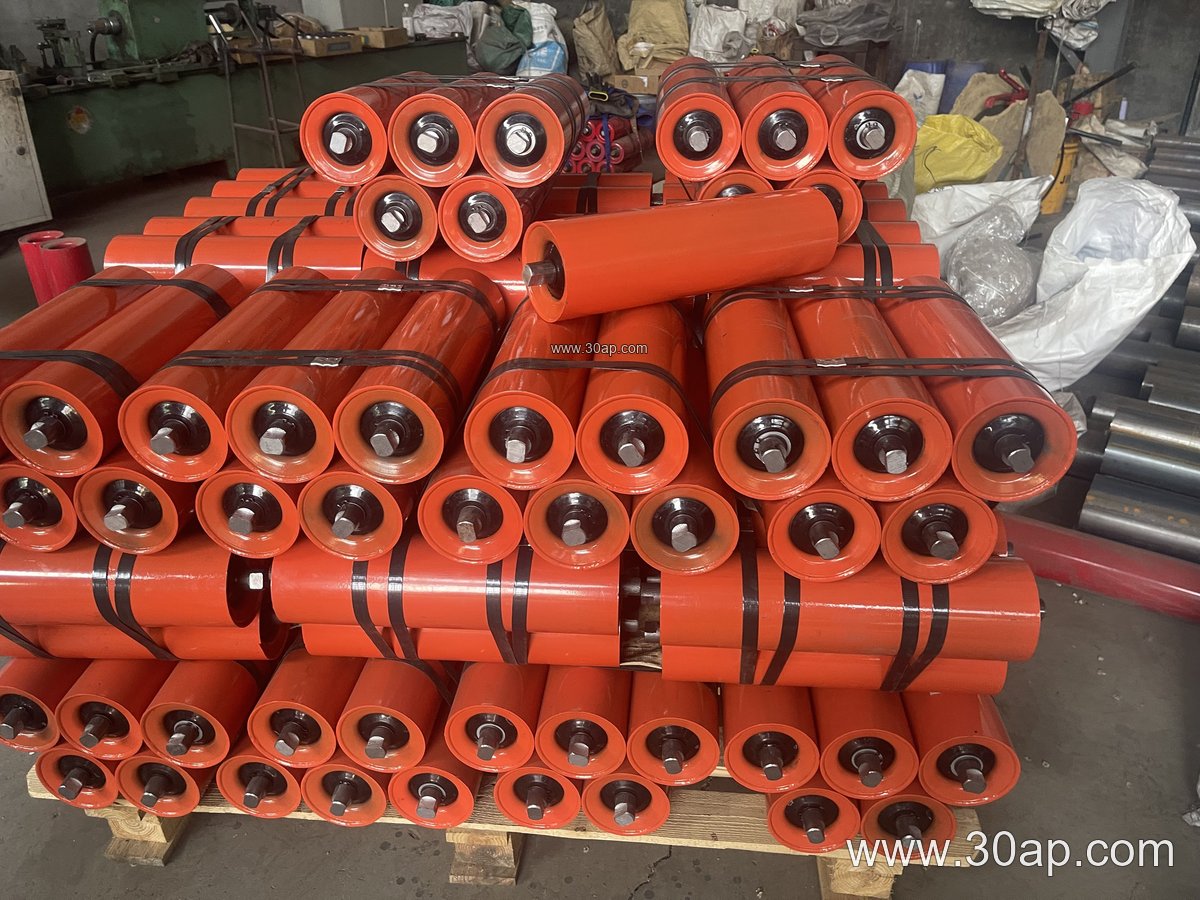
Where It Fits on the Line
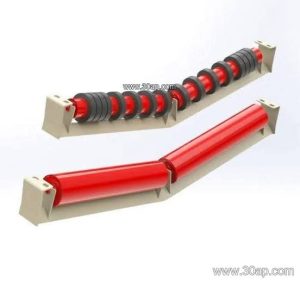
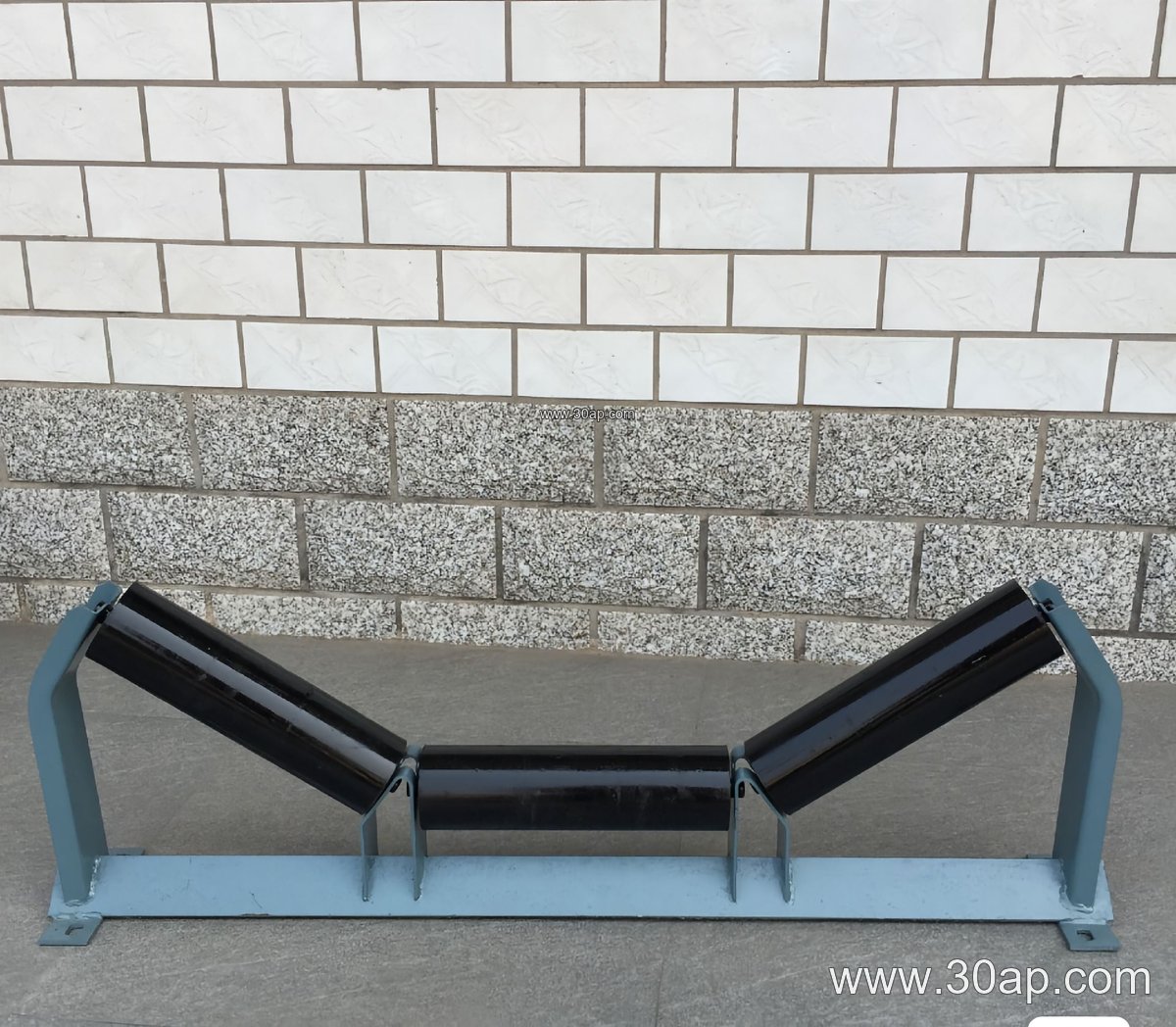
Different positions call for different forms. Troughing idlers, usually arranged as two-part or three-part sets, shape the belt into a trough so bulk material stays centered. Return idlers support the empty strand underneath. Impact idlers with rubber rings sit under the crusher discharge to cushion falling rock. Self-aligning idlers correct belt drift on long runs. Spiral and comb types help where sticky material builds up on the shell.
Common trough angles are 20, 30, 35 and 45 degrees; a steeper trough holds more material but increases belt stress. Forward tilt of about 1.5 to 2 degrees is sometimes used on aligning sets to encourage tracking. Roller diameters commonly range from Ø63 to Ø219, and belt widths from B400 up to B2400, with roller length varying by width, trough angle and set arrangement.
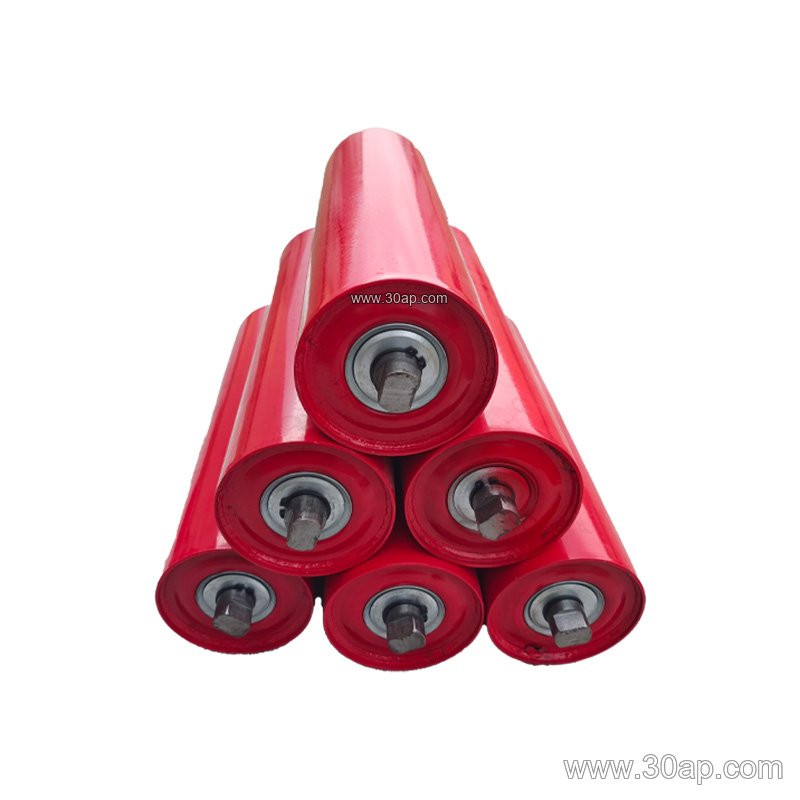
Typical Reference Values
The figures below are common examples, not fixed matches. Final sizes are determined by design.
| Belt width | Common roller length (three-part trough set) |
|---|---|
| B500 | about 200 mm |
| B650 | about 250 mm |
| B800 | about 315 mm |
| B1000 | about 380 mm |
| B1200 | about 465 mm |
| B1400 | about 530 mm |
| B1600 | about 600 mm |
| B1800 | about 670 mm |
| B2000 | about 750 mm |
Side rollers and center rollers may differ in length within the same set, so the table is a starting point for discussion with a supplier.
Application Notes Across Industries
In a limestone quarry or iron ore plant, abrasion resistance is the priority, and heavy-duty shells with thick walls are usual. In a coal washing plant or power plant coal yard, flame retardant conveyor belt grades are often required alongside fire resistant conveyor belt specifications, so idler materials and grease must also suit the environment. Cement plants face heat and fine dust; a heat resistant conveyor belt may run beside idlers chosen for high temperature bearing grease. Ports and ship loading terminals favor large diameters for low rotation speed and long service life.
Where sticky or wet material is handled, a Fabric Core Conveyor Belt or an EP Conveyor Belt may be paired with spiral return rollers to reduce buildup. In crushing circuits, an Abrasion Resistant Conveyor Belt under impact idlers is a common combination.
What a Buyer Should Check
- Confirm the actual belt width and trough angle before ordering roller length.
- Ask for the bearing size and seal type, not just the shell diameter.
- Match roller wall thickness to the duty, especially in primary crushing.
- Check that brackets and frames accept the chosen shaft ends.
- Plan a spare policy for impact and return positions, which often wear first.
- Verify grease type compatibility with the ambient temperature and dust level.
Regular inspection of idler rotation, shell wear and seal condition prevents belt edge damage and costly downtime. A well-chosen aggregate production line idler is a small component with a large influence on the reliability of the whole conveying system.