What a 2200mm Conveyor Belt Is
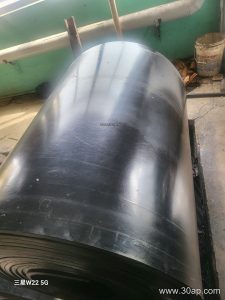
A 2200mm conveyor belt is a wide-format rubber belt built for conveyor lines that need to move large volumes of bulk material in a single pass. At 2.2 metres across, it sits at the upper end of common belt widths, which makes it a practical choice for mainline haulage in mines, cement works, power plants, ports and large sand and gravel operations. Because the belt is wide, it can carry a deep material bed and reduce the number of parallel conveyor lines on a site.
The product is usually specified as a fabric core belt or a steel cord belt. In many plants the wording on the purchase list reads 2200mm wide conveyor belt, wide conveyor belt or extra-wide conveyor belt, all referring to the same 2.2 m platform. The correct engineering term depends on the carcass, not on the width alone.
Construction and Carcass Options
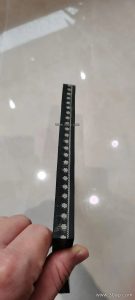
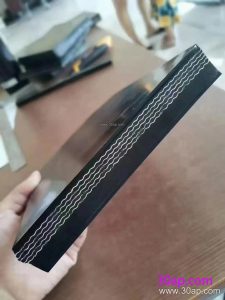
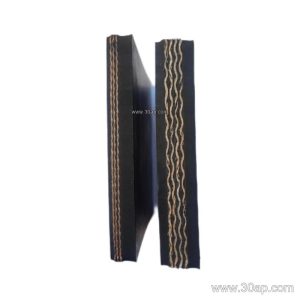
The belt body is made of a load-bearing carcass, a top cover and a bottom cover. For a 2200mm conveyor belt, the carcass choice drives the strength rating and the splice method.
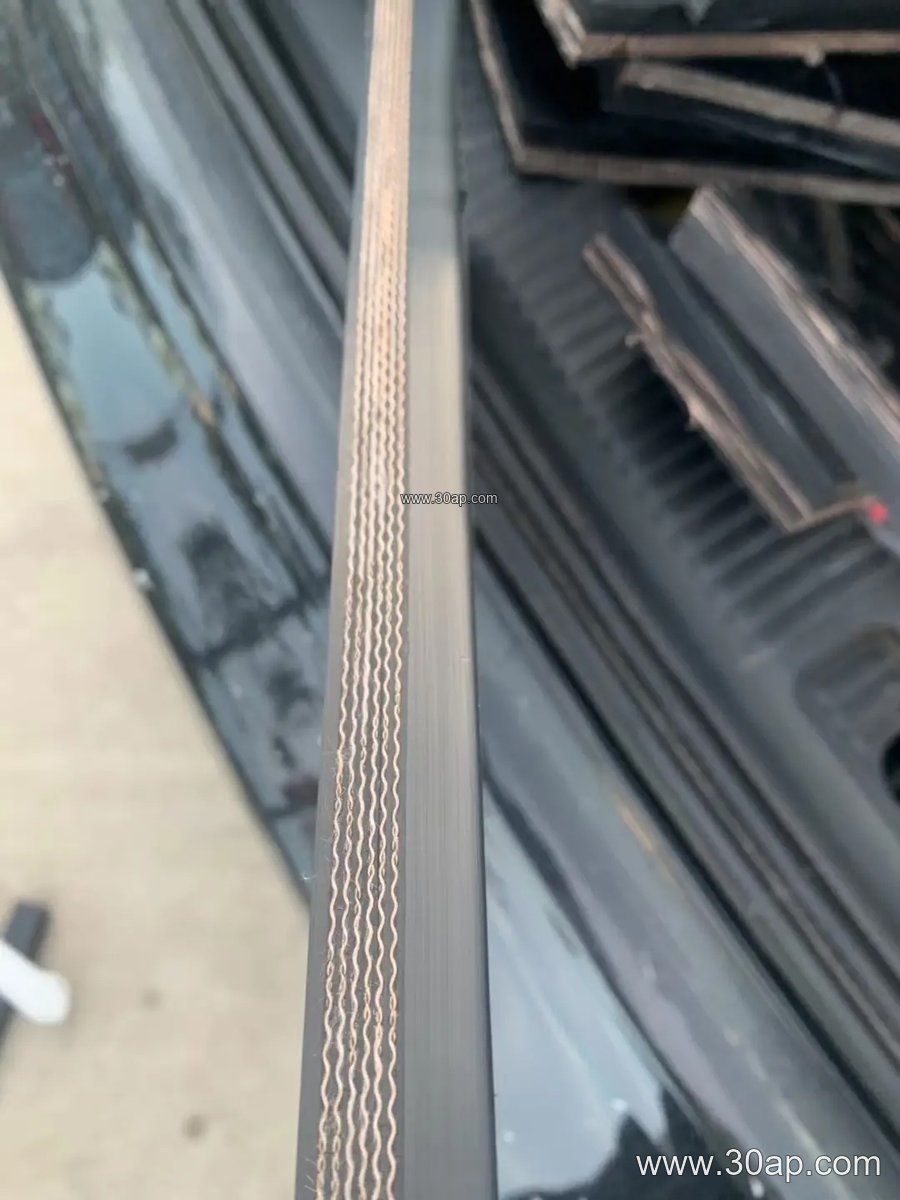
- Multi-ply fabric core – EP or NN plies, typically 2 to 6 layers, with EP100 to EP630 ratings common in this width class.
- Steel cord – a single layer of steel cables, used when very high tension and long centre distances are involved, with ST ratings from around ST1000 upward.
- Solid woven PVC or PVG – used in underground coal mining where flame resistance and anti-static behaviour are required.
Cover compounds are selected for the duty. Abrasion resistant covers suit crusher discharge and quarry lines; heat resistant grades suit cement clinker and sinter; flame retardant and anti-static grades are standard for coal mining conveyor belts underground. Oil resistant and cold resistant covers are available where the environment calls for them.
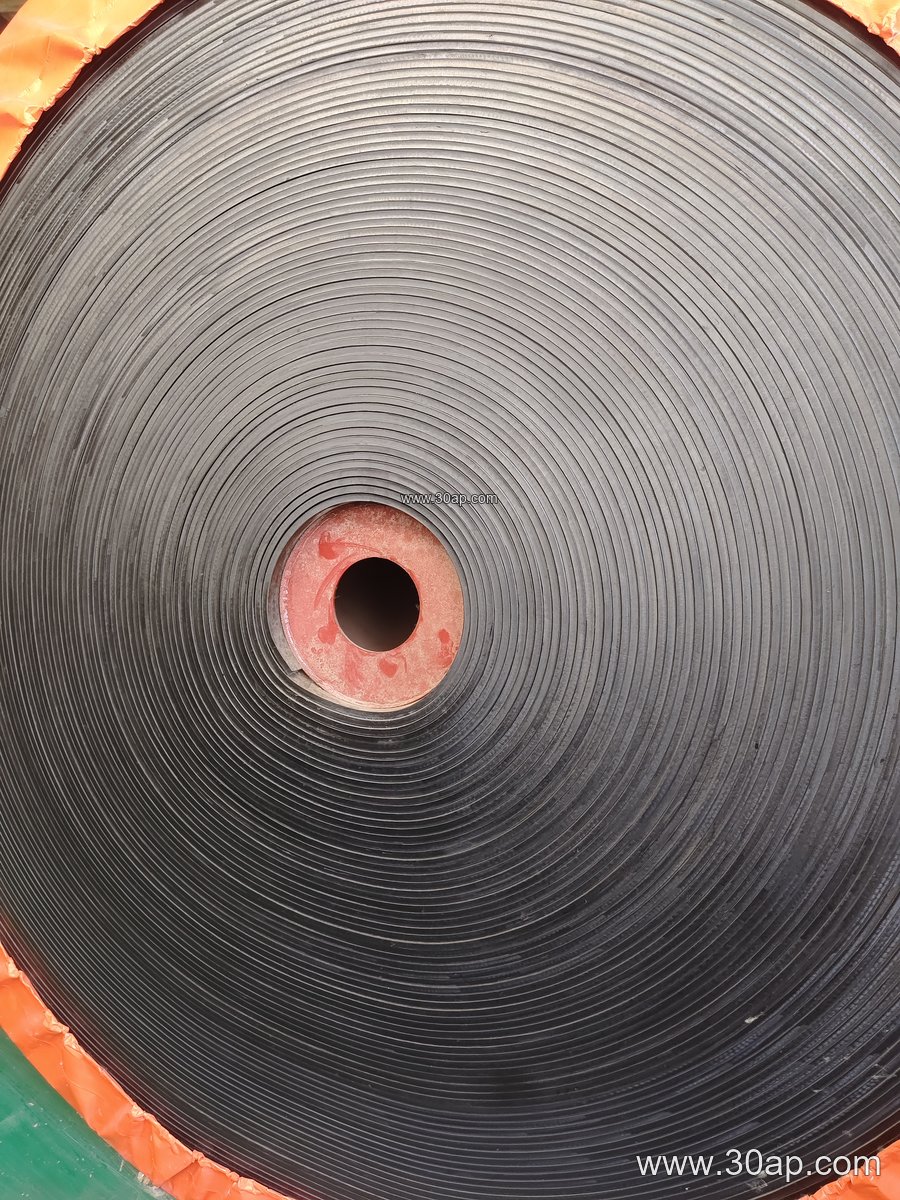
Typical Specifications
The table below shows reference figures that appear in supplier catalogues. They are not universal and should be confirmed against the actual design.
| Parameter | Common reference values |
|---|---|
| Belt width | 2200 mm (B2200) |
| Carcass type | EP fabric, NN fabric, steel cord, PVG |
| Strength grade | EP200 to EP630; ST1000 to ST2500 |
| Number of plies | 3 to 6 for fabric core |
| Top / bottom cover | 6+2 mm, 8+3 mm and other combinations |
| Surface form | plain, chevron, corrugated sidewall, skirted |
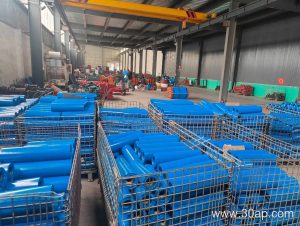
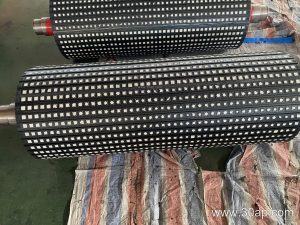
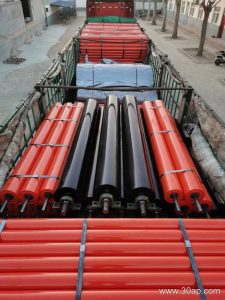
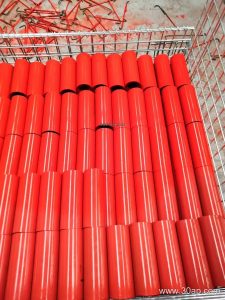
Related hardware includes the conveyor pulley at the head and tail, idler roller sets across the full 2200 mm span, and conveyor bracket frames sized to the structure. None of these can be chosen from belt width alone; shaft diameter and pulley face width follow the calculated tension.
Where It Fits in the Plant
Wide belts are usually found on main haulage conveyors rather than on short transfer points. In a copper ore or iron ore concentrator, a 2200mm conveyor belt can form the link between the primary crushing station and the stockpile. In cement plants it may carry limestone from the quarry to the raw mill. Power plants use wide belts on coal receiving lines, and ports use them on ship loading conveyors where a high tonnage rate per hour is needed.
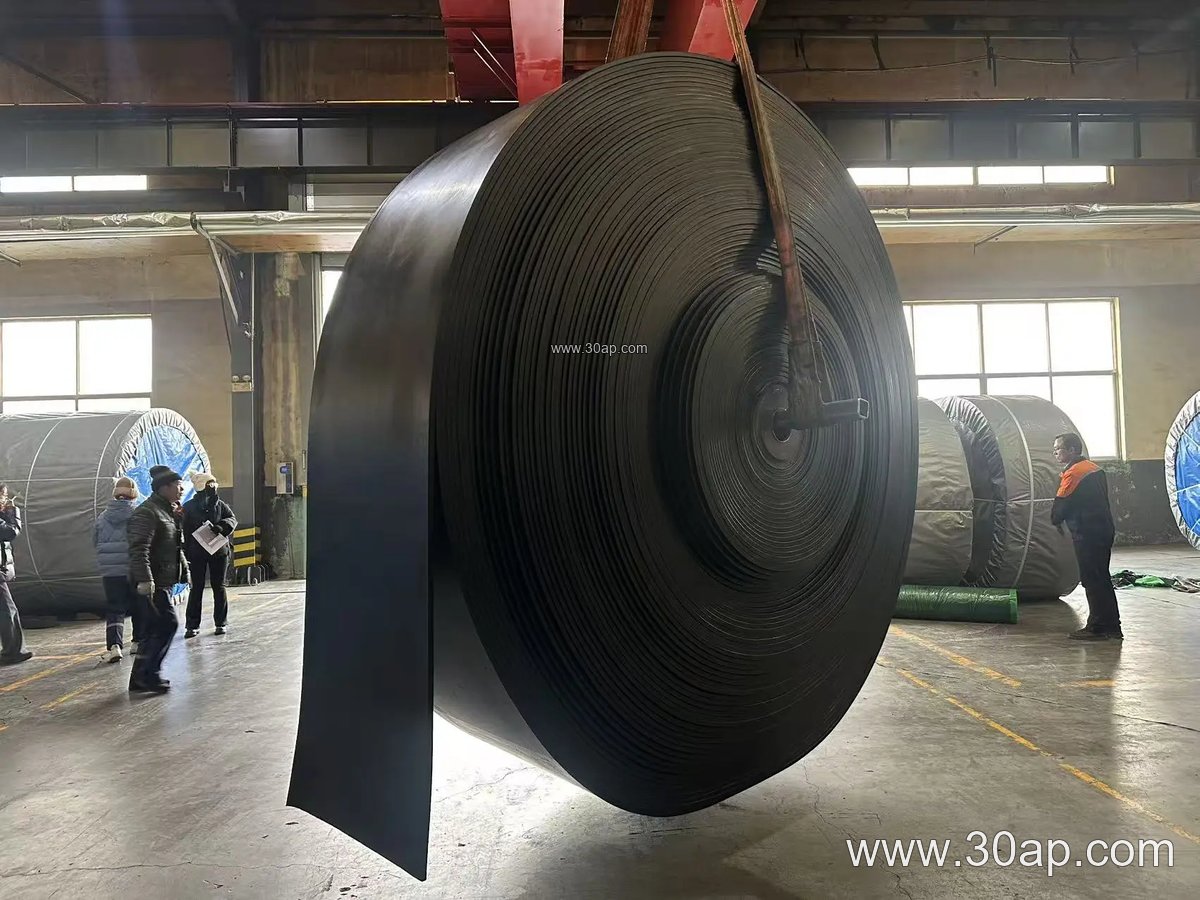
Sand and gravel plants, stone crushing lines and recycling facilities also use wide belts where the feed is coarse and the throughput target is high. In dusty or wet conditions, a skirted or corrugated sidewall version helps contain material at the edges.
Selection and Maintenance Notes
Buyers should start with the required tonnage, material lump size, incline angle and centre distance, then calculate the belt tension. Only after that should the carcass grade, cover thickness and pulley sizes be fixed. A 2200mm belt should never be paired with a pulley diameter chosen purely from the width; the pulley diameter is set by the carcass and the splice requirements.
- Check that the idler roller spacing suits the belt sag limit for the loaded width.
- Confirm the cover grade against abrasion, heat or oil exposure at the loading point.
- Plan the splice: steel cord belts need a different splice method from multi-ply fabric belts.
- Inspect edge wear, cover gouges and pulley lagging at regular intervals.
For more information on wide belt options, visit conveyorbeltingpro.com for 2200mm conveyor belt details and conveyorbeltingpro.com for idler roller and conveyor pulley guidance.