What a Conveyor Belt Idler Does on the Line
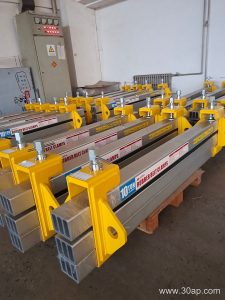
A conveyor belt idler is the rotating roller assembly that supports the belt and the material load along the carrying and return runs. In practice, the idler roller carries most of the weight, keeps the belt tracking in line, and reduces friction so the drive pulley does not have to pull against a dragging belt. On a quarry conveyor belt or a cement plant feed line, the idlers are the most numerous wear parts on the whole structure, and their condition directly affects belt life and energy draw.
The idler is a separate component from the conveyor pulley. A drive pulley, tail pulley and bend pulley are not interchangeable names, and none of them can replace an idler in the support role. A conveyor pulley turns the belt; an idler simply rolls under it.
How an Idler Roller Is Built
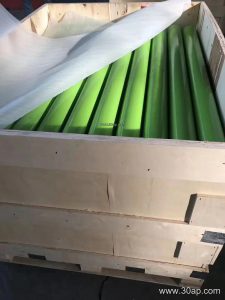
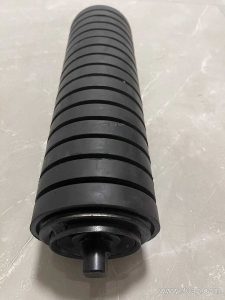
A typical idler roller has a steel tube shell, a shaft, bearing housings at each end, and a sealing arrangement to keep out dust and water. The shell may be plain steel, nylon-coated, ceramic-covered or fitted with rubber rings for impact absorption. Bearings are commonly 6204, 6205, 6305, 6306, 6308 or 6310, matched to the shaft and load rather than to a single roller diameter.
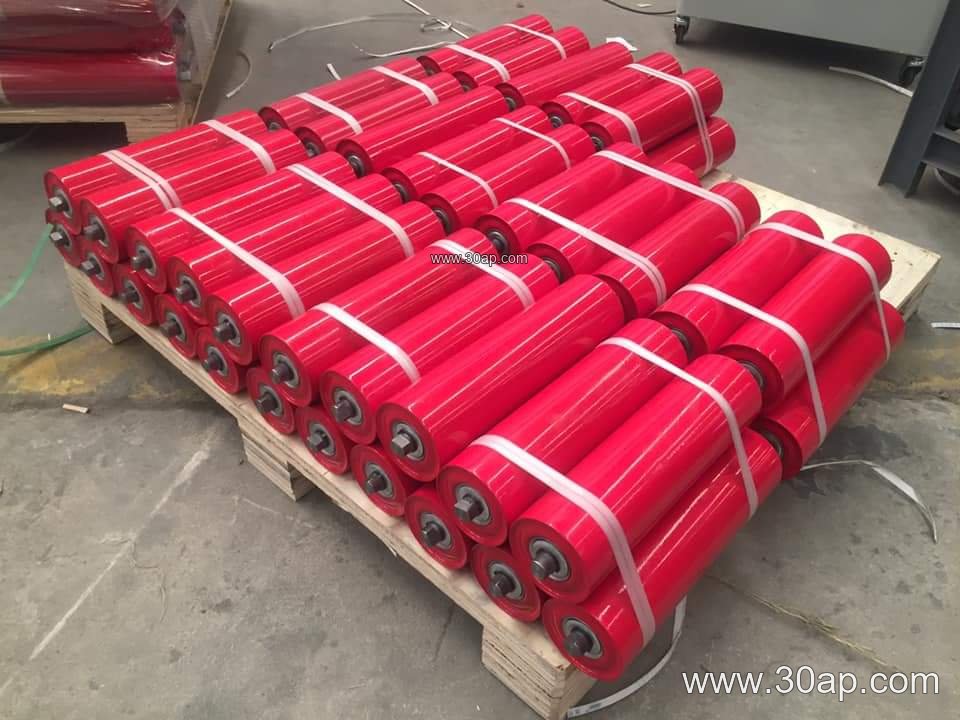
Roller diameter is usually chosen with the belt width and load in mind. Common diameters include Ø63, Ø76, Ø89, Ø102, Ø108, Ø127, Ø133, Ø159, Ø178, Ø194 and Ø219 mm. These are reference values, not fixed pairings, and a belt width does not dictate one shaft size by itself.
Common Idler Types and Where They Sit
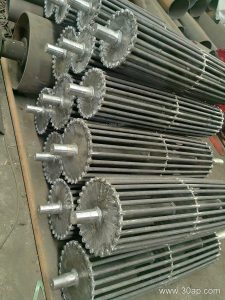
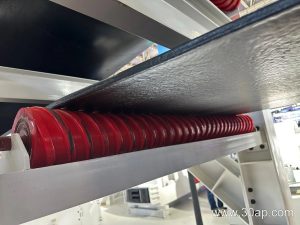
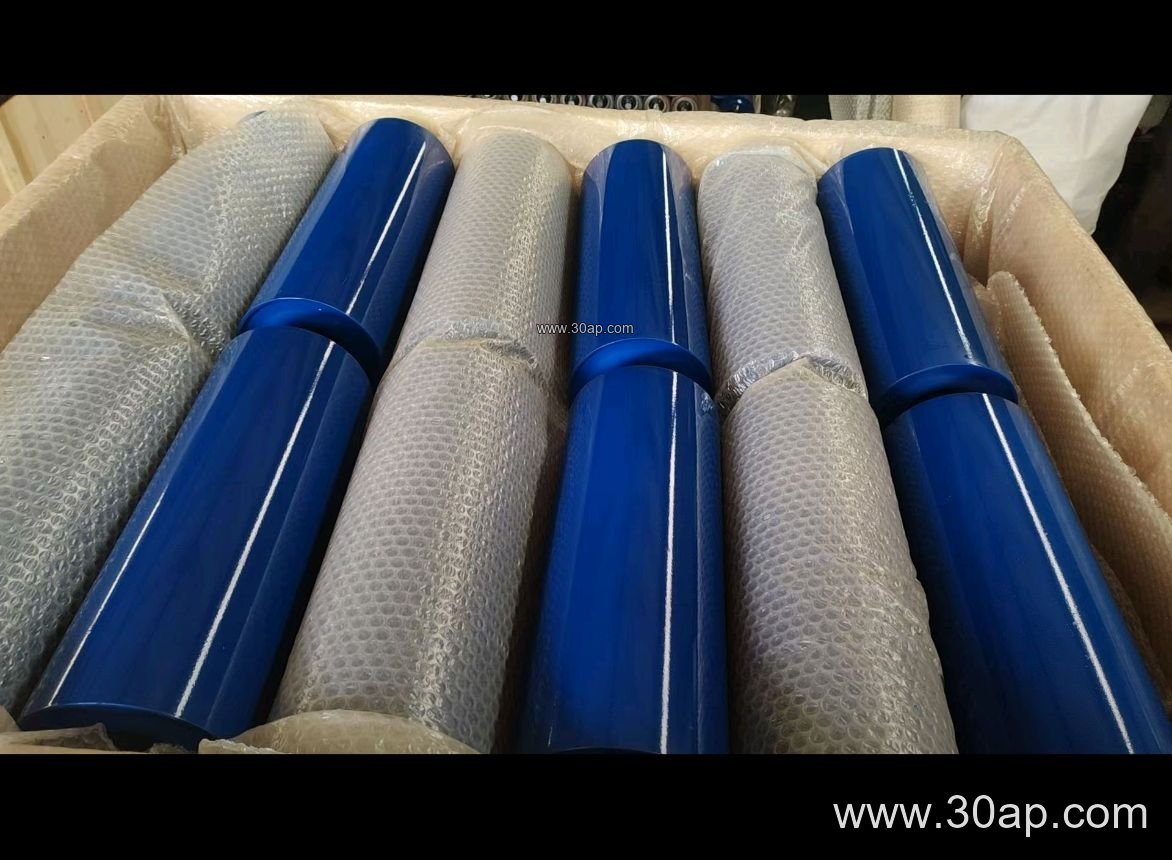
Troughing idlers, also called carrying idlers, are arranged in single-roll, two-roll or three-roll sets. A three-roll troughing set with a 20, 30, 35 or 45 degree trough angle is standard on bulk material conveyor belts. Transition idlers sit near the pulleys to ease the belt from flat to troughed. Return idlers support the empty belt, and V-type return idlers help with tracking. Impact idlers and rubber-ring impact idlers are placed at load points under a crusher conveyor belt or a transfer chute. Self-aligning idlers, including friction and tapered types, correct minor misalignment. Spiral and comb idlers are used where sticky material tends to build up on the shell.
Matching Roller Length to Belt Width
Roller length changes with belt width, trough angle and idler set form. The table below gives common three-roll troughing examples for reference only; side rollers and the center roller can differ, and final dimensions are set by the conveyor design.
| Belt Width | Typical Roller Length (three-roll set) |
|---|---|
| B500 | about 200 mm |
| B650 | about 250 mm |
| B800 | about 315 mm |
| B1000 | about 380 mm |
| B1200 | about 465 mm |
| B1400 | about 530 mm |
| B1600 | about 600 mm |
| B1800 | about 670 mm |
| B2000 | about 750 mm |
Band widths from B400 to B2400 are used across different industries, and the idler supplier should confirm the exact roller length, shaft end and bracket fit before production.
Industries and Belt Combinations
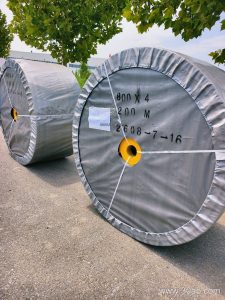
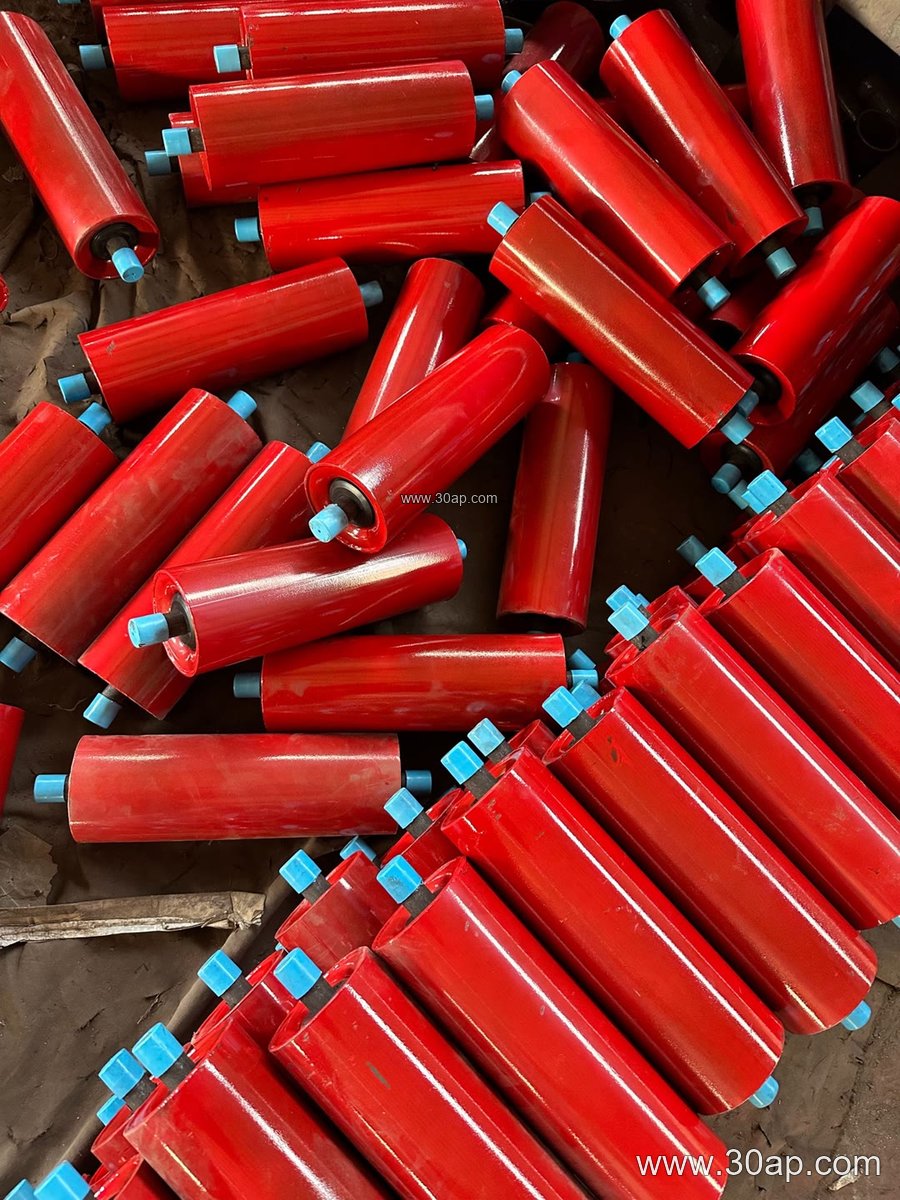
Idlers appear wherever a belt runs: limestone mines, iron ore and copper ore concentrators, coal washing plants, power plant coal yards, aggregate crushing and screening lines, cement kilns, steel sinter plants, ports and ship loading terminals. The belt above them may be an EP conveyor belt, an NN conveyor belt, a steel cord conveyor belt, a flame retardant conveyor belt for underground coal mining, or a heat resistant conveyor belt near a clinker cooler. A heavy-duty mining conveyor belt with a thick cover needs robust idlers, while a food grade conveyor belt line may call for lighter, cleaner-running rollers.
At www.example.com/idler-roller the focus stays on the idler itself, but the roller always works together with the conveyor belt, the conveyor pulley and the conveyor bracket. A weak bracket or a worn pulley can ruin a good idler set.
What Buyers Should Check Before Ordering
- Belt width and trough angle, so roller length and set form match the frame.
- Load per idler and belt speed, which guide roller diameter and bearing choice.
- Environment: dust, water, heat, oil or fine abrasive material, which affects seals and shell surface.
- Shaft end type and bracket interface, since a mismatched end will not fit the existing conveyor bracket.
- Spare parts plan, because idlers wear in groups and mixed sizes on one line complicate maintenance.
During operation, listen for seized or noisy rollers, check for belt misalignment and replace damaged shells early. A small number of failed idlers can raise belt tension, damage the belt edge and shorten the life of the conveyor pulley. For abrasive stone lines, an abrasion resistant conveyor belt paired with well-sealed rollers gives the most predictable service life.