What a PVC Conveyor Belt Is
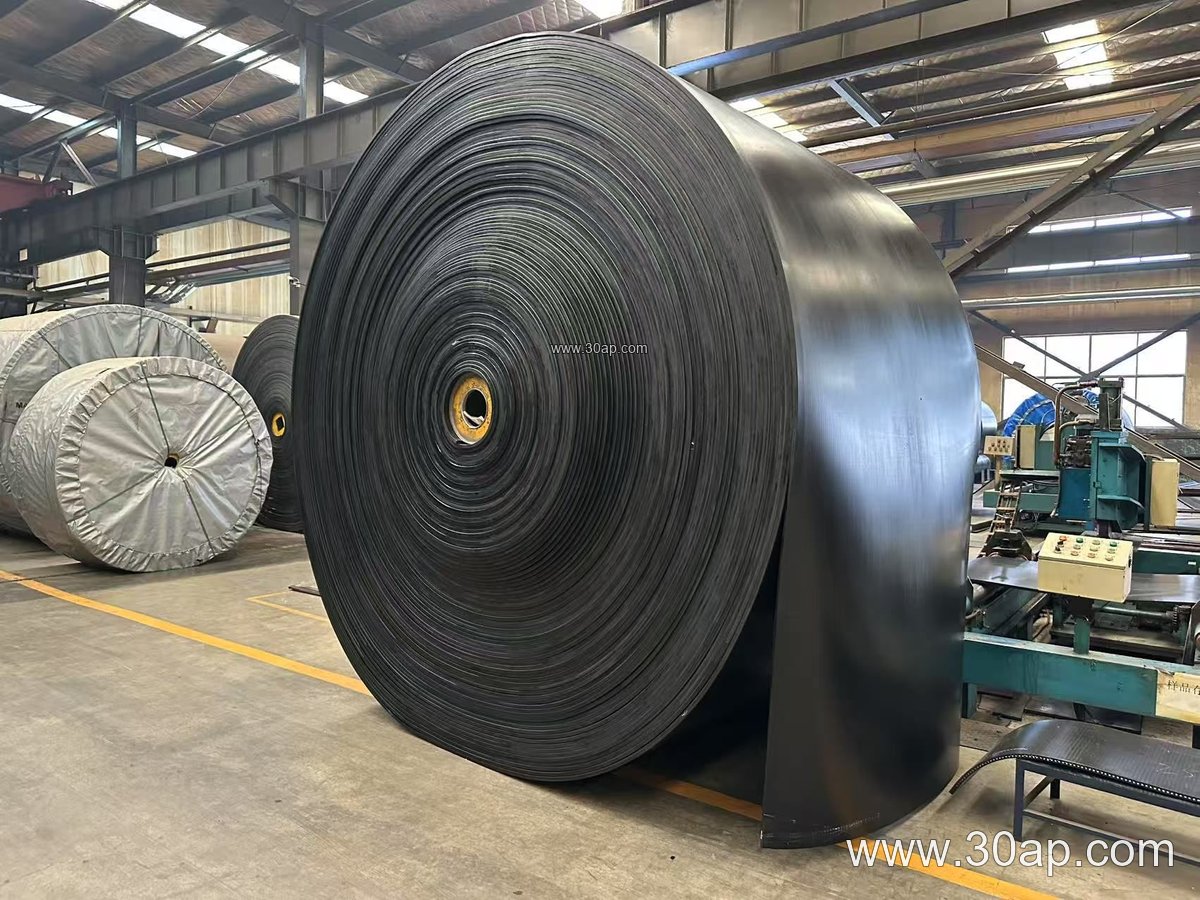
A PVC conveyor belt is a light-to-medium duty belt built around a fabric core and coated with polyvinyl chloride covers. The carcass carries the tension while the PVC top and bottom covers handle abrasion, moisture, and the surface grip the load needs. It is one of the most practical choices for general material handling because it resists water and many mild chemicals better than plain rubber, cleans easily, and can be spliced into an endless belt on site.
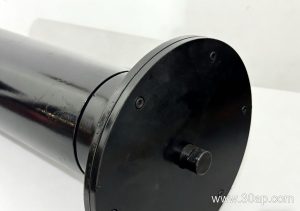
Buyers often compare it with a Rubber Conveyor Belt or a heavy-duty Steel Cord Conveyor Belt. Those belts suit high-tension, long-haul duties in mining and cement plants, while the PVC version is usually selected for shorter conveyors, lighter loads, and applications where hygiene or wet conditions matter. The two are not interchangeable, and the drive, tail, and bend pulleys on a conveyor are separate components with distinct roles.
Construction and Surface Options
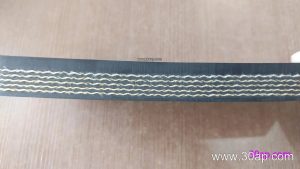
The belt usually consists of two to four fabric plies, a PVC impregnation that bonds the plies, and top and bottom covers. Common cover thicknesses include 2+1 mm and 3+1.5 mm, with heavier builds available for tougher service. Surface forms are chosen to match the load: smooth covers for boxes and packaged goods, a Chevron Conveyor Belt profile for inclined runs, and a Corrugated Sidewall Conveyor Belt or Skirted Conveyor Belt where material must be contained on steep or narrow paths.
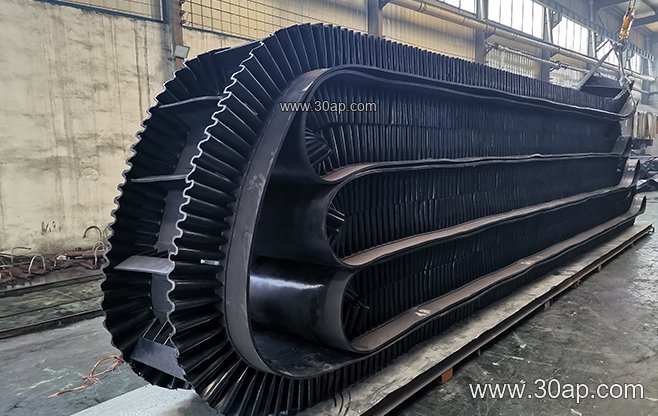
Standard widths are frequently quoted as B500, B650, B800, B1000, B1200, B1400, B1600, and B1800, with wider and narrower options made to order. The correct width, cover grade, and splice method are set by the conveyor design, not by a single fixed rule, and belt width should never be matched to one pulley diameter by assumption.
Where It Fits in the Plant
Typical duties include bag handling, packaged goods, food and beverage lines with a Food Grade Conveyor Belt build, recycling sorting, and light aggregate transfer. In a sand and gravel yard or a stone crushing line, a PVC belt may feed screens and stackers where loads are moderate. In a cement plant or power plant, heavier Fabric Core Conveyor Belt and EP Conveyor Belt constructions usually take the main haul, while PVC serves ancillary routes. Ports and ship loading conveyors generally need a stronger carcass, so the PVC type stays on secondary lines.
Where fire safety matters, a Flame Retardant Conveyor Belt or Fire Resistant Conveyor Belt grade is specified, and an Anti-Static Conveyor Belt build is used where static build-up is a concern. Cold climates may call for a Cold Resistant Conveyor Belt, and oily parts handling may need an Oil Resistant Conveyor Belt cover. For very abrasive ore or Iron Ore Conveyor Belt duty, an Abrasion Resistant Conveyor Belt or a heavy-duty Rubber Conveyor Belt is the better fit. A Heat Resistant Conveyor Belt is chosen when the material is warm, since standard PVC softens at elevated temperatures.
What a Buyer Should Check
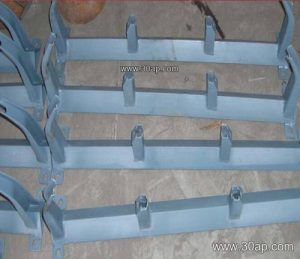
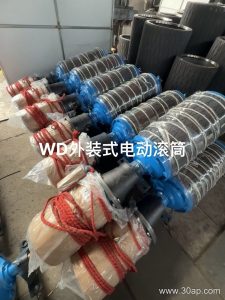
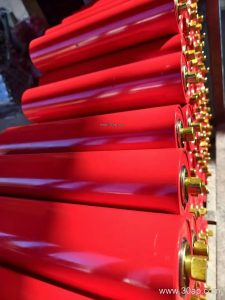
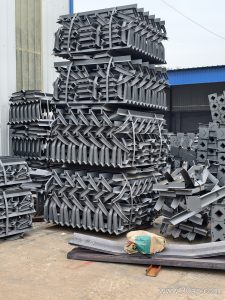
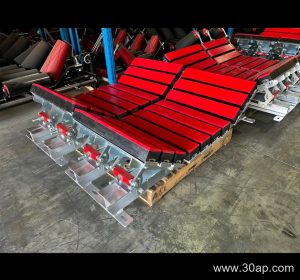
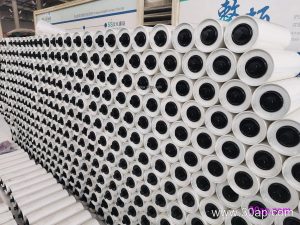
Start with the load, the incline, and the environment. Confirm the belt width, ply count, cover thickness, and whether an endless splice is required. Check that the conveyor pulley, idler roller, and conveyor bracket arrangement match the belt tension and tracking needs. Ask for the recommended take-up travel, the minimum pulley diameter for the selected carcass, and the splice data. For a conveyor in a quarry or a coal handling route, confirm flame retardant and anti-static properties in writing rather than assuming them.
Maintenance is straightforward: keep the belt clean, check the idler roller for seizure, watch the conveyor pulley lagging for wear, and inspect splices for edge separation. Store spare belts flat and away from direct sunlight. For more information on matching belt, roller, and pulley choices, visit conveyoridler.com and review the belt and component data before ordering.
Because manufacturers differ in carcass, cover compound, and tolerances, treat the sizes above as reference values and confirm the final specification against the conveyor design and the supplier’s datasheet.