What a Mining Flame Retardant Conveyor Belt Is
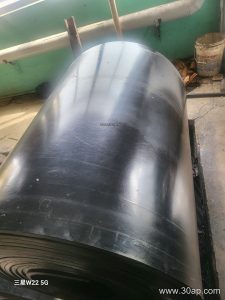
A mining flame retardant conveyor belt is a heavy-duty conveyor belt engineered to resist ignition and limit flame spread in underground and surface mining operations. It is the same product often called a fire resistant conveyor belt for mining, and the two names refer to the same construction. Unlike a standard rubber conveyor belt, this belt combines a flame retardant rubber cover with a fabric or steel cord carcass to meet fire safety expectations in coal mines, cement plants, power plants, and quarry sites where combustible dust or sparks are present.
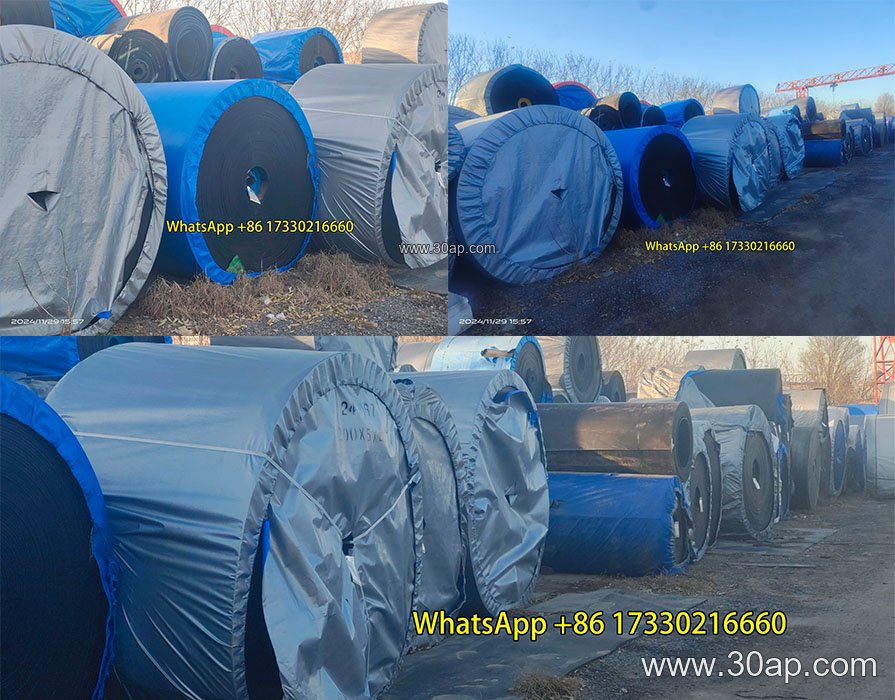
Construction and Materials
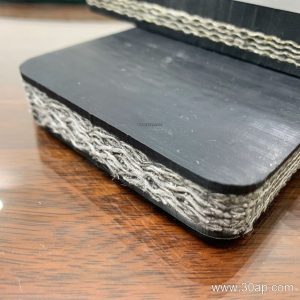
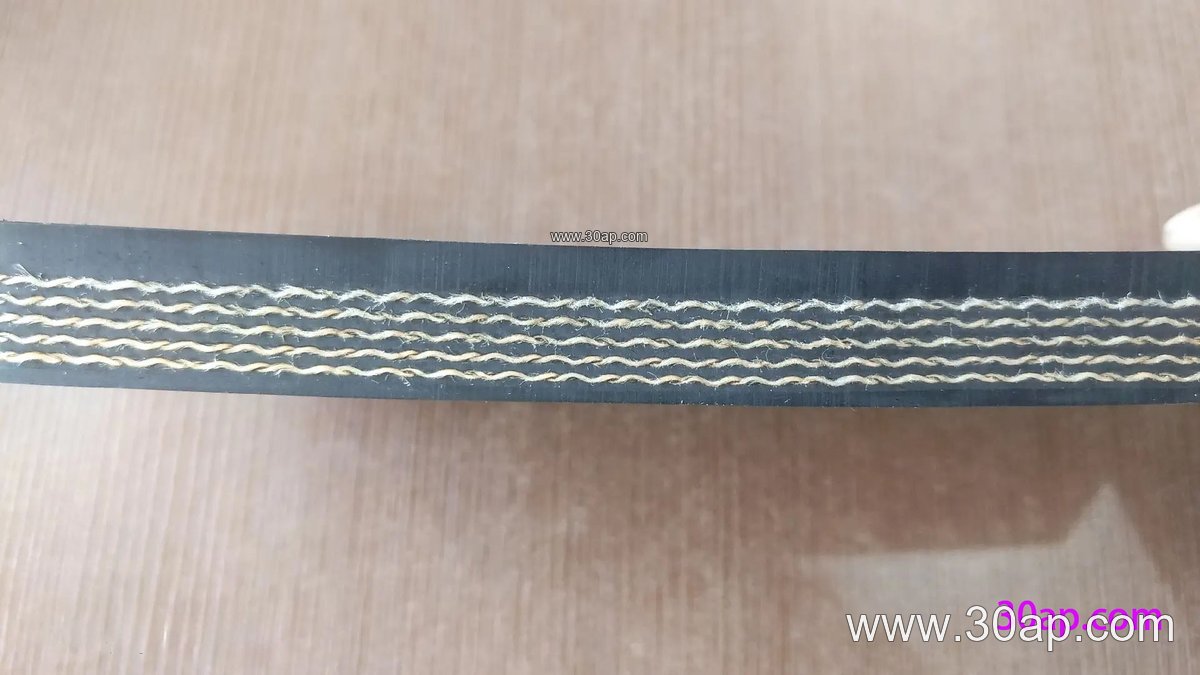
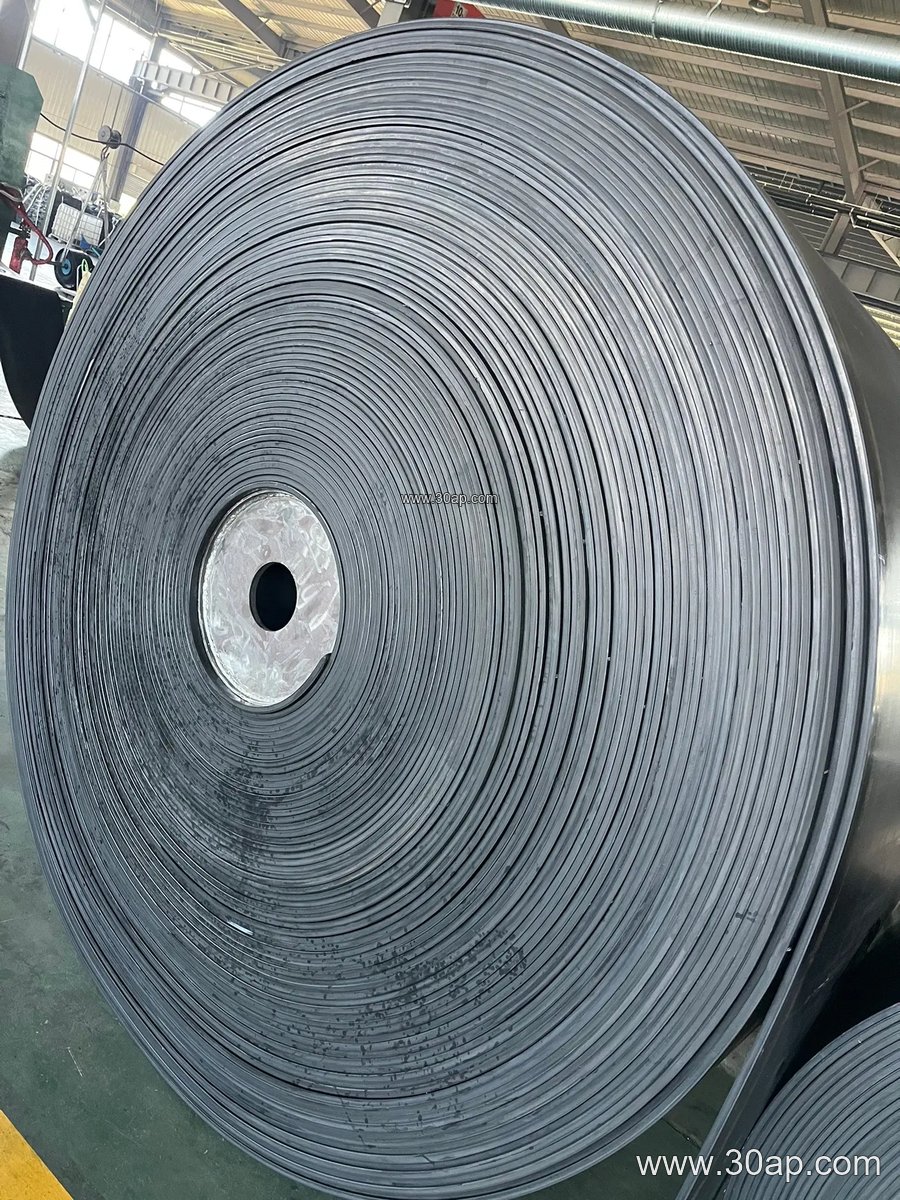
The belt typically uses a multi-ply fabric core such as an EP conveyor belt or NN conveyor belt carcass, or a steel cord conveyor belt for higher tension demands. The cover compounds are formulated with flame retardant additives, and anti-static properties are usually included to reduce static buildup. Common cover thicknesses are 3+1.5 mm, 4+2 mm, 5+2 mm, 6+2 mm, and 8+3 mm, with carcass ply counts usually from 2 to 6 layers. For underground coal mining conveyor belt service, PVG conveyor belt and PVC conveyor belt constructions are also common because they combine flame resistance with a solid-woven or fabric core.
| Attribute | Common Options |
|---|---|
| Belt type | EP conveyor belt, NN conveyor belt, steel cord conveyor belt, PVG conveyor belt, PVC conveyor belt |
| Strength grade | EP200, EP315, EP400, EP500, EP630, EP800, EP1000, EP1250, EP1600, EP2000 |
| Belt width | B500, B650, B800, B1000, B1200, B1400, B1600, B1800, B2000 |
| Cover thickness | 3+1.5 mm, 4+2 mm, 5+2 mm, 6+2 mm, 8+3 mm |
| Carcass plies | Usually 2 to 6 layers |
Where It Is Used
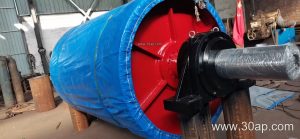
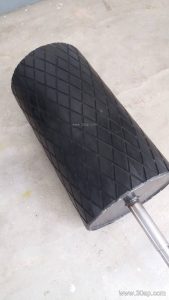
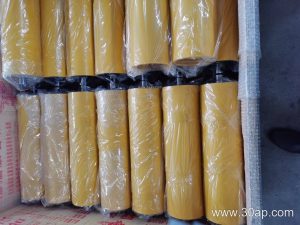
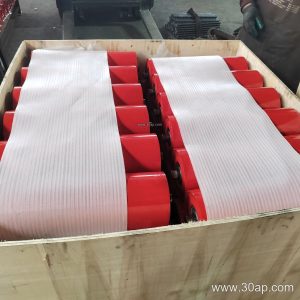
These belts are found in coal mining conveyor belt systems, underground mining conveyor belt lines, cement conveyor belt circuits, power plant conveyor belt yards, and quarry conveyor belt operations. They also appear in steel plant conveyor belt routes, sand making plant conveyor belt systems, and port conveyor belt installations handling bulk material conveyor belt loads. In a typical conveyor, the belt runs over idler rollers, wraps around a conveyor pulley at the drive and tail positions, and is supported by conveyor brackets. The flame retardant belt is especially relevant where the conveyor passes through enclosed galleries, tunnels, or transfer points with dust and heat.
Selection Points for Buyers
- Match the strength grade to the duty: a heavy-duty mining conveyor belt may need EP1000 or higher, while a shorter aggregate conveyor belt might use EP200 or EP315. Steel cord conveyor belt grades such as ST1000 to ST3150 are chosen for long overland lines.
- Confirm the flame and anti-static requirement: ask for documentation that the belt meets the fire resistant conveyor belt and anti-static conveyor belt expectations of your site, without assuming a universal certification.
- Consider the environment: a heat resistant conveyor belt or abrasion resistant conveyor belt cover may be needed alongside flame retardancy for high-temperature clinker or sharp rock. In cold climates, a cold resistant conveyor belt compound helps avoid cracking.
- Check belt width against conveyor design: widths like 800mm conveyor belt, 1000mm conveyor belt, 1200mm conveyor belt, and 1400mm conveyor belt are common, but the final choice depends on tonnage, lump size, and pulley face width, not on a fixed rule.
- Plan maintenance: inspect idler rollers for seizure, check conveyor pulley lagging for wear, and keep conveyor brackets aligned so the belt tracks well and edge damage does not expose the carcass.
Installation and Care Notes
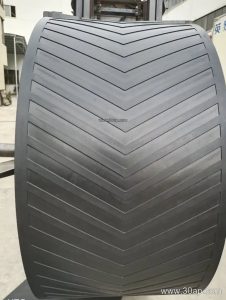
Store belts away from direct sunlight and ozone sources, and avoid sharp folds. During installation, ensure the belt is centered on the tail pulley and drive pulley, and verify that all idler rollers turn freely. For a pipe conveyor belt or corrugated sidewall conveyor belt variant, the flame retardant specification must be confirmed separately because the geometry differs. A skirted conveyor belt or chevron conveyor belt can also be supplied in flame retardant form for specific transfer points, but the standard flat belt remains the most common choice for main haulage. Regular cleaning of dust from the belt surface and pulleys reduces fire risk and extends service life.