What a Parallel Return Idler Does on a Conveyor
A parallel return idler is a straight, flat roll mounted under the carrying run of a belt conveyor. Unlike a troughed carrying idler set, it has no side rolls and no trough angle, so the belt rests on a single horizontal roller across its width. In many plants this component is simply called a flat return roller or a plain return idler, and it is the standard choice for supporting the empty side of the belt on the way back to the tail.
The job is straightforward but not trivial. The return strand is often the longest unsupported span on the machine, and a sagging belt causes edge damage, material spillage and extra power draw. A well-chosen parallel return idler keeps that strand tracking evenly and lets the belt run quietly between the head and tail.
How the Roller Is Built
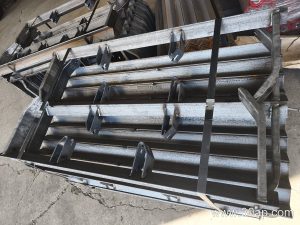
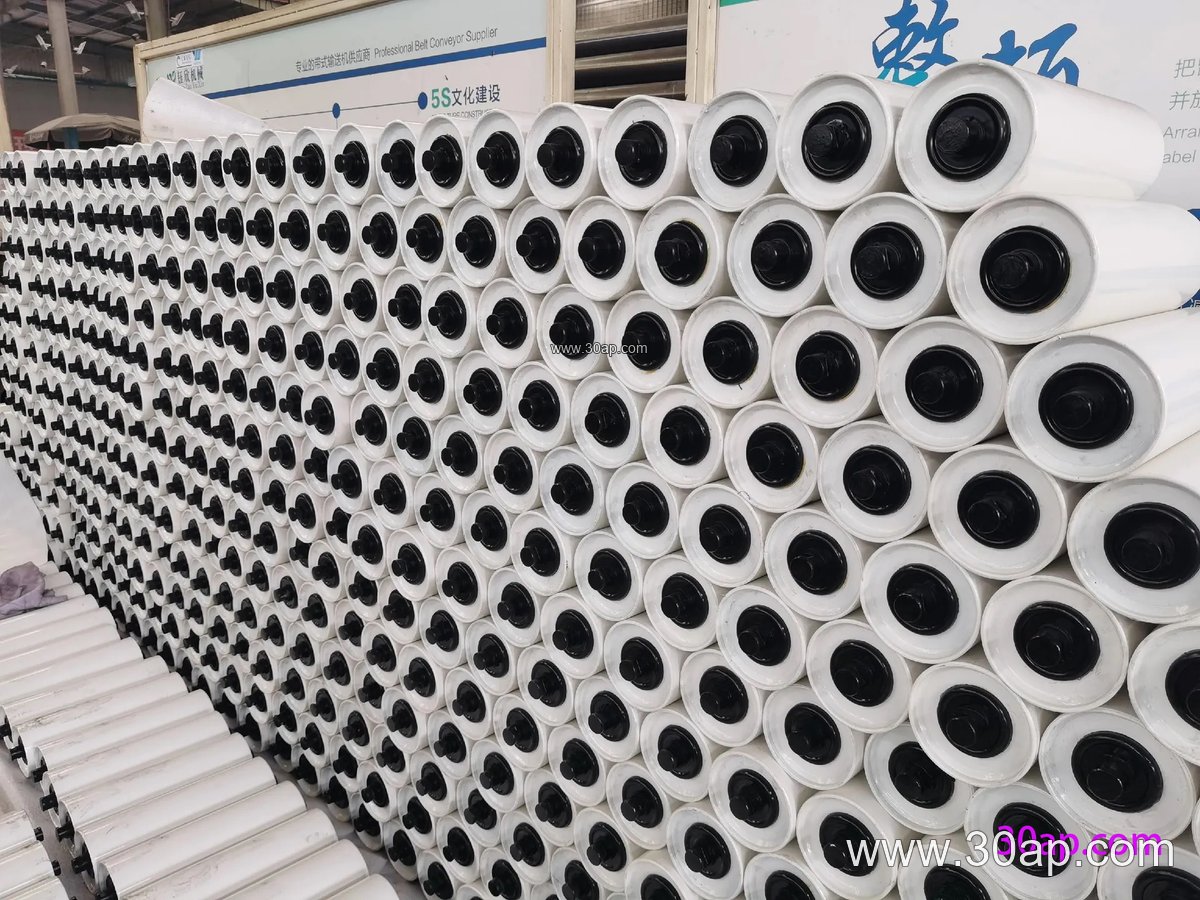
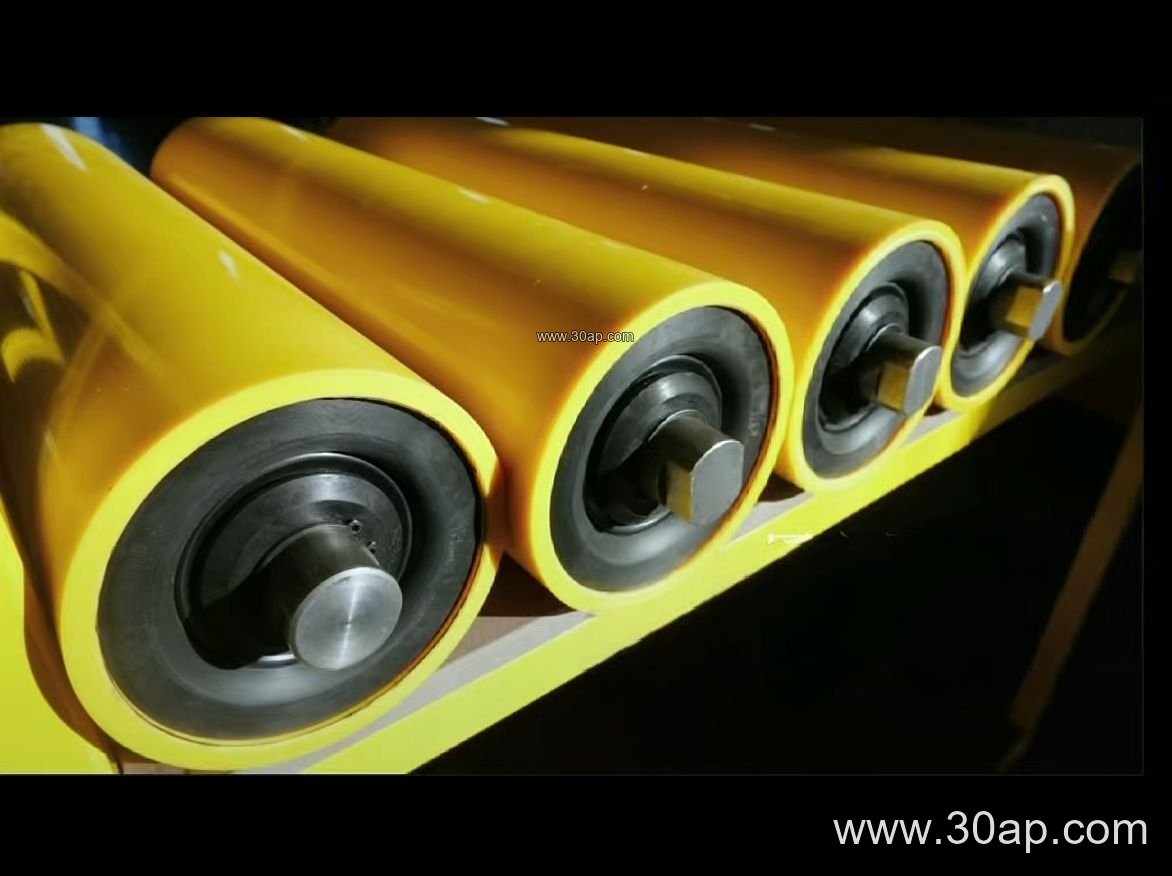
Most parallel return idlers share a common construction. A steel tube forms the shell, with bearing housings pressed into each end. Sealed deep-groove ball bearings sit inside, and a labyrinth or lip seal keeps dust and water away from the races. The shaft is usually fixed to a simple bracket or hanger frame that bolts to the conveyor stringer.
Roll face options vary with the duty. Plain steel suits dry, abrasive bulk material. Rubber-covered rolls reduce noise and protect the belt in dusty stations. Nylon and ceramic faces appear where sticking or wear is a concern. Bearing selection is matched to load and speed rather than to a single roll diameter, so the same bearing number may appear across several roller sizes.
Where It Fits in the Conveyor Line
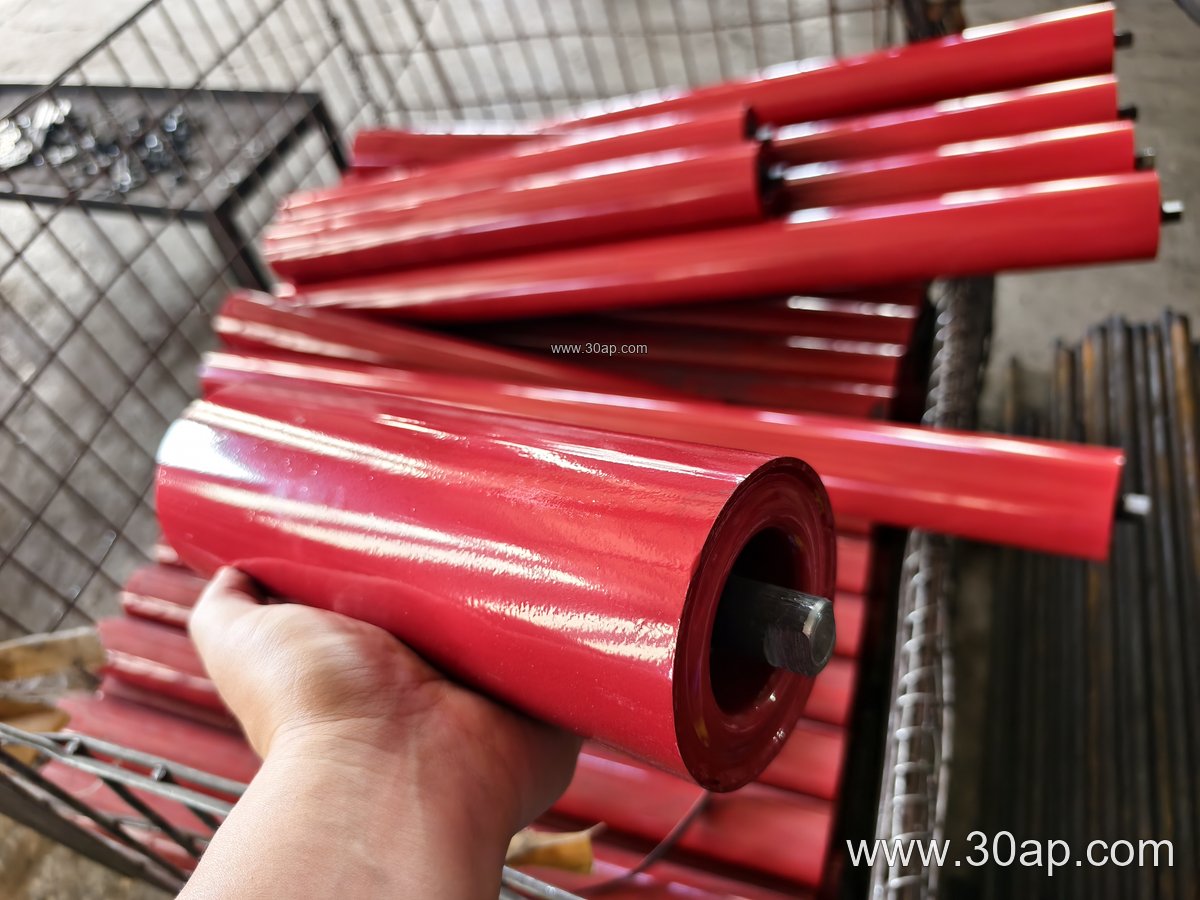
On a typical bulk handling circuit, parallel return idlers sit at regular intervals along the return strand, spaced closer together near the tail where the belt is still settling after discharge. They are common in a range of industries:
- Iron ore and copper ore handling plants, where heavy, sharp material demands robust rollers.
- Coal preparation and power plant coal yards, often with flame retardant and anti-static belts.
- Cement plants and clinker lines, where heat and fine dust both play a role.
- Sand and aggregate plants, where abrasive stone quickly wears inferior roll faces.
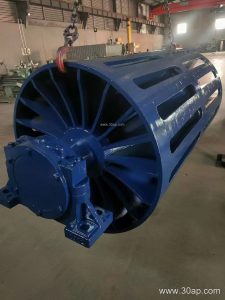
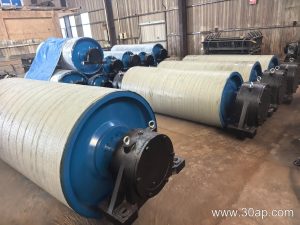
In these settings the return idler works alongside the conveyor pulley at the head and tail, the conveyor bracket that carries the frames, and the belt itself. A heavy-duty mining conveyor belt with a thick cover will tolerate more sag than a light fabric core belt, but the idler spacing still has to be set by the conveyor designer.
Common Sizes and Reference Data
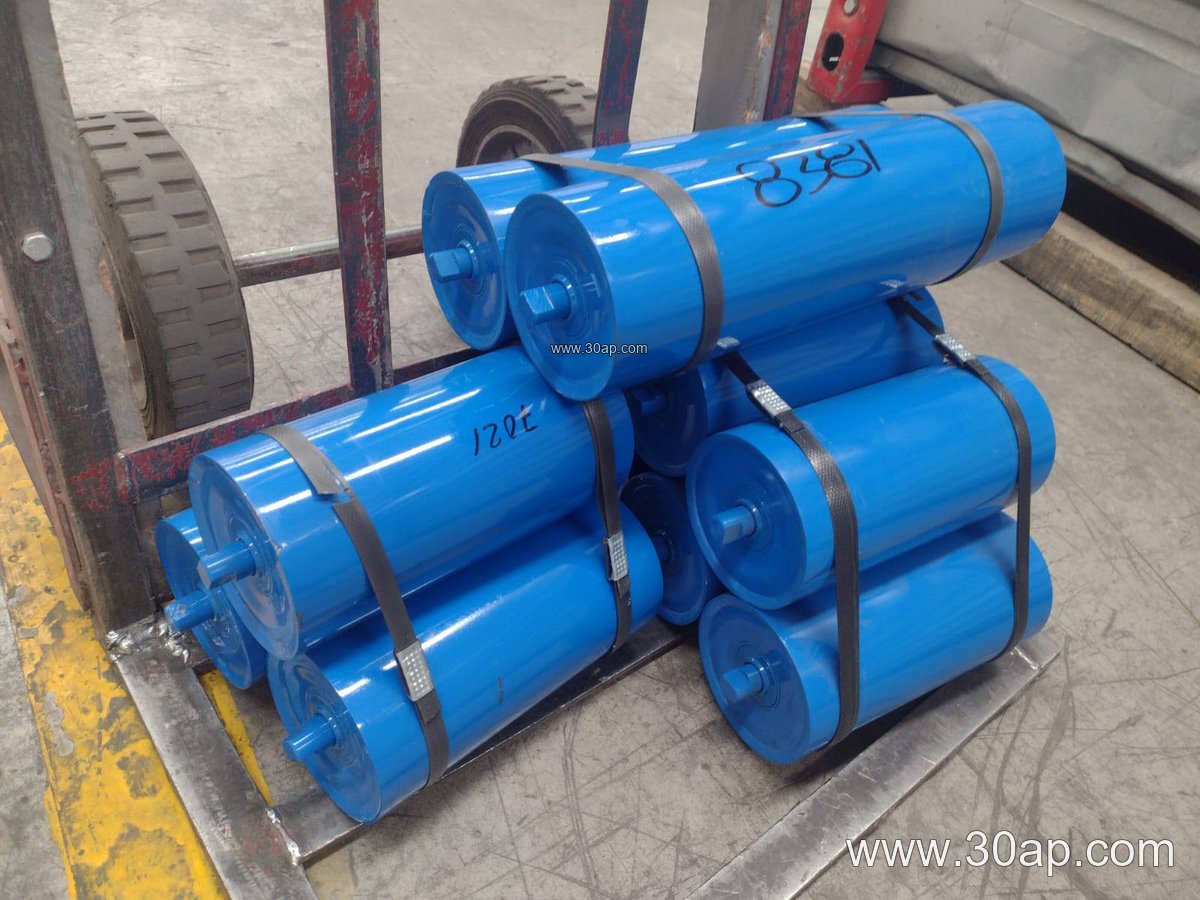
Parallel return idlers are made in a range of roll diameters and lengths. The table below gives typical reference values; final selection depends on belt width, belt weight, load and speed.
| Parameter | Common Reference Values |
|---|---|
| Roll diameter | Ø63, Ø76, Ø89, Ø102, Ø108, Ø127, Ø133, Ø159 mm |
| Belt width | B400, B500, B650, B800, B1000, B1200, B1400, B1600 mm |
| Roll face | Steel tube, nylon, ceramic, rubber ring |
| Bearing | 6204, 6205, 6305, 6306, 6308, 6310 |
| Mounting | Hanger bracket, fixed frame, bolt-on base |
Roll length follows belt width and frame design; a flat return roller for a B800 belt is not the same length as one for a B1400 belt. Buyers should confirm the shaft ends, bracket hole spacing and bearing type against the existing conveyor before ordering.
Selection and Maintenance Notes
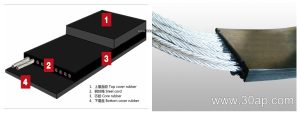
When specifying a parallel return idler, start with the belt. A wide, heavy steel cord conveyor belt needs a larger roll diameter and closer spacing than a narrow EP conveyor belt on a short transfer. In dusty coal or ore circuits, sealed bearings and rubber-covered rolls usually pay for themselves in service life.
During operation, check for a seized roller, a flattened roll face or a build-up of sticky material. A failed return idler can wear through the belt cover quickly, especially on an abrasion resistant conveyor belt running at speed. Replacing a worn roller early is far cheaper than repairing a damaged belt. Keep a small stock of common diameters and lengths so that a single failed unit does not stop the line.
For more on matching rollers, belts and pulleys, see the conveyor component notes at ztconveyor.com, where parallel return idler options are grouped with conveyor idler roller and conveyor pulley references.