What Is a Terminal Conveyor Pulley?
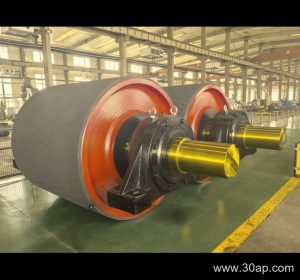
A terminal conveyor pulley is the pulley located at the discharge or tail end of a belt conveyor, where the belt either delivers material or returns empty. Unlike drive pulleys that transmit power, this pulley primarily guides and tensions the belt at the terminal point. In a typical bulk handling circuit, it works alongside the conveyor belt, idler rollers, and conveyor brackets to keep material moving reliably. Whether in a quarry, a coal mining operation, or a cement plant, the terminal pulley ensures smooth belt tracking and efficient discharge.
Construction and Key Components
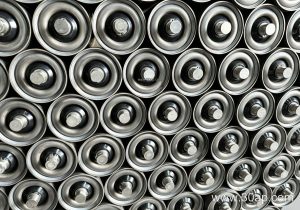
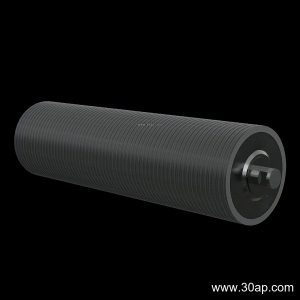
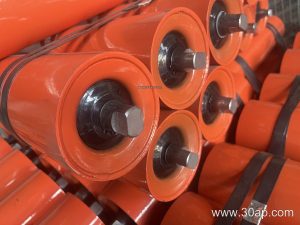
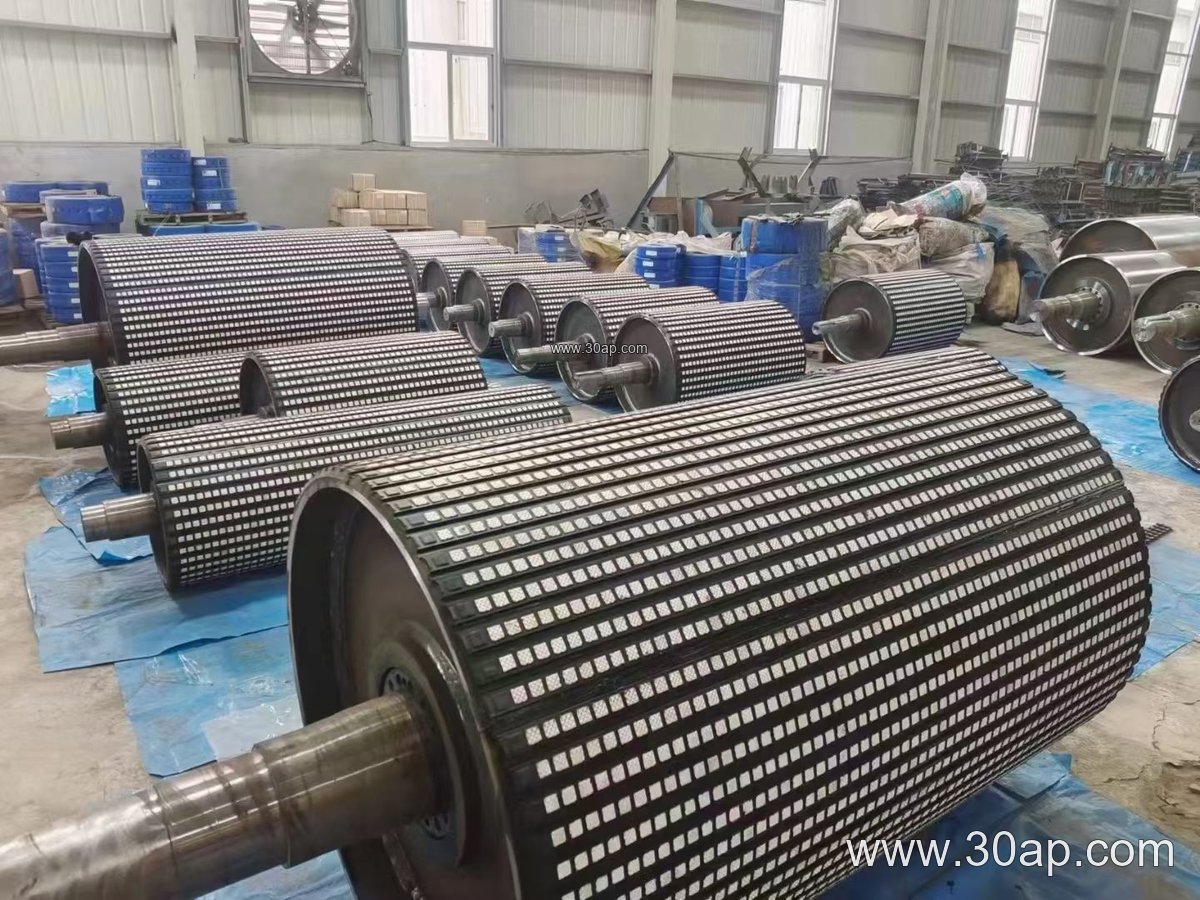
The terminal conveyor pulley is built around a robust cylindrical shell, typically made from steel, with shaft ends supported by bearing housings. The shell surface may be plain, lagged with rubber, or covered with ceramic tiles to improve grip and wear resistance. Common lagging thicknesses include 8, 10, 12, 15, and 20 mm, selected based on the material being conveyed and the belt speed. The pulley face width usually exceeds the belt width by about 100–200 mm; for example, a B1200 belt often pairs with a 1400 mm face width, but final dimensions are determined by the conveyor designer. Shaft diameters are not directly tied to belt width and are sized according to torque and load requirements. Typical shaft sizes range from Ø50 to Ø200 mm.
Bearings are mounted in sturdy housings that can be bolted to the conveyor frame using conveyor brackets. The design must account for tension, misalignment, and the abrasive nature of materials such as iron ore, copper ore, or cement clinker.
Where It Is Used
Terminal conveyor pulleys are essential in any conveyor system that discharges material. In a coal mining operation, the terminal pulley at the head end directs the belt after unloading, while a tail-end terminal pulley maintains belt tension. In a quarry or aggregate line, it helps handle abrasive rock and stone. The pulley also appears in port bulk terminals, power plant coal handling, and steel plant sinter lines. When combined with a heavy-duty mining conveyor belt or a heat resistant conveyor belt, the terminal pulley must be robust enough to withstand continuous operation and harsh conditions.
Surface Options and Their Role
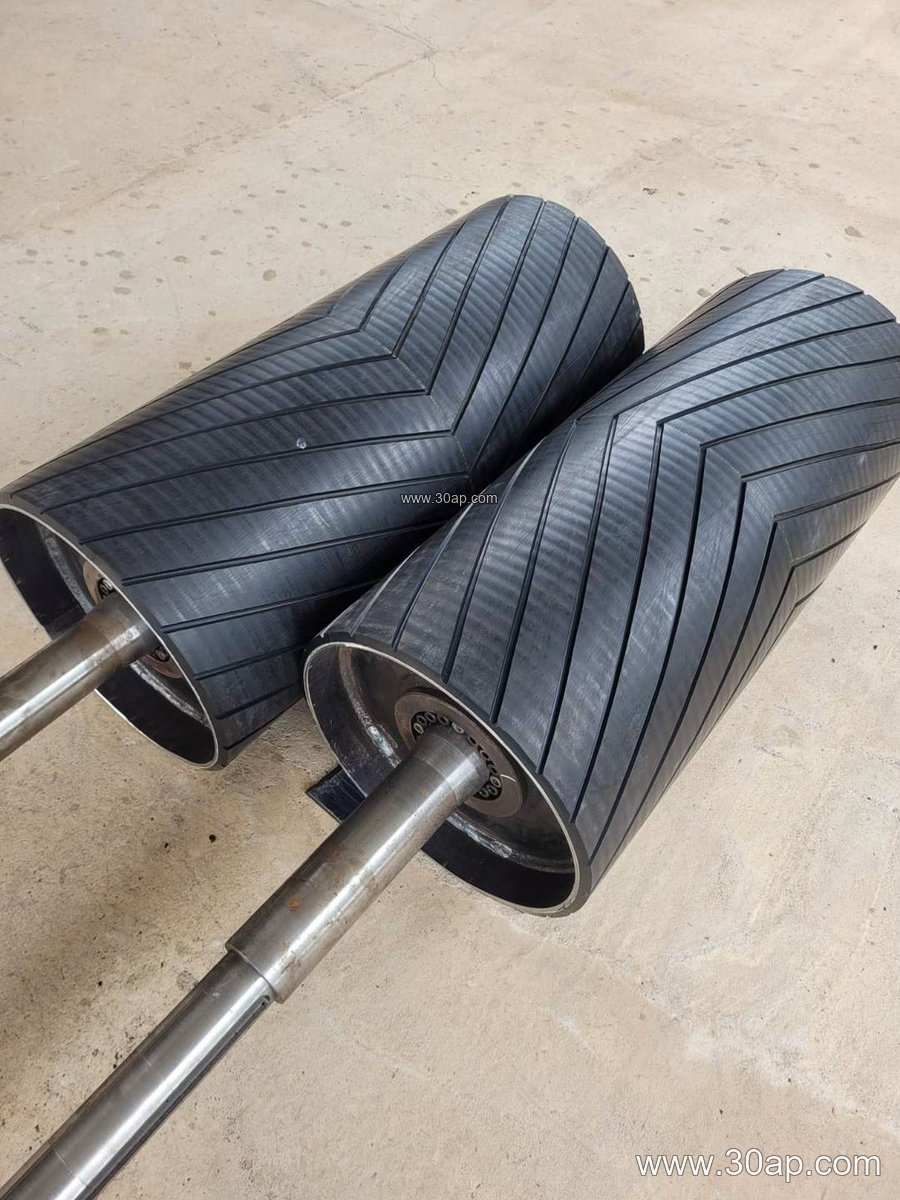
The surface of a terminal conveyor pulley can be plain, rubber-lagged, or ceramic-lagged. Rubber lagging, available in cold-bonded or hot-vulcanized forms, improves friction and reduces belt slip. Diamond or herringbone patterns are common for better traction in wet or dusty environments. Ceramic lagging offers superior wear resistance for high-abrasion applications such as handling iron ore or abrasive aggregate. The choice depends on the belt type—for instance, a steel cord conveyor belt or an EP conveyor belt may require different lagging to match the tension and load.
Selection and Maintenance Tips
Buyers should consider the belt width, pulley diameter, shaft size, and lagging type together. A common combination might be B800 × Ø500 with 10 mm rubber lagging, but this is not a fixed rule; each conveyor design dictates the exact specifications. Pulley diameter is often chosen to ensure adequate belt wrap and reduce bending stress on the belt. Maintenance involves regular inspection of lagging wear, bearing lubrication, and alignment. Misalignment can cause belt edge damage and premature pulley failure. In dusty environments like a cement plant or a coal mining site, sealed bearings and proper housing protection extend service life.
Working with Related Equipment
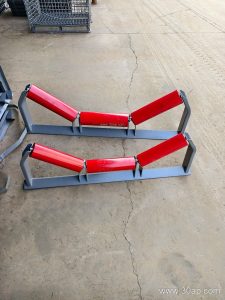
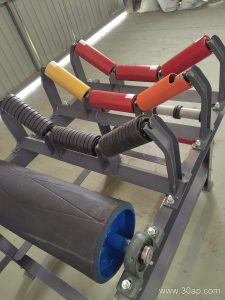
The terminal conveyor pulley does not operate in isolation. It interacts with the conveyor belt, idler rollers, and conveyor brackets to maintain belt tension and alignment. For example, a misaligned terminal pulley can cause the belt to drift, leading to edge wear on a fabric core conveyor belt or a pipe conveyor belt. Proper integration with the take-up system and other pulleys ensures reliable operation. When specifying a terminal pulley, consider the entire conveyor layout, including drive and bend pulleys, to avoid unnecessary stress on the belt and other components.
For more information on conveyor pulleys and related components, visit our website at www.example.com/conveyor-pulley. Our range includes terminal pulleys, drive pulleys, and bend pulleys designed for various industrial applications.