What an Industrial Conveyor Idler Does
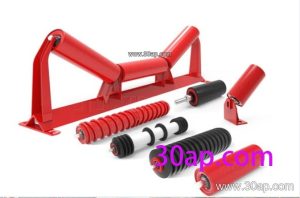
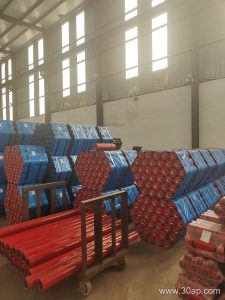
An industrial conveyor idler is the rotating component that supports the conveyor belt along its carrying and return runs. It keeps the belt in a stable trough, reduces friction, and helps maintain material load without excessive sag. In a typical bulk handling line, idlers are mounted on a conveyor bracket at regular intervals, and together with the conveyor pulley at the drive and tail ends, they form the complete belt support system. The idler roller itself is usually a steel tube fitted with bearings and a sealing arrangement, and the choice of roller diameter, wall thickness, and bearing size depends on belt width, load, and operating environment.
Construction and Common Configurations
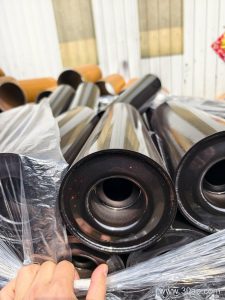
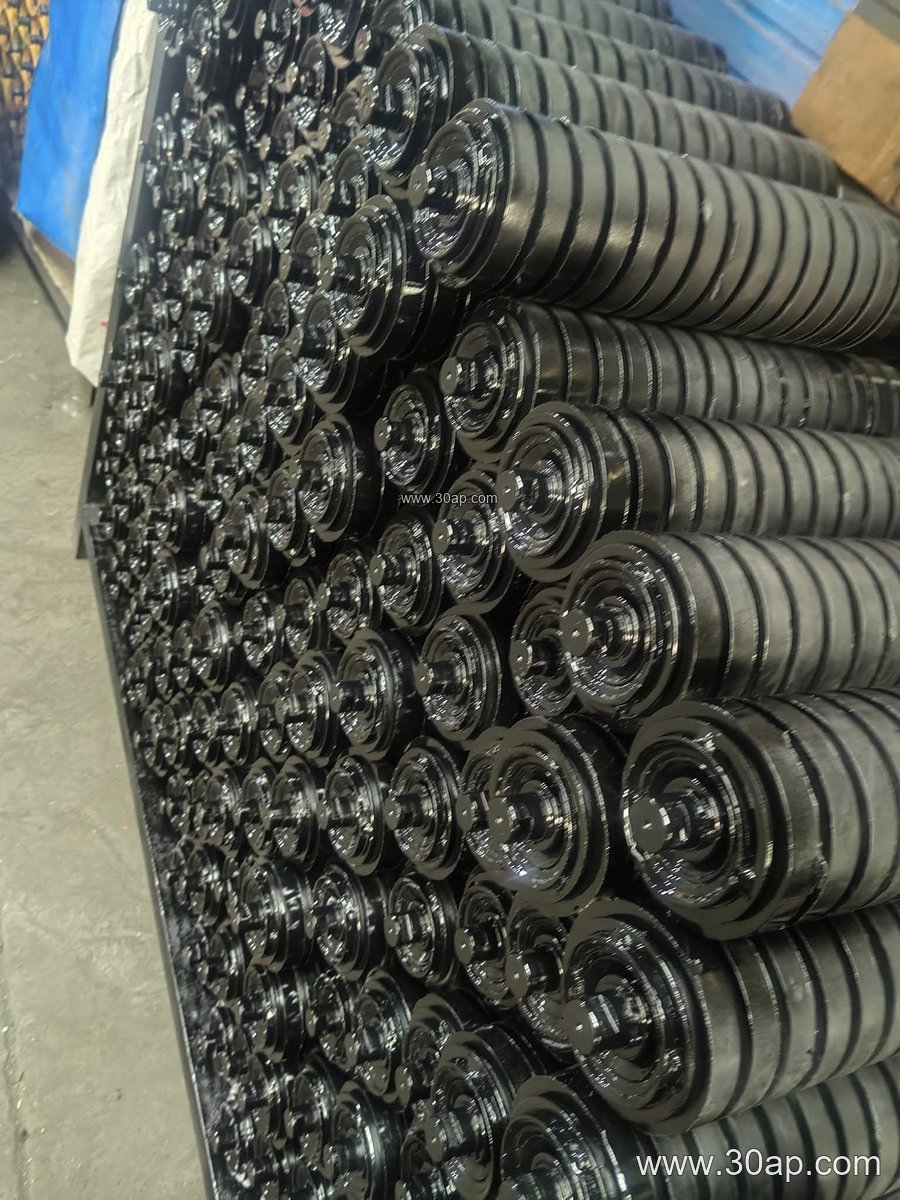
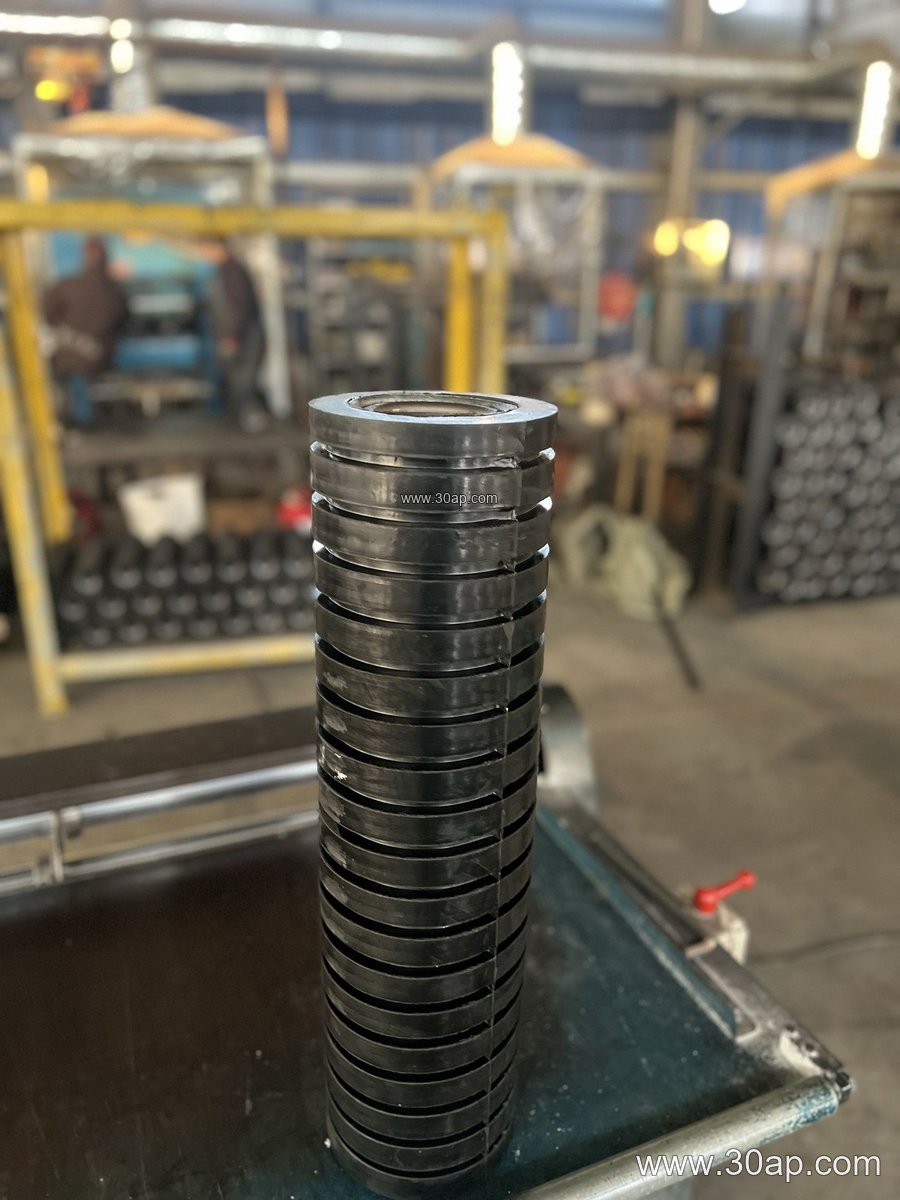
Most idlers use a seamless or welded steel tube with machined end caps. Bearing housings are pressed or welded into the tube, and the shaft is fixed to the bracket through a suitable mounting arrangement. Sealing is critical in dusty or wet conditions, so many designs use labyrinth seals or multi-stage lip seals. Roller surfaces may be plain steel, nylon, ceramic, or rubber-covered depending on the application. For example, rubber disc impact idlers are common under crusher discharge points, while plain steel rollers suit clean, high-speed carrying runs.
Common roller diameters include Ø63, Ø76, Ø89, Ø102, Ø108, Ø127, Ø133, Ø159, Ø178, Ø194, and Ø219 mm. Bearing sizes such as 6204, 6205, 6305, 6306, 6308, and 6310 are frequently used, but a given bearing is not tied to one roller diameter. The correct combination depends on load rating and shaft design.
Where Idlers Are Used
Industrial conveyor idlers appear in many bulk material handling operations. In a quarry or aggregate plant, they support belts moving crushed stone and sand. In a coal mining operation or power plant coal yard, flame retardant and anti-static properties may be required for the belt, while the idlers must handle dust and occasional wet conditions. Cement plants use idlers on clinker and raw meal conveyors, and steel plants rely on them in sinter and ore transport. Port terminals and ship loading systems use heavy-duty idlers for high-tonnage conveyors, and tunnel projects use them on muck removal lines.
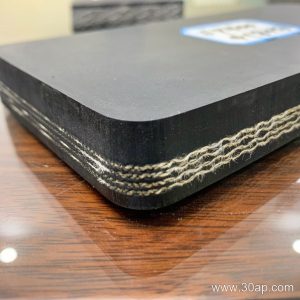
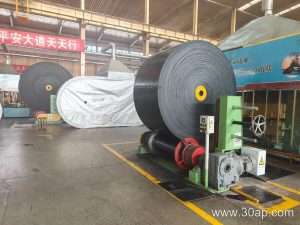
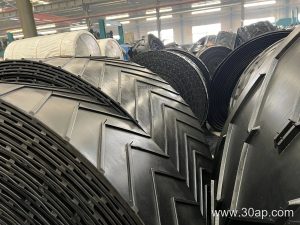
The idler works together with the conveyor belt, whether it is an EP conveyor belt, NN conveyor belt, or steel cord conveyor belt. In a crusher conveyor line, impact idlers are often placed at transfer points to absorb shock, while training idlers help keep the belt centered. Return idlers support the empty side of the belt, and V-type return idlers can help with belt tracking in dusty conditions.
Matching Idlers to Belt Width and Trough Angle
Belt width and trough angle influence idler selection. Common belt widths include B400, B500, B650, B800, B1000, B1200, B1400, B1600, B1800, B2000, B2200, and B2400. Trough angles are typically 20, 30, 35, or 45 degrees. For a three-roll troughing set, the roller length changes with belt width and trough angle. As a common example, a B500 belt may use roughly 200 mm rollers, B650 about 250 mm, B800 about 315 mm, B1000 about 380 mm, B1200 about 465 mm, B1400 about 530 mm, B1600 about 600 mm, B1800 about 670 mm, and B2000 about 750 mm. These are examples, not fixed rules; side rollers and center rollers can differ, and the final dimensions are determined by the conveyor design.
Forward tilt of about 1.5 to 2 degrees is sometimes used on training idlers to help belt alignment. This is a design detail, not a universal requirement for every idler.
Buyer Checklist
- Confirm belt width and trough angle, then check the idler roll length and mounting dimensions.
- Select roller diameter and bearing size based on load, belt speed, and expected service life.
- Choose the roller surface and seal type for the environment: dust, water, heat, or oil.
- For impact zones, consider rubber disc impact idlers or cushion rollers.
- For tracking problems, evaluate training idlers with forward tilt or self-aligning designs.
- Remember that idlers are not interchangeable with drive pulleys, tail pulleys, or bend pulleys; each has a distinct role in the conveyor system.
In a cement plant or aggregate line, a well-matched idler set reduces belt wear and downtime. In a coal mining conveyor, flame retardant and anti-static belt properties are often specified together with robust idler seals. Buyers should request dimensional drawings and material specifications rather than relying on a single belt width to determine shaft or bearing size.