What a Custom Idler Is and Why It Matters
In bulk material handling, a custom idler is a conveyor idler roller built to match specific belt width, load conditions, and mounting arrangement rather than a catalog standard. While standard idlers cover many needs, operations in coal mining, cement plants, power plant coal handling, and aggregate quarries often face layouts where a tailored solution reduces downtime and improves belt training. This article explains how custom idlers are constructed, where they are used, and what buyers should specify.
Construction and Key Components
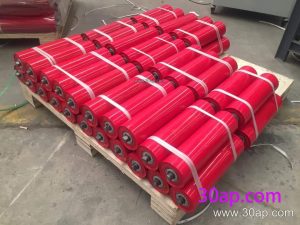
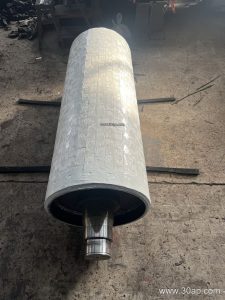
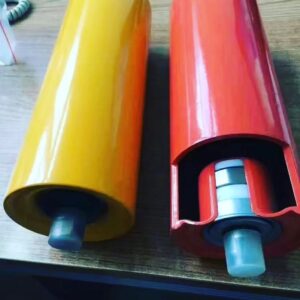
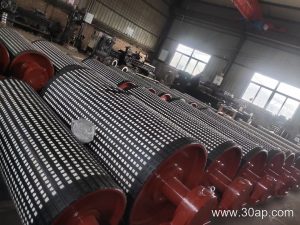
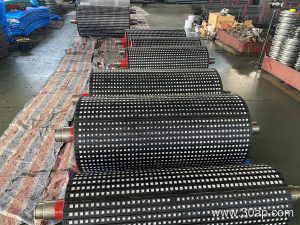
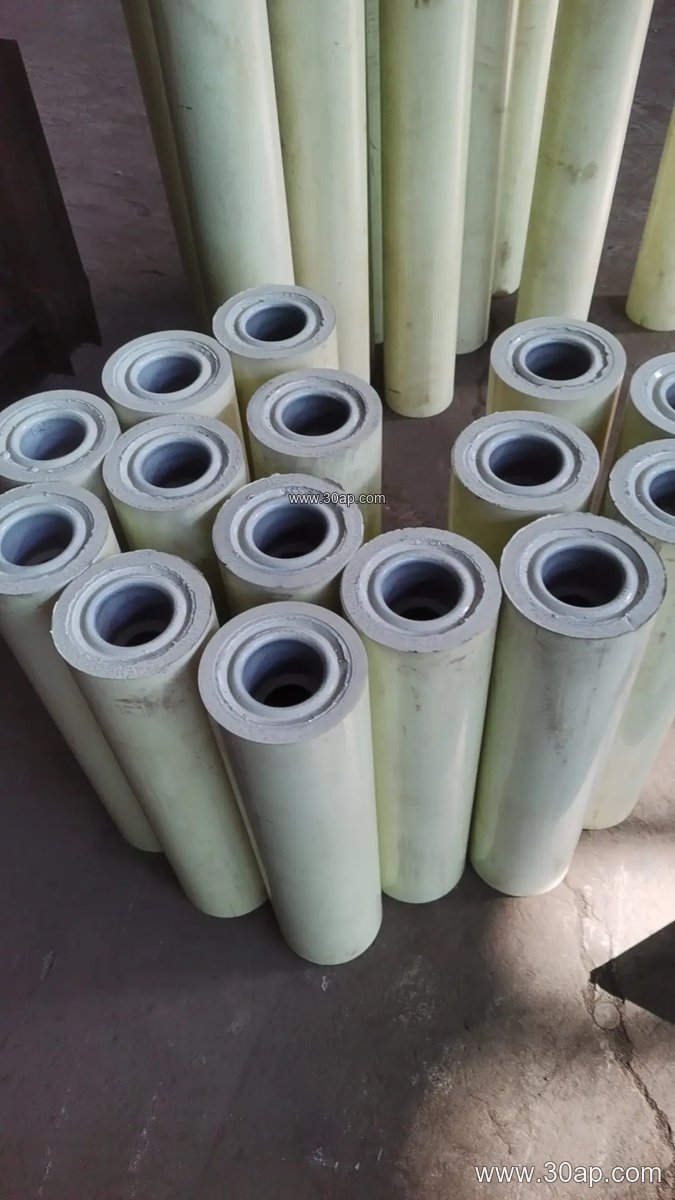
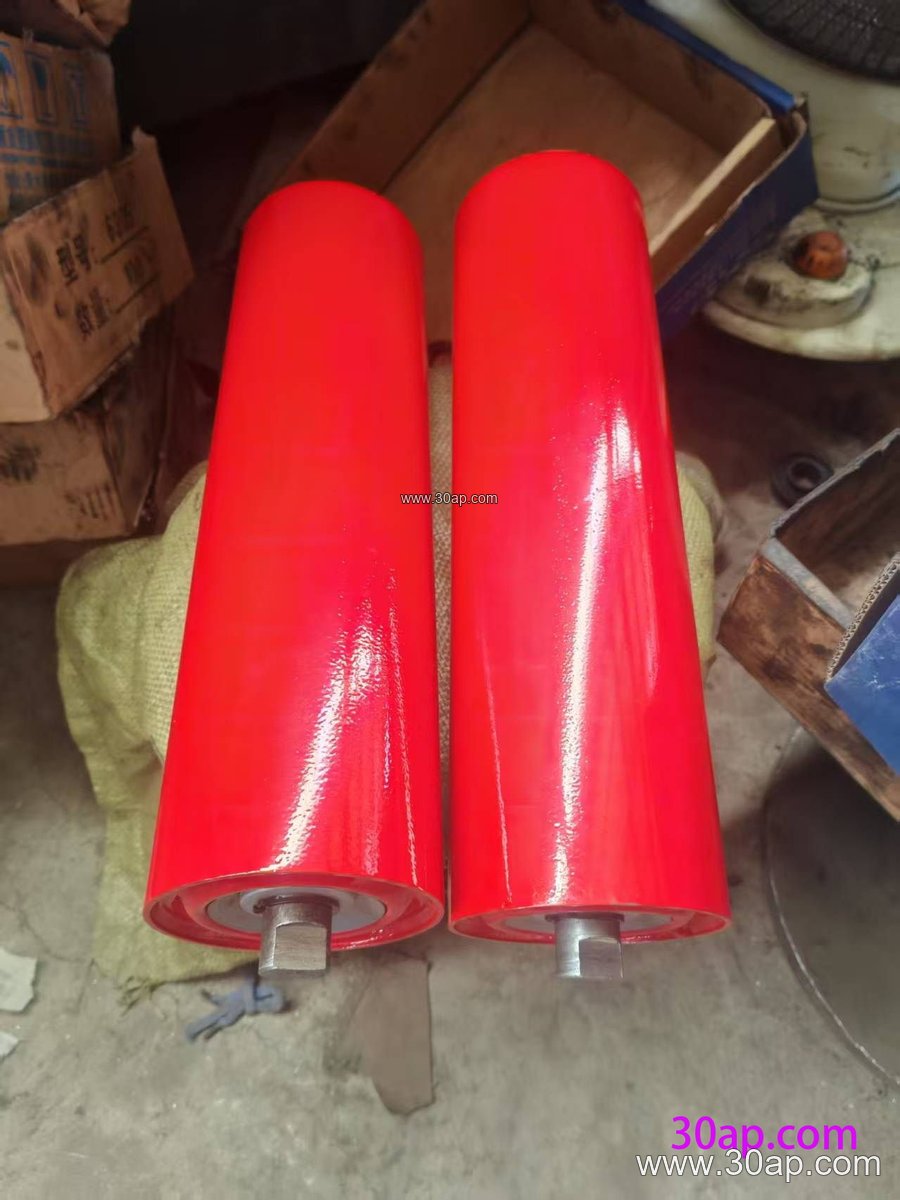
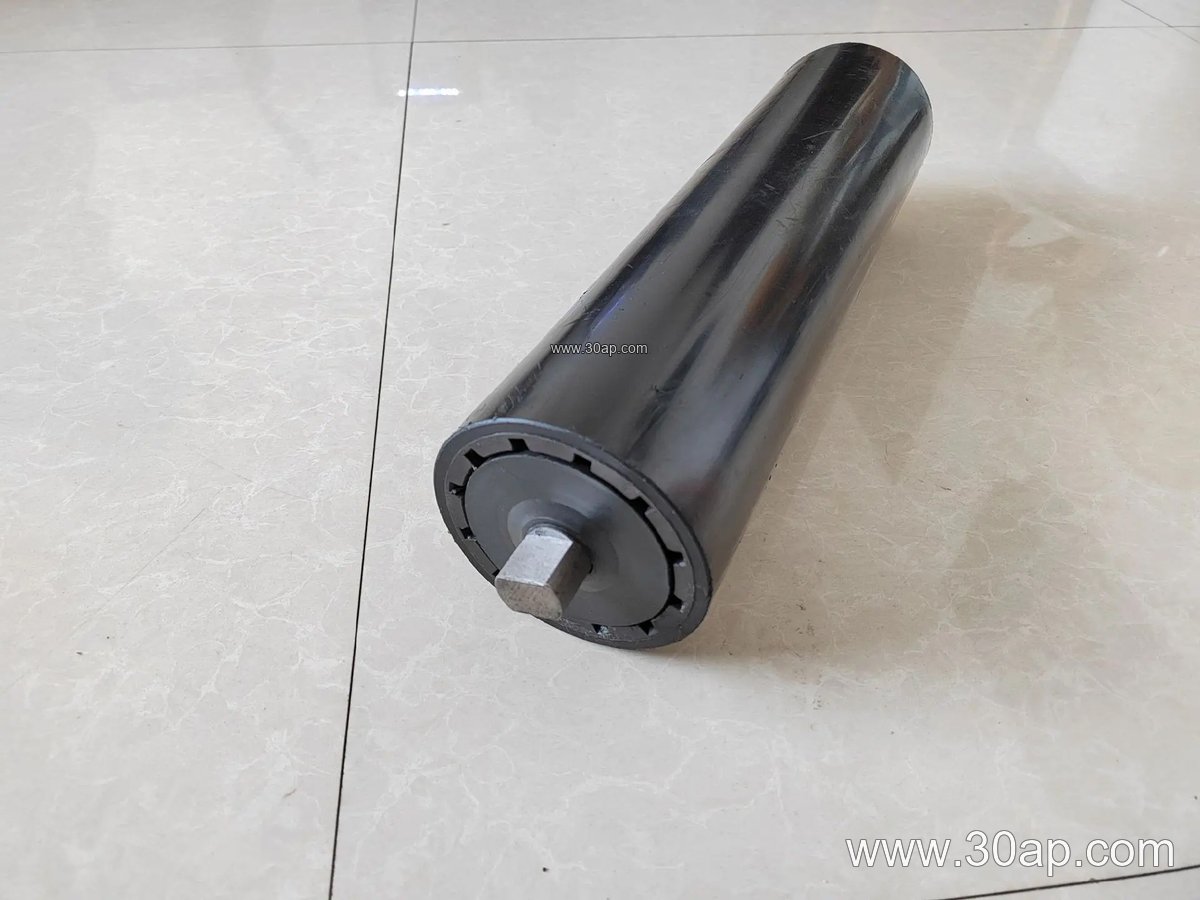
A custom idler typically consists of a steel tube shell, bearing housings, a shaft, and sealing arrangement. The shell may be plain steel, nylon-coated, ceramic-lined, or fitted with rubber rings for impact absorption. Bearing selection often includes 6204, 6205, 6305, 6306, 6308, or 6310, with the final choice depending on load and speed rather than a fixed pairing with any roller diameter. Roller diameters commonly range from Ø63 to Ø219, and the idler length is determined by belt width, trough angle, and whether the station is single-roll, two-roll, or three-roll troughing.
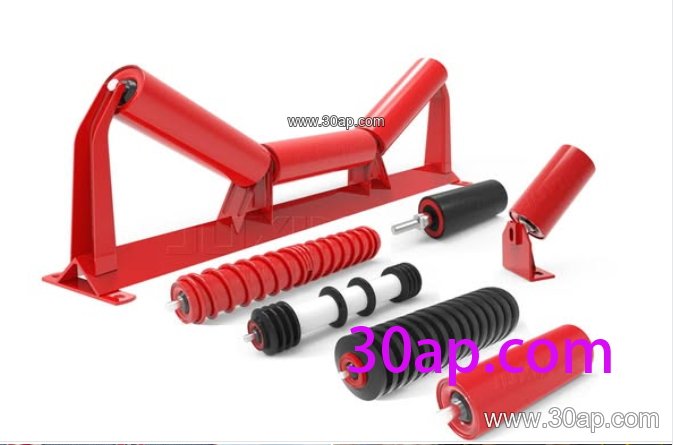
For example, a three-roll troughing station on a B1000 conveyor might use a center roll of about 380 mm and side rolls sized to achieve a 35-degree trough. These values are common references, not mandatory specifications; side and center rolls can differ, and the final geometry is set by the conveyor design. Sealing is critical in dusty or wet conditions, and buyers should discuss labyrinth seals, contact seals, or felt seals with the supplier.
Where Custom Idlers Are Used
Custom idlers appear in a range of industries. In a limestone quarry, a heavy-duty troughing idler with rubber rings may be used at the transfer point to cushion impact from large rock. In a coal washing plant, corrosion-resistant coatings and sealed bearings help manage wet, abrasive fines. In a cement plant, heat-resistant idlers may be needed near clinker areas, while a power plant coal handling system often requires flame retardant conveyor belt compatibility and robust idler frames. The same custom idler approach applies to belt widths from B400 up to B2400 and beyond, with trough angles of 20, 30, 35, or 45 degrees.
Types and Configurations
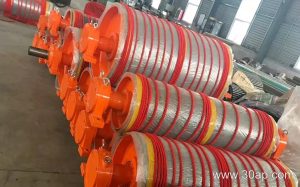
Custom idlers can be supplied as troughing idlers, transition idlers, return idlers, impact idlers, training idlers, and spiral idlers. Each serves a different role: troughing idlers support the loaded belt, return idlers support the empty strand, impact idlers absorb shock at loading points, and training idlers help keep the belt centered. When specifying, buyers should clarify the station type, roll diameter, roll length, trough angle, bearing size, and surface form. A common mistake is to treat a drive pulley, tail pulley, or bend pulley as interchangeable with an idler; they are not. Pulleys transmit power and redirect the belt, while idlers support it.
Specification Reference
The table below lists common idler diameters and belt width references. Use these as starting points for discussion, not as fixed rules.
| Parameter | Common Range / Examples |
|---|---|
| Roller diameter | Ø63, Ø76, Ø89, Ø102, Ø108, Ø127, Ø133, Ø159, Ø178, Ø194, Ø219 |
| Belt width | B400, B500, B650, B800, B1000, B1200, B1400, B1600, B1800, B2000, B2200, B2400 |
| Trough angle | 20°, 30°, 35°, 45° |
| Bearing | 6204, 6205, 6305, 6306, 6308, 6310 |
| Roll surface | Steel tube, nylon, ceramic, rubber rings |
| Station type | Single-roll, two-roll, three-roll troughing |
For a B800 conveyor with a 30-degree trough, a three-roll station might use a center roll length near 315 mm. A B1200 conveyor could use about 465 mm. These are typical examples; actual dimensions depend on the conveyor frame and belt training requirements.
Buyer Checklist
- Confirm belt width, trough angle, and station type.
- Specify roller diameter and length, and whether side rolls differ from center rolls.
- State the operating environment: dust, water, heat, oil, or impact.
- Choose bearing size based on load and speed, not belt width alone.
- Decide on surface form: plain steel, nylon, ceramic, or rubber rings.
- Check compatibility with the conveyor belt, especially for flame retardant or heat resistant grades.
- Ask for dimensional drawings before production.
Custom idlers are also used alongside related equipment such as conveyor pulleys, conveyor brackets, and various conveyor belt types, including EP conveyor belt, steel cord conveyor belt, and abrasion resistant conveyor belt. For more information on idlers and related components, visit www.example.com/custom-idler and www.example.com/conveyor-idler.
Maintenance and Longevity
Even a well-built custom idler needs periodic inspection. Check for seal damage, roller seizure, and belt misalignment. In dusty environments, clean around bearing housings and verify that the idler rotates freely. Replacing a worn idler before it damages the conveyor belt is far cheaper than emergency repairs. Keep spare idlers on hand for critical stations, especially in continuous operations like port ship loading or underground coal mining.