What an Acid Resistant Conveyor Belt Is
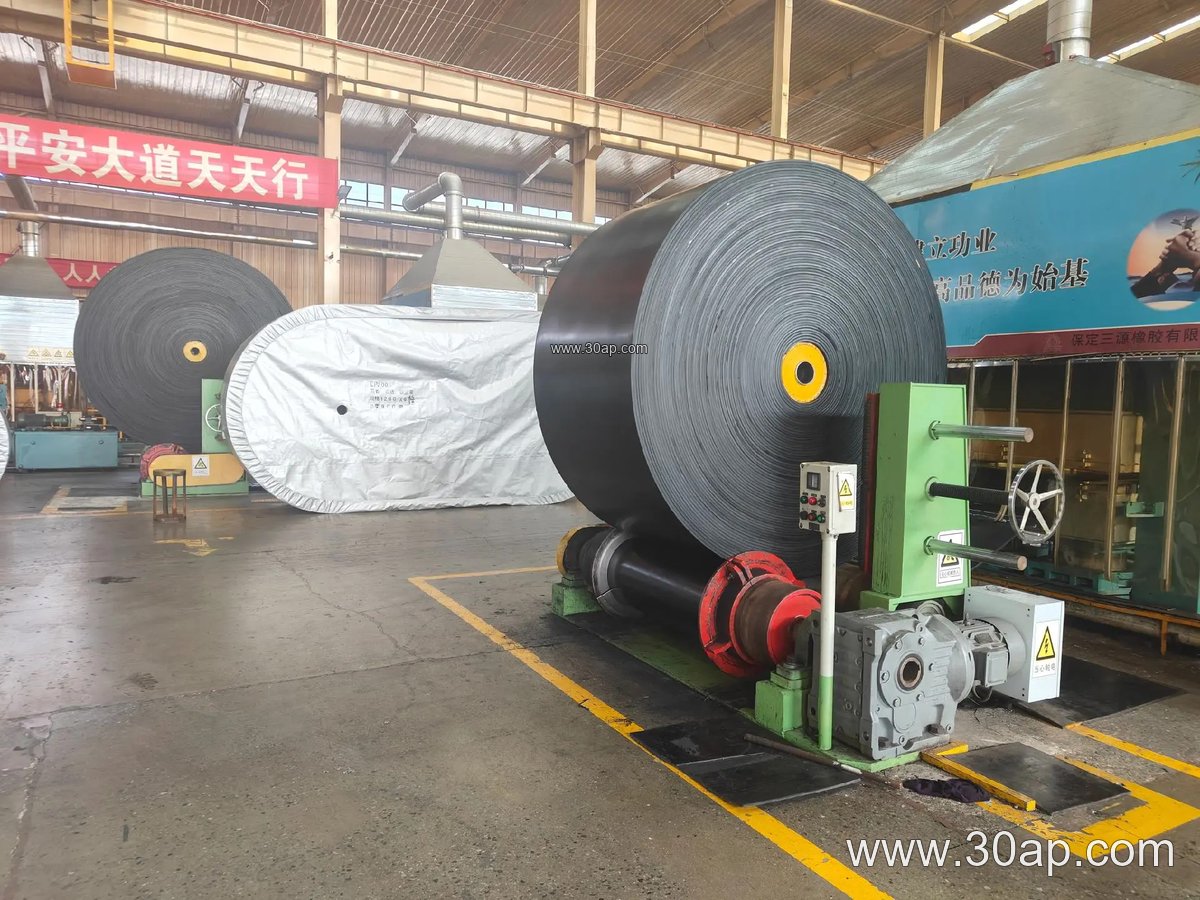
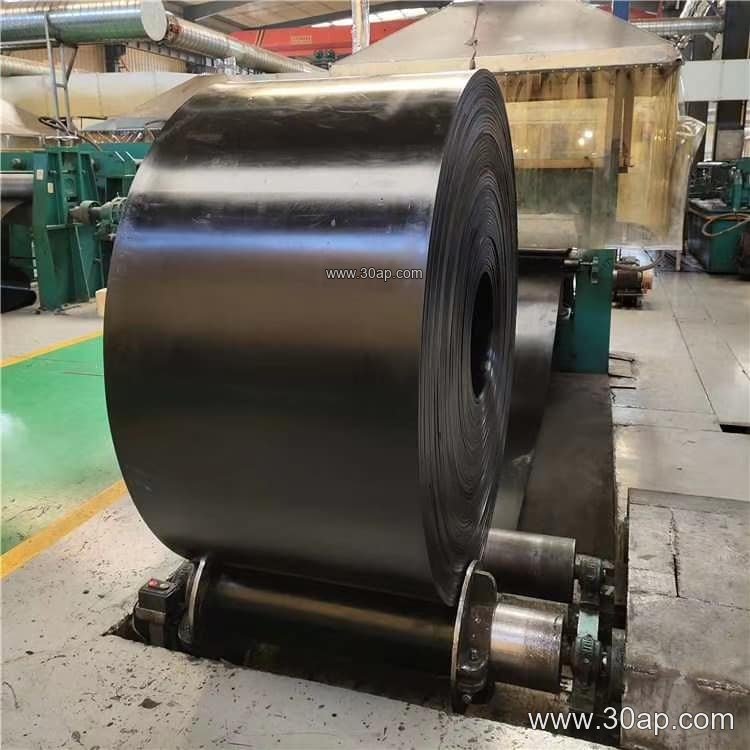
An acid resistant conveyor belt is a rubber conveyor belt built to carry materials that would attack ordinary cover compounds. In fertilizer plants, chemical processing areas, acid-leaching circuits, and some mineral beneficiation lines, spillage and dust can contain acidic residues that shorten the life of a standard belt. The acid resistant conveyor belt uses a cover compound selected to resist swelling, cracking, and surface breakdown in that kind of exposure, while the carcass carries the tensile load. It is a chemical resistant conveyor belt variant, but the acid resistant grade is normally specified where acidic attack is the dominant risk rather than general solvent or alkaline exposure.
Buyers often look for it as an acid alkali resistant conveyor belt where the same line may see both acidic and mildly alkaline conditions. That is a practical description, but the actual compound should be confirmed against the specific chemicals, concentration, and temperature on site.
Construction and Typical Specifications
The belt is usually a fabric core conveyor belt with multiple plies, or a steel cord conveyor belt where very high strength and long center distances are needed. The cover grades are the key difference: top and bottom covers are formulated for chemical exposure, and the carcass is protected by adequate cover thickness and good edge quality. Common fabric grades include EP conveyor belt and NN conveyor belt constructions, since both offer good strength-to-weight ratios and reasonable troughability.
Typical reference data, to be confirmed by design and supplier data sheet, look like this:
- Fabric types: EP (polyester-cotton) and NN (nylon-nylon) carcass
- Strength grades: EP200, EP315, EP400, EP500, EP630, EP800, EP1000
- Belt widths: B500, B650, B800, B1000, B1200, B1400, B1600
- Cover thickness examples: 3+1.5 mm, 4+2 mm, 5+2 mm, 6+2 mm
- Ply counts: commonly 2 to 6 plies in fabric constructions
These values are reference points, not fixed combinations. A wider belt does not dictate a particular pulley diameter, and the pulley size should come from the conveyor design, including the drive pulley, tail pulley, and bend pulley duties, not from belt width alone.
Where It Fits in the Plant
Acid resistant belts are found in chemical and fertilizer handling, certain ore processing streams, and industrial wastewater and residue transport. In a cement plant they may appear in areas where acidic washdown or raw material chemistry is a concern. In a power plant, they are more likely to be specified for chemical-handling side streams than for the main coal flow, where a flame retardant conveyor belt or abrasion resistant conveyor belt is usually the priority.
For general mining and quarry duty, a heavy-duty mining conveyor belt or high abrasion resistant conveyor belt is the normal starting point; the acid resistant version is selected only when the chemical environment justifies it. The same logic applies to heat: if the material is hot as well as acidic, a heat resistant conveyor belt compound may be needed, and the two requirements should be discussed with the belt manufacturer rather than assumed to combine automatically.
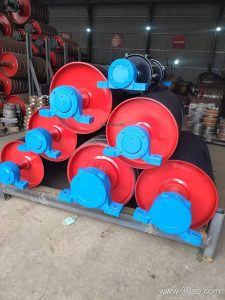
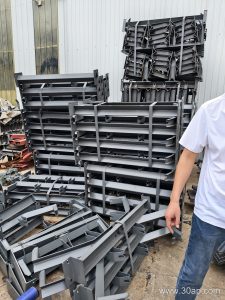
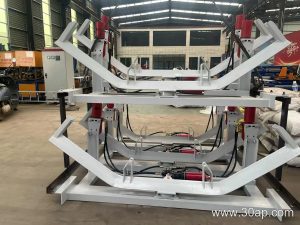
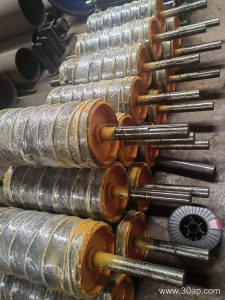
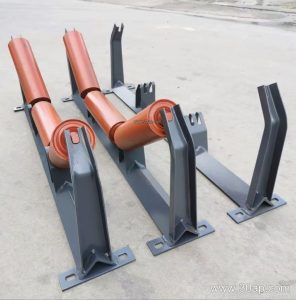
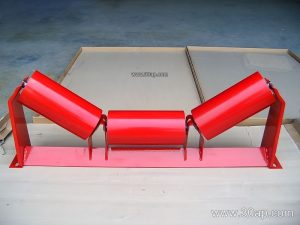
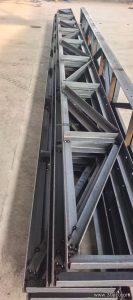
Supporting equipment matters too. Idler roller frames, conveyor pulley lagging, and conveyor bracket steelwork should be reviewed for corrosion protection, because a chemical-resistant belt on a corroding structure will still give poor service. Related components such as conveyor belt cleaners and skirt rubber should also be chemically compatible.
Selection and Maintenance Notes
Selection starts with the chemical list and the exposure pattern: continuous immersion, splash and spillage, or occasional dust. Concentration matters, and so does temperature. A belt that performs well in dilute acid at ambient temperature may not suit a hot, concentrated stream. The buyer should ask for the cover compound type, the test data behind the acid resistance claim, and the recommended cover thickness for the expected wear.
Belt tension and pulley diameters should be calculated from the actual conveyor layout. The drive pulley, tail pulley, and bend pulley each have different functions, and none should be treated as interchangeable when checking wrap angles, lagging, and belt stress.
In service, keep the belt reasonably well tracked and avoid material buildup on the return side. Acidic spillage that sits on the carcass edge can migrate into the fabric and cause ply separation. Regular inspection of covers, edges, and splices is more useful than waiting for a failure. For plants that also handle oily or食品-grade materials on adjacent lines, keep the acid resistant belt dedicated to its duty rather than switching it between unrelated streams.
Used with the right conveyor pulley and idler roller selection, an acid resistant conveyor belt can give dependable service in chemically aggressive bulk handling. The key is to match the compound to the real exposure and to treat the belt as part of a complete, corrosion-aware conveyor system.