Conveyor Belt Selection Essentials
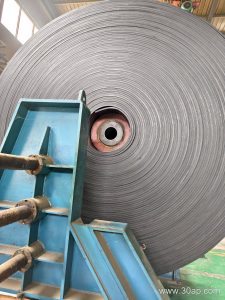
A conveyor belt is the backbone of bulk material handling. Match carcass, cover, and tension rating to your load, speed, and environment.
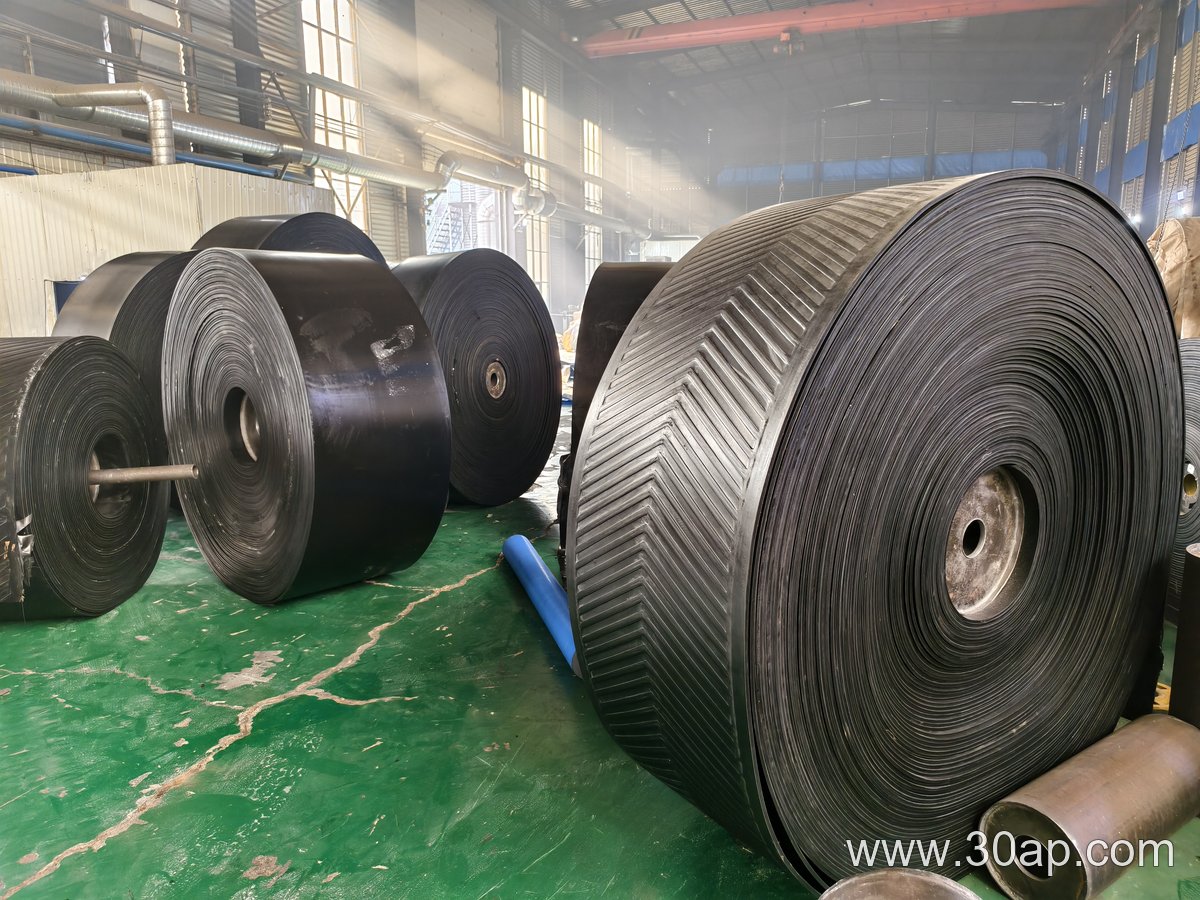
Key Buying Criteria
- Material: rubber, PVC, or steel cord
- Load and belt width
- Temperature and chemical resistance
- Cleat or sidewall needs
Export Checklist
Confirm HS code, tensile strength, splice type, and spare parts. Request test reports and warranty terms before ordering.
Idler Roller: Essential Conveyor Component
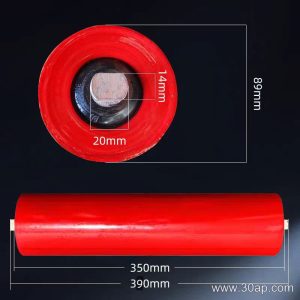
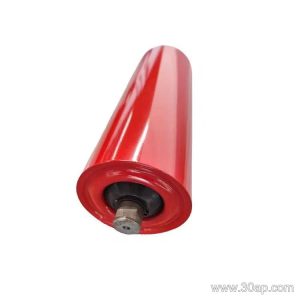
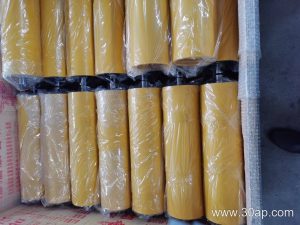
An idler roller supports and guides conveyor belts, reducing friction and extending system life. Choose the right unit for your material, load, and environment.
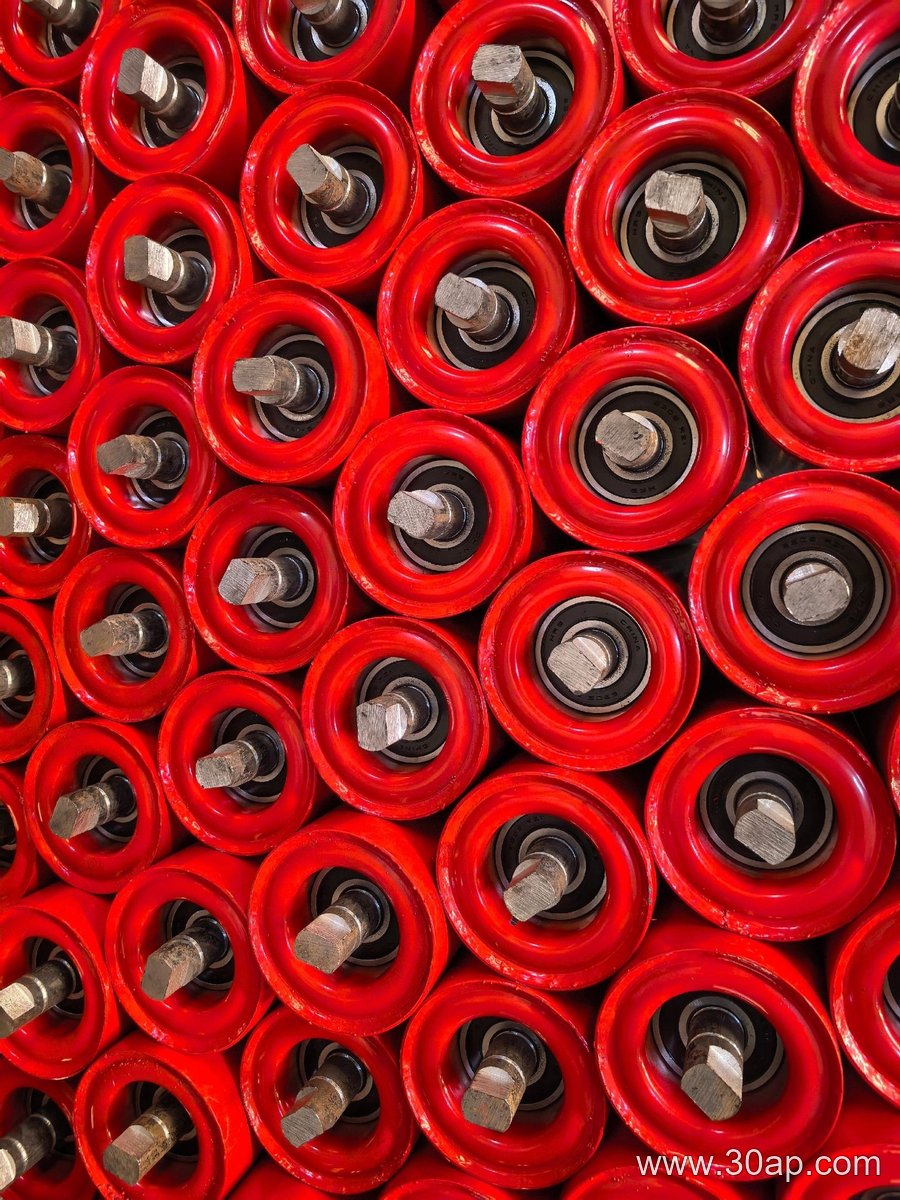
Key Selection Factors
- Load capacity and belt width
- Roller diameter and wall thickness
- Bearing type: sealed or open
- Material: steel, stainless, or polymer
- Environmental resistance to dust, moisture, or heat
Purchasing Advice
Verify tolerances, dynamic balance, and lubrication. Request test data for radial runout and rotation resistance. Buy from suppliers offering consistent quality and spare parts availability.
Conveyor Pulley Essentials
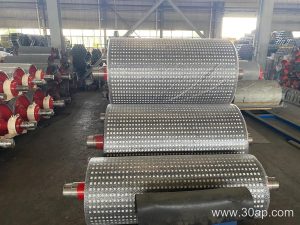
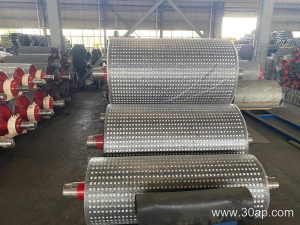
A conveyor pulley drives or redirects the belt. Choose drum or wing type based on load and environment.
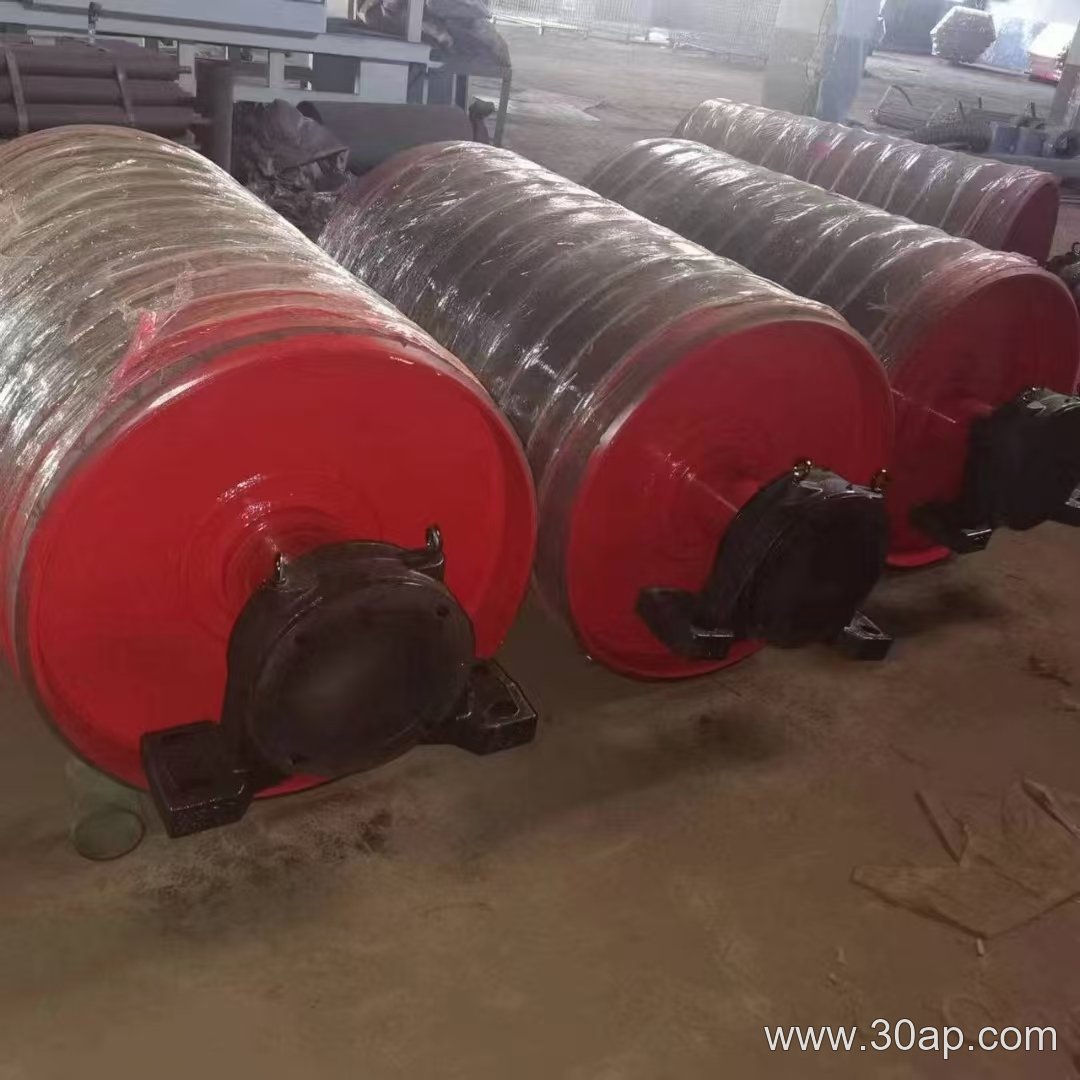
Selection Tips
- Match pulley diameter to belt thickness and speed.
- Use lagging for grip; choose rubber or ceramic.
- Confirm shaft, bearing, and hub fit.
Purchasing Advice
Verify load rating, balance, and finish. Request inspection reports and spare-part availability before ordering.
Conveyor Bracket: The Backbone of Your Material Handling System
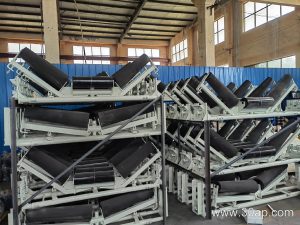
A conveyor bracket is the structural component that mounts rollers, idlers, and pulleys to the conveyor frame, directly affecting alignment, load capacity, and service life.
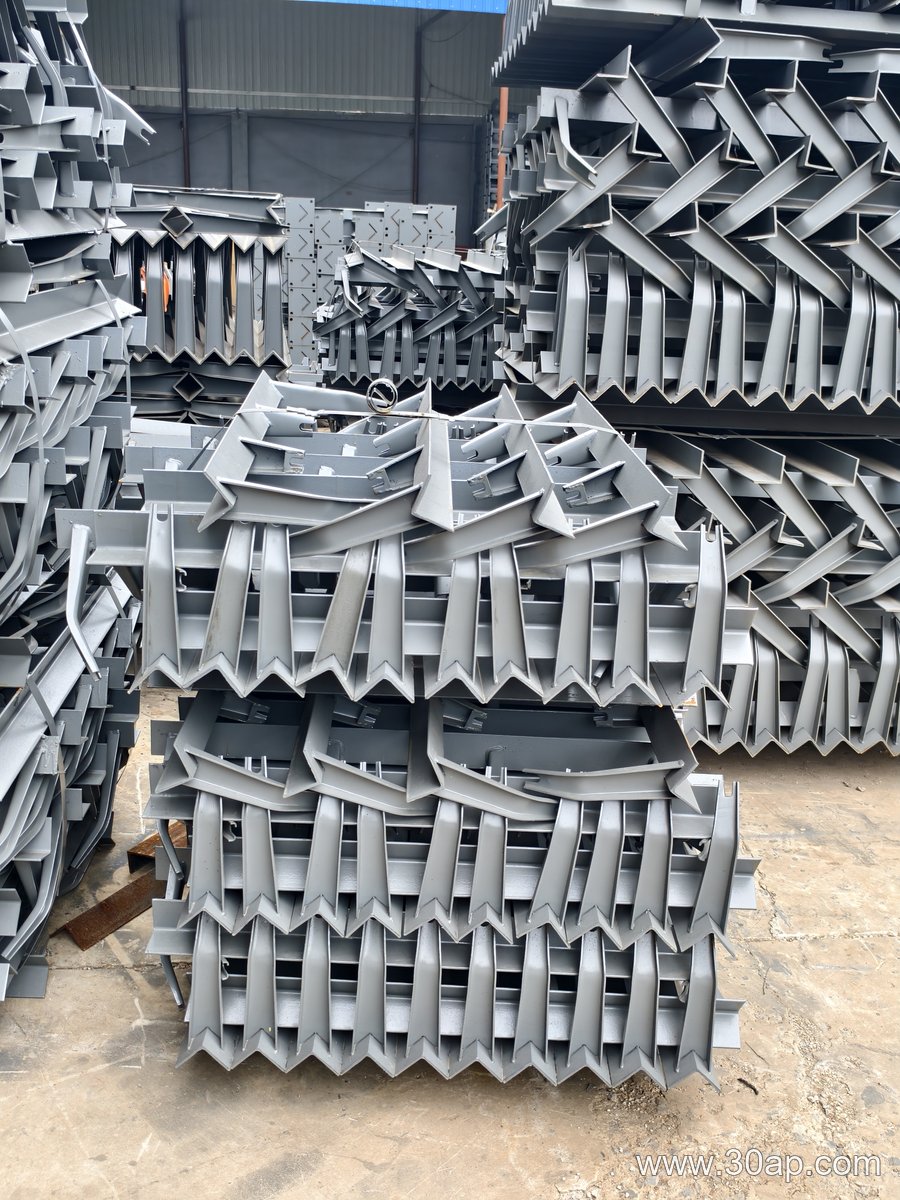
Selection and Purchasing Advice
- Match bracket material to your environment: mild steel for dry indoor use, stainless steel for washdown or corrosive areas.
- Confirm bolt-hole spacing and shaft diameter against your existing frame and roller ends.
- Choose adjustable brackets when belt tracking needs fine tuning.
- Check load rating per bracket, not just per meter, to avoid premature fatigue.
Buy from suppliers who publish dimensional drawings and material certificates, and order a spare set for high-wear zones.