What a Drive Pulley Does
A drive pulley, also known as a head pulley, is the powered drum that transmits motion to the conveyor belt. It grips the belt on the carrying side and pulls it forward, while the belt returns over tail and bend pulleys. In a typical conveyor, the drive pulley is the only component connected to the gearbox or motor, making it the heart of the system. Its design must match the belt width, the material being conveyed, and the operating environment.
Construction and Surface Options
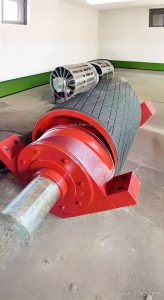
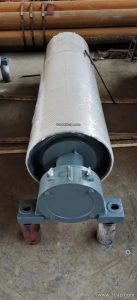
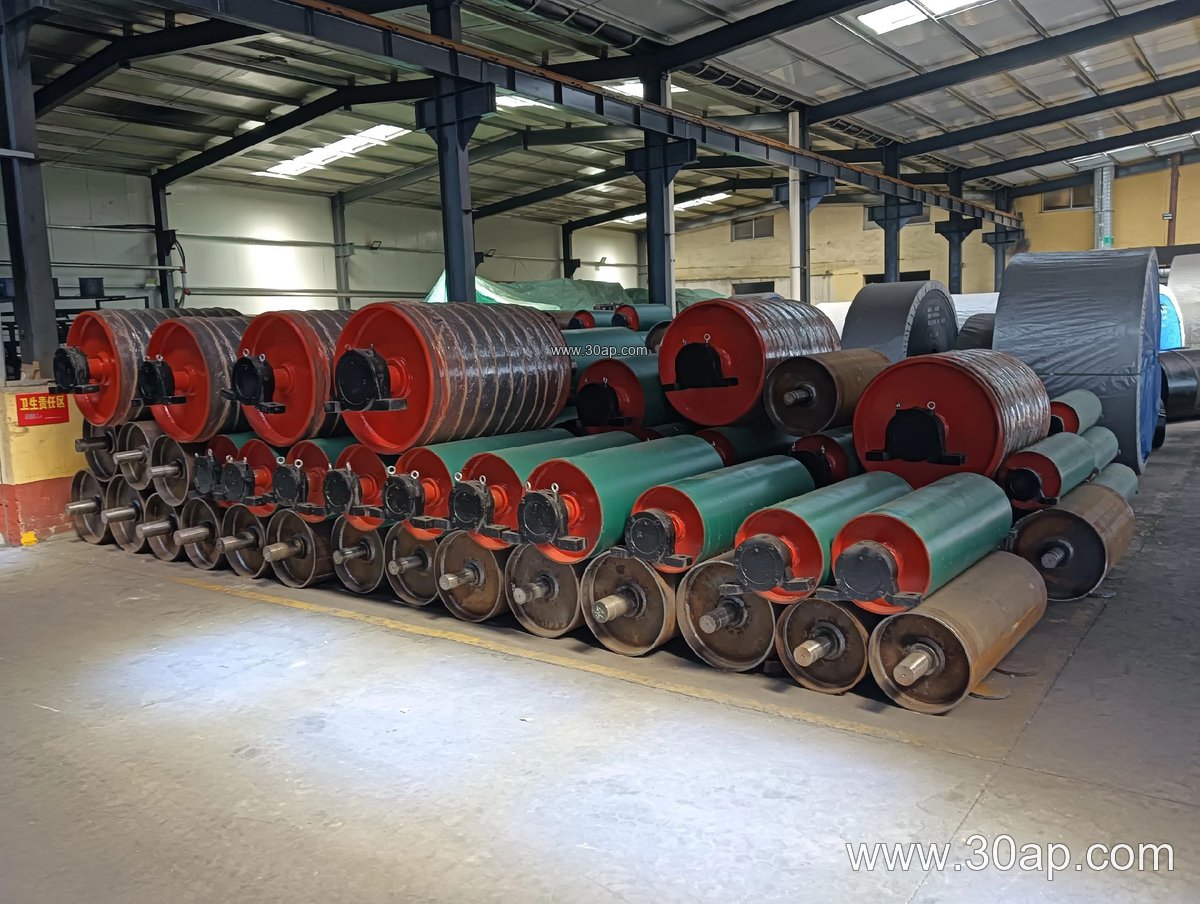
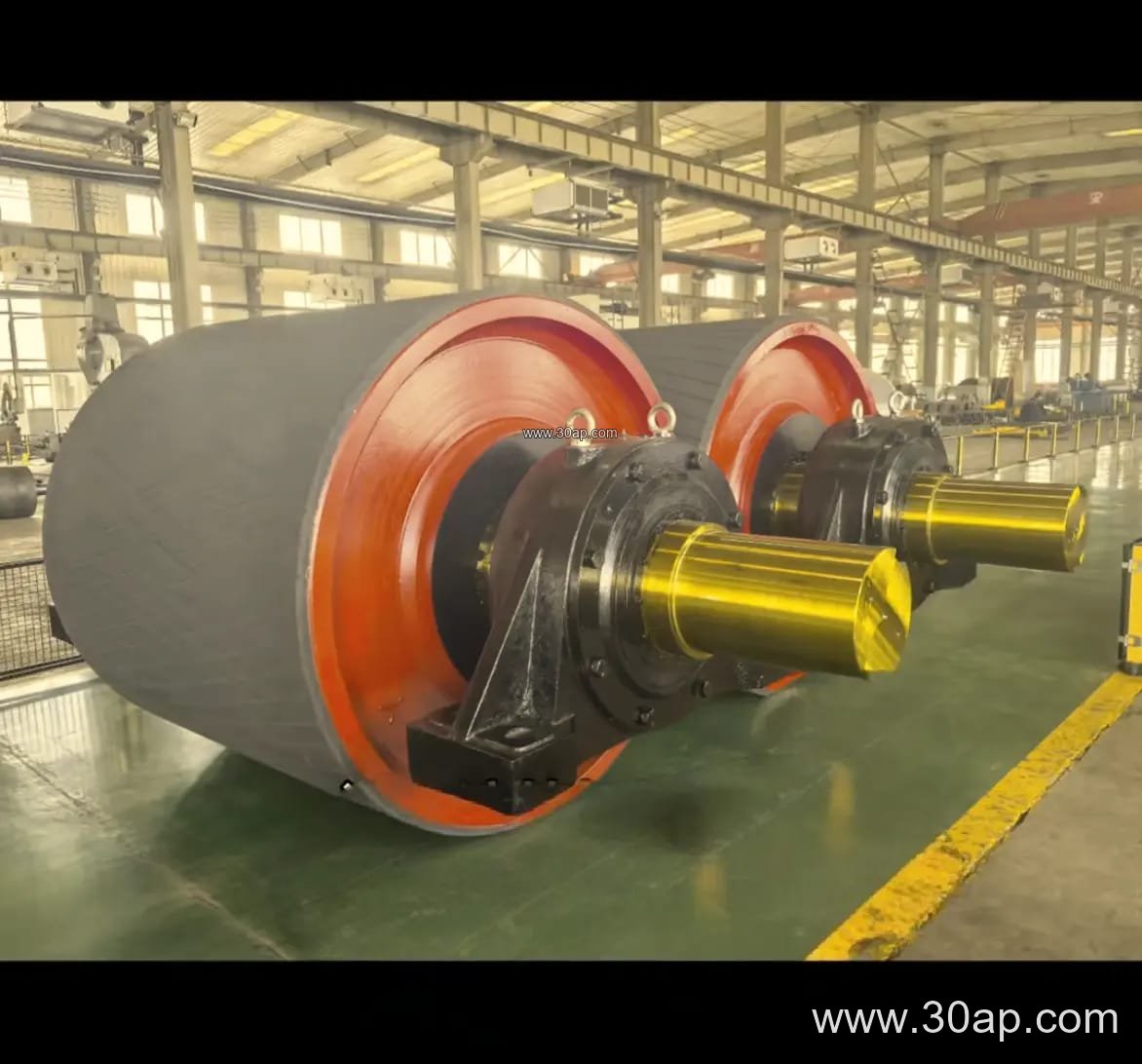
Most drive pulleys are built from a steel shell, welded to end discs and a shaft. The shaft is supported by bearings in pillow blocks or a conveyor bracket. To improve grip, the shell is often covered with rubber lagging. Common surface forms include plain, cast rubber, cold-bonded rubber, hot-vulcanized rubber, diamond pattern, herringbone, and ceramic lagging. Lagging thickness typically ranges from 8 mm to 20 mm, depending on the torque and belt tension. For high-traction applications, ceramic lagging offers excellent wear resistance, while diamond or herringbone patterns help shed water and fines.
Key dimensions include the shell diameter and face width. The face width is usually slightly wider than the belt to ensure full support. For example, a B800 belt might use a pulley face width around 950 mm, while a B1200 belt could use about 1400 mm. Diameter selection depends on belt tension, speed, and the required wrap angle. Common diameters range from Ø200 mm for small conveyors to Ø1800 mm for heavy-duty mining systems. Shaft diameter is determined by torque and load, not by belt width alone. Typical shaft sizes include Ø50, Ø80, Ø120, Ø160, and Ø200 mm.
Where Drive Pulleys Are Used
Drive pulleys are found in almost every industry that moves bulk materials. In a quarry or aggregate plant, they power conveyor belts that transport crushed stone and sand. In a coal mining operation, especially underground, flame retardant and anti-static properties are critical, so the drive pulley must be paired with a suitable coal mining conveyor belt. Cement plants rely on drive pulleys to move clinker and raw meal, often using heat resistant conveyor belts near kilns. Power plants use them in coal handling systems, while ports employ large drive pulleys for ship loading and unloading. Other applications include steel plants, fertilizer production, and grain silos.
Selection and Maintenance Tips
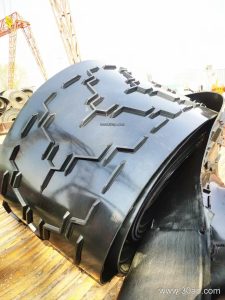
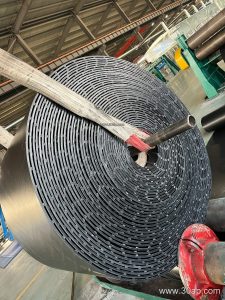
When choosing a drive pulley, consider the belt type and tension. A steel cord conveyor belt requires a larger pulley diameter than a fabric core belt to avoid excessive bending stress. For example, an EP conveyor belt may run on a Ø500 mm pulley, while a ST1000 steel cord belt might need Ø800 mm or more. Always verify the belt manufacturer’s recommended minimum pulley diameter. Also, account for the lagging thickness, as it affects the effective diameter.
Maintenance focuses on lagging wear and bearing condition. Worn lagging reduces traction and can cause belt slip. Inspect the lagging regularly and replace it when the pattern is worn down. Keep the pulley clean and aligned; misalignment leads to uneven belt wear and premature failure. Lubricate bearings according to the manufacturer’s schedule. For harsh environments, such as dusty mines or corrosive chemical plants, consider ceramic lagging and sealed bearings.
Common Specifications at a Glance
The following table lists typical reference values for drive pulleys. These are not universal; actual sizes depend on the conveyor design.
| Belt Width (mm) | Pulley Face Width (approx. mm) | Common Diameter Range (mm) | Typical Shaft Diameter (mm) |
|---|---|---|---|
| B400 | 500 | Ø200–Ø400 | Ø50–Ø80 |
| B650 | 750 | Ø250–Ø500 | Ø60–Ø100 |
| B800 | 950 | Ø315–Ø630 | Ø70–Ø120 |
| B1000 | 1150 | Ø400–Ø800 | Ø80–Ø140 |
| B1200 | 1400 | Ø500–Ø1000 | Ø90–Ø160 |
| B1400 | 1600 | Ø630–Ø1250 | Ø100–Ø180 |
| B1600 | 1800 | Ø800–Ø1400 | Ø120–Ø200 |
| B1800 | 2000 | Ø1000–Ø1600 | Ø140–Ø200 |
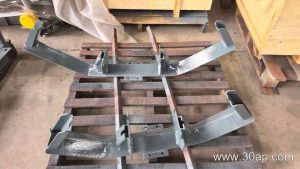
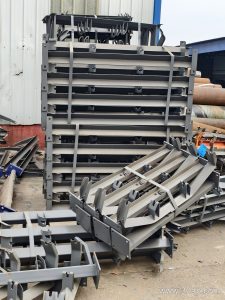
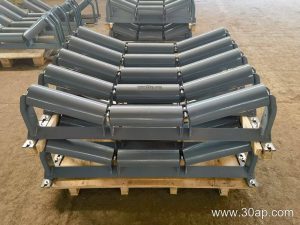
For more information on conveyor components, visit our site at conveyor pulley and conveyor belt pages. We also supply idler roller and conveyor bracket to complete your system.
Final Considerations
Drive pulleys are not interchangeable with tail or bend pulleys. Each has a specific role: tail pulleys redirect the belt at the tail end, while bend pulleys change direction in the return path. Using a drive pulley in a non-drive position can lead to poor performance and safety issues. Always specify the correct type for each location. When ordering, provide the belt width, required diameter, lagging type, shaft size, and any special requirements such as flame retardant or oil resistant properties. This ensures a reliable and long-lasting conveyor system.