What a Conveyor Ceramic Lagged Pulley Does
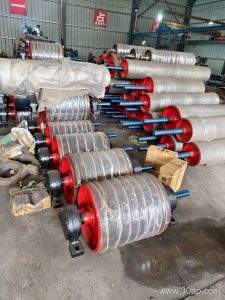
A conveyor ceramic lagged pulley is a drive or tail pulley whose shell is covered with ceramic tiles set in a rubber matrix. The ceramic studs bite into the underside of the conveyor belt, raising the coefficient of friction so the pulley can transmit torque without slipping. In a quarry, cement plant, or coal handling system, this added grip often allows a smaller pulley diameter or a lower wrap angle than a plain steel drum would need. The product is also known as a ceramic lagged conveyor pulley, and it belongs to the drive, tail, or bend positions depending on the duty. It is not a substitute for a drive pulley when used as a tail pulley, and each position has its own load profile.
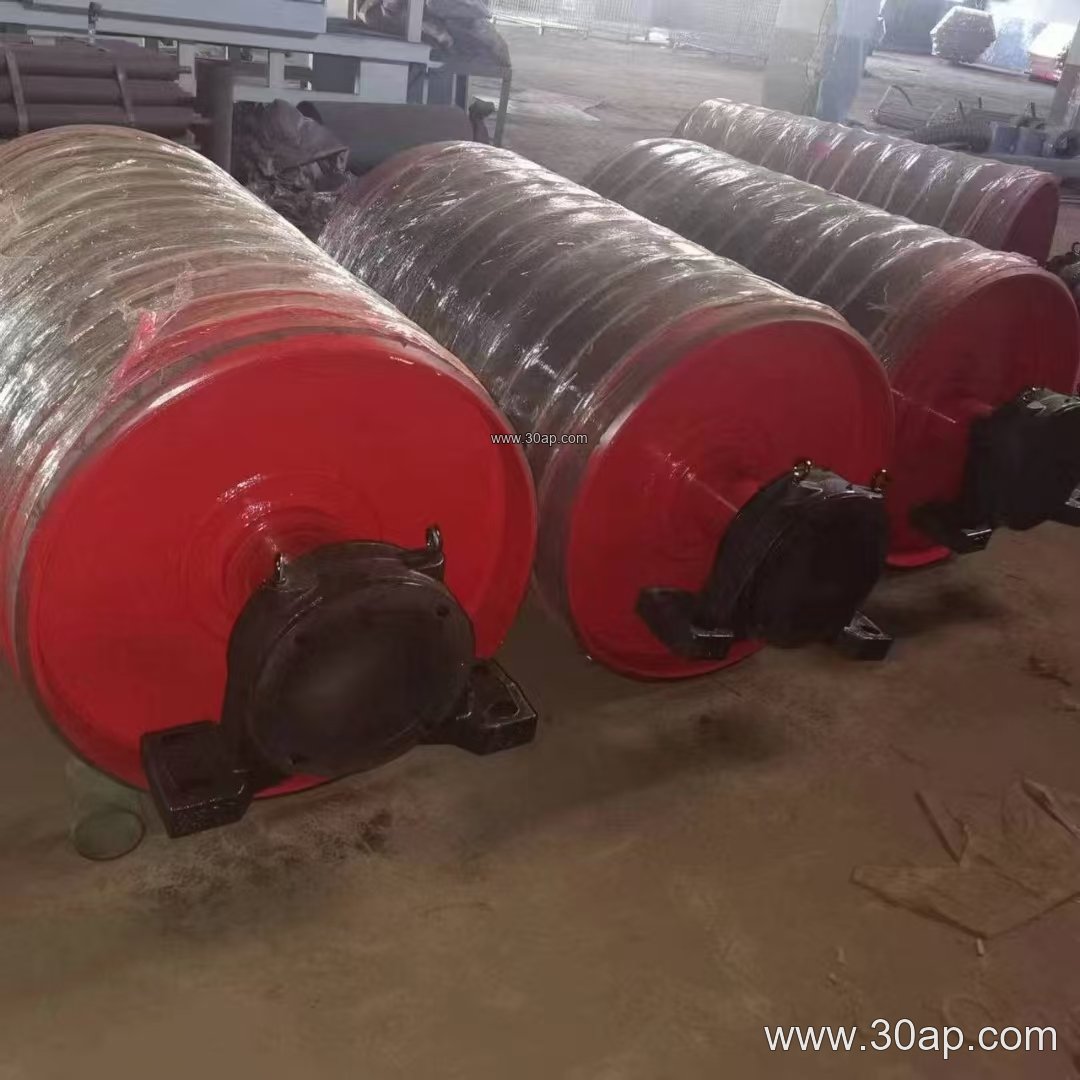
Construction and Surface Form
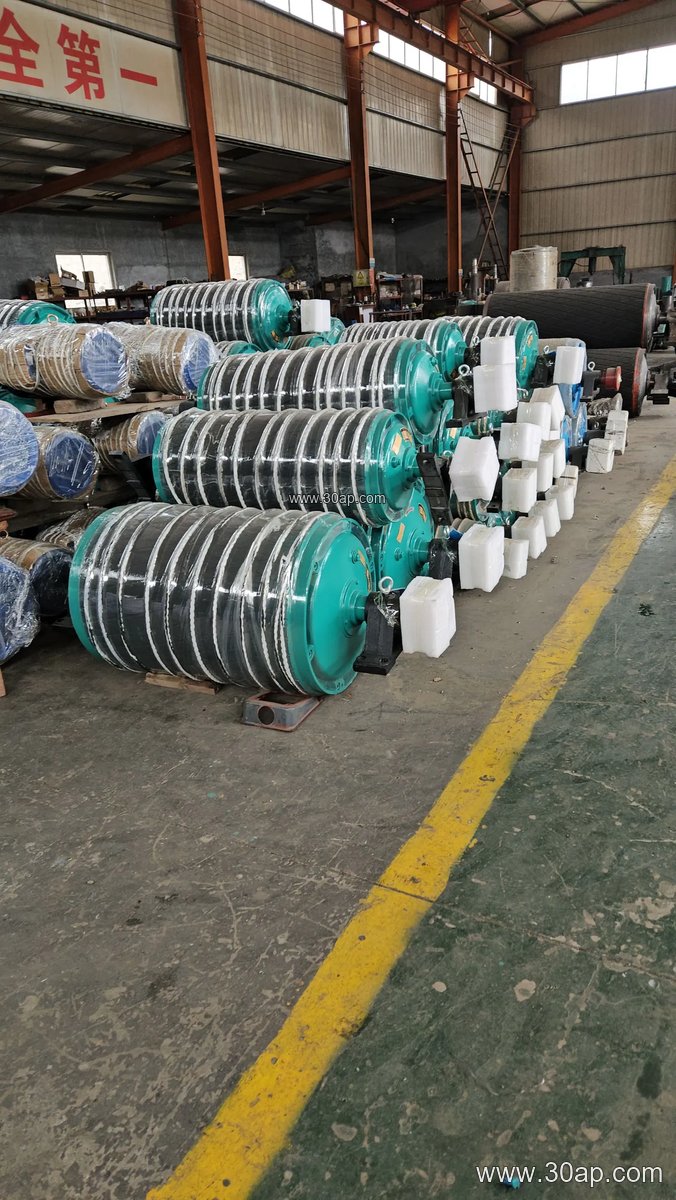
The pulley body is usually a welded steel shell with machined end discs and a shaft sized by torque and bearing load, not by belt width alone. Common shaft diameters include Ø80, Ø100, Ø120, Ø140, and Ø160 mm, but final choice follows the drive calculation. Lagging thickness is often 8, 10, 12, 15, or 20 mm. Ceramic tiles are embedded in a rubber layer that absorbs shock and keeps the tiles from cracking. The tile pattern can be flat, diamond, or herringbone; the herringbone form helps shed water and fines on wet belts. A ceramic lagged pulley is frequently compared with a plain rubber lagged drum, and the ceramic version is preferred where abrasive slurry or oily carryback would quickly polish a rubber surface.
Where It Fits in the Conveying Line
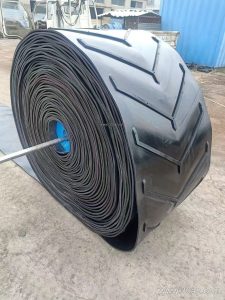
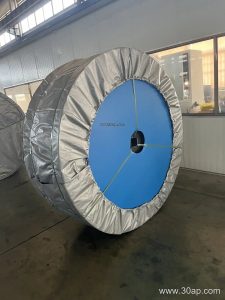
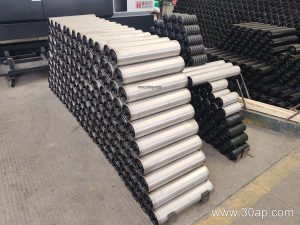
These pulleys appear in limestone mines, iron ore concentrators, aggregate washing plants, and power station coal yards. A typical installation pairs a ceramic lagged drive pulley with a rubber lagged bend pulley and a set of idler rollers that support the belt on the carrying side. The conveyor belt itself may be an EP conveyor belt, a steel cord conveyor belt, or a flame retardant conveyor belt for underground coal mining conveyor duty. In a crusher conveyor belt line, the ceramic lagging helps hold the belt steady during start-up when the load is uneven. The same pulley type is used on a pipe conveyor belt at the head end, where the belt opens from its tubular form and needs reliable traction.
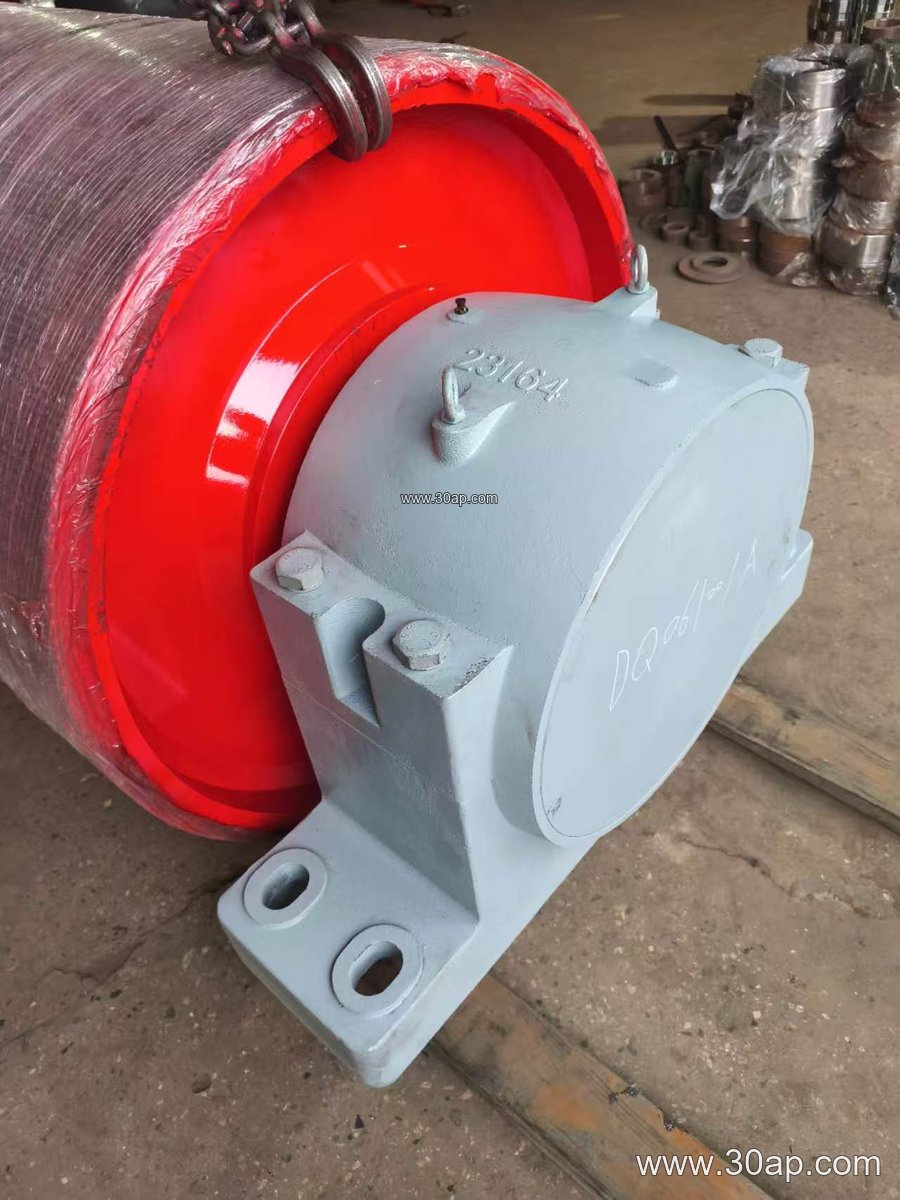
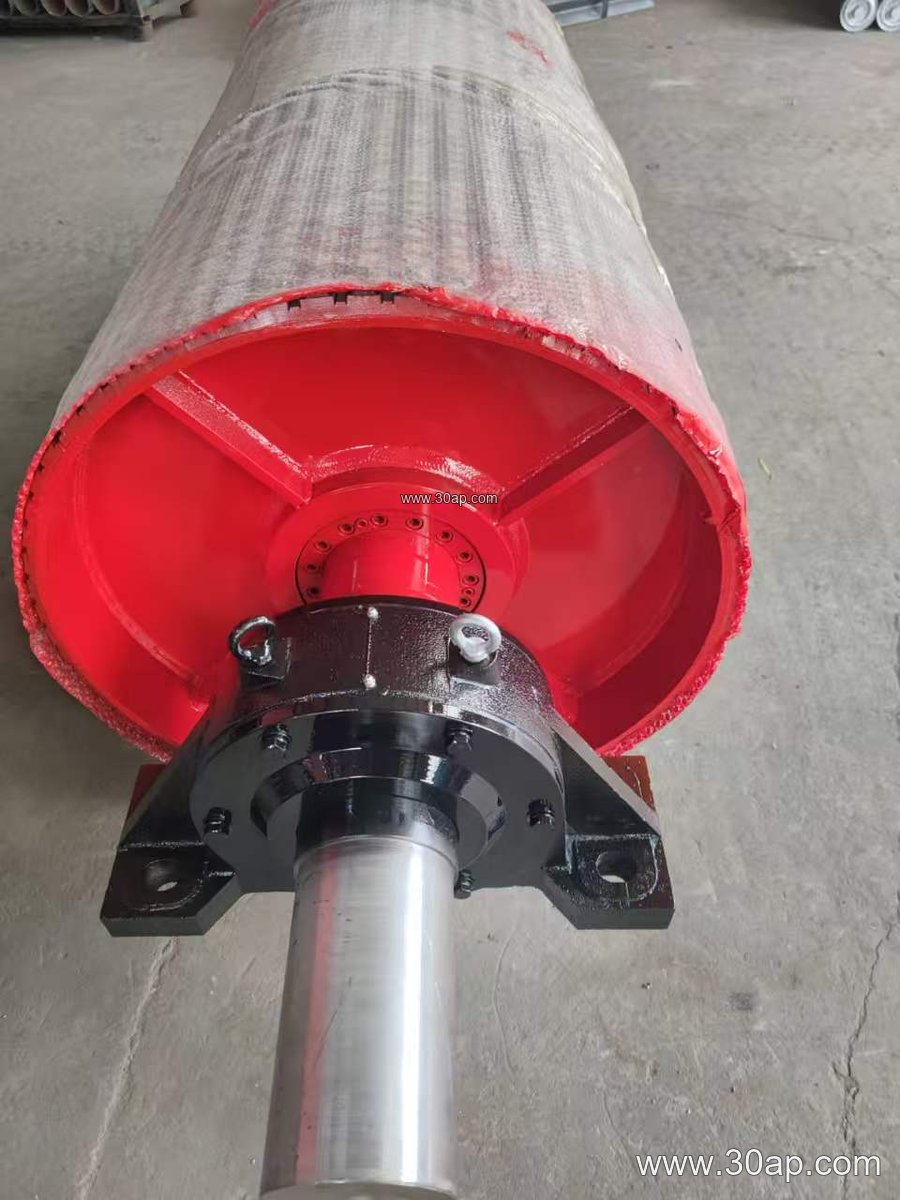
Matching Pulley Size to Belt Width
Shell width is normally greater than the belt width. For reference, a B800 belt often runs on a pulley with a shell around 950 mm wide, and a B1200 belt may use a shell near 1400 mm. Diameter is selected from the required torque, belt speed, and wrap angle. A B800 × Ø500 combination is common in small aggregate lines, while a B1200 × Ø1000 assembly suits a heavier cement plant conveyor. A B1400 × Ø800 unit can appear on a medium-duty quarry conveyor. These are examples, not fixed rules; a wide belt can run on more than one diameter, and shaft size must be calculated separately.
Reference Dimensions for Planning
- Belt width B400 to B2400 mm
- Pulley diameter Ø200 to Ø1800 mm
- Lagging thickness 8, 10, 12, 15, 20 mm
- Shaft diameter Ø50 to Ø200 mm
- Surface options: ceramic lagging, diamond rubber lagging, plain rubber lagging
Buyer Checklist
Ask for the lagging thickness and tile pattern, the shell width relative to the belt, and the shaft diameter based on the drive torque. Confirm whether the pulley is for a drive, tail, or bend position, because a tail pulley sees different belt tension from a drive pulley. Check that the ceramic tiles are fully embedded and that the rubber layer is bonded to a cleaned shell. For a food grade conveyor belt line or a recycling conveyor belt, consider whether ceramic lagging is appropriate at all, since the tile surface can trap fine material. Spare ceramic lagged pulleys should match the original shaft and bearing housing dimensions so the conveyor bracket and bearing seat align without modification. Finally, review the maintenance schedule for lagging wear, because worn tiles reduce traction and can damage the belt cover.