What an Acid Resistant Conveyor Belt Is
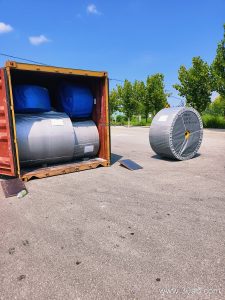
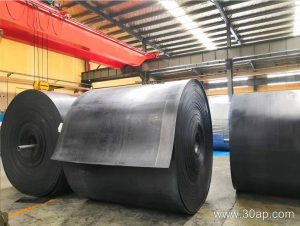
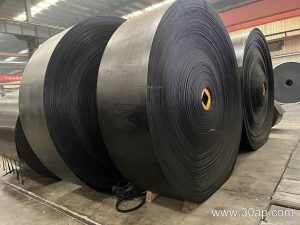
An acid resistant conveyor belt is a rubber conveyor belt engineered to keep its carcass and covers intact when the carried material, the ambient air, or occasional spillage is chemically aggressive. In fertilizer plants, chemical warehouses, mineral processing lines, and battery material handling, ordinary belts may swell, harden, or delaminate within months. A belt built for acid exposure uses a cover compound and a fabric core selected to resist that attack, so the conveyor keeps running with fewer unplanned stops.
The same product is also correctly called a chemical resistant conveyor belt. Both names describe the same belt; the acid-specific wording simply points to the dominant chemical class in the working environment.
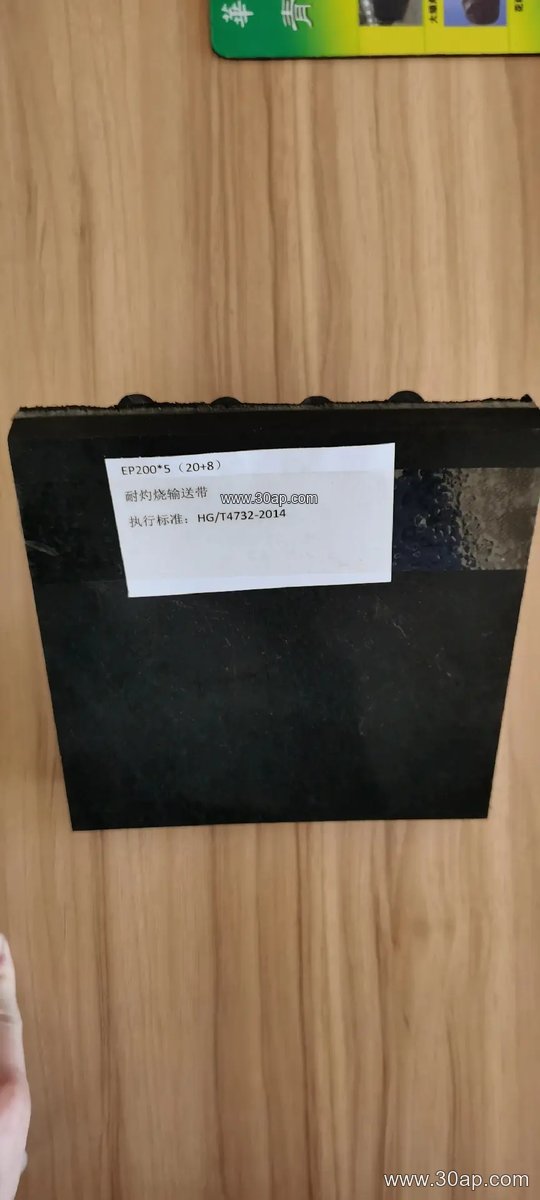
Construction and Compound Choices
The working surface is usually a rubber cover with a low-reactivity polymer base and carefully chosen fillers. The carcass behind it is normally a fabric core, and EP conveyor belt and NN conveyor belt constructions are common starting points because their plies give good tensile strength and troughability. For heavier tensions, a steel cord conveyor belt carcass can be specified, although the cover compound still does the chemical work.
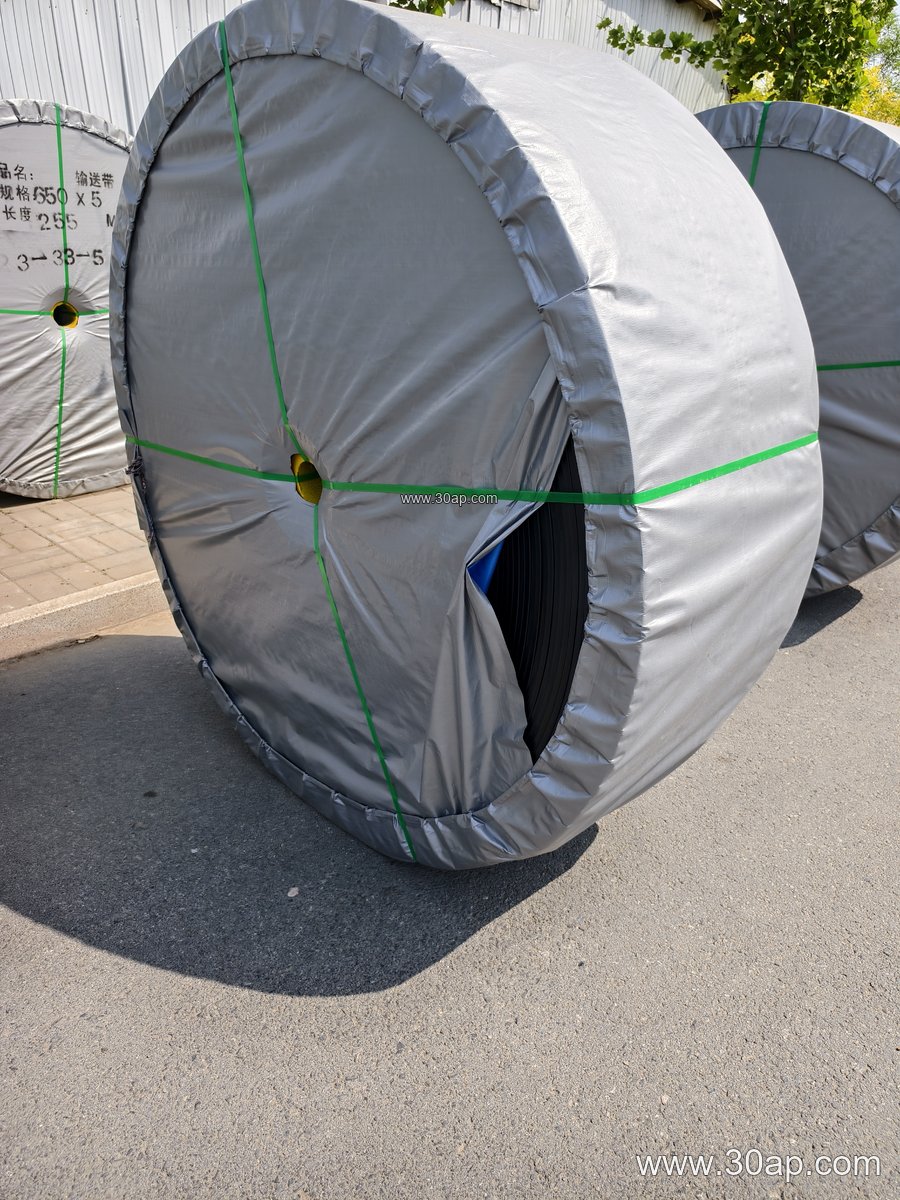
Typical build options include:
- Cover thickness combinations such as 3+1.5 mm, 4+2 mm, 5+2 mm, 6+2 mm and 8+3 mm, chosen by abrasion and chemical load rather than by habit.
- Carcass ply counts usually between 2 and 6 layers in fabric constructions.
- EP strength grades such as EP200, EP400, EP630, EP1000 and EP1250 where higher working tension is needed.
- Edge protection and, for wet acid service, additional cover thickness on the carrying side.
Junctions deserve attention. A belt is only as chemically sound as its splice, so the splice material should match the cover compound.
Where These Belts Fit
Acid resistant belting appears wherever acidic powders, slurries, or damp residues travel on a conveyor. Examples include phosphate and potash handling, sulfuric acid plant feed lines, metal pickling and surface treatment areas, some ore conveyor routes, and industrial waste sorting. In a power plant, chemical dosing and flue gas treatment areas may call for this belt; in a cement plant it is less common than heat or abrasion grades but can suit gypsum and additive streams. A quarry conveyor handling mildly acidic damp aggregate may also benefit when the water chemistry is known.
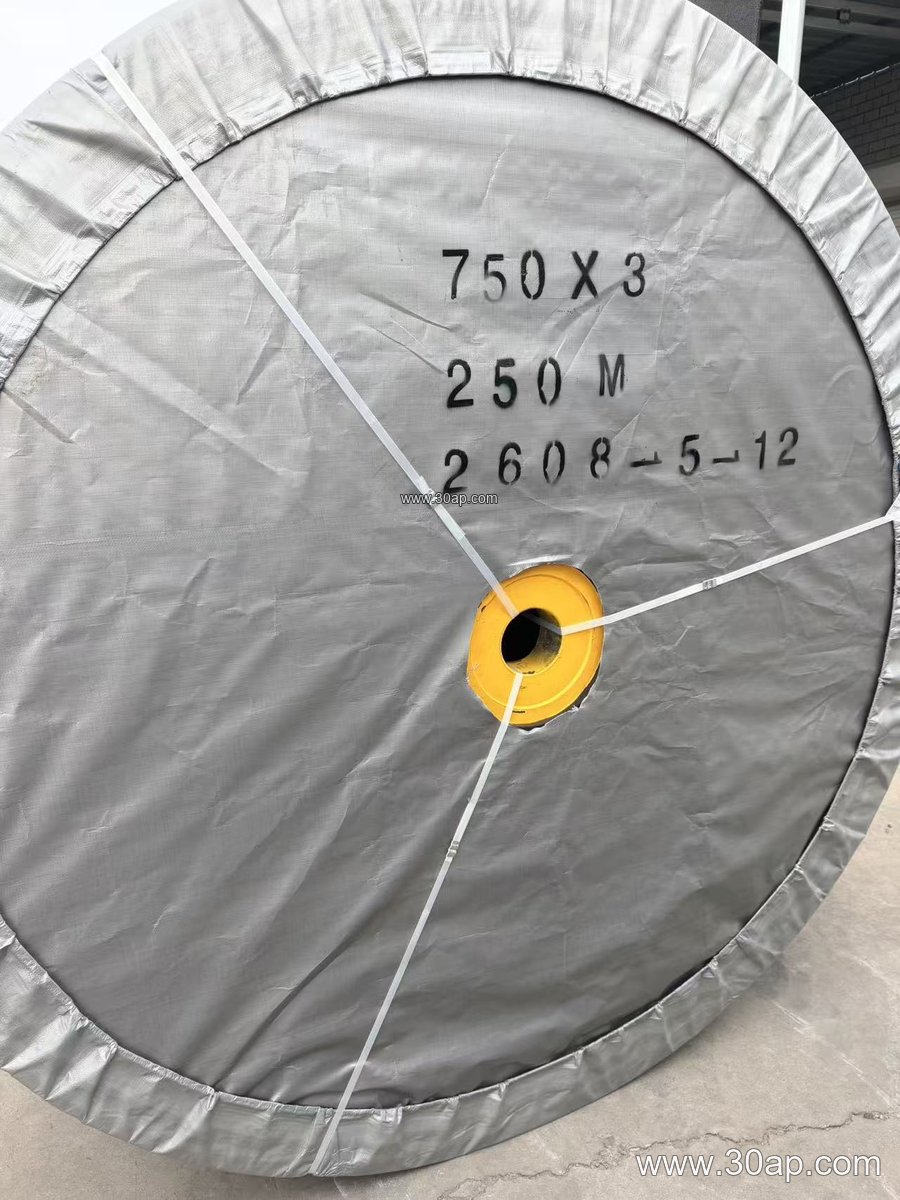
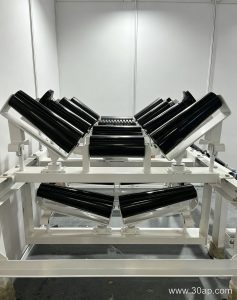
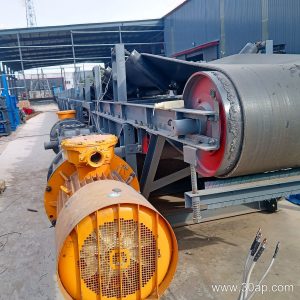
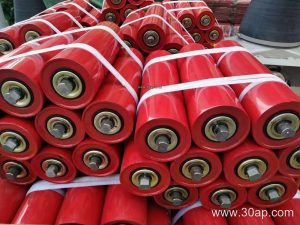
The belt does not work alone. A conveyor pulley at the drive, tail, and bend positions, idler roller sets, and conveyor bracket assemblies all influence tracking and belt life. Correctly aligned conveyor pulleys reduce edge wear, and sealed idler roller bearings keep corrosive dust out of rotating parts. Matching the belt to the whole conveyor, rather than to the material alone, is the practical approach.
Specification Reference
The values below are common reference points only. Final figures are confirmed by the belt designer and manufacturer for each project.
| Parameter | Common reference range |
|---|---|
| Belt width | B500, B650, B800, B1000, B1200, B1400, B1600, B1800, B2000 |
| Fabric carcass | EP or NN, 2 to 6 plies |
| Strength grade | EP200 to EP1250 typical; higher grades by design |
| Cover thickness | 3+1.5, 4+2, 5+2, 6+2, 8+3 mm |
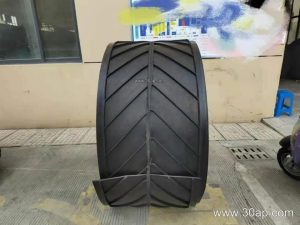
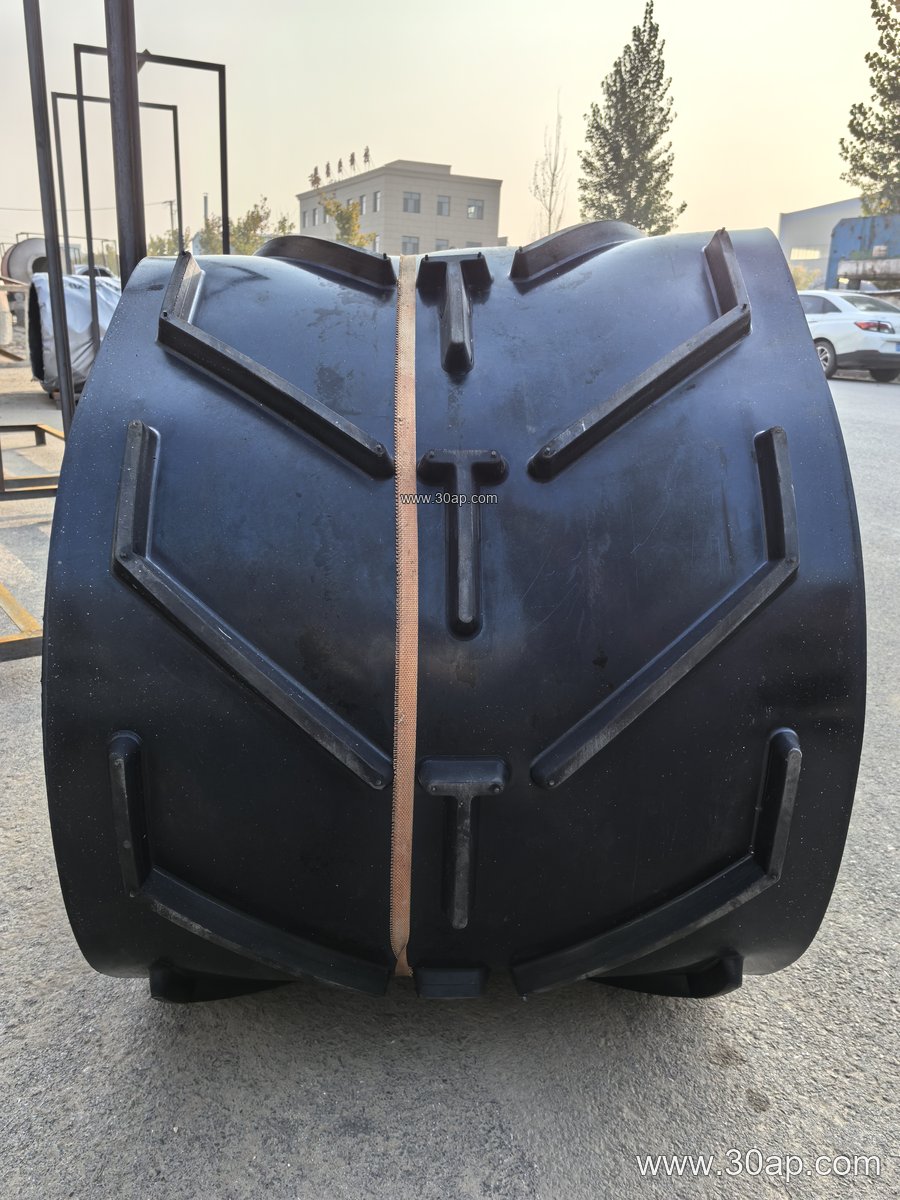
| Surface form | Plain, or chevron conveyor belt profile where incline grip is needed |
Width and pulley diameter are matched by conveyor design, not by a fixed rule. A 1200mm wide belt may run on different pulley sizes depending on tension and available space.
Buyer Checklist
- Identify the actual chemicals, concentration, temperature, and whether exposure is continuous or splash-only.
- Confirm whether the belt also needs flame retardant conveyor belt properties, anti-static behavior, or abrasion resistant conveyor belt performance.
- State the material lump size and impact points, since impact resistant conveyor belt covers may be needed at transfer chutes.
- Ask for the splice method and splice material compatibility in writing.
- Plan inspection of covers, edges, and idler roller condition as part of routine maintenance.
For buyers comparing suppliers, request the cover compound data and the carcass construction together. A belt that resists acid but wears quickly at the loading point is a poor trade. Reviewing the full conveyor line, including conveyor pulleys and support frames, gives a more reliable service life than judging the belt in isolation.