What a Coal Conveyor Belt Does
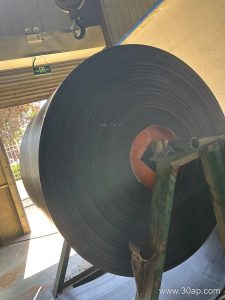
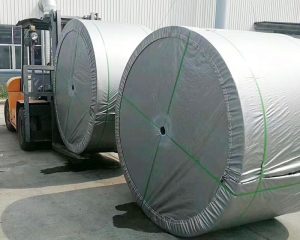
A coal conveyor belt is the continuous load-carrying element in a bulk handling system that moves coal from a receiving point to a stockpile, crusher, boiler bunker, or ship loader. In mines, power plants, cement works, and port terminals, this belt runs over idler rollers and is driven by a head pulley, with a tail pulley and bend pulleys guiding the return path. The belt itself is a composite: a fabric or steel cord carcass provides tensile strength, while rubber covers protect the carcass from abrasion, impact, and moisture.
Because coal varies from fine dust to lumpy run-of-mine feed, the belt must match the duty. A coal mining conveyor belt used underground often carries flame retardant and anti-static properties, while a power plant conveyor belt may prioritize abrasion resistance and heat tolerance near boiler feed areas.
Construction and Common Types
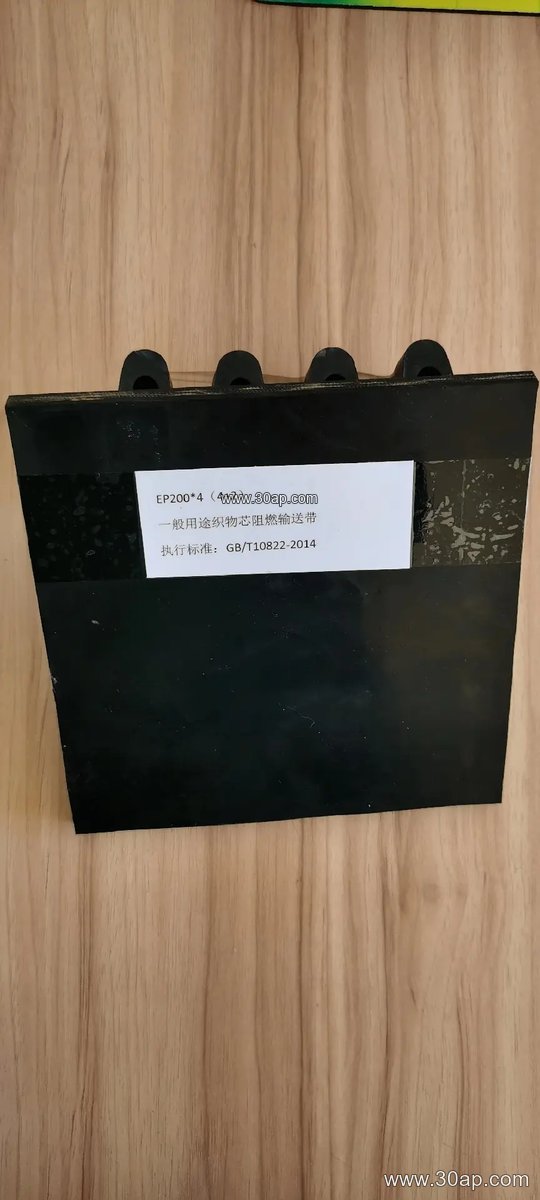
The carcass determines how much tension the belt can handle. EP conveyor belt (polyester-nylon) and NN conveyor belt (nylon-nylon) are common fabric core conveyor belt choices for main haulage and yard conveyors. Multi-ply fabric core conveyor belt with two to six plies suits moderate tension and impact. For long overland runs or high lift, steel cord conveyor belt offers higher strength with fewer splices. In underground coal mining, PVG conveyor belt and PVC conveyor belt are frequently specified for fire safety.
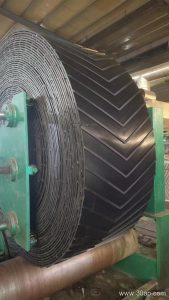
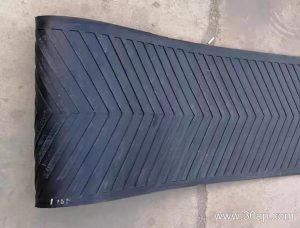
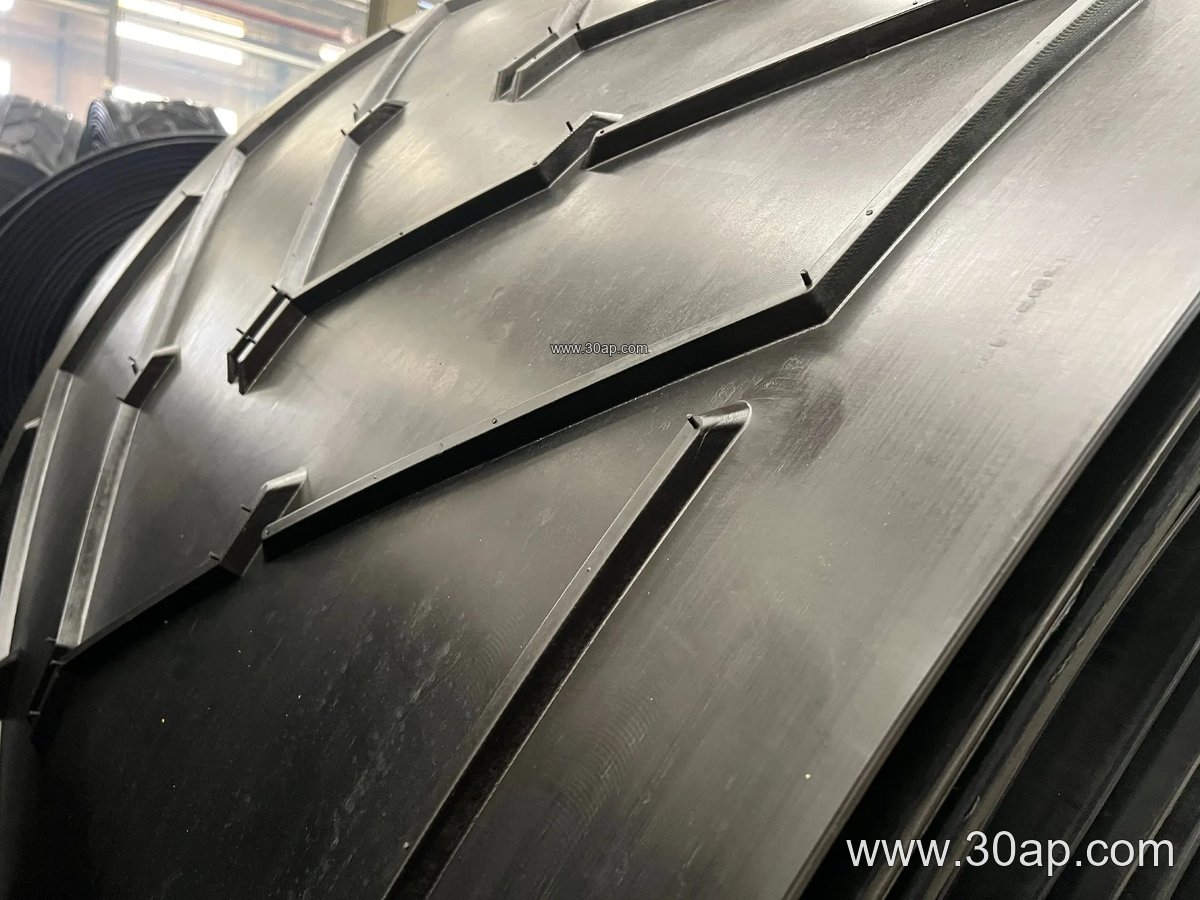
Cover compounds address the environment: abrasion resistant conveyor belt for sharp coal and rock, flame retardant conveyor belt and fire resistant conveyor belt for enclosed galleries, oil resistant conveyor belt near lubricated drives, and cold resistant conveyor belt for winter terminals. Chevron conveyor belt or corrugated sidewall conveyor belt may appear on inclines where material must be contained, but these are separate designs from a standard flat coal belt.
Typical Dimensions and Strength Grades
Buyers often work from belt width, carcass grade, and cover thickness. The table below lists common reference values; final selection depends on the conveyor design, coal lump size, and loading conditions.
| Parameter | Common Reference Range |
|---|---|
| Belt width | B500, B650, B800, B1000, B1200, B1400, B1600, B1800, B2000 |
| EP strength grades | EP200, EP315, EP400, EP500, EP630, EP800, EP1000, EP1250, EP1600, EP2000 |
| Steel cord grades | ST1000, ST1250, ST1600, ST2000, ST2500, ST3150 |
| Cover thickness examples | 3+1.5 mm, 4+2 mm, 5+2 mm, 6+2 mm, 8+3 mm |
| Fabric plies | 2 to 6 plies typical |
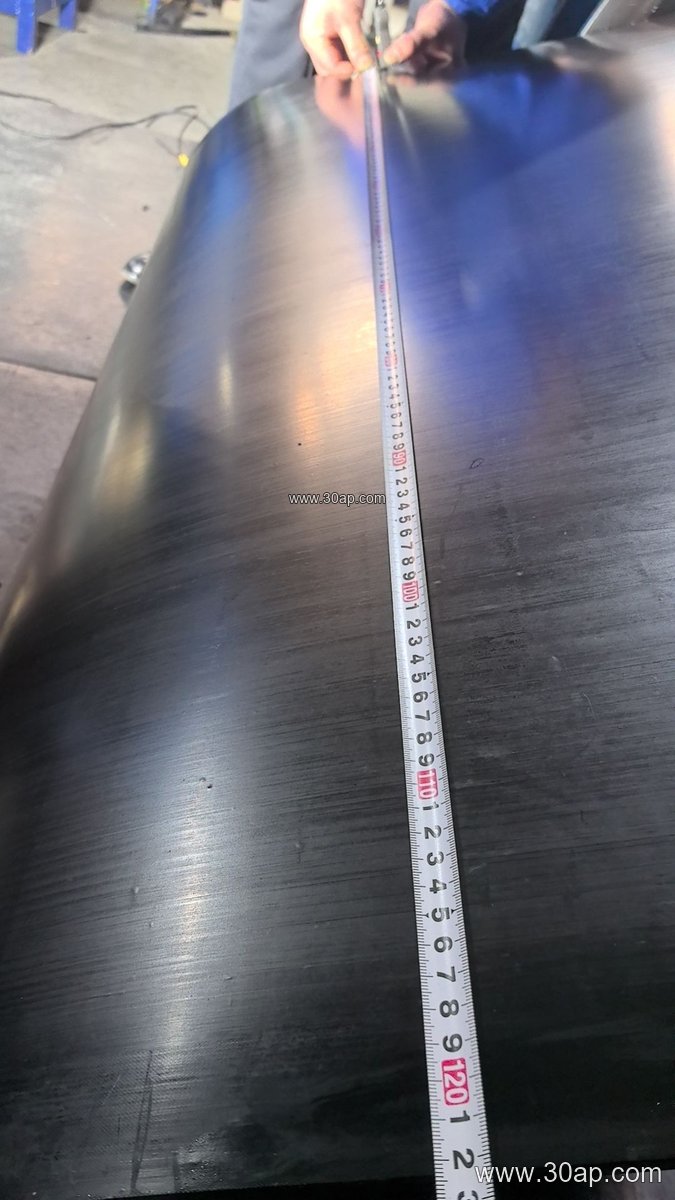
These figures are reference data, not universal specifications. A 1200mm wide conveyor belt and a 1800mm wide conveyor belt may both use EP fabric, but the pulley diameters and shaft sizes are set by the conveyor designer, not by belt width alone.
Where It Fits in the Plant
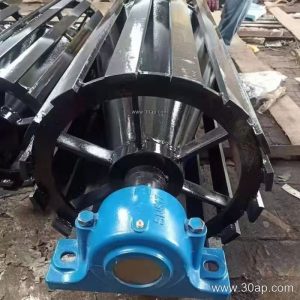
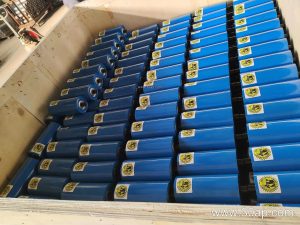
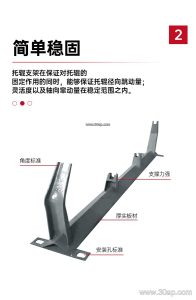
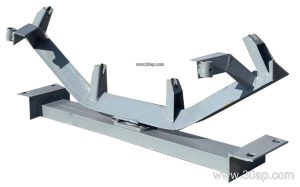
In a coal preparation plant, the belt works alongside idler rollers, conveyor pulleys, and conveyor brackets that keep alignment stable through transfer points. A quarry conveyor belt or aggregate conveyor belt may share similar construction but differ in cover grade. Port conveyor belt and ship loading conveyor belt systems usually demand high strength and weather resistance. Cement plant conveyor belt and steel plant conveyor belt applications may require heat resistant conveyor belt grades where clinker or hot materials are nearby.
For more details on matching belt, roller, and pulley components, visit coal conveyor belt and conveyor pulley resources.
Buyer Checklist
- Confirm coal size, moisture, and drop height to choose impact resistant conveyor belt or heavy-duty conveyor belt construction.
- Check whether the gallery is classified for fire safety; flame retardant conveyor belt and anti-static conveyor belt may be required.
- Verify ambient temperature and seasonal conditions for cold resistant or heat resistant cover compounds.
- Review splice type, cover thickness, and edge condition against the conveyor pulley and idler roller layout.
- Ask for a data sheet with grade, width, ply or cord count, and cover thickness before comparing offers.
Keeping spare belt sections, monitoring idler roller rotation, and checking pulley lagging help extend service life in coal mining conveyor belt and bulk material conveyor belt systems.