What a Conveyor Bracket Is and Why Its Price Varies
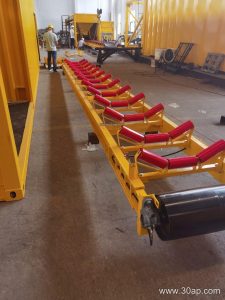
A conveyor bracket is the steel support that holds idler rollers in the correct position under or over a conveyor belt. It is not a single commodity item. The same name covers troughing brackets on the carrying side, return brackets underneath, buffer brackets at loading points, and self-aligning or adjustable designs. Because the bracket must match belt width, trough angle, and roller diameter, the conveyor bracket price changes with every one of those choices. Two brackets that look similar in a photo can differ by a wide margin once steel thickness, bending work, and hole spacing are taken into account.
For a quick reference, the table below shows how common configurations differ. These are typical ranges, not fixed rules — final dimensions follow the conveyor design.
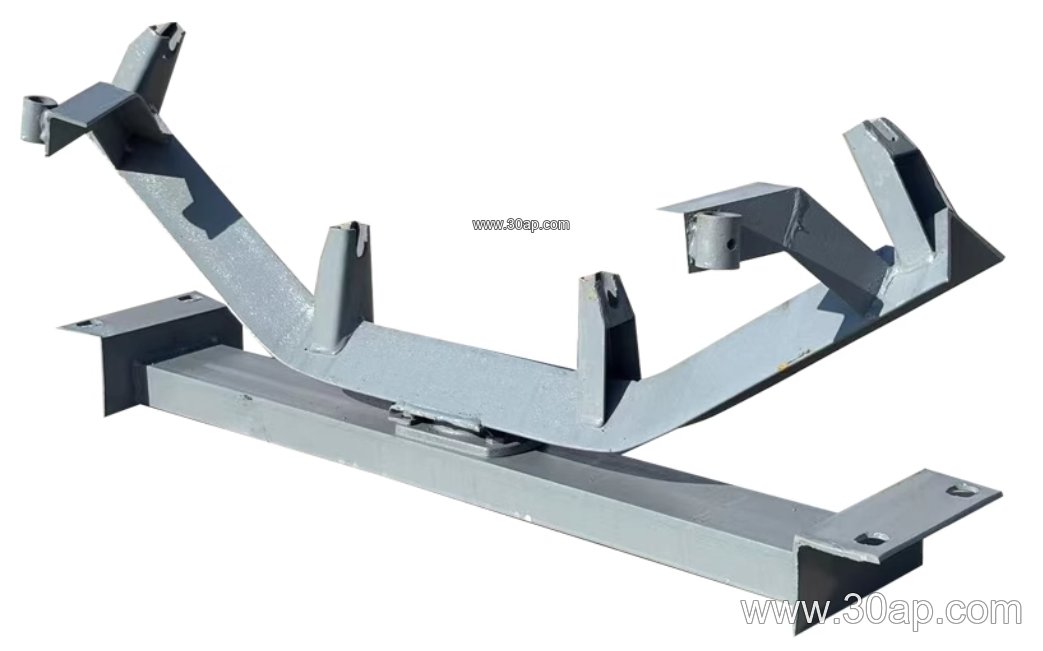
Typical Bracket Configurations
| Bracket type | Belt width (common) | Trough angle | Roller diameter |
|---|---|---|---|
| Troughing bracket, fixed | B500 / B650 / B800 | 20°, 30°, 35° | Ø89, Ø108 |
| Troughing bracket, heavy duty | B1000 / B1200 / B1400 | 35°, 45° | Ø133, Ø159 |
| Adjustable troughing bracket | B800 to B1400 | 20°–45° adjustable | Ø108, Ø133 |
| Return bracket, flat | B650 / B800 / B1000 | — | Ø89, Ø108, Ø133 |
| V-return bracket | B1000 / B1200 | — | Ø108, Ø133 |
| Impact / buffer bracket | B800 / B1000 / B1200 | 30°, 35° | Ø108, Ø133, Ø159 |
Note that a given belt width does not lock you into one trough angle or one roller size. A B1200 line may run 35° with Ø133 rollers in one section and 45° with Ø159 rollers at a transfer point. Installation hole spacing and crossbeam length are determined per design, so they should never be treated as universal numbers.
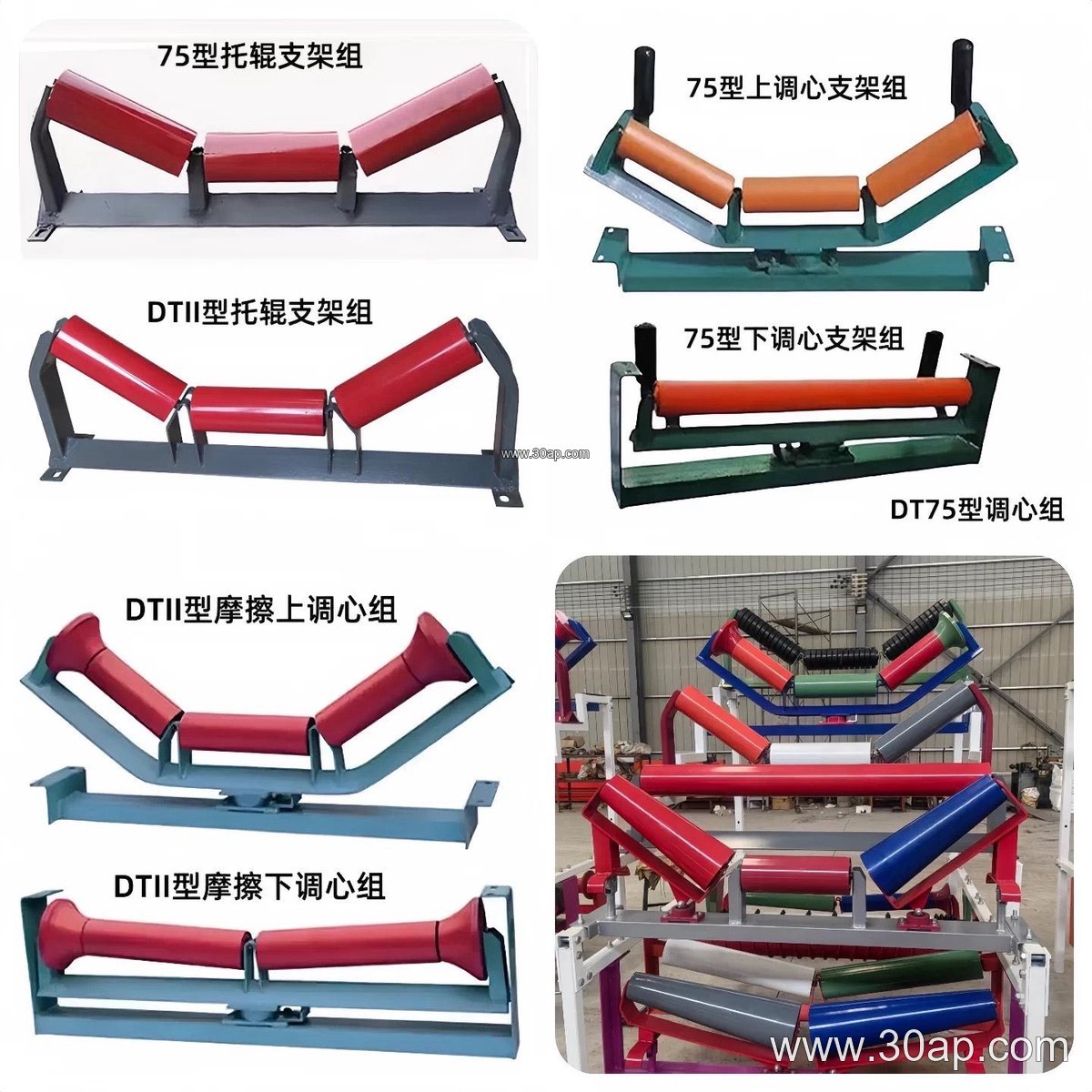
How the Bracket Is Built and How That Affects Cost
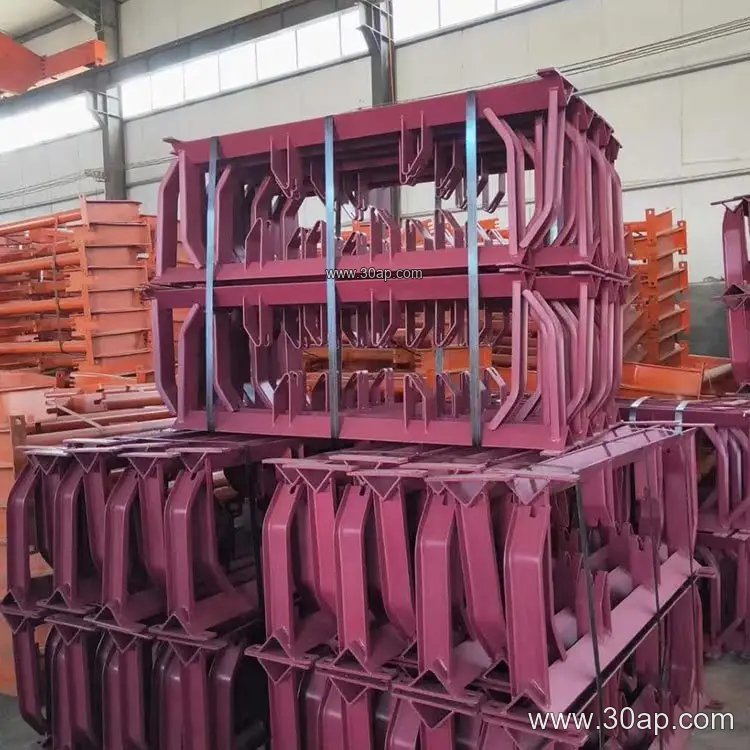
Most brackets are fabricated from angle steel, channel steel, or folded steel plate. The fabrication route matters for the conveyor bracket price: a simple welded angle frame costs less than a folded plate design with machined slots and reinforced gussets. Adjustable brackets add sliding or pivoting elements, which means more cutting, drilling, and assembly time. Hot-dip galvanizing or painting also adds cost, and in wet or dusty plants — a coal washing facility, a power plant coal yard, a fertilizer warehouse — that finish is often worth the extra spend.
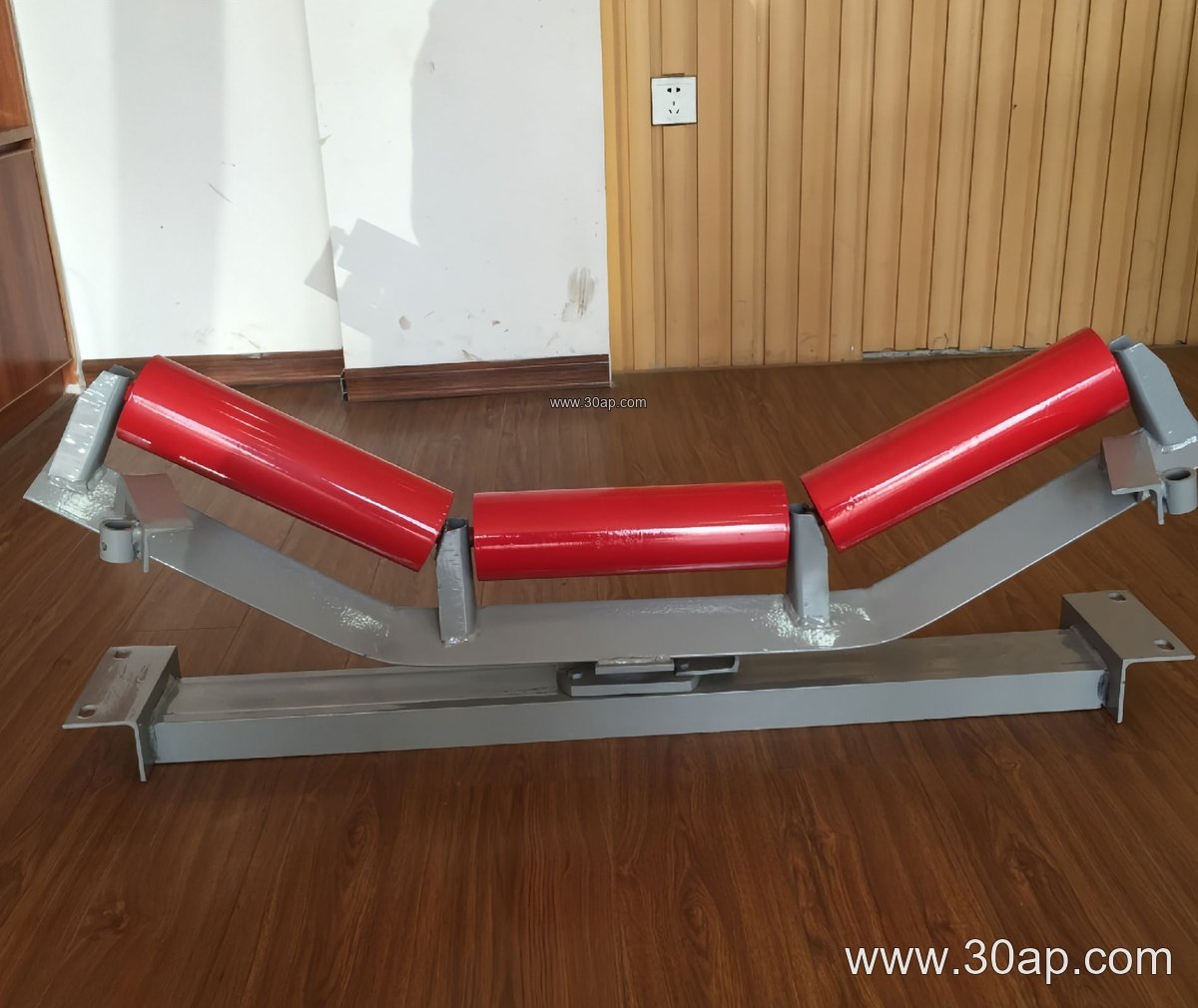
Buyers should ask for steel grade, plate thickness, weld quality, and surface treatment in writing. A low quoted price often reflects thinner steel or a lighter weld, which shortens service life under a heavy conveyor belt load.
Where Brackets Are Used
These supports appear wherever a belt conveyor moves bulk material. In a limestone quarry or a crushing and screening line, troughing brackets carry the loaded belt while return brackets guide it back. In a cement plant, buffer brackets absorb impact below the crusher discharge. In a steel plant sinter line or a port shiploading system, heavy-duty brackets keep the belt stable at high capacity. Even a small mixing station relies on correctly aligned brackets to stop the belt from drifting.
The bracket works as part of a system: it positions the idler roller, the roller supports the belt, and the belt carries the load. A mismatch anywhere in that chain shows up as edge wear, spillage, or tracking problems. For abrasive duties such as iron ore or quarry rock, an abrasion resistant conveyor belt paired with sturdy brackets reduces downtime. In underground coal mining, a flame retardant conveyor belt and well-grounded brackets are usually specified together.
Adjustable Versus Fixed Brackets
A fixed bracket is welded or bolted at one trough angle. It is simple, stiff, and usually the cheaper option for a line that runs one product at a steady load. An adjustable bracket lets maintenance staff change the trough angle between roughly 20° and 45°, which helps when belt loading changes or when a new belt sits differently on the rollers. Forward-leaning designs, commonly around 1.5° to 2°, are used for training the belt rather than for angle adjustment. If your conveyor handles several materials or is likely to be modified, the adjustable version can justify its higher price.
What to Check Before You Compare Quotes
- Belt width and required trough angle, confirmed against the conveyor drawing.
- Roller diameter and mounting hole spacing — these must match your existing conveyor pulley and roller set.
- Steel section and plate thickness, not just overall dimensions.
- Surface finish suitable for the site: dusty, wet, corrosive, or washdown.
- Whether the bracket is fixed, adjustable, or a training type.
A bracket quotation is only comparable when these details are stated. Request a drawing with each offer, and confirm the bracket fits the belt and roller combination already on site. For a broader view of matching components, see the roller and belt pages at our site, and always tie the conveyor bracket price back to the actual duty on your line.