What a Large Conveyor Idler Does on a Heavy-Duty Line
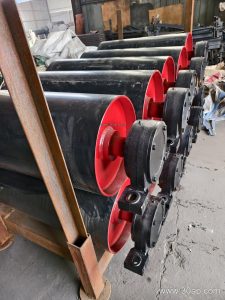
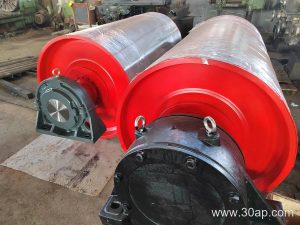
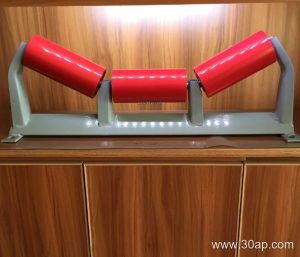
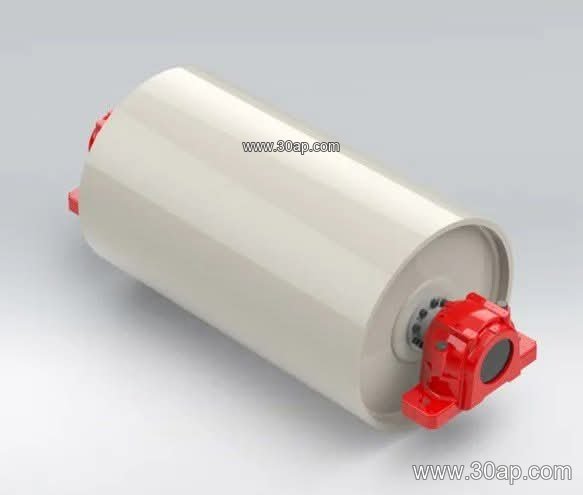
A large conveyor idler is the rotating support that carries the loaded belt between the head and tail of a conveyor. In heavy industries, the term usually points to rollers with bigger shell diameters, thicker walls, and stronger bearing housings than light-duty units. You will see them under wide belts moving ore, coal, clinker, or aggregate, where each roller must absorb steady load plus impact from lumpy material. The idler roller does not pull the belt; the drive does that. Its job is to keep the belt profile stable, reduce sag, and let the belt run with low rolling resistance.
On a long overland line or a plant transfer, a large conveyor idler is often matched with an abrasion resistant conveyor belt or a steel cord conveyor belt. The roller and the belt work as a pair, so a rough shell surface or a worn bearing can damage even a premium belt.
Construction Details That Matter
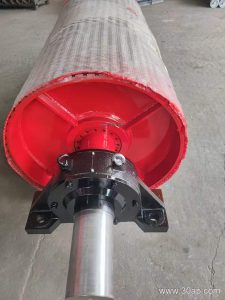
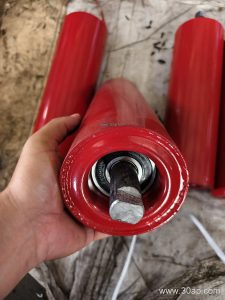
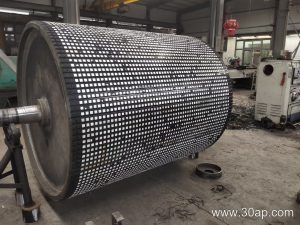
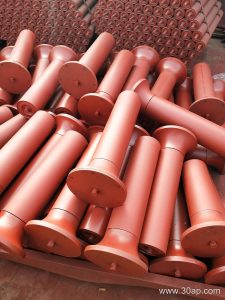
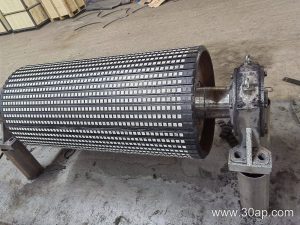
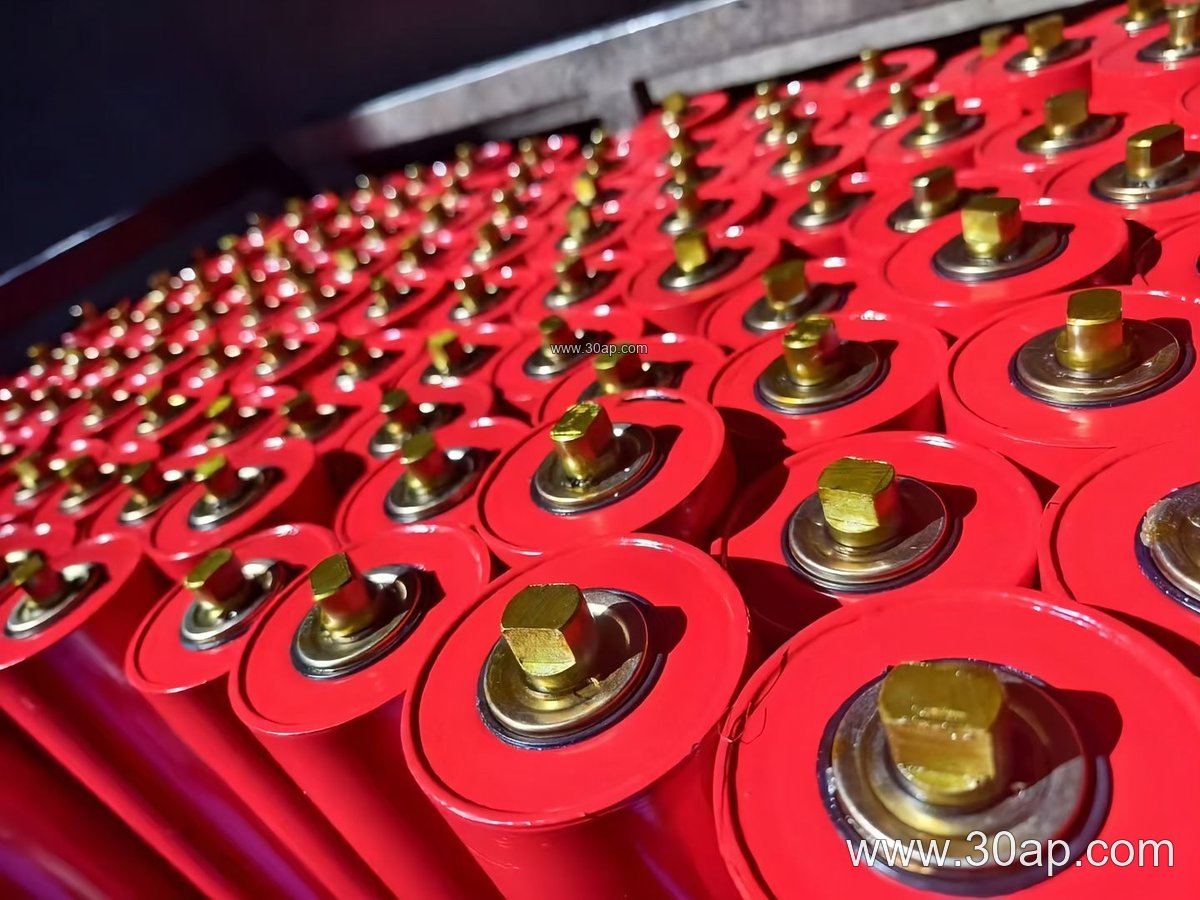
Most heavy rollers share a common build: a steel tube shell, welded end discs, a shaft, bearing housings, and a multi-stage seal. Larger sizes usually use thicker tube walls and bigger shafts to limit deflection under load. Shell materials vary; steel is standard, while rubber rings are added at loading points for impact吸收, and ceramic or nylon covers appear in sticky or abrasive service.
Sealing is where many failures start. Dust from a quarry or a coal yard enters through the gap between the end disc and the seal. A labyrinth seal with grease retention keeps grit away from the bearing. Common bearing numbers on large rollers include 6308, 6310, and similar deep-groove ball bearings, but the correct bearing depends on load, speed, and shaft design, not on belt width alone.
Common Reference Dimensions
The table below shows typical roller diameters and belt widths used in heavy conveying. These are reference ranges, not fixed pairings; final selection follows the conveyor design.
| Item | Typical Reference Values |
|---|---|
| Roller diameter | Ø108, Ø127, Ø133, Ø159, Ø178, Ø194, Ø219 mm |
| Belt width | B800, B1000, B1200, B1400, B1600, B1800, B2000 mm |
| Trough angle | 20°, 30°, 35°, 45° |
| Roller length (three-roll trough, common example) | B1000 about 380 mm; B1200 about 465 mm; B1400 about 530 mm; B1600 about 600 mm |
Side rollers and center rollers can differ in length, and a transition idler near the pulley may use a shorter roll or a different angle. Buyers should confirm roller length, shaft end type, and mounting dimensions against the conveyor bracket drawing.
Where Large Idlers Are Used
These rollers suit applications where belt tension and material load are high. In a copper or iron ore concentrator, a large conveyor idler supports a heavy-duty mining conveyor belt on the main haulage line. In a power plant coal yard, they carry a flame retardant conveyor belt through transfer towers and stacker-reclaimer routes. Cement plants use them on clinker and limestone belts, while port terminals rely on them for ship loading conveyors handling bulk material.
Other common settings include aggregate plants, steel mills, and tunnel spoil lines. In each case, the roller group is chosen by load, belt speed, and environment rather than by a single universal rule.
Buyer Checklist Before Ordering
- Confirm belt width and trough angle, then check roller length and bracket spacing.
- Match shell diameter and wall thickness to the load and impact level at each station.
- Specify the seal type for dusty, wet, or corrosive conditions.
- State the bearing class and lubrication plan; confirm shaft diameter from the conveyor design, not from belt width alone.
- For loading zones, consider impact idlers with rubber rings instead of standard trough rollers.
- Check that the roller finish suits the belt: a smooth shell protects an EP conveyor belt or NN conveyor belt, while worn shells accelerate cover wear.
Maintenance is straightforward when the right roller is installed. Listen for squealing bearings, watch for belt misalignment, and replace rollers that stop turning. A seized idler roller can cut a belt in hours, so spare units should be kept for critical lines.
For more on matching rollers with belts and pulleys, visit beltconveyorparts.com and review conveyor idler roller options for your project.